REVIEW · KRAKOW
Auschwitz-Birkenau Tour with Private Transport Altenative Tour
Book on Viator →Operated by ComFort Tours Cracow · Bookable on Viator
Long ride, then the real Auschwitz story. This day trip is built for comfort and clarity: you get private transport between Kraków and the memorial sites, plus lunch included so you can focus on the visit. The main thing to watch is access: this option does not include entrance tickets to Auschwitz I and Auschwitz II-Birkenau main camps, so you should confirm exactly what you’ll be able to enter on your specific day.
What I like most about this tour plan is the scope. Instead of only doing the headline camps, you also spend time at the Auschwitz system’s surrounding memorial areas and Auschwitz III (Monowitz), which helps you understand how the camps functioned as a network. Another plus is the private setup: you are not squeezed into a shared car, and the schedule stays more flexible for a smaller group.
One more consideration: the day can be emotionally heavy, and it can also be logistically intense. You should be prepared for a moderate walking load and for ticket or entry timing to be the main variable on busy days.
In This Review
- Key points before you go
- Private Kraków transport: less stress on a long day
- What’s included here, and what is not (Auschwitz I and II tickets)
- Oświęcim stop: final victims, mass grave, and the camp extension area
- Brzezinka/Birkenau areas: crematorium sites, Zyklon B theater, and the ramps
- “Interest Zone” and the Birkenau extermination zone: maps, Death Gate, and Bunkers
- Auschwitz III (Monowitz): the Sauna building and the wider camp system
- Ticketing realities: why your entry time can change
- Lunch included: a real relief during a heavy day
- Pace and fitness: expect a moderate day, not a slow stroll
- English language, private group feel, and the guide factor
- Price of $455.34: does it feel worth it?
- Who this Auschwitz-Birkenau private transport option fits best
- Should you book this tour?
- FAQ
- Does the tour include entrance to Auschwitz I and Auschwitz II-Birkenau main camps?
- How long is the Auschwitz-Birkenau private tour?
- Is pickup included, and where does it start?
- What pickup times are possible?
- Is lunch provided?
- Is this a private tour?
- What languages is the tour offered in?
- Which memorial areas and stops are included?
- What ticket or admission fees are included for stops?
- What’s the cancellation policy?
Key points before you go
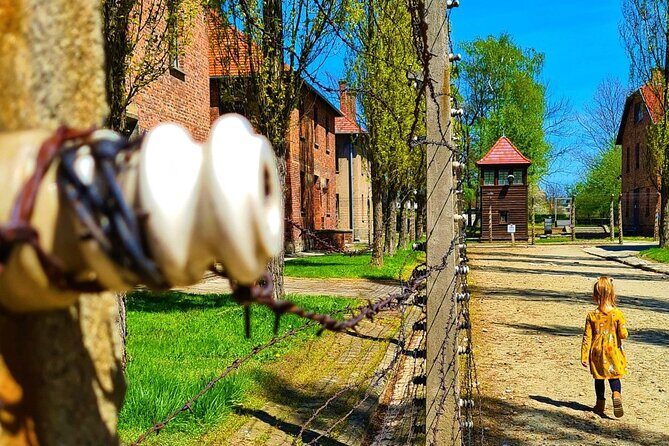
- Private Kraków pickup and round-trip transport keeps the day calmer than joining a big shuttle group.
- Two memorial areas in one day helps you connect different parts of the Auschwitz system without multiple trips.
- Lunch is included, so you’re not hunting for food mid-visit.
- Auschwitz III (Monowitz) stops add important context about the wider camp network.
- Main-camp entrance is not included, so clarify what you’ll be able to access on arrival.
Private Kraków transport: less stress on a long day
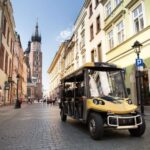
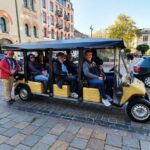
This is a true private transport alternative: you’re collected from your address in Kraków and driven out to the memorial areas with no need to share the vehicle. That matters because Auschwitz-Birkenau days already come with long hours and tight schedules. When transportation is shared, you spend extra time waiting. Here, you don’t.
Pickup time can fall between 7:00 AM and 1:30 PM, but it’s not guaranteed. You should expect your exact pickup time to be confirmed the day before (by WhatsApp, email, or text). This is one of those tours where planning for an early start is smart. Even when the pickup window looks reasonable, I’d still set a backup mindset for a very early morning, especially in peak periods.
The drive itself is about getting you there with enough mental energy to pay attention. In at least one account of the experience, the driver was praised for being on time, choosing a pleasant route, and keeping the car clean and comfortable. That kind of small comfort helps on a day where you’ll be sitting with difficult material for hours.
Practical tip: wear layers. This is a memorial day with outdoor segments, and conditions can shift. Comfortable shoes matter more than fashion.
You can also read our reviews of more private tours in Krakow

What’s included here, and what is not (Auschwitz I and II tickets)
This tour is priced as a package for private transportation and guided surrounding-site access, but it does not include entrance to Auschwitz I and Auschwitz II-Birkenau main camps. That detail can be easy to miss, and it can completely change how your day feels.
Here’s the key point: even though the tour includes major sights linked to Birkenau (like the Death Gate and key SS barracks areas), your ticket coverage is described as not including the main-camp entrances. In plain terms, the operator may handle access in a specific way that fits their route, but you should still confirm your exact entry rights for your date.
Why this matters: if you’re hoping to do Auschwitz I and the full Birkenau main-camp experience in the way you might with a classic ticketed tour, this option may not give you the complete set of entrances. On the other hand, if your goal is to understand the camp system through multiple memorial segments—including Auschwitz III (Monowitz)—this plan can still be a strong way to spend limited time.
Oświęcim stop: final victims, mass grave, and the camp extension area
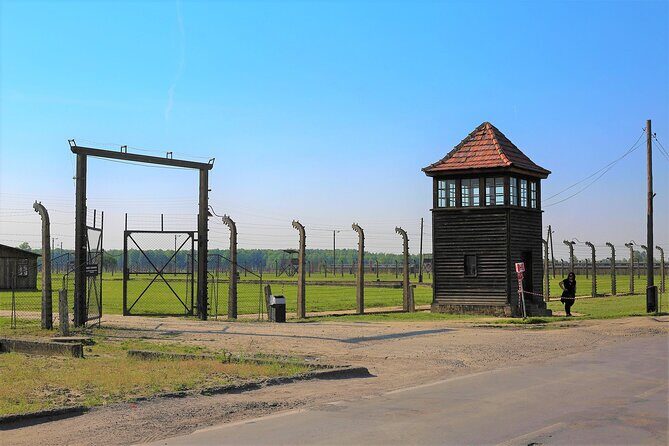
Your day begins at Oświęcim, focused on Auschwitz’s later-stage reality—when the camp was collapsing and violence continued right up to liberation.
You’ll visit the memorial area for the final victims of Auschwitz and a mass grave of 700 prisoners who were shot during the camp evacuation in January 1945. That specific detail is important. It counters the common mental image that Auschwitz ended quietly or neatly. Here, you’re shown that terror continued even as the war situation broke down.
Then you explore the so-called camp extension area. This is where the tour shifts from the most famous camp imagery to the broader structure and final phases: new SS barracks, the last women’s camp, and the site of the final public execution. Time here is about 2 hours, and that’s a meaningful block. Don’t treat it like a quick history stop. Build in enough quiet time to read carefully and let the physical layout do some of the work of explanation.
Admission for these segments is listed as free, which is nice, but it doesn’t mean the visit is casual. This part of the memorial emphasizes the camp’s operational evolution rather than only its earliest structure.
Brzezinka/Birkenau areas: crematorium sites, Zyklon B theater, and the ramps
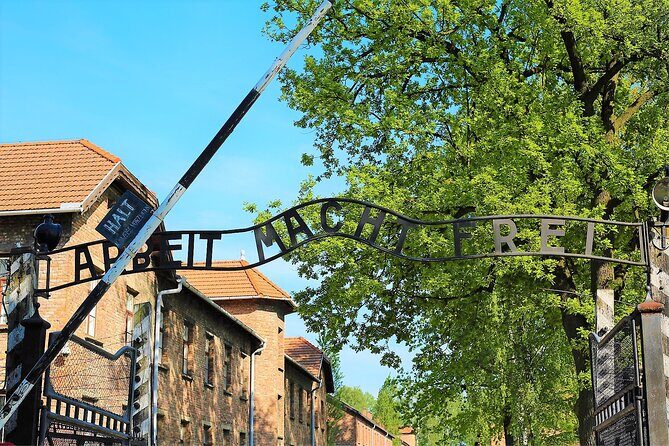
The next major segment is Brzezinka, the Birkenau side of Auschwitz, where you’ll see the systems designed for mass imprisonment and mass killing.
You’ll get a view of the first crematorium and gas chamber, plus the former villa of the camp commandant. The tour also covers gravel pits—sites connected to punishment and execution, including for clergy and members of the Polish intelligentsia. That focus is sobering because it underlines that persecution was not only based on one category. It was targeted and broad.
One of the more unusual pieces in the route is a stop at a pre-war theater that was later used to store Zyklon B. It’s easy to miss how industrial and repurposed the camp infrastructure could be. A theater turned storage space is the kind of detail that makes you think about how quickly ordinary buildings can be converted into tools of atrocity.
The tour also includes two ramp areas:
- the Polish Ramp
- the Old Jewish Ramp, described as a main selection site for European Jews
Ramps are central to understanding the camp process. They weren’t just places where people arrived. They were part of the sorting and selection mechanism that decided who would be used for labor, who would be processed, and who would be killed.
One practical note: time on these segments is shorter than at Auschwitz III, so you’ll want to keep your attention tight. If you’re the type who likes reading every label, you might have to accept that you’ll only be able to get through the key points here, not everything at full depth.
“Interest Zone” and the Birkenau extermination zone: maps, Death Gate, and Bunkers
Another highlight of this tour is that it looks outward and upward a bit. You’ll learn about the so-called Interest Zone using maps and aerial photographs from 1944. This helps you picture how the camp system related to surrounding areas, rather than treating it as a sealed-off bubble.
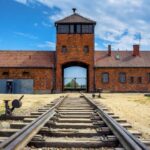
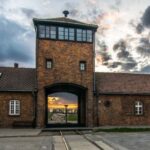
In Birkenau, you’ll see the Death Gate and the main SS barracks. The tour then moves through the extermination zone elements, including Bunker 1 (Red House) and Bunker 2 (White House), plus the remains of dressing rooms for victims and a cemetery of Soviet POWs.
This is one of those sections where the architecture and layout can feel almost too simple. The horror is in what was done there, not in ornate buildings or dramatic scenery. Spending a short but focused slice of time helps you connect the process steps you saw earlier with what happened in the extermination zone.
Time here is listed as about 30 minutes, so expect the pacing to be firm. If you need slow, quiet reading time, save your deepest contemplation for Auschwitz III or for the memorial areas where the visit block is longer.

Auschwitz III (Monowitz): the Sauna building and the wider camp system
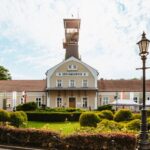
The final stop is Memorial Auschwitz III, also called Monowitz. This is where the tour expands your understanding of Auschwitz as a system that included labor-linked sites and processing areas, not just the killing facilities that dominate popular memory.
You’ll view the Sauna building used for prisoner disinfection and belongings processing. That specific function matters. It shows that prisoners were processed in stages, and it highlights how control, sorting, and exploitation were carried out through physical routines and infrastructure.
The tour concludes at the memorial to victims of Auschwitz-Monowitz, giving you a wider perspective on the camp system’s scale. Even if you already know the basic timeline, Monowitz can be the piece that makes the whole network click into place: Auschwitz wasn’t one single site. It was an interconnected set of places where people were trapped, exploited, and destroyed.
The time here is shorter (about 30 minutes), but it’s often the stop that changes how you interpret everything you saw earlier. You’ll leave with a more systems-based mental map, which is exactly what a first-timer often needs.
Ticketing realities: why your entry time can change
This is the part I’d treat as the biggest “day-of” risk.
The tour price includes a guided plan and multiple memorial segments, but ticket handling can vary depending on demand. One reason is that Auschwitz access can be difficult in peak seasons, and if private entry tickets aren’t secured in advance, the operator may need to adjust how entry happens.
In practice, that can mean changes to timing or the possibility that camp staff guides are used instead of the driver-led guidance you expected. On at least one occasion, an arrangement shifted to using camp guides as part of a larger group tour, and the pacing felt hard in heat. On another occasion, the experience ran smoothly with efficient entry and no long wait.
My advice: keep your plans flexible in the rest of your day. Also, be mentally prepared for the visit to start with some friction at the gate. If you need a perfectly timed photo-and-label itinerary, this might not be the style for you.
Lunch included: a real relief during a heavy day
Lunch is included, so you don’t have to pack food or hunt for a meal between memorial sections. That sounds small until you’re standing in a line of thinking you can’t interrupt. Here, you can focus on the content instead of logistics.
Also, because the day is structured across multiple memorial areas, the included meal helps you avoid decision fatigue. You’ll also be better off energy-wise if you’re taking in long stretches of text, exhibits, and outdoor memorial spaces.
If you’re someone who gets chilled easily, bring a layer for the breaks too.
Pace and fitness: expect a moderate day, not a slow stroll
The tour is listed as requiring moderate physical fitness. That’s honest. You’ll be moving through memorial spaces with outdoor walking, and while it’s not described as a strenuous hike, it is still a full day that asks your body to keep up with your attention.
The pacing can also be driven by ticketing and entry times. If you’re very sensitive to being rushed, you may want to balance this tour with your personal preference for slower museum time. A private day can still feel fast when the schedule is constrained.
English language, private group feel, and the guide factor
The tour is offered in English. That matters here because nuance matters. You’ll be hearing context for mass graves, execution sites, processing buildings, and the selection mechanism. If your English level is strong, you’ll get much more out of the explanations than if you’re relying only on signage.
The guide quality can make a real difference. One driver, Daniel, was specifically praised for being informative and for taking good care of guests, including being comfortable to talk with. That’s not something you can guarantee with any tour operator, but the private setup increases your odds of a smoother interaction.
In some circumstances, camp staff guides may be the ones leading parts of the visit. That’s not automatically worse. It can be extremely informative, especially if it gets you into the sites without delay.
Price of $455.34: does it feel worth it?
$455.34 per person is not a budget price. But it’s also not just you paying for a checklist of locations.
You’re paying for:
- private transport between Kraków and the memorial areas
- round-trip convenience
- a guided approach across multiple memorial segments
- lunch included
If you compare this kind of day to shared shuttle or group-only tours, the biggest value is time and comfort. You avoid car-sharing and the waiting that comes with it. On a day like Auschwitz, where concentration and emotional energy matter, that convenience can be worth real money.
I also think this price makes more sense if you’re traveling as a couple or small group and want the day organized without juggling transport, timing, and separate ticket purchases on the fly.
Where value drops: if the main-camp entrance access isn’t what you expected, you might feel like you paid for a day that missed a key piece of the experience you personally wanted. That’s why confirming access rights for your date is worth doing.
Who this Auschwitz-Birkenau private transport option fits best
This tour is a good fit if:
- you want private transport and fewer moving parts
- you have limited time and want Auschwitz-connected sites across multiple memorial areas
- you’re interested in the Auschwitz system as a network, not only the headline camps
- English guidance is your preference
- you can handle a moderate walking day
It may be less ideal if:
- you specifically want entrance to Auschwitz I and Auschwitz II-Birkenau main camps included in the package
- you want a slower, deeper museum-style visit with lots of unhurried time in the main exhibits
If you’re not sure, use the access detail as your deciding factor. Don’t guess—ask what you’ll be entering on the day.
Should you book this tour?
I’d book it if your priority is a well-structured, private day that covers Auschwitz’s surrounding memorial sites and Auschwitz III (Monowitz) with lunch and comfortable transportation. The way the route connects selection, processing, and the wider system can make the story feel more complete.
I’d hesitate if you’re counting on a full Auschwitz I and Auschwitz II main-camp entrance experience being included. Since that part is not included in the price description, your day could feel incomplete if that’s what you came for.
Bottom line: this is a strong option for people who want organized access and broader context, not just the biggest postcard stops.
FAQ
Does the tour include entrance to Auschwitz I and Auschwitz II-Birkenau main camps?
No. Entrance to Auschwitz I and Auschwitz II-Birkenau main camps is not included in the price.
How long is the Auschwitz-Birkenau private tour?
It runs about 7 hours (approx.).
Is pickup included, and where does it start?
Yes. Pickup is offered from your address in Kraków, and the tour starts and ends in Kraków with round-trip transportation.
What pickup times are possible?
Pickup time can be arranged between 7:00 AM and 1:30 PM, but the exact time is not guaranteed and you’re informed the day before.
Is lunch provided?
Yes. Lunch is included, so you don’t need to bring food.
Is this a private tour?
Yes. It’s a private tour/activity, and only your group participates.
What languages is the tour offered in?
The tour is offered in English.
Which memorial areas and stops are included?
The tour includes sites tied to Auschwitz around Oświęcim and Brzezinka, plus Auschwitz III (Monowitz), including areas described such as the camp extension, the Death Gate, key crematorium/gas chamber areas, and the Sauna building at Auschwitz III.
What ticket or admission fees are included for stops?
Admission tickets for the listed stops are listed as free.
What’s the cancellation policy?
Free cancellation is available. You can cancel up to 24 hours in advance for a full refund.