REVIEW · KRAKOW
Auschwitz – Birkenau from Katowice
Book on Viator →Operated by Silesia Trip & Hotels · Bookable on Viator
Auschwitz-Birkenau hits hard, fast. This Katowice day trip is built for one thing: getting you from door to door to the Memorial with skip-the-line entry and a structured guided visit. You’ll move through both the Main Camp and Birkenau with timed blocks, plus audio equipment to keep you locked in on what the guide is saying.
Two things I really like about this tour are the hotel pickup in Katowice (and a clear backup pickup address for other stays) and the guided format that comes with audio receivers/headphones. It’s also capped at 30 travelers, which helps the visit feel controlled rather than chaotic.
One drawback to plan for: the day is scheduled tightly. You’re looking at about 2 hours in Auschwitz and 1.5 hours in Birkenau, and a few people note there isn’t much breathing room for questions, so come ready with what you want to know.
In This Review
- Key things to know before you go
- Katowice pickup: the real value in this Auschwitz day trip
- Price and what’s included for about $109
- The ride to Auschwitz: comfort, pacing, and group size
- Stop 1: Main Camp Auschwitz—what the guided 2 hours is really like
- Stop 2: Birkenau—1.5 hours with a guide, plus time afterward
- Guides and storytelling: why the narration matters
- Photos, walking, and staying steady during transitions
- Who this tour is best for (and who might want a different format)
- Should you book this Auschwitz-Birkenau tour from Katowice?
- FAQ
- How long is the Auschwitz-Birkenau tour from Katowice?
- What’s the price and what language is the tour?
- Does this tour include skip-the-line entry?
- Is lunch included?
- Do I get headphones or audio equipment?
- Can I take photos at Auschwitz-Birkenau?
- Is hotel pickup included, and where do non-hotel stays meet?
- What should I bring for entry?
- How big is the group?
- What happens if the weather is bad?
- Is this tour refundable if I cancel?
Key things to know before you go
- Skip-the-line access saves time when ticketing is busy
- Audio receivers/headphones keep the guide’s narration clear
- Timed camp blocks (about 2 hours Auschwitz, 1.5 hours Birkenau) mean less wandering
- English guide plus a maximum group size of 30 helps you stay together
- Photo rules inside the museum area are part of the plan
- Transport is air-conditioned for the longer ride in and out
Katowice pickup: the real value in this Auschwitz day trip
If you’re staying in Katowice, the biggest win here is that you don’t have to solve logistics on a day that already feels emotionally heavy. The tour includes pickup from your hotel in Katowice, then round-trip transport to and from Auschwitz-Birkenau. That matters because the site is far enough away that you want your energy spent where it counts.
This is also an especially practical option if you’d rather not coordinate tickets, buses, and timing on your own. The program is designed around a smooth day schedule, with you being dropped back at your pickup point when the visit ends.
You’ll also want to keep an eye on identity documents. An ID card or passport is required, and the tour runs on the assumption everyone is ready to show it.
You can also read our reviews of more tours and experiences in Krakow.

Price and what’s included for about $109
At $109.33 per person, the headline question is: what are you actually paying for?
Here’s what’s explicitly included:
- A guided visit through the Auschwitz-Birkenau Memorial and Museum
- A skip-the-line ticket for quicker entry to the Auschwitz-Birkenau Museum
- Audio receivers/headphones during the guided tour
- Bottled water
- Air-conditioned vehicle
- All fees and taxes
- Hotel pickup and drop-off in Katowice
- English-speaking guidance
What’s not included:
- Lunch
Is that expensive? For Auschwitz-Birkenau, you’re usually paying for exactly these pieces: guided interpretation, reduced waiting time, and organized transport. The “value” here is less about the ticket itself and more about how much stress the tour removes from your day.
One small practical tip: even though bottled water is listed as included, I’d still bring a backup bottle if you’re particular about it. A couple of guests report small mismatches between what’s listed and what was handed out on the day, and that’s not a place where you want to feel thirsty.
The ride to Auschwitz: comfort, pacing, and group size
This is a single-day outing running about 5–6 hours total, with transport happening before and after the museum time. The vehicle is air-conditioned, which is a real comfort factor on a long day and a long sit in traffic.
The group size is capped at 30 travelers, and that’s a sweet spot for this kind of site. Smaller groups can sometimes feel more personal, but larger ones can become a moving crowd. With a max of 30, you’re more likely to keep your place with the guide during transitions and not spend the day chasing people.
Timing is tight by design. You’ll be dropped and picked up on schedule, and the visit itself is divided into set blocks. That structure is good for staying together, but it’s also why you should come ready to focus during each stop.
Stop 1: Main Camp Auschwitz—what the guided 2 hours is really like
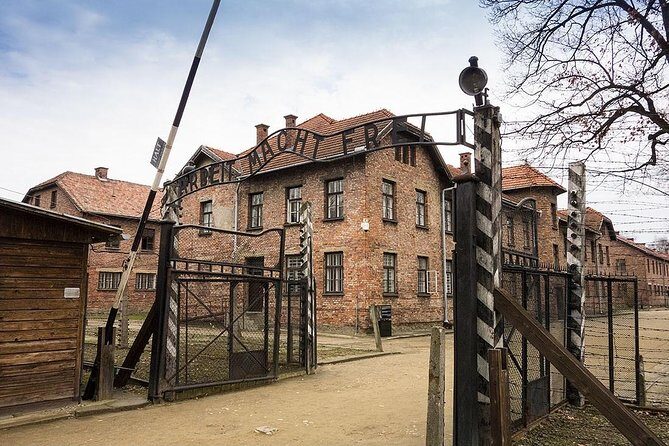
The first stop is at Panstwowe Muzeum Auschwitz-Birkenau, where you’ll enter the Main Camp (Auschwitz). This portion is built around two things:
1) the permanent exhibition
2) the original buildings and key objects on the grounds of the Main Camp
You’ll spend about 2 hours in this first segment. That’s long enough to get the “what you’re looking at” context from a guide, but it’s still not leisurely. Auschwitz is not a place where you want to rush, yet the schedule is realistic: the tour has to connect you to Birkenau afterward.
A detail that’s genuinely helpful: photos are allowed within the museum area. That means if you want to document your visit, you have a defined place where it’s permitted. Outside the museum areas, rules can be different, so follow the guide and the posted signs.
What I like about the Main Camp block is that it’s not just a highlights walk. You’re guided through the permanent exhibition and the original spaces tied to daily life and the system that ran through the camp. The audio receivers/headphones also matter here. When you’re standing among displays and artifacts, you don’t want to constantly lean toward a guide to catch every sentence.
One more thing: this tour tends to be structured, not a casual Q&A session. If you have specific questions—about terminology, timelines, or the way the camp operated—write them down before you go and ask during the moments your guide opens the floor.
Stop 2: Birkenau—1.5 hours with a guide, plus time afterward
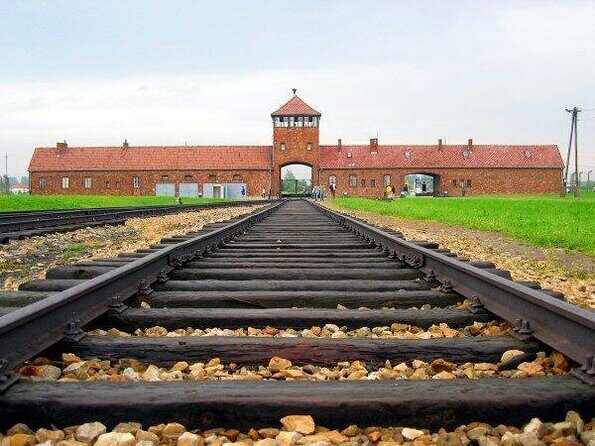
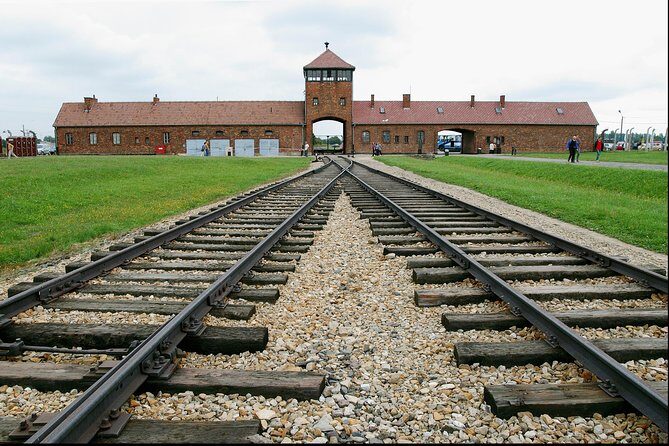
Birkenau (the second camp) is where the scale starts to swallow your sense of distance. Here, the guided portion is about 1.5 hours. You’ll visit important original objects and the most significant areas of the site.
A key point: the guided time is not the whole visit time. Birkenau can feel like it needs more space, more time, and more silence than any schedule allows—so the ability to stay longer (when available and when you follow the site flow) is important.
In fact, one practical advantage noted in field feedback is that it can be possible to extend your time using the on-site shuttle between Auschwitz and Birkenau, which runs frequently (about every 15 minutes). That doesn’t mean you can ignore the group timing, but it can help if you want to linger after the guided component ends.
Also, a note on media and interpretation: you’ll have audio equipment during the guided tour, but some people wish for additional audio options specifically in the Birkenau portion. In practice, that means the guide becomes even more important here—so pay attention, and don’t assume you’ll be able to “figure it out later” without guidance.
The emotional reality is unavoidable. I find it helps to accept that your brain will struggle to hold everything in one pass. Think of the tour as your first guided map—then let the details land slowly as you walk.


Guides and storytelling: why the narration matters
What makes or breaks Auschwitz-Birkenau tours is usually not the transport. It’s the human interpretation.
This tour is described as having professional guides, and the narration is supported by headphones/audio receivers so you’re not competing with noise or distance. In the experiences shared by past participants, guides such as Piotr are singled out for strong knowledge and a delivery that feels careful, not showy.
A quick reality check: even the best guide can only say so much in the time allotted. Some guests report limited moments to ask questions, which can feel frustrating if you want deeper back-and-forth. My practical advice: treat the guide’s talk as the backbone, then rely on your own reading afterward for deeper detail.
And yes, it’s intense. One of the reasons a good guide helps is that they guide you through the site in a way that discourages numbness and distraction. You’re there to understand what happened, not just to tick a box.
Photos, walking, and staying steady during transitions
This is a long day, and it involves real walking on uneven paths. The exact walking distance isn’t spelled out in the tour description, but you should plan for a lot of moving between exhibits and camp areas.
Here’s how I’d approach it so you’re not wrecked by hour three:
- Keep your expectations simple: follow the guide first, then slow down in the areas where you can.
- Bring a pen-and-paper or notes app for questions, because some of the guided time can feel like a one-way flow.
- Use the audio receivers even if you think you don’t need them. In Auschwitz and Birkenau, “not catching a detail” can mean losing context for the next stop.
Photos: since photography is allowed within the museum, you may want to take a few strategic shots—then put the phone away. The goal isn’t an album; it’s witnessing and learning.
And if you’re the type who gets stressed by schedules, remember: this tour is built to keep you on track between two major areas. That’s why it works better than going completely DIY.
Who this tour is best for (and who might want a different format)
This tour fits best if you want:
- Hotel pickup in Katowice
- Skip-the-line access
- A guided structure that tells you what you’re looking at
- English narration
- A manageable group size (up to 30)
You might consider a different format if:
- You strongly prefer lots of quiet time with no structured pacing
- You need frequent opportunities to ask questions during the visit
- You’re worried about the day feeling too tight (Auschwitz 2 hours + Birkenau 1.5 hours is the core schedule)
That said, even people who felt the Auschwitz segment could be tight still recommended going. Auschwitz-Birkenau has a way of making “tight” feel small—so if you’re on the fence, don’t skip it because the schedule is strict. Go because it matters, and use the guide time to get your bearings fast.
Should you book this Auschwitz-Birkenau tour from Katowice?
My honest take: yes, book it if you’re staying in Katowice and you want a guided, organized, English-day that removes the hardest parts of planning. For about $109.33, the value is in skip-the-line entry, guided museum time, audio support, and door-to-door transport in an air-conditioned vehicle.
I’d book with your eyes open about two things: the day is time-structured, and communication about exact pickup timing can be a weak point on some days for some guests. If you’re sensitive to that, plan to double-check your pickup details ahead of time and stay ready a little early.
If your goal is to “see everything,” understand that you won’t. But if your goal is to witness with context, follow a respectful pace, and leave with a clearer map of what you saw, this tour is a solid, practical choice.
FAQ
How long is the Auschwitz-Birkenau tour from Katowice?
The tour lasts about 5–6 hours total, with the Auschwitz portion around 2 hours and the Birkenau portion around 1.5 hours.
What’s the price and what language is the tour?
The price is $109.33 per person, and the tour is offered in English.
Does this tour include skip-the-line entry?
Yes. It includes a skip-the-line ticket for quicker entry to the Auschwitz-Birkenau Museum.
Is lunch included?
No. Lunch is not included.
Do I get headphones or audio equipment?
Yes. During the guided tour you’ll receive audio receivers and headphones.
Can I take photos at Auschwitz-Birkenau?
You’re allowed to take photos within the museum area.
Is hotel pickup included, and where do non-hotel stays meet?
Pickup is offered in Katowice. If you’re not staying at a hotel (like an apartment), the pickup point is at Mariacka 11 Street (Silesia Trip & Hotels Office).
What should I bring for entry?
Bring an ID card or passport. You’ll need it for the tour.
How big is the group?
The tour has a maximum of 30 travelers.
What happens if the weather is bad?
This experience requires good weather. If it’s canceled due to poor weather, you’ll be offered a different date or a full refund.
Is this tour refundable if I cancel?
No. It’s non-refundable and can’t be changed for any reason.