REVIEW · KRAKOW
From Krakow: Auschwitz-Birkenau Day Tour with Pickup
Book on GetYourGuide →Operated by Krakow Tours by Krakowdirect · Bookable on GetYourGuide
Auschwitz hits you before you even arrive. This Krakow day tour keeps the hard parts simple: pickup in central Krakow plus a documentary on the ride, so you arrive with context and a clear plan for what to see. I especially like how they build in orientation stops like the Judenrampe, instead of dropping you straight into the chaos.
The second thing I like is the balance of structure and flexibility. Depending on your option, you get an official route guide/booklet and either a professional guide or self-guided time at Auschwitz I and Auschwitz II-Birkenau—with skip-the-line tickets available on some guided options. The main drawback to consider is time: self-guided hours inside the camps can feel tight, and the day can run long depending on memorial pacing and visitor flow.
In This Review
- Key Things to Know Before You Go
- Auschwitz-Birkenau From Krakow: Value, Tone, and What Makes This One Work
- The Radisson Blu Pickup and the 75-Minute Drive That Sets the Mood
- Judenrampe: A Short Stop That Changes How You See the Camps
- Auschwitz I: Block 11, Executions, and the First Layer of Terror
- A practical tip for your mindset
- Birkenau Transition: A Short Break Before the Scale Hits
- Auschwitz II-Birkenau: Gas Chambers, Crematoria, and Why the Guided Option Helps
- What you’ll likely notice in Birkenau
- Timing, Walking Pace, and the Bus Connections That Can Make or Break Your Day
- What’s Included: Documentary, Official Entry, Host Support, and Route Materials
- Staffing Quality: Drivers and Guides Who Keep It Respectful
- Price and Logistics: Why $22 Can Still Feel Like a Lot
- Who This Tour Suits (and Who Should Look Elsewhere)
- Should You Book This Auschwitz-Birkenau Day Tour?
- FAQ
- How long is the Auschwitz-Birkenau day tour from Krakow with pickup?
- Is the tour guided or self-guided?
- What stops are included during the visit?
- Where do I meet in Krakow?
- What should I bring, and what’s not allowed?
- Is this tour suitable for wheelchair users or mobility impairments?
Key Things to Know Before You Go
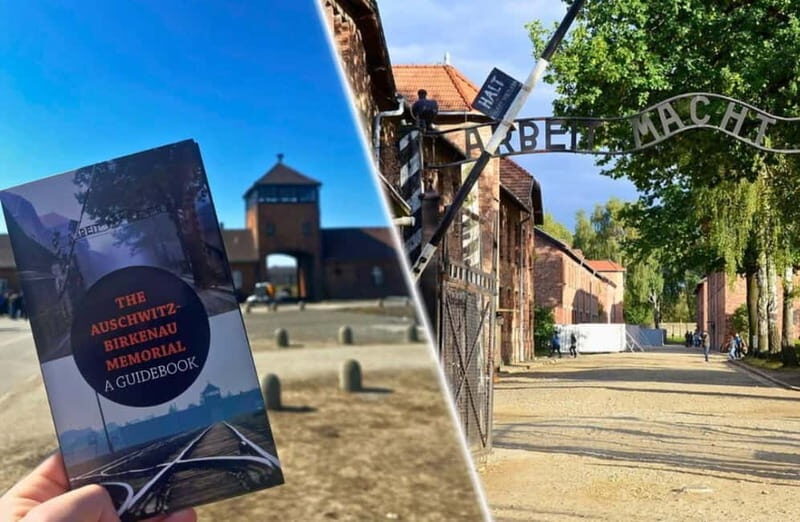
- Pickup at Radisson Blu (Tourist Bus Stop) with multiple Krakow drop-offs so you don’t have to think about logistics all day
- Documentary film during the 75-minute drive to Auschwitz-Birkenau so the visit starts with context
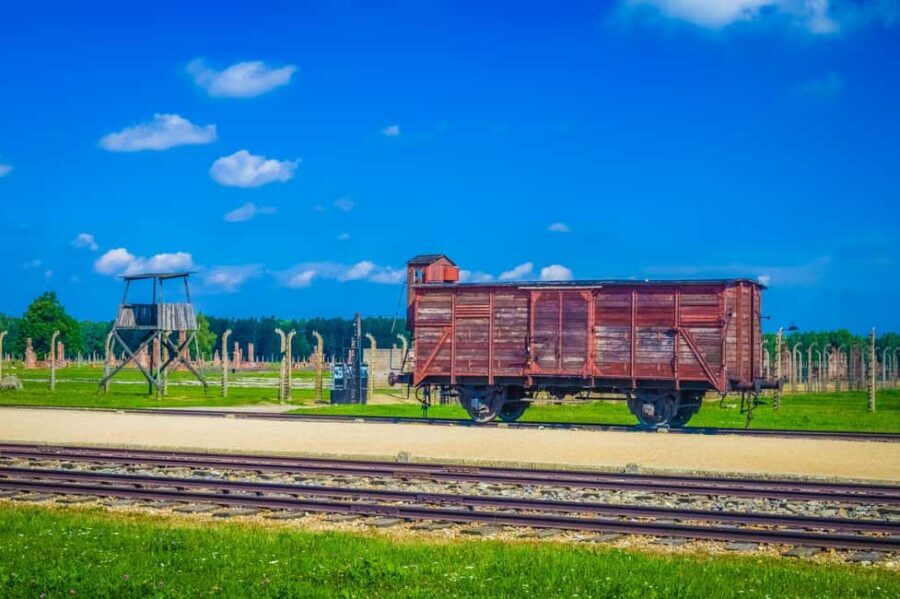
- Judenrampe stop early on, plus the chance to see the original camp train car
- Auschwitz I first, including places like Block 11 and SS administrative areas, then a shift to the vast scale of Birkenau
- Guided vs self-guided options, including a professional guide for Auschwitz-Birkenau on some departures
- A pace set by memorial rules, so plan on approximate timing and expect lots of walking
Auschwitz-Birkenau From Krakow: Value, Tone, and What Makes This One Work
If you’re going to Auschwitz-Birkenau from Krakow, you’re really buying three things: transportation, timing, and interpretation. This tour is priced around $22 per person, which is one of the reasons it’s popular. You’re not just paying for a bus; you’re also getting a structured day with official tickets (on certain guided/skip-the-line options), an English-speaking tour host, and an approach that tries to keep the flow respectful and organized.
What makes this setup workable is that it tries to prevent the two biggest mistakes people make on day trips: arriving unprepared and getting lost inside a site that doesn’t forgive confusion. A drive that includes a documentary helps you start with basic background. Then you go in with a plan, either via a route booklet (map + descriptions, when that option is selected) or with live guidance (when you choose the guided alternative).
The emotional weight is the same no matter who runs the bus. But the comfort and clarity you get from a well-run pickup and a clear route can make the difference between a stressful day and a day you can actually take in.
You can also read our reviews of more tours and experiences in Krakow.
The Radisson Blu Pickup and the 75-Minute Drive That Sets the Mood
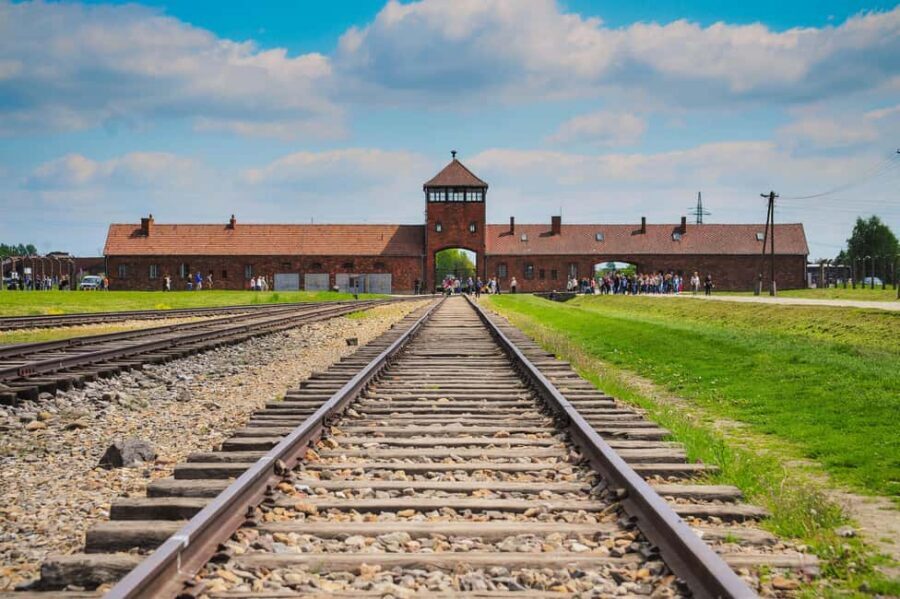
Your day begins in Krakow. You meet at the Radisson Blu Hotel, at the Tourist Bus Stop, and you’re asked to arrive about 15 minutes early. From there, you’re taken by modern vehicle for roughly 75 minutes to Auschwitz-Birkenau.
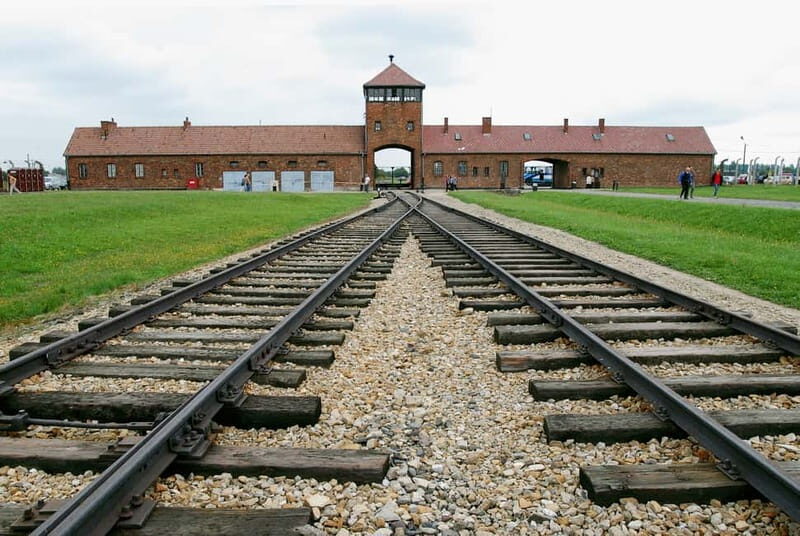
The ride is more than transit. The tour includes a documentary film about Auschwitz shown on the way, which is a smart move. It gives you a mental framework before you see the physical evidence. That matters, because once you’re there, your brain wants to categorize everything fast—buildings, gates, rails, signage, uniforms—while your heart is trying to process what you’re looking at.
On some departures, the exact timing of inclusions can vary. So I’d treat the documentary as part of the intended plan, not a promise carved in stone. Either way, the schedule is clear: documentary first, then arrival procedures.
You should also know that pickup times can shift. The tour operator warns that your pickup may fall between 5:00 AM and 11:00 AM, and changes are often 30–60 minutes, sometimes more. If a change is necessary, you’ll typically be informed 12–24 hours beforehand via email and/or WhatsApp. I’d build in flexibility the way you would for any early start in another country.
Judenrampe: A Short Stop That Changes How You See the Camps
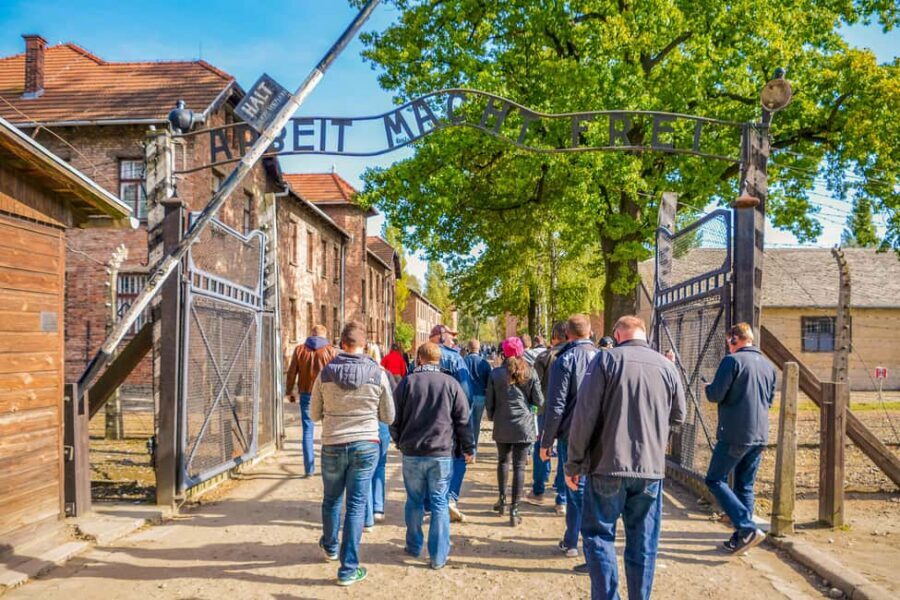
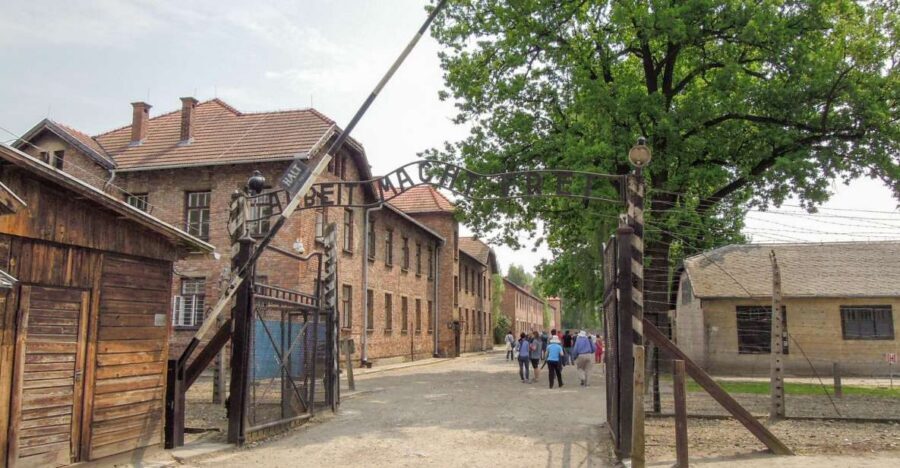
Before you fully enter Auschwitz I, you make a stop at the Judenrampe area. This is one of those moments that’s easy to underestimate because it doesn’t take long, but it can reframe the whole visit.
Here you get about 30 minutes for a self-guided orientation and, importantly, you can see the original camp train car. That detail matters. It anchors what happened in a very concrete way: the arrival system, the rails, the sorting process. You’re not just reading history afterward—you’re connecting it to the physical location.
This stop also helps you avoid a common mental problem. If you go straight to the first blocks without orientation, the camp can feel like a collection of sights. With Judenrampe in place first, the rest of Auschwitz I tends to make more sense.
Auschwitz I: Block 11, Executions, and the First Layer of Terror
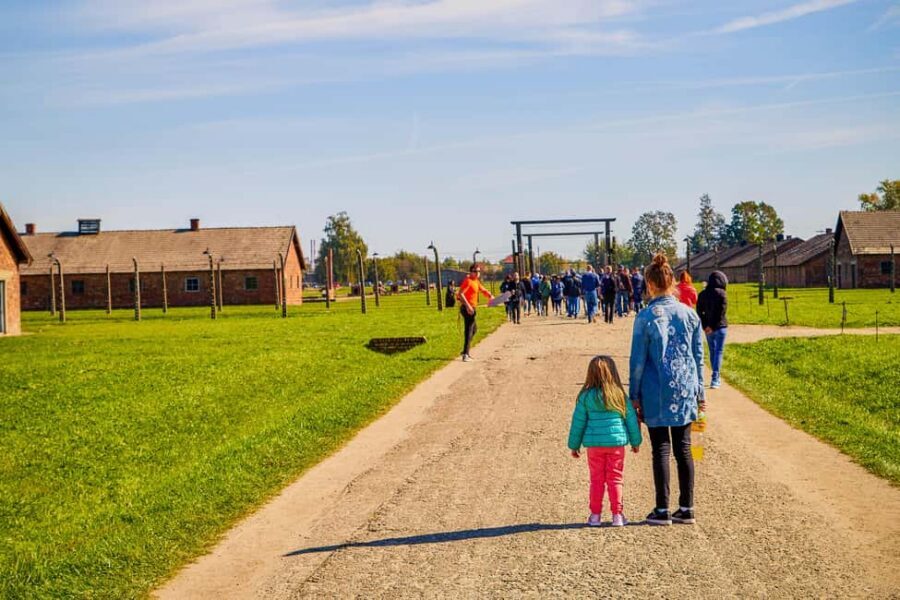
Auschwitz I is the original camp complex, established in 1940. On this tour, it’s typically the first major stop after Judenrampe and short transit time. You’re given about two hours for visiting Auschwitz I (self-guided in the standard flow described here).
This is where you’ll feel the history get close and personal. Auschwitz I includes key locations such as Block 11 (the central prison of the camp complex), the camp commandant’s office, and various SS administrative buildings. The camp was also the site of the first mass killings using Zyklon B. In other words: you’re not just looking at structures—you’re looking at the machinery of persecution.
You also encounter the realities behind executions and inhumane medical experiments. The buildings are stark and specific, and the walls keep their own kind of record. That’s why time matters here. You need enough hours to read, pause, and look—without rushing.
A practical tip for your mindset
Don’t try to see everything in one emotional sprint. I like to treat Auschwitz I as the place to understand the system—what was happening, where people were held, and how control was enforced. If you jump straight to Birkenau’s scale first, Auschwitz I can feel less meaningful.


Birkenau Transition: A Short Break Before the Scale Hits
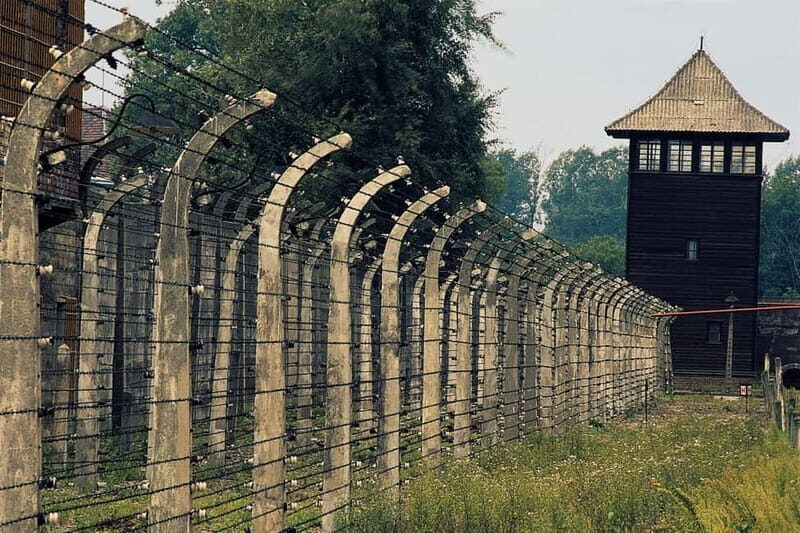
After Auschwitz I, there’s a short break and then you move on to Auschwitz II-Birkenau. The logistics are simple—short bus transfer times between stops—but the shift in what you’re about to see is huge.
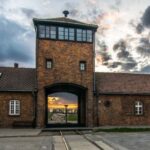
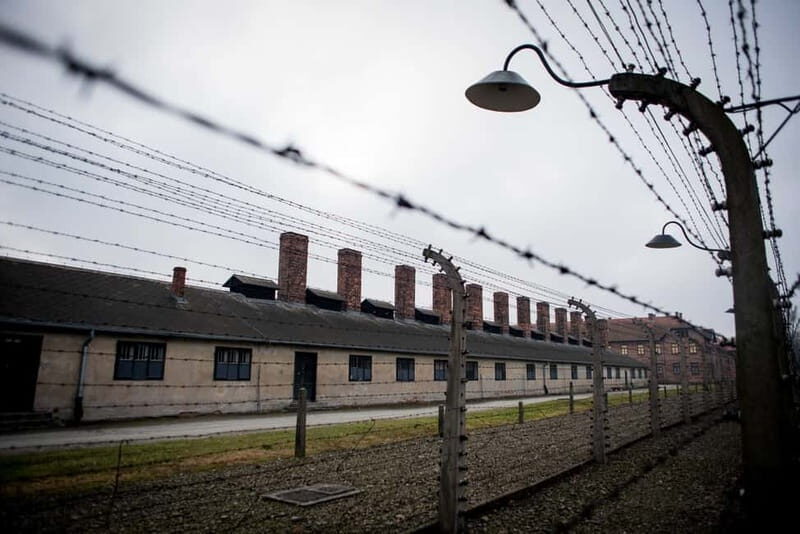
Birkenau covers nearly 200 hectares. It’s the largest Nazi extermination facility, built to carry out the Final Solution, and it’s where around one million Jews were murdered, along with other targeted groups. The camp infrastructure is extensive: remains of gas chambers and crematoria, primitive prisoner barracks, and the layout that made mass processing possible.
So yes, you’re going from one hard reality to an even bigger one. That’s why the break matters. Even a small pause helps you reset so you don’t carry exhaustion into the parts where you most need attention.
Auschwitz II-Birkenau: Gas Chambers, Crematoria, and Why the Guided Option Helps
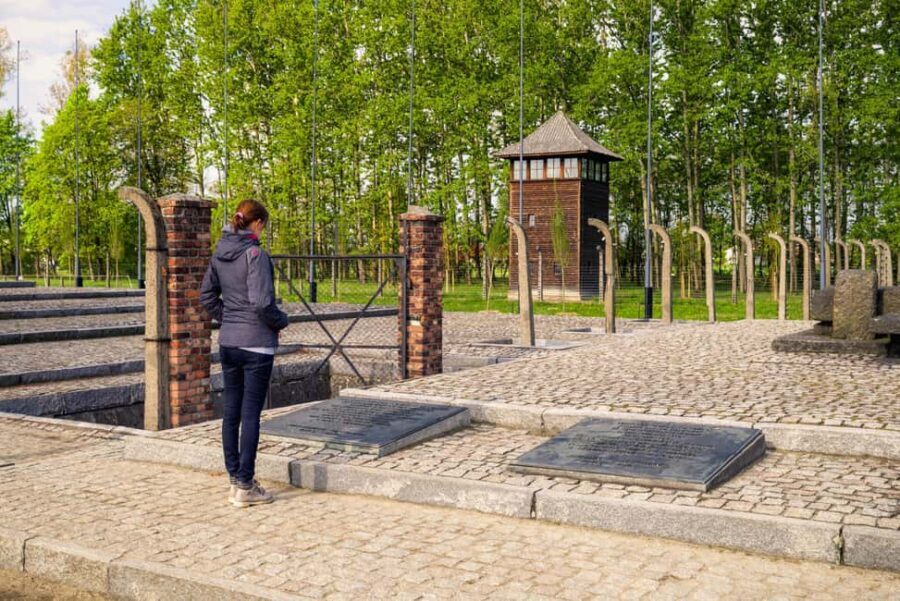
Birkenau is the big one. Expect to see the remnants of gas chambers and crematoria, plus the prison barracks and much of the transport-and-surveillance layout.
In the self-guided option, you’re looking at about 1 hour for Auschwitz II-Birkenau. In the guided option, the tour includes a professional guide for a longer guided segment at Birkenau—around 3.5 hours, depending on what you selected.
That’s a major decision point for your experience.
- If you choose self-guided, you’ll need to read fast and make choices about what to focus on. It’s doable, but you’ll feel the time limit.
- If you choose guided, you’re more likely to get the “what am I looking at?” answers while you’re still standing in front of the relevant remains. That’s a big emotional relief. It also tends to make the history stick better because the explanations come in the right place, at the right moment.
Some people also find that audio equipment can vary by camp segment. In at least one experience from earlier years, headphones and a transmitter were used during one part of the tour but not during the second camp. I can’t promise it will happen the same way on your departure, but it’s worth knowing that systems can change.
What you’ll likely notice in Birkenau
The sheer scale can feel unreal. You may also spot unfinished huts and long rows of barracks—details that make it clear this was a working system, not a single site of atrocity. By 1944, it held over 100,000 prisoners at once, including Jews, Poles, Roma, and other groups. Seeing the layout helps you understand how “industrial” processing was made possible.
Timing, Walking Pace, and the Bus Connections That Can Make or Break Your Day
This is not a leisurely day trip. It’s a structured visit with movement between sites and a pace influenced by memorial visitor service regulations. On paper, the trip is listed as about 7 hours (570 minutes), and options can run longer—up to 11 hours depending on what you select.
You should also plan for the reality of your day’s timing:
- Travel time is roughly 75 minutes each way.
- There are short transfers between Auschwitz I and Birkenau.
- Your time inside the camps is limited by scheduled entry flow and tour routing.
One important practical issue came up in real-life experience: finishing at one camp later than expected can affect whether you catch the last internal bus timing to move to the next area. In that case, a guide helped adjust so the group still got to see a key segment before the final transit window.
So here’s my direct advice: don’t treat the schedule like a casual suggestion. If you have an option with specific entry times (for example, a stated time slot for Auschwitz I), respect it. And if your route is self-guided, keep an eye on your time so you don’t get stuck in a single block longer than planned.
Also, the tour is not suitable for wheelchair users and people with mobility impairments. Even beyond that, there’s lots of walking, standing, and stairs. Comfortable shoes are not a nice-to-have here—they’re survival gear.
What’s Included: Documentary, Official Entry, Host Support, and Route Materials
Here’s what this tour gives you, based on the options selected:
- Pickup and round-trip transportation by modern vehicle
- An English-speaking tour host throughout the trip
- A documentary film on the way to the memorial
- Official entry tickets (and skip-the-line tickets only if you selected a guided + skip-the-line option)
- A guided segment at Auschwitz-Birkenau (about 3.5 hours) only if you choose one of the guided options
- A brochure/booklet with maps and a suggested tour route only if you choose one of the booklet options
- Insurance is included
Food and drinks are not included. This matters because a long day plus emotional intensity means your energy can drop faster than usual. I’d plan to bring what you need in a way that fits the site rules, and at least assume you’ll need something simple to stay steady.
You should also know what you’re not allowed to bring: luggage or large bags, and alcohol or drugs. Pack light so you don’t lose time at security or regret your bag choice later.
Staffing Quality: Drivers and Guides Who Keep It Respectful
Auschwitz is a place where tone matters. The goal is not to be overly dramatic or cold—it’s to be accurate, careful, and respectful.
People have praised drivers and guides who explain clearly at each stop and manage questions with a sympathetic but realistic approach. Names that came up include Mati, Wojciech, Michał, Kris, Gregor, Jack, and Andre—plus hosts who help groups stay together and navigate the memorial procedures.
Even if you don’t know who you’ll get, you can infer a lot from the structure: the tour limits group size (maximum 30 visitors per guide), uses a host for the whole trip, and adapts the day based on memorial regulations. That usually correlates with fewer chaos moments and less guesswork.
Price and Logistics: Why $22 Can Still Feel Like a Lot
Let’s talk value. At around $22 per person, this day tour can look like a bargain—especially if you compare it to the cost of doing solo transport and buying tickets separately plus dealing with language and timing on your own.
But value isn’t only price. It’s what you get for your limited time in Auschwitz-Birkenau:
- Transportation from Krakow with pickup is a big part of the cost savings.
- The documentary and host support reduce mental load.
- The booklet or guided explanation helps you get more meaning out of the same physical remains.
The trade-off is that you may not get the slow, unhurried experience you’d want at Auschwitz II-Birkenau unless you pick the guided option with more time. If you know you prefer interpretation over reading quietly, the guided alternative is usually worth considering.
Also watch for timing changes. If your pickup time moves, the day starts earlier or later than your voucher suggests. For some people, that was a transparency issue. For others, it was handled smoothly. Bottom line: plan to stay flexible.
Who This Tour Suits (and Who Should Look Elsewhere)
This Auschwitz-Birkenau day tour is a strong fit if you want:
- Easy pickup and drop-off in Krakow
- A structured route that hits Auschwitz I and Auschwitz II-Birkenau in one day
- Either self-guided flexibility with a route guide or a live professional guide at Birkenau
It’s a weaker fit if:
- You need wheelchair access or have serious mobility limits (it’s not suitable for wheelchair users)
- You can’t handle a long day with lots of walking and stairs
- You want tons of free time to wander slowly without a guided pace
If you’re unsure, decide based on how you process history. Some people want time alone with the site. Others need explanations right where the evidence is. The option you pick changes that experience a lot.
Should You Book This Auschwitz-Birkenau Day Tour?
I think you should book this tour if you value clear logistics from Krakow and you want a plan that helps you see both Auschwitz I and Auschwitz II-Birkenau without spending days organizing transport and entry timing. The documentary start, the Judenrampe orientation, and the host support make it easier to focus on the visit rather than the logistics.
Skip it (or choose a different format) if you’re worried about limited time at Birkenau or you know you struggle with long walking days. In that case, the self-guided timing may feel too short. If you choose the guided option with more time at Auschwitz II-Birkenau, you’ll likely get a more coherent experience.
If you book, do two things for yourself: pack light with good shoes, and treat the schedule as firm. Auschwitz rewards attention. It doesn’t reward dawdling, and it doesn’t reward getting behind.
FAQ
How long is the Auschwitz-Birkenau day tour from Krakow with pickup?
The duration is listed as about 7 hours (570 minutes), and it can run longer depending on the selected option (up to 11 hours).
Is the tour guided or self-guided?
It depends on your selected option. The visit includes self-guided time, and one option includes a 3.5-hour guided tour of Auschwitz-Birkenau with a professional guide. There are also booklet options that provide maps and a suggested tour route.
What stops are included during the visit?
You visit Auschwitz I and Auschwitz II-Birkenau, with a stop at the Judenrampe (about 30 minutes) before Auschwitz I. You also see the original camp train car at the Judenrampe stop.
Where do I meet in Krakow?
You meet in front of the entrance to the Radisson Blu Hotel at the Tourist Bus Stop. Arrive 15 minutes before your confirmed pickup time.
What should I bring, and what’s not allowed?
Bring a passport or ID card and wear comfortable shoes. Large bags or luggage are not allowed, and alcohol and drugs are not allowed.
Is this tour suitable for wheelchair users or mobility impairments?
No. The tour is listed as not suitable for people with mobility impairments and wheelchair users.