REVIEW · WROCLAW
Jewels of Lower Silesia Full-Day Tour from Wroclaw
Book on GetYourGuide →Operated by Viadrina Tours · Bookable on GetYourGuide
Eight hours, three unforgettable stops. This Lower Silesia tour blends Książ Castle with underground WWII secrets, then finishes at the Church of Peace in Świdnica, a UNESCO oddball you will not forget. The pacing is smooth in a small group, and the local guides (including names like Adam and Maciej) are the kind who make history feel usable, not like homework.
What I like most is practical: the tour includes skipping the ticket line, and you also get an English audio guide for the tunnels. The one real consideration is physical: the tunnels run cool and damp (about 8–9°C) and you should expect a lot of stairs, including descending and climbing back up.
In This Review
- Key highlights at a glance
- Książ Castle: more than a pretty palace
- Książ Castle tunnels: cool air, wet walls, and WWII secrets
- The Church of Peace in Świdnica: UNESCO you can actually feel
- How the day actually works: transport and small-group pacing
- Price and value: what $153 buys you in real terms
- Who should book this tour (and who might skip it)
- Should you book the Jewels of Lower Silesia full-day tour?
- FAQ
- How long is the Jewels of Lower Silesia tour from Wrocław?
- What’s included in the price?
- Is lunch included?
- Where is the meeting point?
- Are the Książ tunnels accessible for children and older visitors?
- What should I expect in the tunnels in terms of temperature and movement?
Key highlights at a glance
- Skip the ticket line at Książ, so you lose less time to queues
- Książ Castle on a grand scale, known as the Pearl of Lower Silesia
- Książ tunnels under WWII secrets, guided with an in-tunnel audio guide
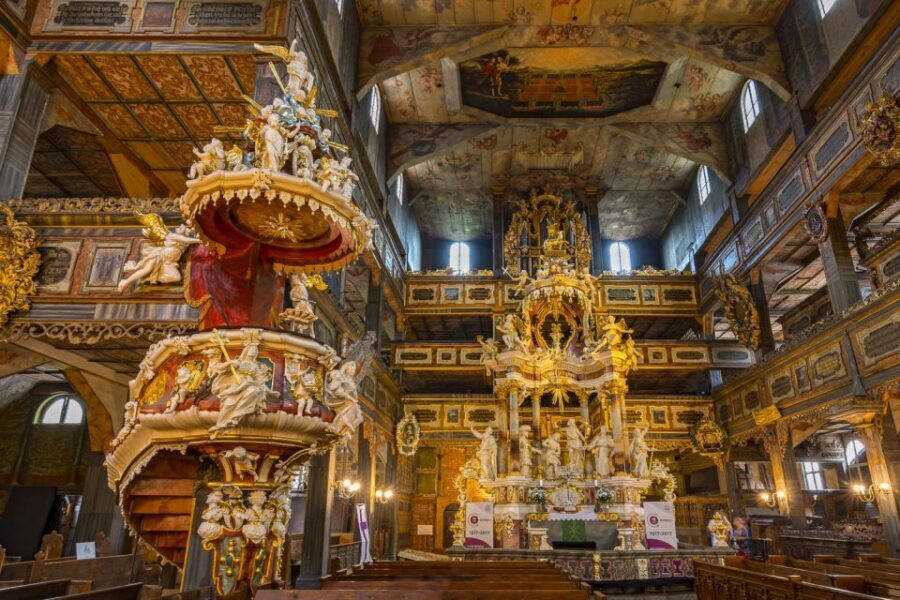
- Church of Peace (UNESCO) built in the 17th century using wood, straw, and clay
- Small group of up to 8, with plenty of direction from your guide
Książ Castle: more than a pretty palace
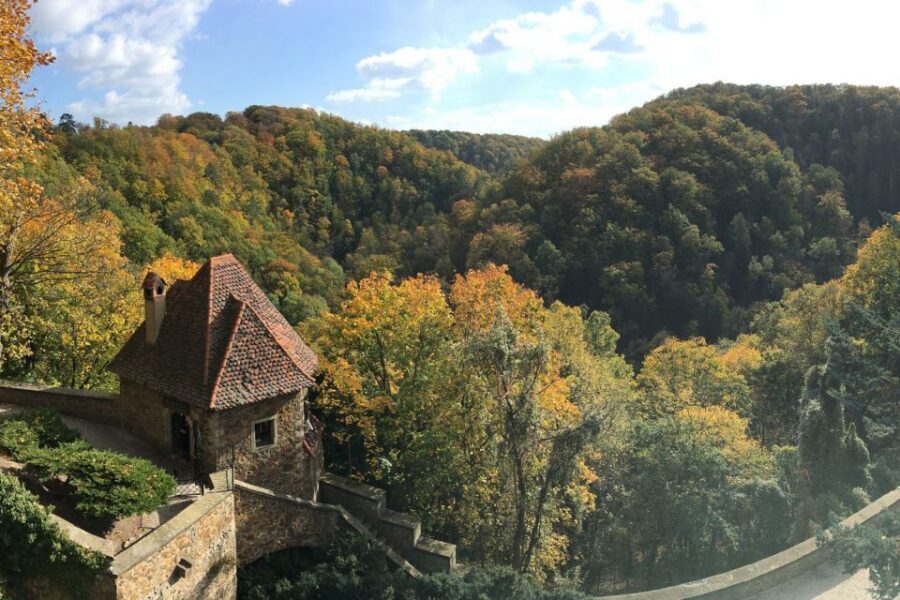
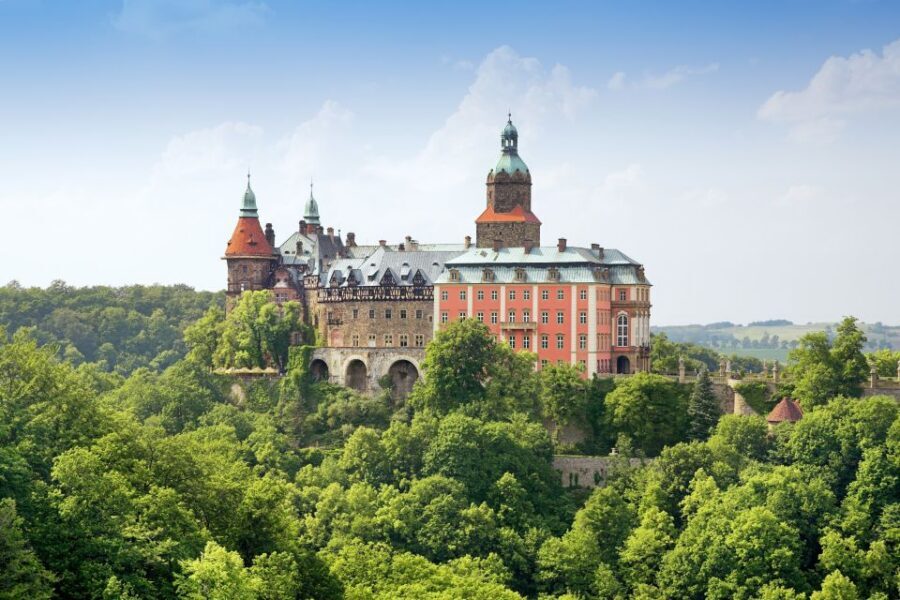
Książ Castle is the anchor of this day. It’s the 3rd largest castle in Poland, and it sits in the valley of the River Pelcznica, which helps explain why the estate looks so dramatic from the roads above. On the ground, you get that mix of “grand halls” and “layers of time,” because Książ uses multiple architectural styles, not just one neat period look.
I love that the visit is structured around a guided story, not random wandering. You spend time in the representative parts of the castle and get the family arc—how the fortune rose, how high society behaved, and where the scandals and tragedies fit. That context matters here. Without it, big rooms can feel like pretty walls. With it, you start noticing the clues: what sort of guests were hosted, the scale of power the family held, and why so many later mysteries linger.
One detail that adds punch to the castle story is the list of heavy hitters tied to Książ’s past. You may hear how it hosted distinguished guests such as John Quincy Adams, Winston Churchill, and emperors connected to Germany and Russia. I like that the guide doesn’t just name-drop; the names help you picture how international this region felt when Europe’s borders and empires were shifting.
Time inside Książ can’t stretch forever in an 8-hour day, so it helps to be ready for the castle to feel like a highlight reel rather than an everything-tour. If you love architecture and could spend hours comparing rooms, you’ll still enjoy this, but you’ll likely want more time in the future to return and slow down.
A few more Wroclaw tours and experiences worth a look
Książ Castle tunnels: cool air, wet walls, and WWII secrets
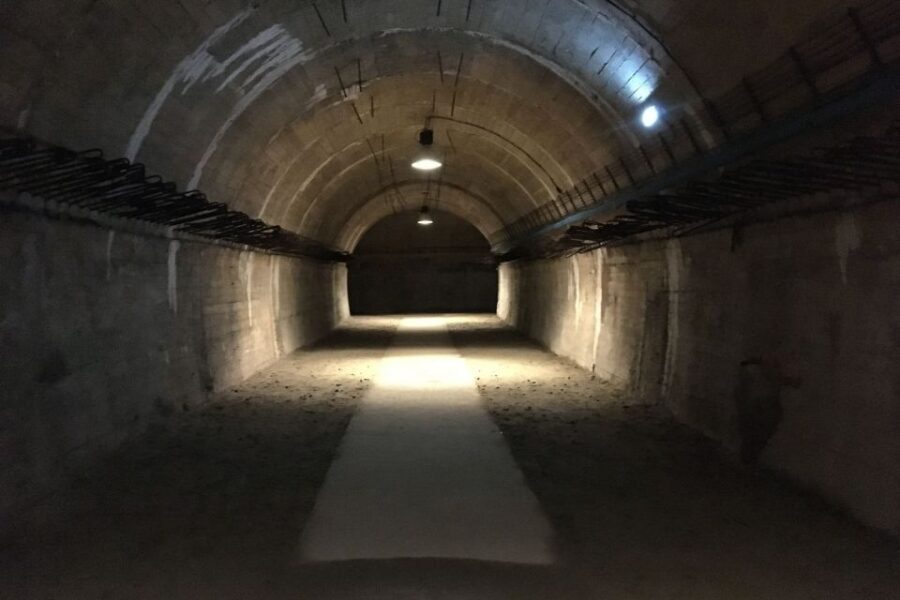
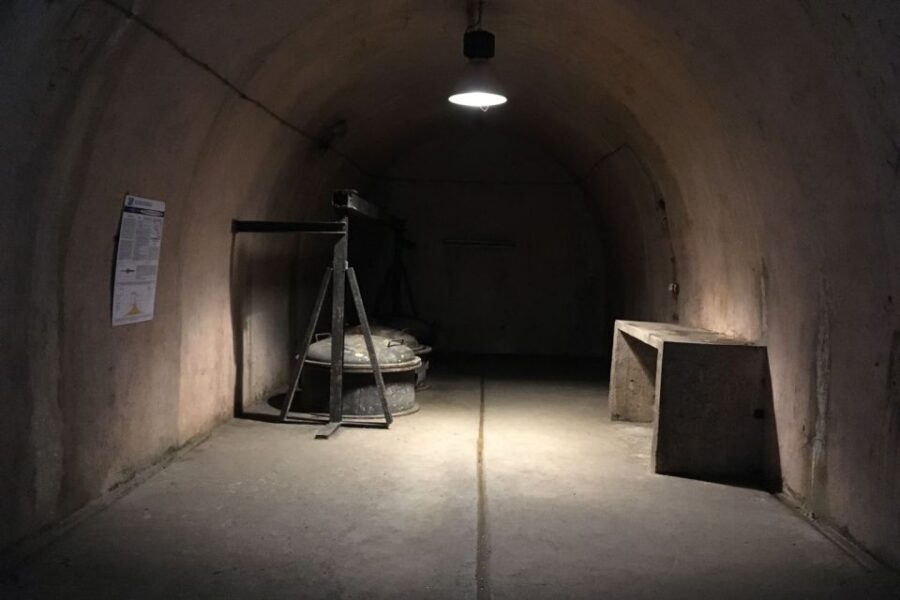
Then you drop into the part people remember. The Książ tunnels are the WWII layer hidden deep beneath the castle, and the experience has a very different mood than the bright rooms above. It’s stable, air-conditioned cool: plan for about 8–9°C with humidity above 80%. Even in mild weather outside, you will feel it once you start down.
What I appreciate is that the tour doesn’t treat the tunnels like a quick photo stop. You get access and an in-tunnel audio guide in English, with other languages also listed: German, Polish, Ukrainian, Spanish, and Italian. That matters because tunnels are all about atmosphere—hard to read, hard to interpret—so audio helps you connect the dots while you walk.
The other big reality check is the stairs. Access requires significant stair climbing and descending, described as comparable to walking up to about the 5th floor. It’s not just one ladder of doom, either. The return trip is tiring because you are going back up in the same damp, chilly environment. If you want this stop to feel fun rather than miserable, pace yourself and plan to use the handrails.
Age and suitability are important here. Access to the underground tunnels is only for children aged 4 and older, and the tour is listed as not suitable for people over 70. That isn’t a “maybe” policy; it’s built into the experience design. If you’re traveling with mixed ages, you’ll want to decide early who is going underground so nobody gets stuck mid-day.
For what to wear, I’d treat it like a two-layer day: something warm for the tunnel temps, plus shoes that handle damp stone and steps. You’ll be glad you didn’t rely on a thin jacket.
The Church of Peace in Świdnica: UNESCO you can actually feel
After the tunnels, you end on a totally different kind of wow: the Church of Peace in Świdnica. This is a UNESCO World Heritage Site and a masterpiece of sacred art built in the 17th century. The most surprising part is the construction story. It was originally built by Protestants using wood, straw, and clay, which makes it different from the stone-cathedral idea many people carry in their heads.
The interior is where the effect lands. The church mixes that timber-based building concept with a Baroque interior style, so you get a strong contrast between the materials and the visual impact. I like that this stop doesn’t feel like an afterthought. It’s a proper final act with enough time to look closely and appreciate how the design works as a space, not just a historical label.
There’s also an added layer of local history connected to World War I. Świdnica is the birthplace of Manfred von Richthofen, known as the Red Baron. The tour includes a chance to see his modest house. It’s brief, but it’s a strong way to pull the region into the 20th century without breaking the day’s flow.
How the day actually works: transport and small-group pacing
This is a full-day format that starts and ends with a vehicle, so you’re not piecing together buses and train connections. Meeting point is in front of the Nowe Horyzonty cinema near the bus stop, which is simple enough to find. From there, you ride with a driver who’s listed as speaking English and Polish, and you get an English-speaking guide.
The group size is limited to 8 participants, and that makes a visible difference. In a small group, you spend less time waiting at every threshold and more time keeping your momentum. It also helps when you need practical guidance—where to walk, when to regroup, and how to manage tickets and timed entry without confusion.
A pattern I’d watch for in a day like this: tours with great storytelling sometimes move attention away from logistics. The upside is you learn faster. The downside is you have to listen closely when the group is about to enter a site with a timed window (especially the tunnels). My advice: stay near your guide during transitions and don’t drift off for extra photos right before a ticketed segment.
On the upside, the tour is designed to be worry-free in the sense that you aren’t responsible for the heavy lifting of admissions and entry timing. You’re paying for access and guidance, and the day is structured so you actually see the three anchor sites.
Price and value: what $153 buys you in real terms
At about $153 per person for an 8-hour day, this isn’t the cheapest outing in Poland. But it’s not just a transfer between two landmarks either.
Here’s what you’re paying for that supports the value:
- Transportation for the full-day circuit from Wrocław
- An English-speaking guide to connect the sites into one story
- Entrance fees to both Książ Castle and the tunnels
- An included tunnel audio guide in English (plus other languages listed)
The biggest value driver is that you’re not paying extra at each stop for entry and then guessing what to do next. Also, skipping the ticket line helps because time is your most limited resource on a day tour.
One cost you should plan for: lunch is not included. That means your day should include a snack plan or a budget for a meal stop. The good news is that not bundling lunch often gives you flexibility to eat when it suits you.
If you’d otherwise spend hours coordinating transportation and tickets independently, this price starts looking more like convenience with real content attached. If you’re the type who enjoys slow museum time and extra wandering, you might wish it were longer—but for a one-day Lower Silesia hit, the value is strong.
Who should book this tour (and who might skip it)
This tour fits best if you like history with tangible settings: a major castle, WWII underground spaces, and a UNESCO site made with unusual materials. If you enjoy guided context, you’ll get more from the day than if you only want photos.
It also fits travelers who don’t want to stress about navigation. The small group size and active guiding make it easier to manage transitions. I also think it’s a good option for couples and solo travelers because you’re not competing with large crowds for attention.
Who should pause and think first:
- Anyone sensitive to stairs or mobility limits, since the tunnel route involves significant stairs
- Anyone who gets cold easily, because tunnels stay around 8–9°C and are very humid
- Families should note that tunnel access is only for children aged 4 and older
- The tour is listed as not suitable for people over 70
Should you book the Jewels of Lower Silesia full-day tour?
I’d book it if you want a focused, high-impact Lower Silesia day that combines three standout sites with real guidance. The tunnel stop alone is worth considering, but only if you’re comfortable with damp cool air and stairs. Add in the UNESCO Church of Peace and the big-scope feel of Książ, and you get a day that’s not just scenic—it’s structured to explain why these places matter.
If your priority is slow pacing, you might feel rushed. But if your priority is getting the highlights done right, with a small group and built-in admissions, this is a solid choice.
FAQ
How long is the Jewels of Lower Silesia tour from Wrocław?
It lasts 8 hours.
What’s included in the price?
Included are an English-speaking guide, transportation, entrance fees to Książ Castle and the tunnels, and an English audio guide for the tunnels.
Is lunch included?
No, lunch is not included.
Where is the meeting point?
You meet in front of the Nowe Horyzonty cinema close to the bus stop.
Are the Książ tunnels accessible for children and older visitors?
Tunnel access is available only for children aged 4 and older. The tour is also listed as not suitable for people over 70.
What should I expect in the tunnels in terms of temperature and movement?
The tunnels stay at a stable 8–9°C (46–48°F) with humidity over 80%, and you should be ready for a significant number of stairs, including descending and climbing back up.