REVIEW · WARSAW
Warsaw: 3-Hour Panoramic City Bus Tour with Pickup
Book on GetYourGuide →Operated by Local rent a Car · Bookable on GetYourGuide
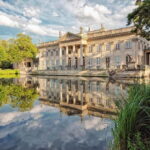
Warsaw’s story hits hard, fast. This 3-hour ride threads Royal Garden Lazienki sights with the WWII sites that explain why the city looks like it does today, and it does it in a small group (max 15) with hotel pickup. It’s an efficient way to get oriented without feeling rushed through big landmarks you’ll actually want to return to later.
What I love most is the way you get clear, human narration from the guide—some groups have had standouts like Chris, Christof, Leo, George, and Olav, and each one seemed to bring the details to life without turning it into a lecture. You also get built-in time on foot in the Old Town so you can pause, look up, and connect the views to the history.
One thing to keep in mind: the bus is air-conditioned, but a heat wave situation can make comfort tricky when the vehicle is stopped for a bit, and English clarity can vary by guide. If you’re sensitive to heat or need crisp explanations, dress for the weather and don’t be shy about asking questions early.
In This Review
- Key takeaways
- First stop: Royal Garden Lazienki, where monuments survived
- The WWII storyline: ghetto uprising to Umschlagplatz
- Old Town drive and walk: Royal Castle rebuilt, St. John’s rebuilt too
- Barbican red-brick detail: defensive design you can still read
- The Warsaw Uprising Monument: why the last stop matters
- What the $58 price really covers (and what you’ll feel you get)
- Logistics you’ll actually care about during the day
- Included extras that make a small difference
- Who this tour fits best in your Warsaw plan
- Should you book this 3-hour Warsaw panoramic bus tour?
- FAQ
- How long is the Warsaw panoramic city bus tour with pickup?
- Do I get hotel pickup and drop-off?
- Is the tour guide English-speaking?
- What’s included, and is food provided?
- What group size should I expect?
- What should I bring for the tour?
Key takeaways
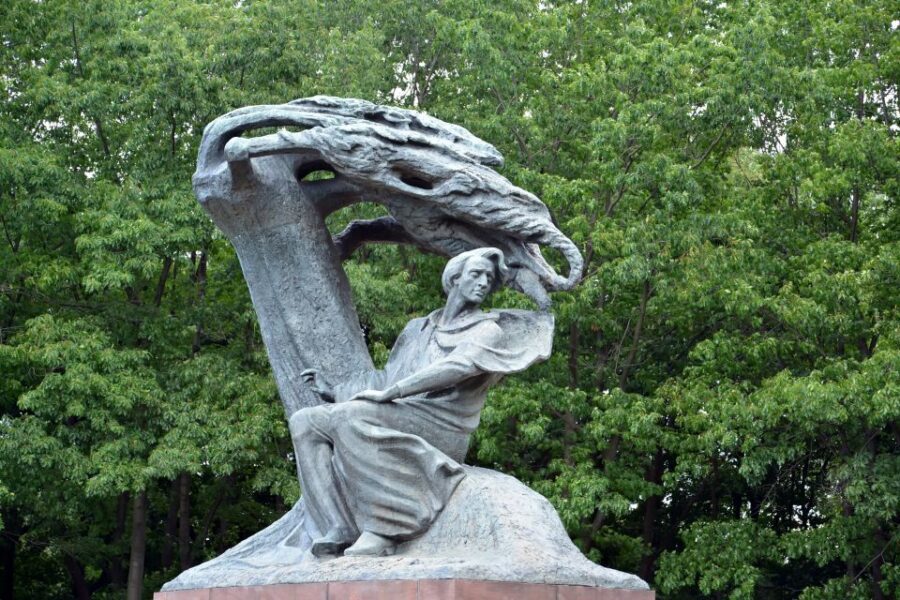
- Royal Garden Lazienki monuments: See 17th-century structures that survived the war, right where Warsaw’s grander side comes into view.
- WWII focus, not vague talking points: The stops are chosen to explain the ghetto uprising and the deportations, including the heartbreaking Umschlagplatz square.
- Old Town walking time: You get to stroll with your guide around the Royal Castle area and key streets, not just stare from a window.
- Architectural contrasts you can spot: Drive by the Royal Castle site (destroyed, then rebuilt) and the Archcathedral Basilica of St. John the Baptist in Masovian Gothic style.
- Barbican with handmade red bricks: A defensive wall detail that’s easy to miss unless someone points it out.
- An emotional finish: The Warsaw Uprising Monument is the kind of stop where a quick photo can’t replace a minute of quiet processing.
First stop: Royal Garden Lazienki, where monuments survived
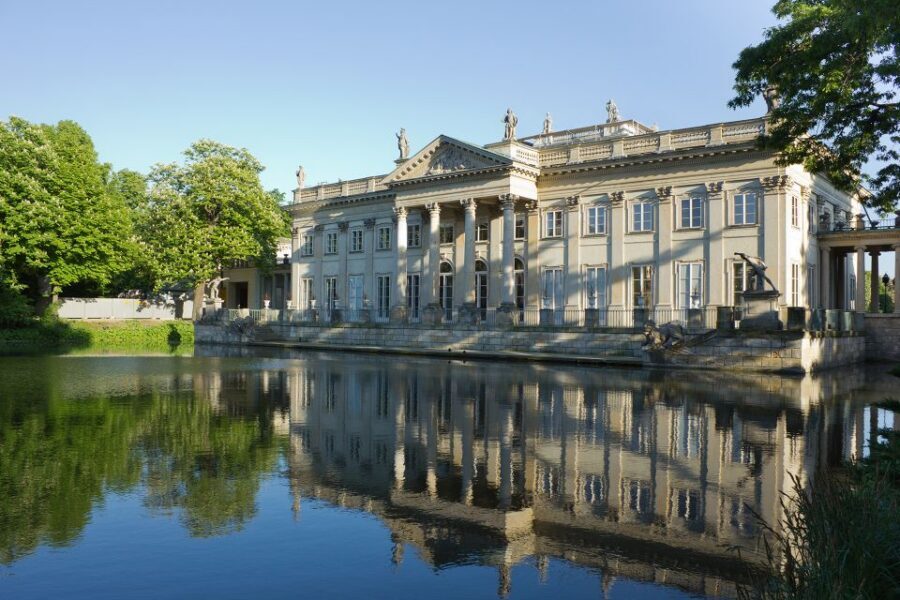
You start at Lazienki Royal Garden, a great choice for a first hour because it sets the tone fast. This isn’t just “pretty park time.” The tour frames what you’re seeing as a kind of historical survivor—structures dating from the 17th century that held their ground through the war years.
From the bus and then the surrounding area, the goal is to help you read Warsaw’s layers: what remained, what was lost, and what came back. The guide’s job here is big—turn a generic skyline view into something you can explain to yourself later. If you like getting your bearings early, this is the part that makes the rest of the day click.
The pace here also matters. Since you’re on a bus for most of the route, you can absorb the setting without burning energy before the emotional WWII stops later.
You can also read our reviews of more city tours in Warsaw
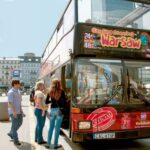
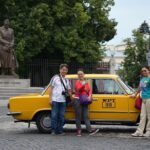

The WWII storyline: ghetto uprising to Umschlagplatz
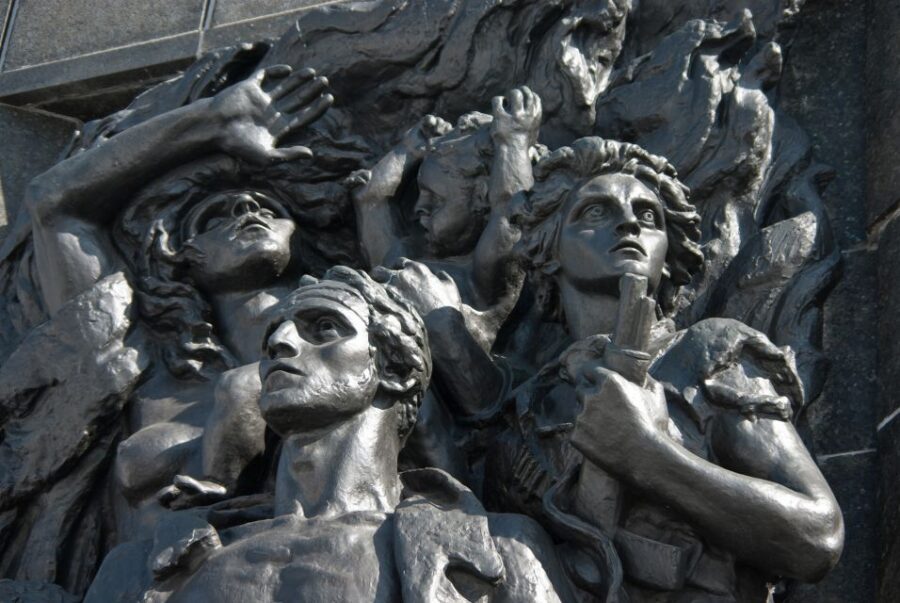
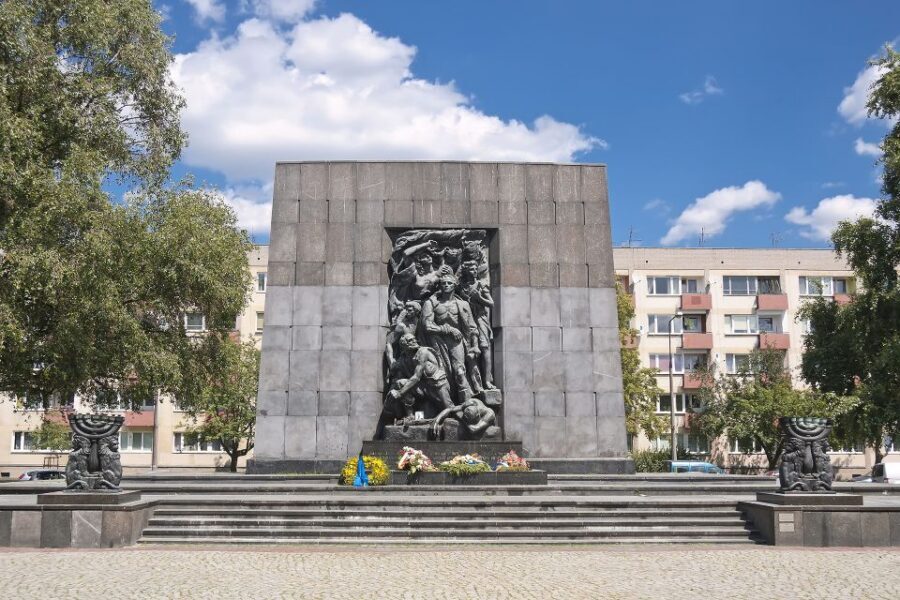
Next comes the Monument to Warsaw Ghetto Heroes. This stop is one of the tour’s anchors because it connects the city’s WWII history to the people who resisted. You’re not expected to memorize dates. You’re guided to understand what the monument commemorates and how that memory sits in modern Warsaw.
Then you go to Umschlagplatz, and this is where the tour’s tone shifts for good. It’s described as a heartbreaking place because it’s tied to how Nazis loaded Jewish people into carriages and transported them to Treblinka. Standing in the location, even briefly, changes how the story lands. It stops being abstract, and it becomes geography.
A practical note: this is the kind of stop where your head fills up quickly. I’d treat it like a moment to pause and absorb, not a checklist item. If you want to ask questions, this is a good time—your guide will be at full context mode, and you’ll get answers that help the rest of Old Town make sense.
Old Town drive and walk: Royal Castle rebuilt, St. John’s rebuilt too

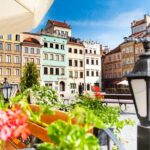
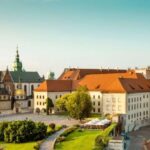
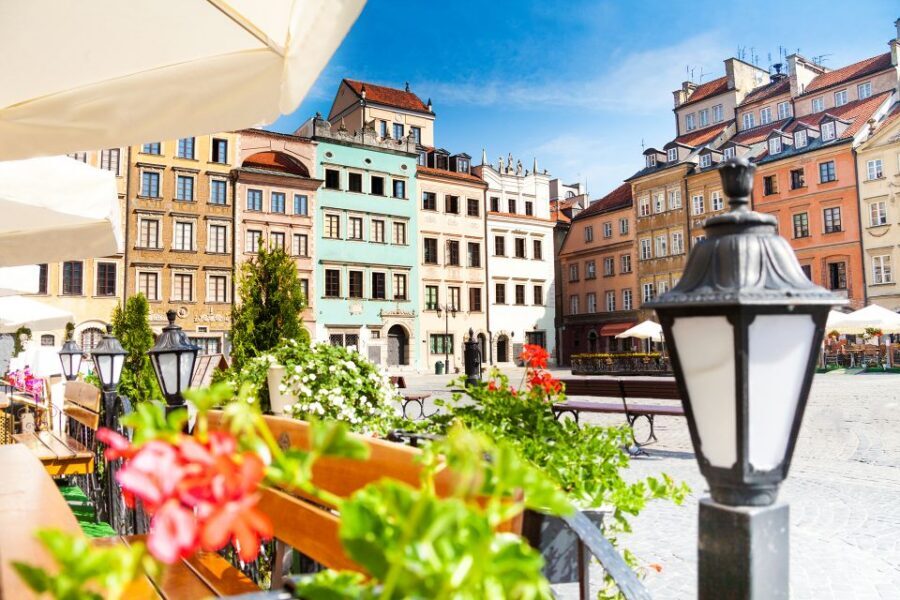
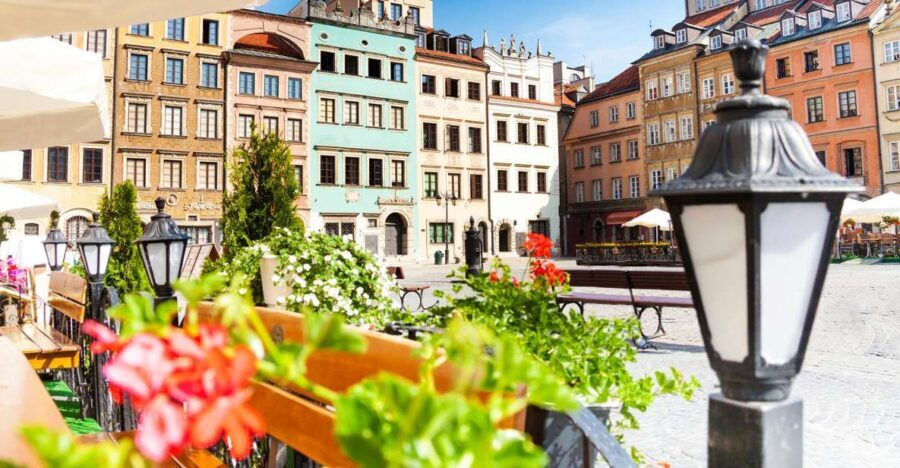
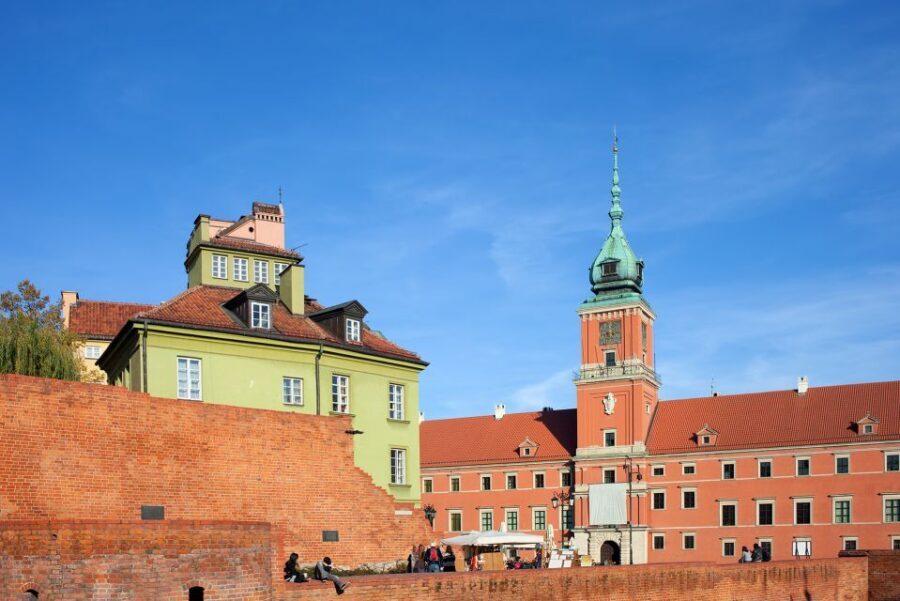
After the WWII stops, the tour moves into Warsaw’s best-known setting: Old Town, including the Royal Castle area. The big detail isn’t just that the Royal Castle is iconic—it’s that it was destroyed during the Warsaw Uprising in 1944 and then rebuilt in 1984. So when you see it in its current form, it comes with a built-in reminder: Warsaw didn’t just preserve its past. It repaired it.
You also drive by the Archcathedral Basilica of St. John the Baptist. This matters because it gives you a second architectural thread to track. The tour highlights its Masovian Gothic style and notes that it experienced destruction and rebuilding similar to the Royal Castle. That parallel helps you connect different buildings into one shared wartime story.
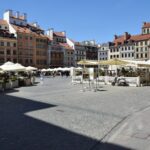
The tour doesn’t dump you into Old Town and hope you figure it out. You get a guided stroll where the guide helps you notice what to look for, including the feel of the old streets and the way the area holds onto its identity. This is where the “panoramic” part still works, but you also get the human-scale experience—standing closer, looking at details, and letting the atmosphere do some of the teaching.
Barbican red-brick detail: defensive design you can still read
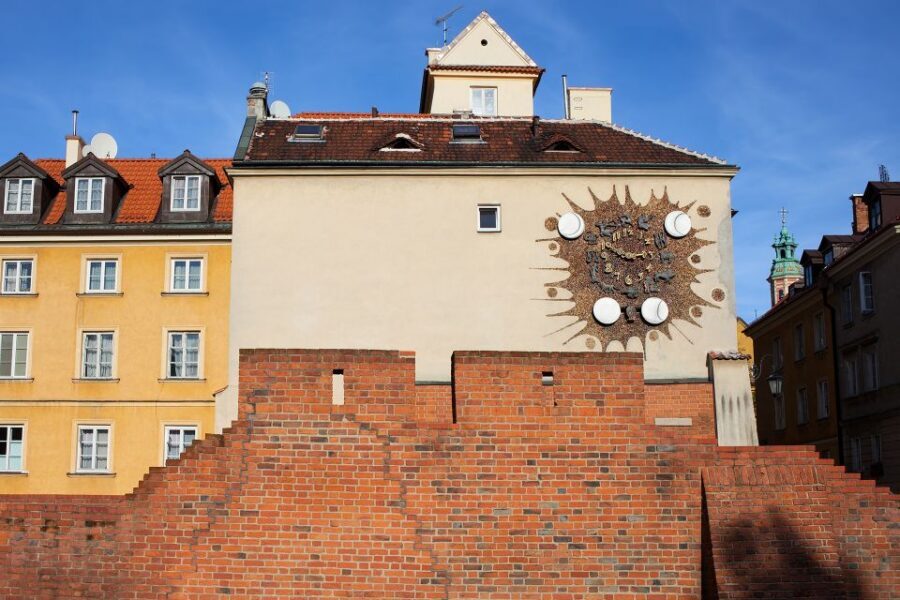
In Old Town, the tour adds a specific structure that many people overlook: Barbican. It’s a defensive wall made in Gothic style, and the tour calls out that it uses handmade red bricks. That’s a detail worth lingering over because it gives you a tangible way to picture older fortifications.
I like this stop because it changes the kind of attention you’re paying. After the heavy WWII sites, you’re back to something physical and visual—materials, shape, and purpose. Even if you’re not a “history architecture” person, you can still appreciate how the building reads as protection, not decoration.
Also, it’s a useful mental reset. The tour includes time to walk and absorb, which helps you process the emotional weight of earlier sites so you don’t just rush from one meaning to the next.
The Warsaw Uprising Monument: why the last stop matters
The tour ends with the Warsaw Uprising Monument, described as the most expressive and symbolic monument in Warsaw. This is the part where you should shift from sightseeing mode into reflection mode. A bus tour can cover a lot quickly, but this ending is intentionally built for a pause—time to take in what you’ve seen and let it settle.
I’d treat it as your decompression stop. Photos are fine, but the real value is the guided context leading up to it, plus the chance to sit with your own thoughts once the route is done. If you’ve been carrying the WWII narrative in your head, the monument gives you a place to organize those feelings into something you can remember later.
A few more Warsaw tours and experiences worth a look


What the $58 price really covers (and what you’ll feel you get)
At $58 per person for a 3-hour tour, you’re paying for more than transportation. You’re paying for three things that add real value in Warsaw:
- Door-to-door hotel pickup and drop-off from city center accommodations, which saves time and avoids guessing your way through local transport.
- Air-conditioned comfort on the main route, plus a small group size (max 15) so the guide can actually manage a conversation rather than shout into a crowd.
- Interpretation at multiple high-meaning sites, including the ghetto uprising and Umschlagplatz, where reading on your own would take longer and still might not land as clearly.
One more small perk that matters in practice: the tour includes traditional Polish candies and soft drinks plus bottled water. It’s not a meal, but it helps you stay comfortable through a full 3-hour block of walking and standing.
If you’re the type who likes to wander independently and you already have a strong plan for WWII sites, you may spend less on your own. But if you want a clear story arc and a guide to point out the key architecture, the price starts to feel fair quickly.
Logistics you’ll actually care about during the day
Here’s how the day tends to feel: mostly riding, then short, guided moments on foot. The walking in Old Town is paced so you can keep up without feeling sprint-y, and it’s short enough that you can still move through the emotional sites without getting worn out. One reason the feedback has been so strong is that groups often leave with a sense that the tour handled timing well—enough stops to understand Warsaw, without dragging on too long.
Because the route includes outdoor time, wear weather-appropriate clothing. Rain can cut the stroll shorter, and heat can make bus comfort feel inconsistent when the vehicle is stopped—those are the two practical factors I’d plan for. Bring layers if the forecast looks shaky.
Also, there are no pets on the tour, so plan accordingly if you’re traveling with an animal.
Included extras that make a small difference
Small comforts add up on a short tour. This one includes:
- Professional English-speaking guide
- Air-conditioned transportation
- Hotel pickup and drop-off
- Traditional Polish candies
- Soft drinks and bottled water
I appreciate the “drink and a snack” setup because it makes it easier to stay focused. When you’re learning heavy WWII context, you don’t want to be thinking about where the next snack is coming from.
What’s not included is food and drinks beyond what’s listed. If you’re doing lunch the same day, plan for it after the tour rather than expecting a full meal break.
Who this tour fits best in your Warsaw plan
This is a great match if you:
- Want a first-day orientation that still takes history seriously.
- Have limited time and want multiple “must-see” areas in one 3-hour block.
- Prefer guidance at emotionally heavy sites, where the wording and context matter.
- Like a small group format (max 15) so the guide can keep things moving at a human pace.
If you’re a hardcore architecture fan who wants long, in-depth museum time, you might want additional stops on your own after this. But as a starter dose of Warsaw—the Royal Garden, Old Town, and the WWII story—this tour does the job fast.
Should you book this 3-hour Warsaw panoramic bus tour?
Yes, I think you should book it if you want a structured, time-efficient introduction to Warsaw that connects the city’s beauty to its WWII reality. The combination of Royal Garden Lazienki, ghetto sites like Umschlagplatz, and the Old Town walk gives you a full narrative arc that’s hard to recreate on the fly—especially if you’re only here for a short window.
Skip it only if you know you want to travel slowly, linger at memorials for long periods, or you already have a deep, self-guided plan for these exact sites. Otherwise, this is one of those tours that leaves you with more than photos: you come away with a map in your head, plus context for what you’ll see when you return on your own.
FAQ
How long is the Warsaw panoramic city bus tour with pickup?
The tour lasts 3 hours.
Do I get hotel pickup and drop-off?
Yes. Pickup and drop-off are included from any hotel, hostel, apartment, or B&B located in the city center.
Is the tour guide English-speaking?
Yes. The live tour guide works in English.
What’s included, and is food provided?
Included items are the professional English-speaking guide, air-conditioned transportation, hotel pickup and drop-off, traditional Polish candies, and soft drinks plus bottled water. Food is not included.
What group size should I expect?
The tour operates with a group size of up to 15 participants.
What should I bring for the tour?
Bring weather-appropriate clothing, since you’ll spend time outdoors during stops and walking in Old Town.