REVIEW · KRAKOW
2-Hour Guided Tour in Kraków-Płaszów Concentration Camp
Book on GetYourGuide →Operated by INTERCRAC Ltd. · Bookable on GetYourGuide
Silence can teach you faster than captions. This 2-hour guided walk through the Kraków-Płaszów memorial keeps the focus on real people, from Ghetto Heroes Square in Podgórze to the former camp traces. I especially like how open space does the heavy lifting, helping you understand the scale without flashy museum distractions.
I also love the storytelling that links Plaszów to Oskar Schindler and the work-permit system that helped save more than a thousand lives. It’s the kind of connection that makes history feel less like a list and more like cause and effect.
One possible drawback: Plaszów has few preserved structures, so if you go in expecting lots of buildings to tour, you’ll need to rely on the guide to make the layout and key sites click.
In This Review
- Key moments that make this tour worth it
- Starting at Apteka Pod Orlem and settling into the right pace
- Ghetto Heroes Square: those metal chairs do more than look symbolic
- Entering Plaszów: learning an outdoor camp plan with very few anchors
- Grey House and roll-call ground: how routine became terror
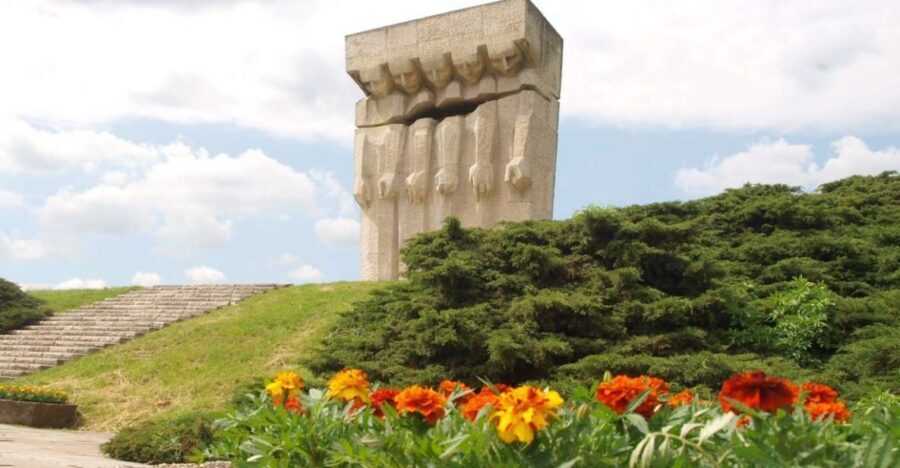
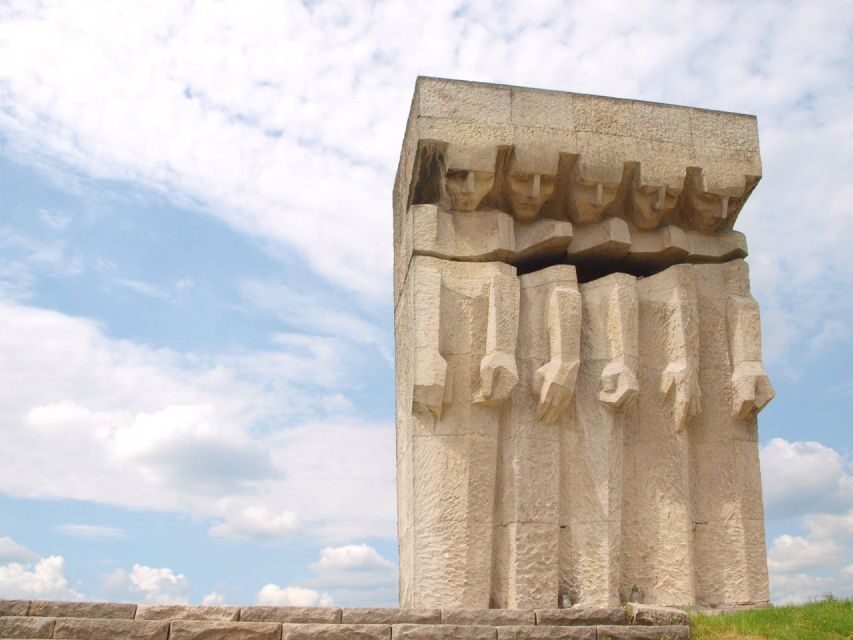
- Mass graves and the Monument of Torn-Out Hearts
- The Schindler connection: why work permits mattered more than speeches
- How the 2 hours actually feel on your feet
- Language, group size, and why the guide matters here
- Tram ticket and getting there without drama
- Is it worth $29 for a 2-hour memorial walk?
- Tips to make the walk easier and more respectful
- Should you book this tour?
- FAQ
- How long is the Kraków-Płaszów guided tour?
- Where do I meet the guide?
- Which languages are offered for the tour?
- Is the tour available in multiple languages at the same time?
- Is a tram ticket included?
- Does the tour run in bad weather?
- What should I bring?
- What time should I arrive before the tour begins?
- Can I bring a stroller?
- Is there free cancellation?
Key moments that make this tour worth it
- Ghetto Heroes Square: metal chairs that symbolize forced departures and absence
- Plaszów’s open layout: you learn the former camp plan through surviving points
- Grey House and roll-call area: key sites that shaped daily terror and routine
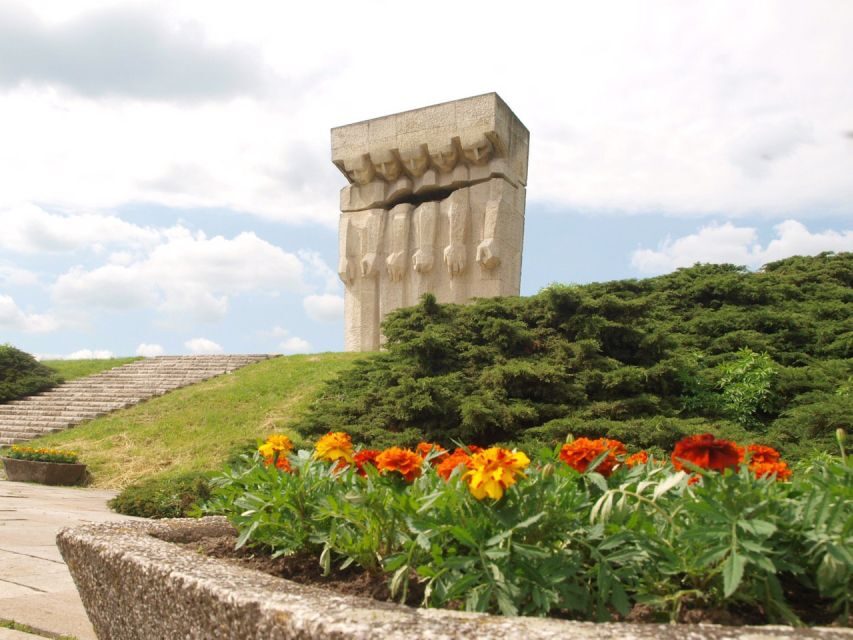
- Monument of Torn-Out Hearts: a memorial marker that lands emotionally, fast
- Schindler’s story in context: how work permits and transfers changed outcomes
Starting at Apteka Pod Orlem and settling into the right pace
Your tour begins in a very practical place: meet your guide in front of Apteka Pod Orlem, and look for the sign for the Former Concentration Camp Plaszow Guided Tour. You’re not just meeting a person—you’re meeting a context, because this tour starts with the story of the Kraków Ghetto, not with the camp itself.
Expect a walking rhythm that stays steady for two hours. This is not a quick sightseeing sprint. It’s more like a carefully guided walk where the guide keeps pointing to what matters, then pauses so your brain can catch up. That pace matters, because Plaszów isn’t visually busy in the way many major historic sites are.
One of the best things about starting early enough (aim for arriving 10 minutes ahead) is that you get to settle in before the group departs. Latecomers can’t join once the walk starts, and you won’t want to lose your spot on such an emotionally heavy itinerary.
You can also read our reviews of more guided tours in Krakow
Ghetto Heroes Square: those metal chairs do more than look symbolic
Before you reach Plaszów, you pass through Podgórze and stop at Ghetto Heroes Square. This is tied to the Kraków Ghetto experience, and it’s also a reminder that memorials don’t always exist right away.
The square was transformed into a memorial space in 2005. The standout feature is the installation of large metal chairs. They’re not there for decoration. They represent forced departures and the absence left behind. Even if you already know the basics of the ghetto’s destruction, those chairs help you see the theme immediately: people removed from life, and the space where they used to be.
This is also a smart warm-up stop. It gets you thinking about what “camp history” really includes. It’s not only fences and buildings. It’s movement. It’s separation. It’s the way a system turns normal places into waiting rooms for tragedy.
Entering Plaszów: learning an outdoor camp plan with very few anchors
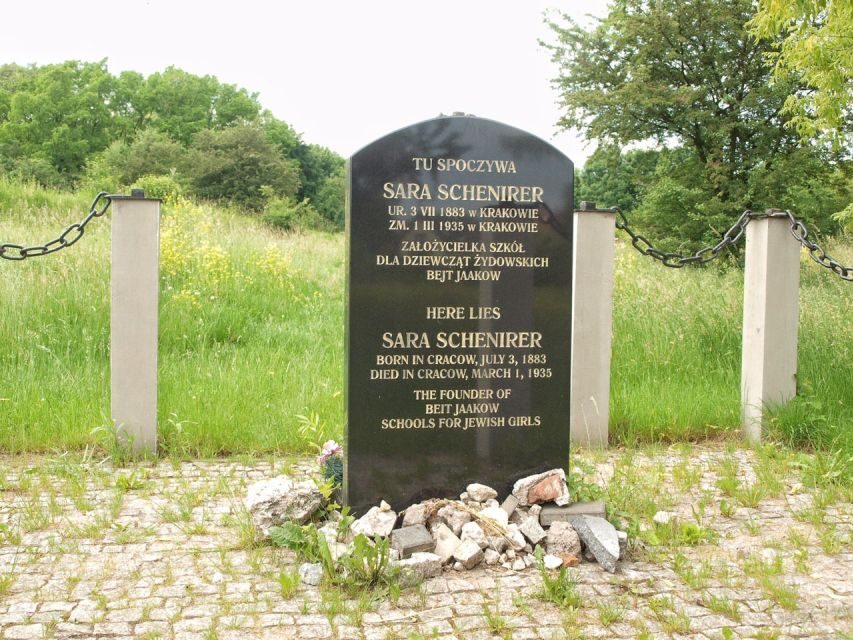
Plaszów was established in 1942 on grounds associated with Jewish cemeteries. It started as a forced-labour camp and later became a concentration camp. At Plaszów, more than 35,000 people were imprisoned, and thousands died.
Here’s the key experience point: unlike camps where there are many preserved structures to photograph, Plaszów is mostly open space. You can’t rely on big visual landmarks alone. You rely on your guide.
That open-air layout is actually one of the tour’s strengths. There’s silence here that makes it harder to treat the visit like a routine stop. The lack of buildings also changes the learning style. You listen longer, and you mentally reconstruct where key areas once were.
The guide traces the camp’s former layout through what still exists. You’ll move between points like the Grey House, the roll-call area, remnants of key buildings, mass graves, and the Monument of Torn-Out Hearts. Because many original structures aren’t standing, you experience the camp as a place that overwhelms through scale rather than architecture.
If you only want concrete ruins and photo-friendly scenes, this might feel emotionally and visually minimal. If you want to understand how a system worked in real space, it’s compelling.
Grey House and roll-call ground: how routine became terror
One of the most important stops is the Grey House. Even if it doesn’t look dramatic in the way some ruins do, it’s a reference point for understanding the camp’s internal structure. It helps the guide connect the dots between administration, captivity, and daily survival.
From there, you’ll reach the roll-call area. That’s one of those words you’ve heard before in history class, but in Plaszów it lands with extra weight. Roll call wasn’t just a headcount. It was a mechanism for control, humiliation, and constant exposure to danger.
A big part of making these stops meaningful is context. Your guide doesn’t just say what happened. The best guides explain how the camp’s rhythm operated: how people were processed, managed, and punished through routine.
And based on how the tour is described by past participants, guides can be especially strong at making the story understandable, with simple language that keeps everyone following. That matters here. When the subject is heavy, clarity becomes a form of respect.
Mass graves and the Monument of Torn-Out Hearts
Plaszów includes memorial sites that don’t require you to interpret every detail on your own. The mass graves are part of that. The guide will point them out as part of tracing how the camp functioned and what it cost human lives.
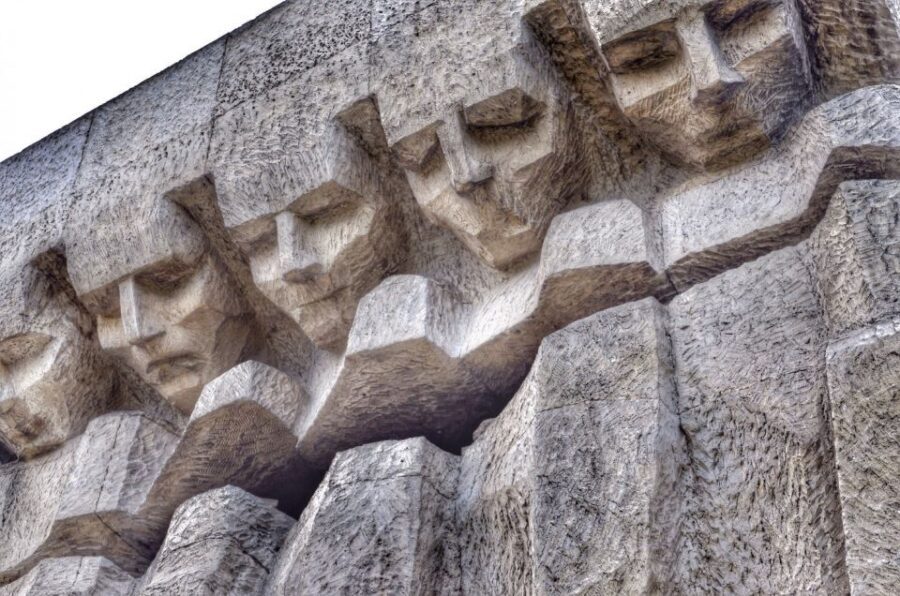
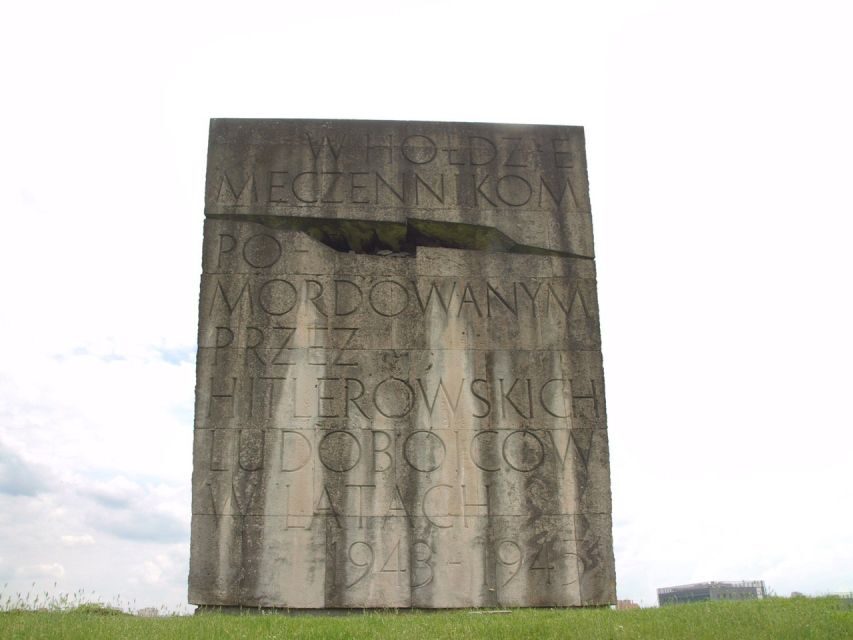
Then there’s the Monument of Torn-Out Hearts. It’s hard to walk through this section and keep your mind in sightseeing mode. Even without a long explanation, the memorial’s very idea is blunt: the harm wasn’t abstract. It was bodily. It was intimate. It was irreversible.
If you’re sensitive to memorial sites, you’ll want to know this in advance. This is not a tour where you casually glance at something while scrolling your phone. It asks for attention and restraint. That’s also why it’s valuable—because it treats remembrance as the main event.
A practical thought: wear shoes that can handle uneven, outdoor walking. When you’re standing still to absorb meaning, discomfort becomes more noticeable. Comfort helps you stay present.
A few more Krakow tours and experiences worth a look


The Schindler connection: why work permits mattered more than speeches
Now you get to the part that many people remember most: the story of Oskar Schindler and the workers he helped.
The tour explains that Schindler arranged work permits for prisoners registered in Plaszów. Later, prisoners were transferred to his factory. The result: more than a thousand lives were saved.
This is the kind of history that’s easy to misunderstand if you only know the headline. Here, you get the mechanism: permits and registered status were tools inside a brutal system. Schindler’s actions didn’t fix everything. They changed outcomes for specific people when others had nearly no options.
It’s also where the tour can feel unusually personal. One participant noted a guide who connected the story to her own relatives—captured and later escaping—which makes the history feel present instead of distant. Even if your guide doesn’t share a family connection, expect the narrative to focus on individuals inside a machinery designed to erase individuals.
This section is often a turning point. The tone can shift from pure loss to a hard, focused type of hope: not optimism, but survival built on choices.
How the 2 hours actually feel on your feet
Two hours sounds short. In this case, that’s a good thing.
The experience is emotionally dense, and Plaszów’s open grounds mean your body needs to stay steady while your mind digests the details. Past feedback notes that the tour may feel a bit long for teens—especially when there isn’t much physical scenery to hold attention without a guide narrating the full context.
This tour is also weather-dependent in a real way. It runs in all weather, rain or shine. In hot conditions, the outdoor walking can feel tougher than you expect. Bring clothing that lets you handle sun and sudden showers, and don’t rely on a quick jacket you’ll regret later.
On top of that, it’s a walking experience in open areas. One review specifically warned that you can’t use a stroller. If you’re traveling with a baby, plan around that reality and consider whether the tour matches your situation.
Language, group size, and why the guide matters here
You’ll get a licensed local expert guide. The tour is offered in French, Italian, Spanish, and English, and each group tour runs only in one language. That’s good. You won’t have to tolerate half-translations, and you’ll hear the story with continuity.
In this setting, the guide’s job is not optional. Because Plaszów has limited remaining structures, interpretation is the difference between a vague walk and a meaningful one. A strong guide turns open land into an understandable plan: where the roll-call happened, what buildings used to matter, how the mass graves and memorial markers fit into the overall picture.
Past participants praised the clarity and simplicity of at least one guide, saying it helped them follow easily. Others also noted that without the guide, the history behind the spot wouldn’t land as well. That’s exactly right. You can visit Plaszów on your own, but this tour exists to connect the dots for you.
Tram ticket and getting there without drama
You’ll have a one-way public tram ticket included. That small perk helps you avoid one more planning step on a day that already includes a serious topic and a walking route.
The tour also moves through areas tied to Kraków’s Jewish history beyond the camp site. Starting in Podgórze means you’re not only dealing with one location. You’re moving through a connected story of ghetto life, forced departures, and the camp system.
If you want value, this structure is smart: you use time efficiently by pairing memorial context in one area with the camp grounds in another.
Is it worth $29 for a 2-hour memorial walk?
At $29 per person for two hours, this is priced like a thoughtful, guide-led experience rather than a long, multi-day excursion. For a destination like Kraków, that can be a fair trade.
Here’s why the value makes sense:
- You get a licensed local expert guide for the full time.
- You visit multiple memorial-related stops that build a narrative, not just one site.
- You receive a tram ticket to reduce friction.
Also, the tour rating is strong (4.8 with 15 reviews), which supports that the guide-led format is actually delivering what it promises.
Could you find a cheaper way to visit Plaszów? Probably. But the “few preserved structures” factor is real. Without guidance, you’ll spend more time guessing what you’re looking at. This tour reduces that effort and gives you the meaning right when your attention is best able to absorb it.
Tips to make the walk easier and more respectful
A few practical notes can make the experience go better:
- Wear weather-appropriate clothing. The tour runs rain or shine.
- Bring comfortable shoes you can stand and walk in for two hours outdoors.
- Skip strollers if you can. The tour isn’t set up for that kind of assistance.
- Arrive 10 minutes early so you’re part of the group from the start. Once the group leaves, latecomers can’t join.
- Choose your language carefully when booking since each tour runs in one language.
And mentally: prepare for a tour that prioritizes remembrance over entertainment. That’s not a problem. It’s the whole point.
Should you book this tour?
Book it if you want Plaszów to make sense. This tour is designed for understanding—through the camp’s surviving points, key memorial markers, and the Schindler story that explains how survival sometimes depended on paperwork and action.
Skip it only if you need lots of preserved buildings to feel satisfied, or if you’re looking for a lighter, casual outing. Plaszów is open space, and the meaning arrives through listening, not through scenery.
If you can handle the emotional weight and you’d like a clear guide-led narrative, this is a strong choice for a first-time visit to the Kraków area.
FAQ
How long is the Kraków-Płaszów guided tour?
The tour lasts 2 hours.
Where do I meet the guide?
Meet your guide in front of the entrance of Apteka Pod Orlem. Look for the Former Concentration Camp Plaszow Guided Tour sign.
Which languages are offered for the tour?
The tour is available in French, Italian, Spanish, and English.
Is the tour available in multiple languages at the same time?
No. The group tours run only in one language, so you should select your preferred language when booking.
Is a tram ticket included?
Yes. A one-way public tram ticket is included.
Does the tour run in bad weather?
Yes. The tour goes ahead in all weather, rain or shine.
What should I bring?
Wear weather-appropriate clothing and plan for comfortable footwear for a walking tour.
What time should I arrive before the tour begins?
Arrive about 10 minutes before the tour starts. If the group has left, latecomers cannot join and tickets cannot be refunded.
Can I bring a stroller?
A review notes that you cannot use a stroller with a baby.
Is there free cancellation?
Yes. You can cancel up to 24 hours in advance for a full refund.