REVIEW · KRAKOW
Krakow: 2h Kazimierz (Jewish Quarter) Walking Tour
Book on GetYourGuide →Operated by Krakow tours - segway, scooter, bike, walking tour in Krakow · Bookable on GetYourGuide
Kazimierz feels like history you can walk through. I love how the route ties pre-war Krakow to the places connected with Schindler’s List, and I love the way you’re guided toward meaningful stops like the Jewish cemetery, not just the postcard streets. In two hours, the neighborhood’s past and present share the same sidewalks.
One catch: it’s a walking tour, so you get context and orientation more than long inside visits. Entrance fees aren’t included, so plan for the fact that some sights may be outside-focused.
If you want a tour that answers questions with clarity and a steady, respectful tone, this is a strong choice. For example, guides like Władysław are praised for being helpful and for bringing you to places you might not find on your own.
In This Review
- Key things to know before you go
- Kazimierz: why this 2-hour Jewish Quarter walk hits harder
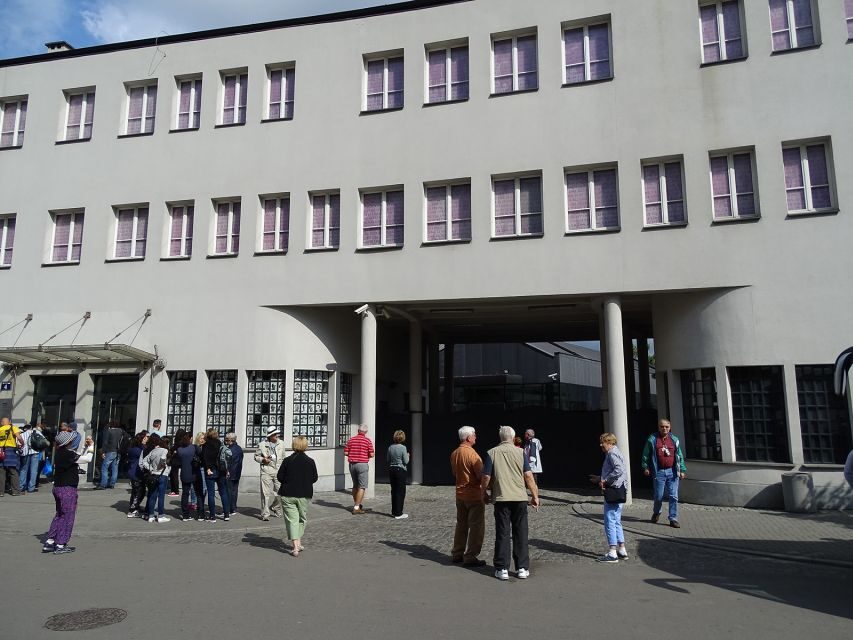
- Schindler’s List locations: film memory vs real streets
- Pre-war Jewish Krakow, then and now on the same route
- Stops you’ll actually appreciate: synagogues, narrow streets, and a cemetery
- What the guide does for you: the difference between facts and meaning
- Price and value: what $34 buys for a 2-hour walk
- How to prepare so your feet and attention stay good
- Who this tour is best for (and who should rethink it)
- Quick ways to extend the experience after the walk
- Should you book this Kazimierz walking tour?
- FAQ
- How long is the Krakow 2-hour Kazimierz walking tour?
- What does the tour cost?
- What is included in the price?
- What is not included?
- Which languages are available?
- What should I bring?
- Is there free cancellation?
- Can I reserve now and pay later?
- Is a private group available?
Key things to know before you go
- Schindler’s List connections inside Kazimierz: you’ll see how film locations match real-world streets and buildings.
- Pre-war Jewish life next to Holocaust-era memory: the tour explains what changed and why it still matters.
- Stops beyond the obvious routes: the Jewish cemetery is highlighted as one of those must-see moments off the main path.
- A story-driven guide style: expect explanations that feel like conversation, not a dry lecture.
- Choose your language: German, French, Italian, English, Polish, Russian, and Armenian are offered, plus private group options.
Kazimierz: why this 2-hour Jewish Quarter walk hits harder
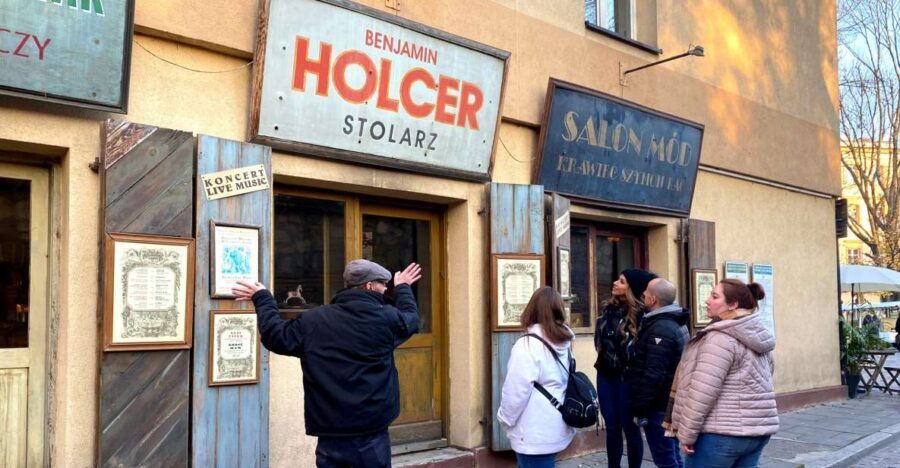
Kazimierz isn’t a museum you visit. It’s a real neighborhood where life continues. That’s the power of a guided walk here. You’re not just looking at plaques. You’re moving through streets that shaped centuries of Jewish community life, and later absorbed the brutal break of World War II.
I also like that the tour spends time on both the historical layers and what you see now. Today, Kazimierz is known for designer cafés, bars, art spaces, and craft galleries. The contrast can feel strange at first. Then it starts to make sense: place-based history is not frozen behind glass. It lives in the urban fabric.
What you’re really buying with a short tour like this is speed plus direction. In a limited time window, you get a map of meaning—what to notice, what to ask, and what the area’s buildings are trying to tell you.
You can also read our reviews of more walking tours in Krakow

Schindler’s List locations: film memory vs real streets
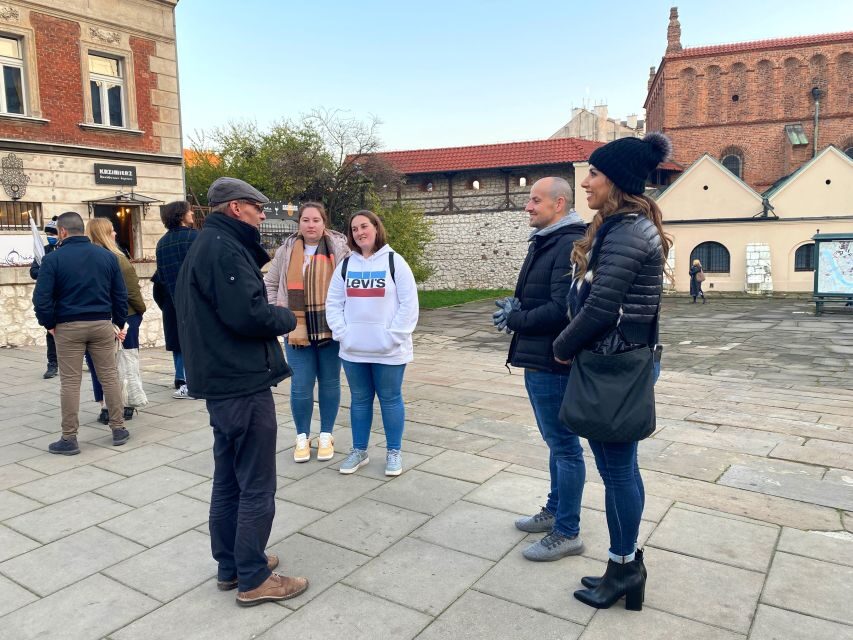
Schindler’s List is probably why many people start looking for this tour. The good news is you don’t just get movie trivia. You get the sense of how the film connects to real places in the district. That connection can make the history feel immediate, because you’re standing where events unfolded in the same cityscape.
The tour frames those filming-related stops as part of a larger story: pre-war Krakow’s Jewish culture, the shock of the Holocaust, and how survivors and the community were affected. It’s not a theme-park retelling. It’s more like guided reading of the neighborhood’s memory—what happened, what remains, and how people today understand it.
One practical tip: keep your pace steady but your attention open. The most valuable moments often come when the guide slows down and points out what you might otherwise miss in a quick glance—details in street layout, building presence, and local context that movie scenes can hint at.
Pre-war Jewish Krakow, then and now on the same route
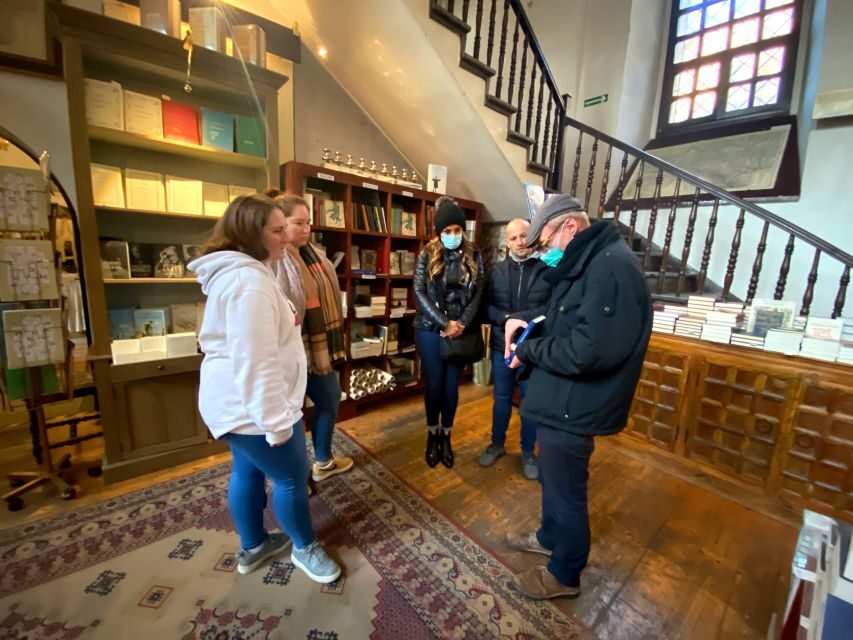
The tour is built around a simple idea: Kazimierz was a center of Jewish culture for centuries before the Second World War. You’ll hear about that long continuity and how the area functioned as a community hub. Then you’re brought to the places that witnessed shocking Holocaust history—so the story doesn’t stop at romance or nostalgia.
That balance is important. If you only focus on the artistic cafés and evening energy, you’ll miss the point. If you only focus on the tragedy, you lose the sense of what was taken. This walk tries to hold both truths in view, which is why it tends to leave people with that feeling of time layers stacked up in front of them.
And because the tour runs through today’s Kazimierz, you’ll likely notice the neighborhood’s creative energy as you listen. Designer cafés and galleries appear alongside hard history. That tension can be unsettling, but it’s also honest. This is how living cities handle memory: not by erasing it, but by carrying it forward.
Stops you’ll actually appreciate: synagogues, narrow streets, and a cemetery
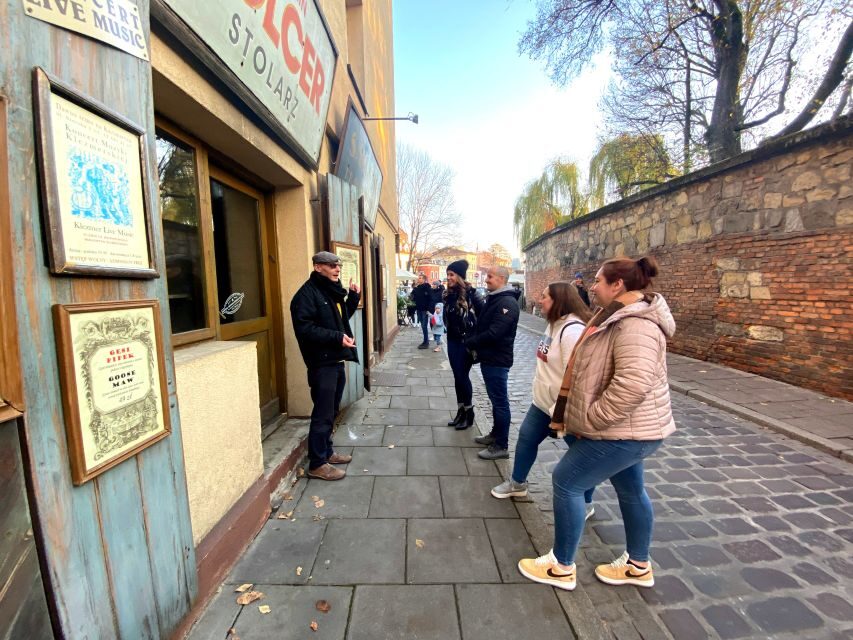
Kazimierz has a lot of places where a guided explanation changes everything. The tour is designed to take you to more than just the big, easy-to-find sights. You should expect time around synagogue-related areas and the kinds of narrow streets that shaped everyday life. Walking those lanes with context helps you understand why the neighborhood mattered socially, not just historically.
One standout kind of stop is the Jewish cemetery. It’s the kind of place most people don’t naturally plan for during a quick trip, unless someone points the way. A cemetery stop can be quiet and heavy. But that’s also why it sticks. It turns abstract history into something you can feel in your body: slower steps, attention to names and dates, and a reminder that community life was made of real people, not just events.
A good guide also helps you navigate tough questions without turning the walk into a classroom. You’ll get the sense that difficult topics can be faced directly, with care.
What the guide does for you: the difference between facts and meaning
A professional guide matters most when the tour needs more than dates. Here, the guide’s job is to connect details into a story you can carry around afterward. That’s exactly what people tend to remember: not just what they saw, but how they understood it.
In particular, guides like Władysław are noted for being competent, friendly, and focused on getting you to places you might not reach alone. The same kind of guide approach tends to show up again and again—clear explanations, good pacing, and patience when you want to ask follow-ups, even the hard ones.
You’ll also notice how the tour mixes history with practical orientation. It helps you understand why certain streets feel the way they do, why some sites carry special weight, and how Kazimierz transformed from a thriving Jewish center into an area people now visit for culture and design.
A few more Krakow tours and experiences worth a look



Price and value: what $34 buys for a 2-hour walk
At $34 per person for a 2-hour guided experience, the value is mostly in three things you can’t easily DIY from the sidewalk: direction, context, and interpretation. Without a guide, you can still wander Kazimierz and find your own favorite corners. But you’ll likely miss the deeper connections between pre-war Jewish life, Holocaust-era history, and the Schindler’s List links.
Also, the tour includes a professional guide. Entrance fees are not included, and meals and drinks aren’t part of the package. So the price is really for the thinking and storytelling, not for museum-style access.
Given how much the guide covers in a short window, I think it’s a fair trade—especially if you care about history but don’t want to spend hours building background on your own first.
One more small value point: tips are accepted and appreciated. That’s a good sign. It usually means the experience is meant to be interactive, not just a scripted walk you check off.
How to prepare so your feet and attention stay good
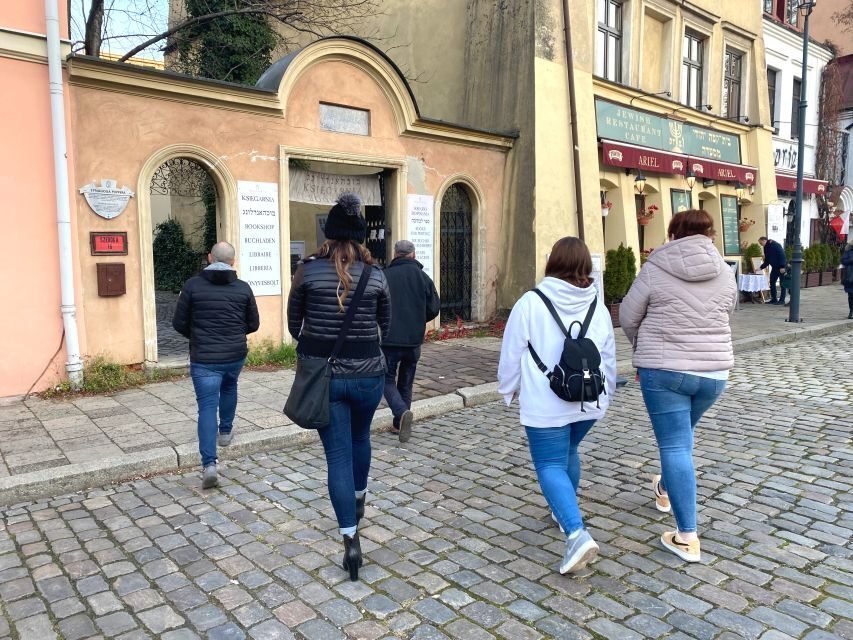
You’re outside for the whole walk, so your comfort matters. Bring comfortable shoes. Kazimierz is a neighborhood with uneven history underfoot—standing still for explanations is great, but it’s still walking. And bring an umbrella. Even in good-season weather, Krakow can throw in quick changes, and a wet day can drain your energy fast.
Time-wise, the tour is set for about 2 hours, with starting times based on availability. If you’re the type who likes to stop for photos every few minutes, you might feel the pace a little more than someone who listens closely and moves on. That’s not a problem—it just means you should choose how you want to experience the route: more listening, or more snapshots.
Who this tour is best for (and who should rethink it)
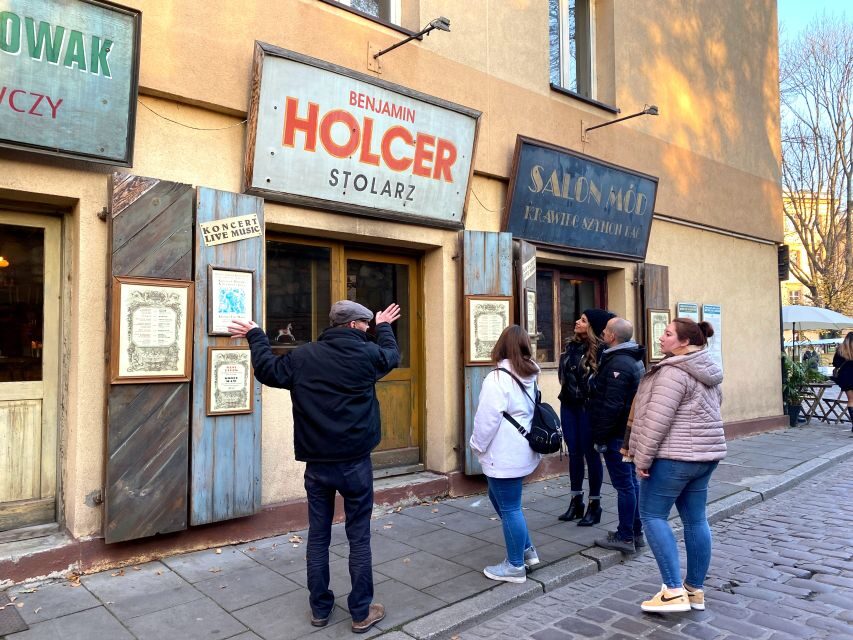
This is a great fit if you:
- want a guided introduction to Kazimierz without spending a full day
- care about the links between Krakow’s Jewish history and Schindler’s List
- like walking tours where questions are welcomed and answered with empathy
It may be less ideal if you:
- want long, inside-only museum time
- prefer to focus on only light entertainment while visiting a district tied to Holocaust-era history
This walk is designed to explain serious themes directly, alongside the neighborhood you see today.
Quick ways to extend the experience after the walk
After the tour, you’ll likely want to keep exploring with a clearer checklist in your mind. You can use what you learned to notice:
- what kinds of buildings and street layouts still signal the neighborhood’s past
- which areas feel more residential or communal, and why that matters
- how modern Kazimierz culture sits next to older memory markers
If you’re hungry for more, this tour works well as your first or second day in Krakow. It gives you context before you start looking for more specific sights on your own.
Should you book this Kazimierz walking tour?
Yes, if you want a focused, guided introduction to Krakow’s Jewish Quarter that connects the neighborhood’s pre-war life, Holocaust memory, and Schindler’s List references in a way that feels human and grounded. The $34 price makes sense for the amount of guidance you get in a 2-hour walk, especially since entrance fees and meals aren’t what you’re paying for.
I’d say book it if you like history that shows up in real streets, not just in textbooks. And if you want a guide who can handle both curiosity and difficult questions with care, this tour is built for that.
FAQ
How long is the Krakow 2-hour Kazimierz walking tour?
The tour lasts about 2 hours.
What does the tour cost?
It costs $34 per person.
What is included in the price?
A professional guide is included.
What is not included?
Meals and drinks are not included, and entrance fees are also not included.
Which languages are available?
The live guide is offered in German, French, Italian, English, Polish, Russian, and Armenian.
What should I bring?
Bring comfortable shoes and an umbrella.
Is there free cancellation?
Yes. You can cancel up to 24 hours in advance for a full refund.
Can I reserve now and pay later?
Yes. You can reserve your spot and pay later.
Is a private group available?
Yes, private group options are available.