REVIEW · WROCLAW
Wrocław: World War II and the non-existent city of Breslau
Book on GetYourGuide →Operated by Wroclaw City Tour · Bookable on GetYourGuide
Wrocław remembers Breslau in plain sight. This 2-hour walking tour strings together key World War II locations in today’s city, explaining how Wrocław’s Nazi-era role shaped what happened in 1945. I especially love starting at the Rynek Market Square area, where the Old Town Hall survived and you can compare today’s streets with what came after.
My second favorite part is the Wzgórze Partyzantów (Partisan Hill) section. You get views, beer-garden vibes above ground, and the knowledge that underground bunkers tied directly to the Breslau Fortress command system.
One consideration: the time is short, so if you want a long, detailed explanation of every political twist of the 1930s through 1945, you may wish for more hours rather than a tight, guided walk.
In This Review
- Key Things You’ll Notice on This Wrocław-WWII Walk
- Breslau in 2 Hours: Why This Tour Feels Different
- Rynek Market Square: The Surviving Anchor of a Destroyed City
- Plac Solny: Where Early Bunkers Began to Shape Daily Life
- Parade Routes and the Monopol Hotel: Hitler’s Balcony Meets Street-Level Reality
- Świdnicka Street (Schweidnitzer-Strasse): The Leader’s Welcome and the Soviet Entry
- Partisan Hill (Lieblichs Höhe): Breslau Fortress Command and the Underground Bunkers
- Bulwar Xawerego Dunikowskiego: Moving Along the Story Between the Old Quarters
- Ostrów Tumski (Dominsel) and Ceglarskie Hill: The Fiercest 1945 Battles, Now Restored
- The NSDAP Headquarters Finish: Where the Story Doesn’t Fully End
- Price and Value: Is $209 Per Group Up to 14 Worth It?
- What Kind of Traveler Should Book This?
- Should You Book This Wrocław-Breslau War Walk?
- FAQ
- How long is the Wrocław: World War II and the non-existent city of Breslau tour?
- Where do I meet the guide?
- What is the starting point during the tour?
- Is this a private group tour?
- How much does it cost?
- What languages are available?
- Is the tour wheelchair accessible?
- What are the main places you’ll see during the walk?
- What does the tour include besides walking around?
- Can I cancel for a full refund?
Key Things You’ll Notice on This Wrocław-WWII Walk
- Rynek Market Square survival story: see how the city’s core avoided total erasure while the war later escalated.
- Solny Square bunker beginnings: learn how early fortification worked when the local population needed protection.
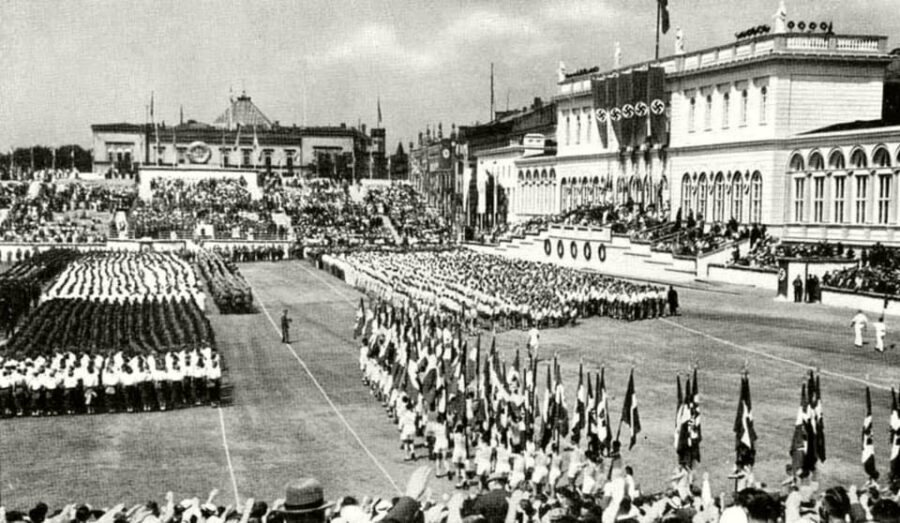
- Nazi staging points you can still stand on: rallies, parade routines, and Hitler’s visits get explained in real locations.
- Underground Breslau Fortress links at Partisan Hill: command and bunkers connect history to what still remains.
- Ostrów Tumski battlefield memory: the fighting is mapped onto the restored oldest quarter.
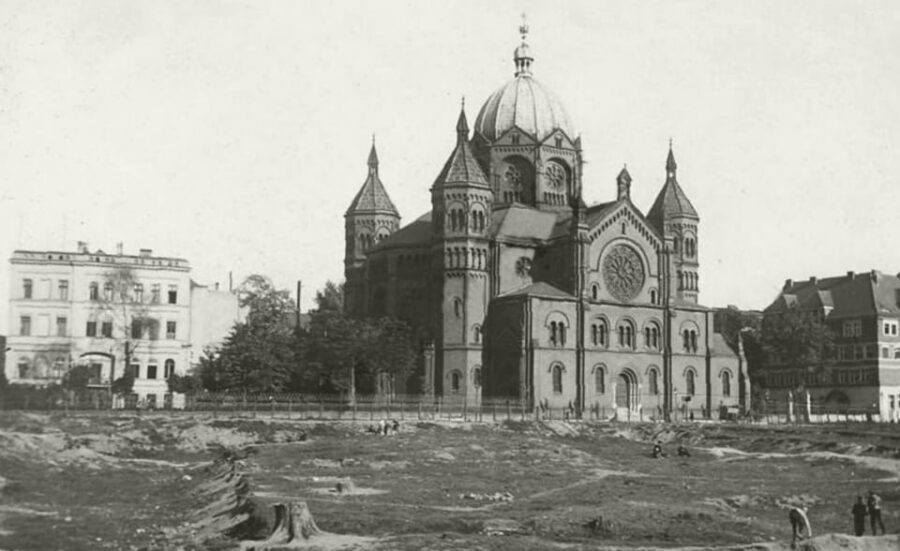
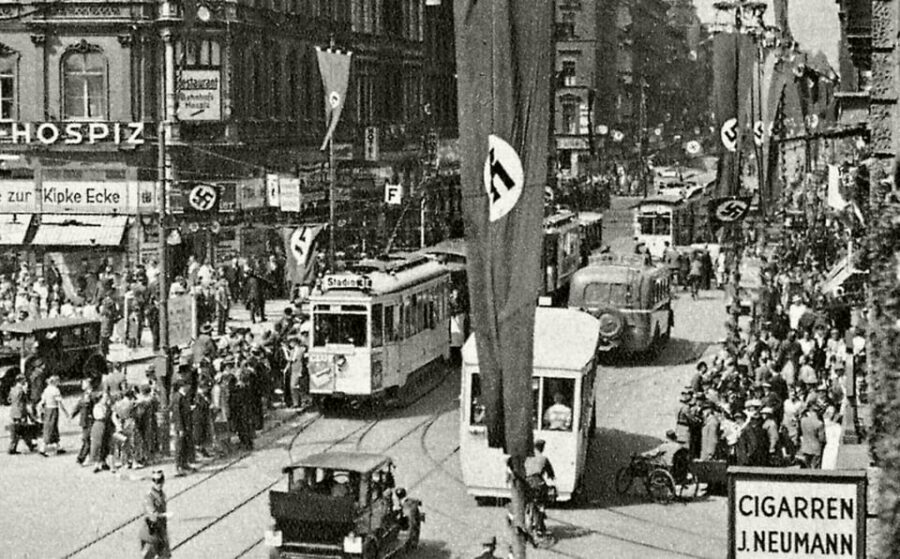
- Photographs from 1933–1945: you’re not only hearing dates; you’re seeing the visual record of the city changing.
Breslau in 2 Hours: Why This Tour Feels Different
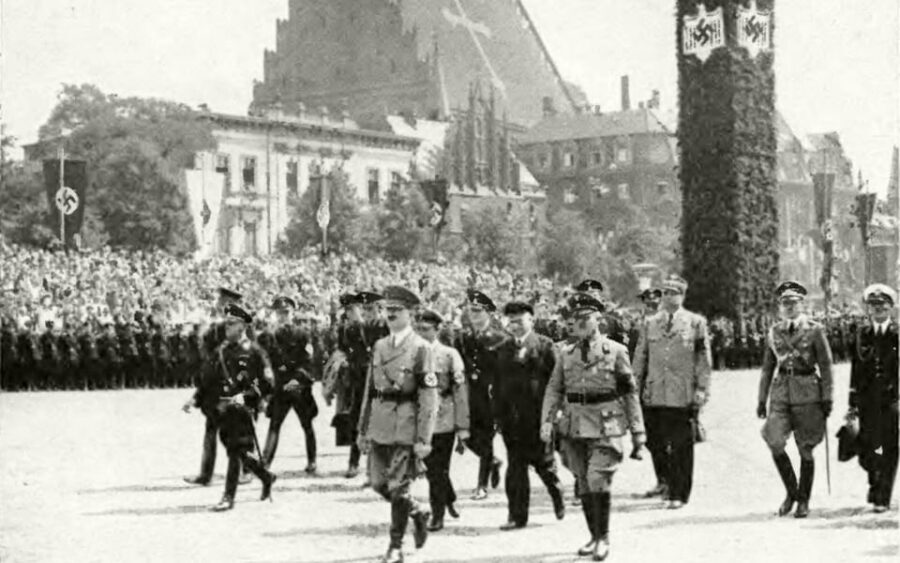
Wrocław’s story is unusual in a way that’s hard to summarize until you’re walking it. Before 1945, the city was Breslau, tied closely to the NSDAP movement in Germany, including visits by Hitler and major party headquarters here. After 1945, the city’s identity shifted dramatically—yet you can still trace the old world through architecture, street layout, and surviving sites.
What I like about this format is that it’s not a lecture held in one place. You move from one meaningful location to another, so each stop becomes a “chapter” you can physically follow. If you like understanding history through geography—how people actually moved around a city—this tour clicks fast.
And it helps that the guide works for your private group. That means you can ask questions in the moment, which matters with a topic this tense and specific. You’ll likely hear the tour in Polish or German, depending on what’s arranged.
You can also read our reviews of more city tours in Wroclaw
Rynek Market Square: The Surviving Anchor of a Destroyed City
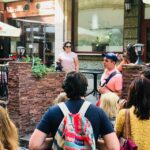
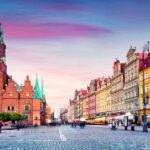
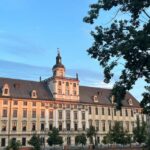
You start at the entrance to Restauracja Piwnica Świdnicka, then walk to the heart of the old town near the Old Town Hall. This is where the tour earns your attention right away: the Market Square area miraculously survived the war and destruction that followed. Standing here, it’s easier to grasp why the city’s later trauma feels so sharp—because the “before” still looks close.
Your guide uses this stop to set the timeline. You’re not just told that Breslau was ideologically connected with the NSDAP movement—you’re shown why that matters to what you see later. The Market Square becomes the baseline, the place that lets you compare the city’s current form with the transformations driven by the war.
If you’re the type who likes quick visual contrasts, this opening is a win. You’re already looking at one of the oldest, most recognizable parts of Wrocław, so the rest of the walk feels like you’re watching a story redraw itself onto the same urban frame.
Plac Solny: Where Early Bunkers Began to Shape Daily Life
Next comes Plac Solny, where the first bunkers in the city were built to protect local residents. That detail changes how you interpret wartime architecture in the modern city. You start thinking less about grand operations and more about the civilian logic: people needed shelter, and the city had to adapt.
Your guide explains the war context behind those early fortifications, and then you’re encouraged to look for remnants today. Even if you don’t see a bunker the way you imagined it from history books, the point is that the city was already physically preparing for danger long before 1945 became unavoidable.
This stop also works well emotionally because it grounds you. The tour keeps a balance between ideology and lived experience—how inhabitants actually coped while the city was sliding into the final stages of the war.
Parade Routes and the Monopol Hotel: Hitler’s Balcony Meets Street-Level Reality
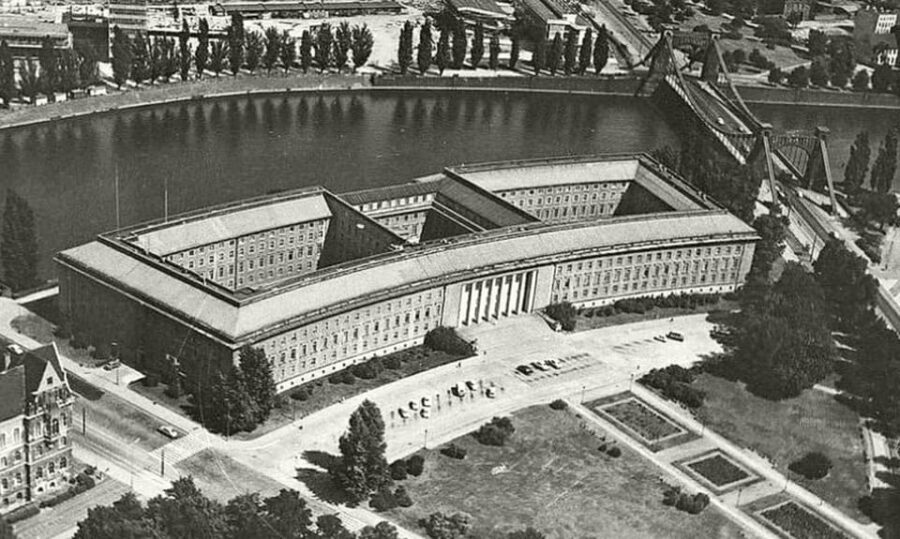
From there you move toward the former Castle Square area, where Nazi parades and torchlight processions (Fakelzüge) took place until 1945. You’re basically walking a stage set: the guide connects the ritual energy of public events to the political system behind them.
One specific, unforgettable location is the Hotel Monopol. Hitler greeted supporters from the balcony there. That’s the kind of detail that can turn a normal street stop into a historical moment, because you can stand where the greeting happened and understand how propaganda used everyday architecture.
The tour keeps reinforcing the same idea: this was not distant politics. It was visible, choreographed, and repeated in public spaces. Once you see it framed that way, the streets feel less like scenery and more like a timeline you can follow.
Świdnicka Street (Schweidnitzer-Strasse): The Leader’s Welcome and the Soviet Entry
Świdnicka Street is described as a representative street of Wrocław—exactly the sort of place where a visiting leader would want to be seen, and where crowds could turn a city into a message board. Here, the city’s inhabitants greeted their leader during visits to the area, and the same street also marks how the victorious Soviet Army entered the city in 1945.
That contrast is the tour’s most uncomfortable strength. The guide doesn’t let you treat the city’s Nazi-era connections as only a historical footnote. Instead, it shows how swiftly a public stage could become a point of conquest and transition.
As you walk this section, pay attention to how the guide ties street scale and visibility to crowd movement. You start to understand why certain streets were used for parades and ceremonies—and why those same streets mattered during the city’s collapse.
Partisan Hill (Lieblichs Höhe): Breslau Fortress Command and the Underground Bunkers
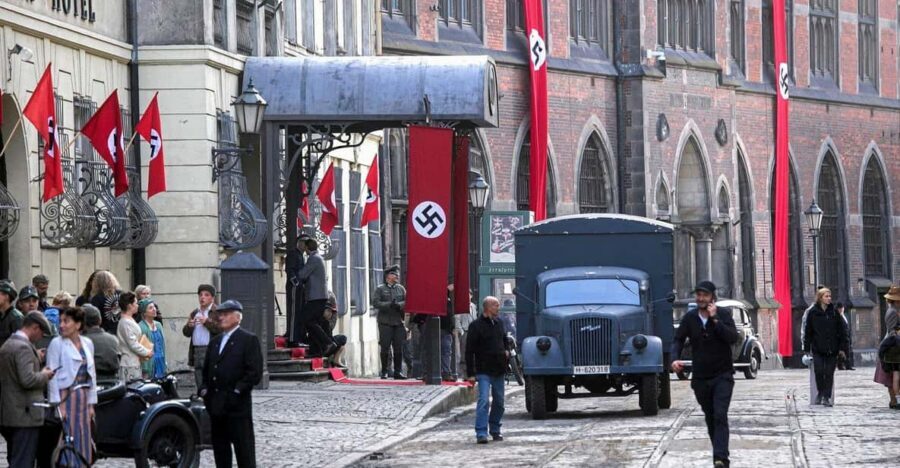
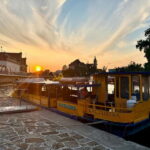
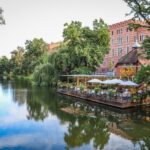
Now you reach Wzgórze Partyzantów, Partisan Hill. This is one of the tour’s core sections because it connects three layers at once: the Breslau Fortress command, the city’s underground bunkers, and the fact that the bunkers remain to this day.
Today, Partisan Hill is a place for relaxation for residents. Cafes and beer gardens sit above the memory of what was built beneath. That physical “above vs. below” contrast is a powerful teaching tool: your eyes see a normal hangout, while your mind holds the knowledge of wartime command infrastructure.
Your guide explains that underground bunkers were part of the fortress system tied to the city’s defense. You’re not just hearing that people hid; you’re learning how command and survival infrastructure worked together in an urban fortress.
If you’re sensitive to heavy topics, this stop can land hard. But it’s also valuable because it shows how cities reuse space. You’re learning how history stays embedded, even when the present surface looks peaceful.
Bulwar Xawerego Dunikowskiego: Moving Along the Story Between the Old Quarters
You’ll also pass along bulwar Xawerego Dunikowskiego during the walk. This segment matters less for one single landmark and more for pacing and perspective. As you move toward the oldest quarter again, the guide uses the city’s flow to keep the story coherent, so you don’t feel like you’re jumping between unrelated facts.
Think of this stretch as the bridge that helps the tour feel like a journey. You’re going from fortress memory and bunker infrastructure toward the battle zone at Ostrów Tumski, and the guide keeps the timeline readable.
Even short “pass-by” sections can matter on a history walk, because your brain needs the in-between moments to stitch the locations together.
Ostrów Tumski (Dominsel) and Ceglarskie Hill: The Fiercest 1945 Battles, Now Restored
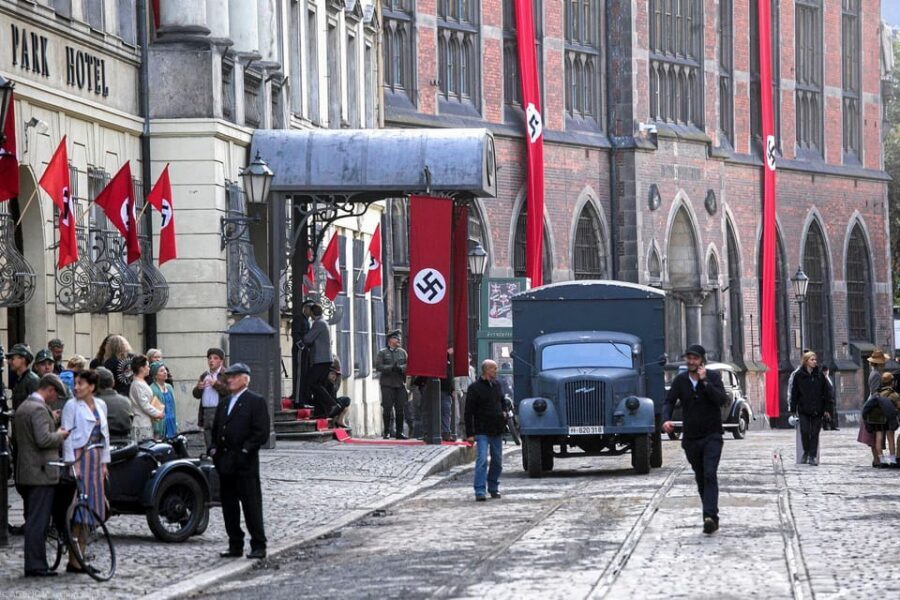
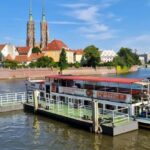
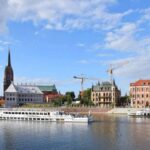
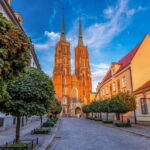
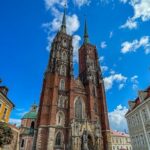
The final stages focus on Ostrów Tumski, also known historically as Dominsel. This area is where the most fierce battles for the city took place in 1945. Today, you’ll see Ostrów Tumski and its cathedral beautifully restored, which can feel almost surreal after what you’ve been told about the fighting nearby.
You get a photo stop on Ostrów Tumski, and the guide also sends you to appreciate views of this oldest part of the city from Ceglarskie Hill (Holtei-Hoehe). The view is not just scenic; it helps you grasp why this part of the city mattered. When you can see the layout, the battle becomes easier to visualize as more than dates on paper.
Restoration here is a big theme. The tour doesn’t ignore destruction, but it also doesn’t leave you stuck in it. You finish with a sense of how the city rebuilt, where it chose to preserve visible anchors, and how the past sits inside the present.
The NSDAP Headquarters Finish: Where the Story Doesn’t Fully End
Your tour ends in the area of Ostrów Tumski, but the guide also points you toward the former building that served as the NSDAP authorities’ headquarters in Breslau. That matters because it turns the ending into an open door. You’re not left with a closed narrative; you’re given a place to continue looking on your own.
If you have energy after the walk, you’ll enjoy lingering around Ostrów Tumski’s monuments. The benefit of finishing here is that the area is meant for strolling. You can shift from guided interpretation to your own slow looking without feeling like you need another ticket.
Price and Value: Is $209 Per Group Up to 14 Worth It?
At $209 per group (up to 14 people) for a 2-hour private tour, the price can be either a bargain or a miss, depending on how you travel.
If you’re coming with a small group—friends, family, or classmates—it’s often strong value because you’re paying for a professionally licensed guide for just your party. You’re not splitting that guide cost across dozens of strangers, and you’re more likely to get your questions answered quickly.
Two things to consider before you book:
- The focus is tightly WW2 Breslau-to-Wrocław themed, not a broad history sweep of every era. If that’s what you want, you’ll likely feel you got your money’s worth.
- The tour is only 2 hours, so you’re buying a focused walk with context, not a long deep lecture. If you’re the type who plans museum-style time, you might want a second stop after.
A small, practical tip: wear comfortable shoes. This is a walking tour that includes multiple squares and hills, and you’ll get the most out of it if your legs can handle the pacing.
What Kind of Traveler Should Book This?
This tour suits you best if you like:
- Understanding WWII through specific street-level locations
- Seeing how political power translated into public space
- Visiting Wrocław and wanting a side that goes beyond postcards and churches
It’s also a good choice if you’re traveling with someone who wants structure. You’ll have a clear sequence: Market Square, bunker-related stops, parade/leader sites, fortress command areas, then Ostrów Tumski and the battle memory.
And if you care about language support, the tour is offered in Polish and German. One guide name that’s been singled out in the past is Norbert, described as especially strong at delivering clear information for German-speaking guests. Even without that name, the key is that you get a guide who works specifically for your group rather than a scripted headset system.
Should You Book This Wrocław-Breslau War Walk?
Book it if you want a guided way to understand why Wrocław is linked to the NSDAP movement, why the city was declared Festung Breslau in 1945, and how the war’s destruction shaped what you see today. The Underground bunkers at Partisan Hill and the WWII battle mapping at Ostrów Tumski make it more than a generic “old town” stroll.
Skip it or pair it with extra reading if you’re hoping for a longer, deeply detailed breakdown of every political and military mechanism from the early 1930s through 1945. This is efficient storytelling on the move.
If your ideal day in Wrocław is part walking tour, part historical interpretation, and part finding the city’s layers with your own eyes, this one is a smart bet.
FAQ
How long is the Wrocław: World War II and the non-existent city of Breslau tour?
The tour lasts 2 hours.
Where do I meet the guide?
You meet at the entrance to the PIWNICA SWIDNICKA restaurant.
What is the starting point during the tour?
The tour starts at the Market Square in Wrocław, near the Old Town Hall.
Is this a private group tour?
Yes. It’s a private group tour, with a guide only for your group.
How much does it cost?
The price is $209 per group for up to 14 people.
What languages are available?
The live guide is offered in Polish and German.
Is the tour wheelchair accessible?
Yes, the tour is wheelchair accessible.
What are the main places you’ll see during the walk?
You’ll visit or pass by Rynek Market Square, Plac Solny, the area near Hotel Monopol, Świdnicka Street, Partisan Hill, and end at Ostrów Tumski.
What does the tour include besides walking around?
You’ll hear the war history of Wrocław/Breslau, including how inhabitants lived up to 1945, how the city changed after 1945, and you’ll see photographs of the city from 1933–1945.
Can I cancel for a full refund?
Yes. You can cancel up to 24 hours in advance for a full refund.