REVIEW · KRAKOW
From Kraków: Częstochowa & Łagiewniki Pilgrim Sites Tour
Book on GetYourGuide →Operated by LegendaryKrakow · Bookable on GetYourGuide
Two shrines. One seriously moving day.
This 8-hour tour from Kraków strings together two of Poland’s most meaningful pilgrimage stops: Częstochowa at Jasna Góra (including the famous Black Madonna) and then the Divine Mercy sanctuary in Łagiewniki, tied closely to St. Faustina. I especially like how the day mixes a historic monastery complex with the very human focus of the Divine Mercy devotion.
You’ll also want to plan for one potential snag: the worship-site rules are real. A strict dress code applies (no shorts, no sleeveless tops, and shoulders plus knees must be covered), and there’s no included food beyond water.
In This Review
- Key Highlights You’ll Feel Immediately
- From Kraków Pickup to Pilgrimage Hills
- Częstochowa and Jasna Góra: Home of the Black Madonna
- Why the Black Madonna Stop Feels So Specific
- The Monastery and Basilica Experience: History You Can Actually Use
- Łagiewniki’s Divine Mercy Sanctuary: Where Devotion Takes Center Stage
- St. Faustina’s Story in the Space Around You
- The Viewing Tower Break: A City View With No Distraction
- Price and What $251 Buys You (Mostly the Time and Hassle-Free Parts)
- Dress Code and Rules That Can Actually Stop Entry
- When the Tour Feels Best: Who Should Go
- Should you Book the Częstochowa & Łagiewniki Pilgrim Sites Tour?
- FAQ
- Is hotel pickup and drop-off included?
- How long is the tour?
- What’s included in the price?
- Do I need to bring a guide?
- What language is the driver?
- What is the dress code?
- Are there restrictions on what I can bring?
- Can I cancel for a refund?
- Where does the tour visit?
Key Highlights You’ll Feel Immediately
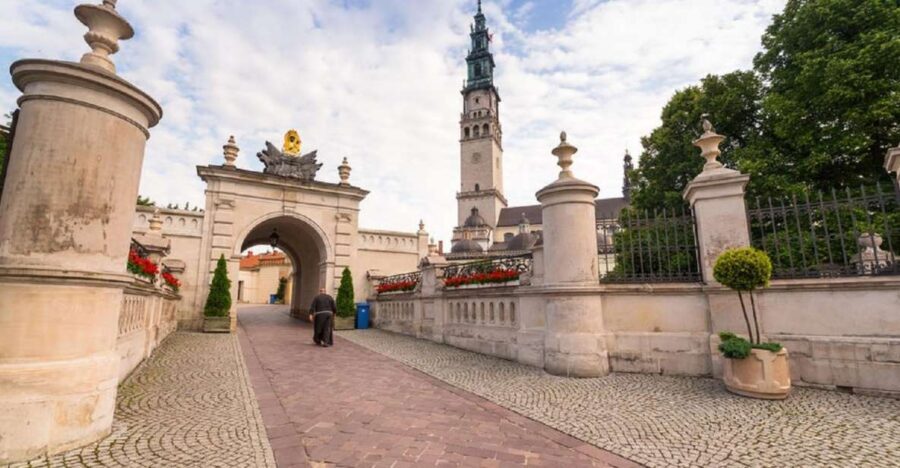
- Black Madonna viewing at Jasna Góra in Częstochowa, one of the best-known Marian images in Poland
- Jasna Góra monastery context so you understand why people keep coming back for centuries
- Divine Mercy sanctuary in Łagiewniki with chapels, the main church, and devotion landmarks connected to St. Faustina
- St. Faustina relics and devotional objects including a coffin with relics mentioned in the tour sights
- A panoramic viewing tower that gives you a break from indoor devotion while still staying on-message
- English-speaking driver support; in past groups the driver-communicator was Miłosz or Igor, both praised for helpfulness and clarity
From Kraków Pickup to Pilgrimage Hills
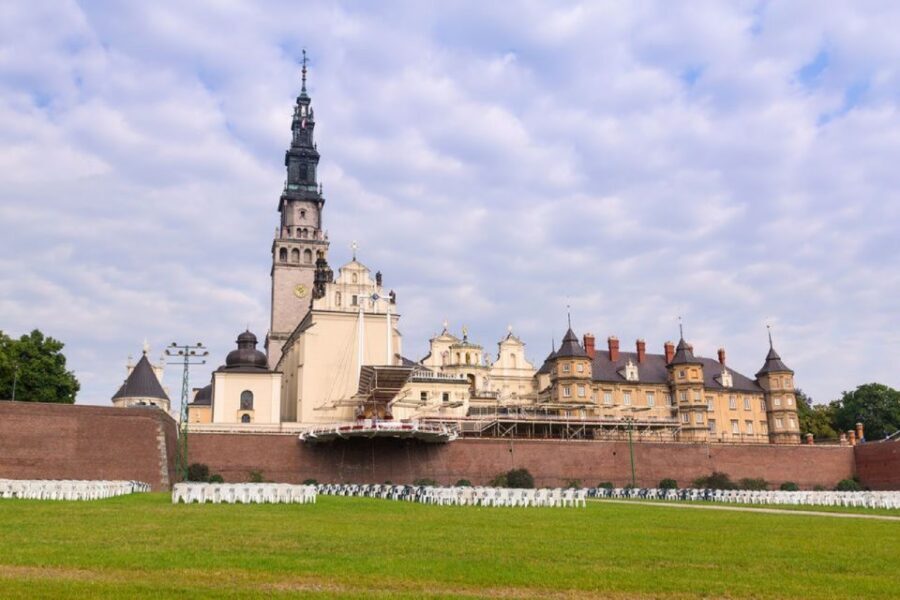
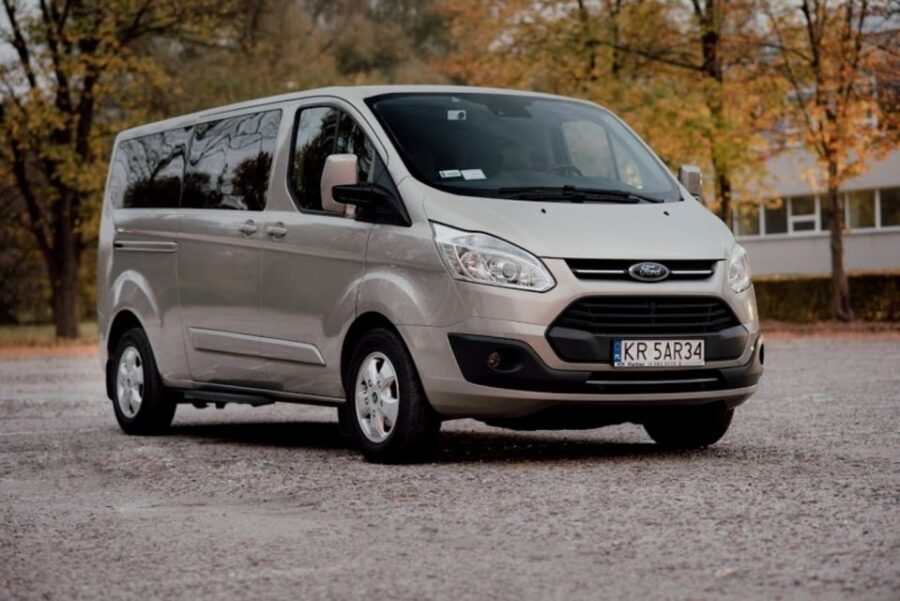
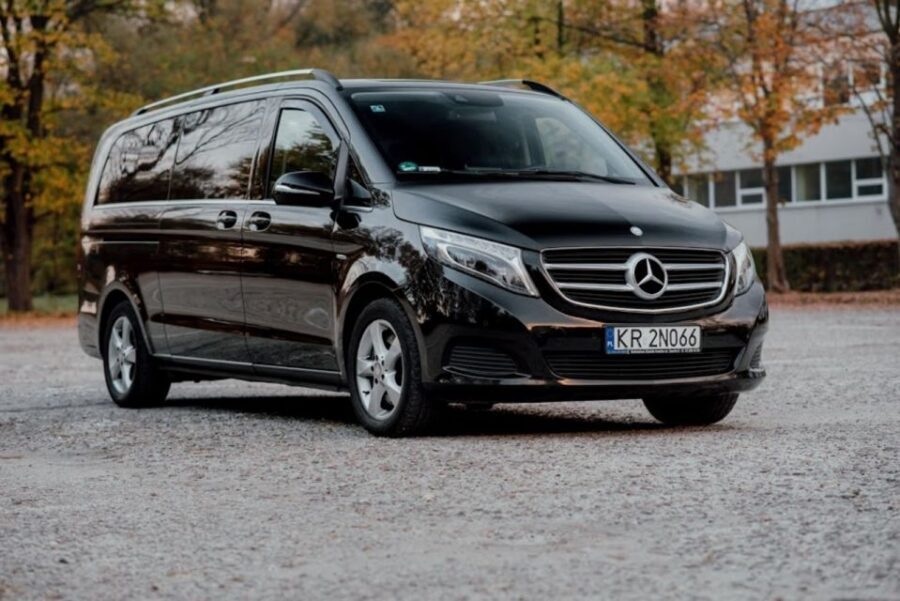
This tour is built for people who want a full day without logistics stress. You get hotel pickup and drop-off in Kraków, plus a professional licensed English-speaking driver and admission fees handled for the main stops. Total time is 8 hours, so it’s long enough to feel the significance, but short enough that you’re not spending your whole day on buses.
The route does two big things. First, it takes you out to Częstochowa, set high on the mountain where the monastery complex sits above the town. Second, it brings you back into Kraków for Łagiewniki, where the Divine Mercy sanctuary anchors the second half of the experience. The order can change, but the flow stays the same: monastery first, sanctuary second (or swapped).
A practical note: because you’re visiting places of worship, you’ll be moving through areas where quiet and respect matter. That can actually make the day feel smoother, since you’re not bouncing between tourist shows. Just remember that your schedule is not about speed; it’s about reverence.
You can also read our reviews of more tours and experiences in Krakow.
Częstochowa and Jasna Góra: Home of the Black Madonna
Częstochowa is often described as Poland’s spiritual capital, and you’ll see why the moment you’re near Jasna Góra. The monastery sits on a hilltop, and that elevated setting isn’t just scenery—it adds to the feeling of arrival. People come for prayer, and the whole site is arranged to support it.
At the basilica and monastery, you’ll learn the story of this religious center and why it became a pilgrimage magnet for Poles for hundreds of years. Then the tour’s most iconic moment arrives: you’ll see the Black Madonna painting. The image depicts the Mother of God holding the Christ Child, and it’s widely believed to have miraculous powers for those who visit.
One detail I like is that the tour doesn’t treat the painting like a postcard. It frames the monastery as the living heart around the icon—so you understand why people talk about Jasna Góra as more than a landmark. It’s a place where history and devotion stay connected.
Why the Black Madonna Stop Feels So Specific
A lot of sites in Europe have religious art. Jasna Góra is different because the Black Madonna isn’t just admired—it’s approached. Even if you’re not deeply religious, it’s hard not to notice the level of attention people give to the image and the prayerful rhythm around it.
The tour also connects the Black Madonna to a long-standing tradition: the painting is rumored to have been painted by St. Luke. That’s not something you verify with a lab, obviously, but it helps explain why the image carries such weight across generations. You’re not just viewing a work of art; you’re stepping into a tradition of belief.
Also, plan your mood. This isn’t a “quick look” kind of stop. You’re likely to feel surrounded by people who are taking the moment seriously, and that atmosphere changes how you experience the icon. If you’re the sort who likes to linger and reflect, this part of the day will land well.
The Monastery and Basilica Experience: History You Can Actually Use
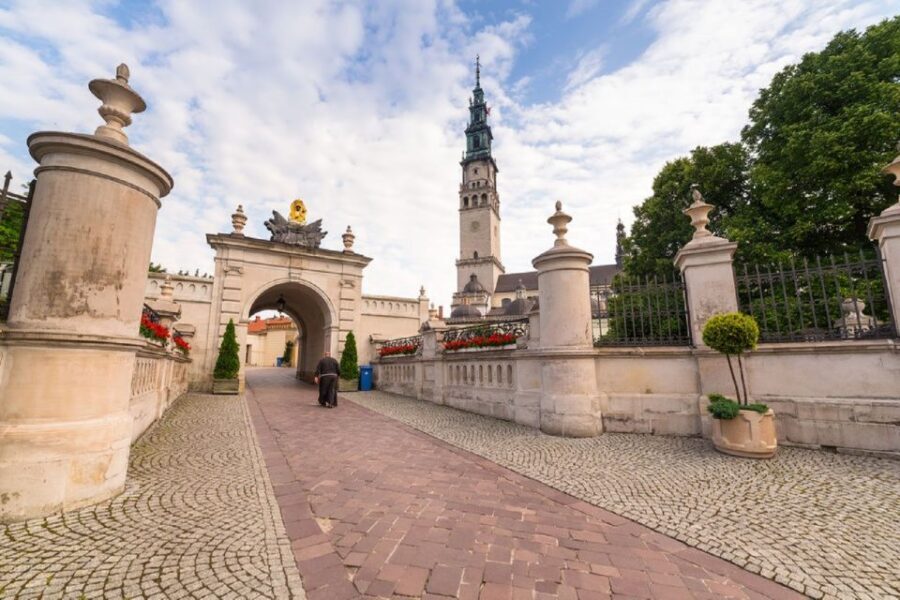
Jasna Góra isn’t only about one painting. The monastery complex has a bigger purpose: to preserve and center worship around the Virgin Mary shrine here. During your visit, you’ll be guided through the basilica and monastery spaces so the background story isn’t floating in the air.
I like that this stop pairs two things: the physical scale of the monastery and the emotional pull of the shrine. The location on the hilltop gives it gravity, and the tour’s explanations help you read what you’re seeing—rather than just passing rooms and corridors.
One insight from prior visitors: if your timing lines up early, you might catch something special like Mass. The tour timing can affect whether you experience that kind of service, so if religious programming matters to you, aim for the earliest portion of the day when schedules allow.
Łagiewniki’s Divine Mercy Sanctuary: Where Devotion Takes Center Stage
After Częstochowa, you head back toward Kraków for the Divine Mercy sanctuary in Łagiewniki. This sanctuary is described as the world’s largest center of devotion to Divine Mercy, and that global reputation isn’t just marketing fluff. The place is built to handle huge numbers of pilgrims, so you’ll feel the scale right away.
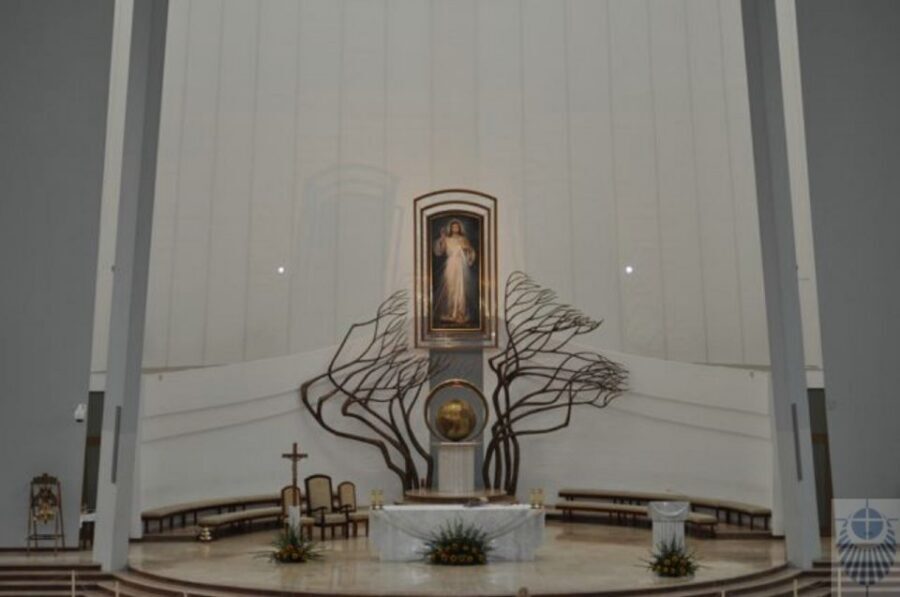
Here, the focus shifts from Marian devotion to the Divine Mercy message closely tied to St. Faustina. You’ll explore the vast sanctuary area, including the Congregation of the Sisters of God’s Mother of Mercy, the main church, and a series of chapels. It’s a different kind of atmosphere: less hilltop grandeur, more devotional intensity spread across multiple spaces.
You’ll also see multiple devotional highlights listed for the tour:
- the statue of Our Lady of Mercy
- statues of St. Stanisław Kostka and St. Mary Magdalene
- a picture of St. Joseph with the Child
- and a coffin with relics of St. Sister Faustina
- plus a viewing tower for a panoramic look over the city
That lineup matters because it shows you how the sanctuary builds a full devotional map. It’s not only one altar or one image. It’s a sequence of objects and sacred spaces that help pilgrims focus, pray, and move through the message step by step.
St. Faustina’s Story in the Space Around You
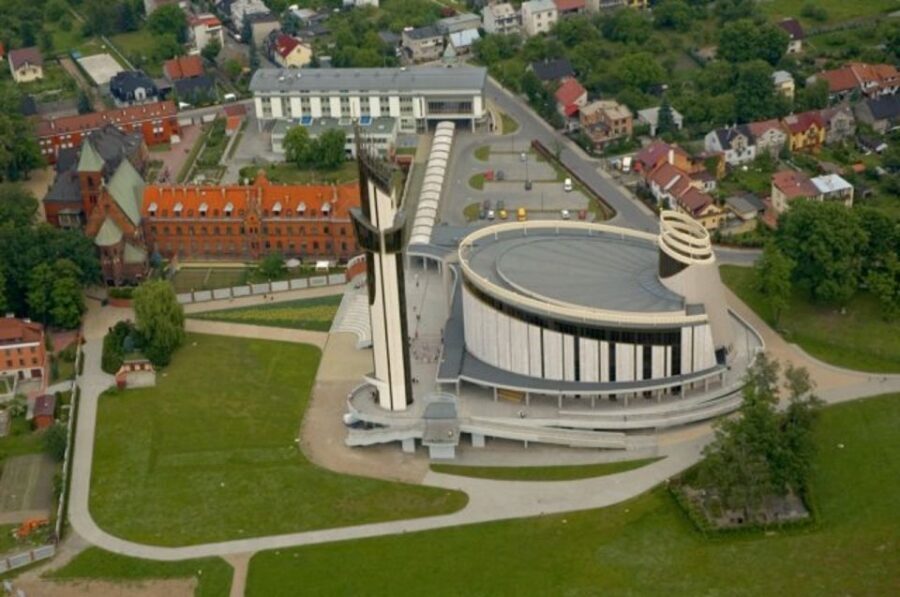
One of the strongest reasons to come here is how the tour connects the devotional world to specific elements tied to St. Faustina. Prior visitors point out that you may be able to see St. Faustina’s modest room and the church spaces that feel modern yet still deeply spiritual.
That combination is powerful. A modest room grounds you in human life—faith lived day to day. Then the sanctuary spaces lift that daily faith into a shared, public place of worship. Even if you come just to observe, you’ll probably feel the contrast.
If your interest is spiritual history, this is a better stop than most “see a church, take a photo, leave” days. You’re being shown a devotion-focused complex with clear symbols and dedicated sacred areas.
The Viewing Tower Break: A City View With No Distraction
The viewing tower is a small stop, but I think it’s smart. You get a panoramic view of Kraków from above, which gives your brain a reset after hours of indoor devotion. It also helps you contextualize where you are—this isn’t only about sacred spaces, it’s about being in real time and real geography.
It’s also a practical thing. Even people who came for spiritual meaning need a breather. A quick look from the tower gives you a moment to stretch, catch your bearings, and keep the rest of the day feeling lighter.
Just remember: dress rules still apply in and near worship buildings, and you’ll want comfortable layers. You’ll likely be walking on surfaces around large complexes, and you don’t want your clothing to become a problem mid-day.
Price and What $251 Buys You (Mostly the Time and Hassle-Free Parts)
At $251 per person for an 8-hour day trip, the price looks steep at first glance. But you’re not just paying for a bus ticket.
Here’s what’s included:
- hotel pickup and drop-off in Kraków
- a professional licensed English-speaking driver
- admission fees for the key sites
- water
What’s not included:
- guide service (the tour notes say guide isn’t included)
- food or drinks beyond water
In practice, that means your money goes toward removing the biggest friction points: transport, entry costs, and an English-speaking presence to help you understand what you’re seeing. If you were doing Częstochowa on your own, you’d likely spend time coordinating transit and figuring out admissions. The tour handles those chunks so you can spend your brainpower on the actual experience.
Is it “cheap”? No. But it’s a reasonable value for people who want meaning over logistics, and who don’t want to spend half a day figuring out schedules.
Dress Code and Rules That Can Actually Stop Entry
This is the one detail that can ruin your day fast if you ignore it.
You can’t enter if you’re dressed in a way that violates the worship-site requirements. The tour notes say:
- no shorts
- no short skirts
- no sleeveless shirts
More specifically, knees and shoulders must be covered for both men and women. If you fail to comply, you risk being refused entry.
It’s worth thinking through now, not at the door. Wear clothing that covers properly and still feels comfortable enough for walking. Also note that pets aren’t allowed.
A small tip: if you’re visiting during warmer weather, plan for light layers that still meet the rules. You don’t need a heavy coat—you just need fabric that doesn’t break the shoulder-and-knee requirement.
When the Tour Feels Best: Who Should Go
This trip suits you if you want a focused, spiritually minded day without trying to manage two major destinations alone. It’s especially good for:
- people who like religious art and devotional history
- anyone traveling in Kraków who wants a “big day” beyond the city center
- visitors who prefer an English-speaking driver who can explain what you’re seeing
- couples or small groups who want structure and time efficiency
It may not fit if you want a strict sightseeing checklist with minimal prayer atmosphere. The day is built around devotion. That’s the point. If you’re there for photos only, you might find your energy dips in the more prayer-centered spaces.
Wheelchair access is noted as available, which is a plus for mobility planning. Just remember you’ll still be moving around large complex grounds.
Should you Book the Częstochowa & Łagiewniki Pilgrim Sites Tour?
If your idea of a great day is meaningful places, clear context, and reduced logistics, I’d say yes. Two major pilgrimage centers in one 8-hour outing is efficient, and the included admissions plus pickup make the value easier to justify.
Book this tour if you’re comfortable following dress rules and you’re okay with a schedule that may include time for Mass-like moments depending on timing. It’s also a smart choice if you appreciate English explanations; people have especially praised drivers like Miłosz and Igor for being helpful and easy to understand.
I’d skip it if your main goal is casual city sightseeing, shopping stops, or eating at restaurants you picked yourself. This day is about worship spaces first.
FAQ
Is hotel pickup and drop-off included?
Yes. The tour includes hotel pickup and drop-off in Kraków.
How long is the tour?
The duration is 8 hours.
What’s included in the price?
Admission fees, a licensed English-speaking driver, hotel pickup and drop-off, water, are included.
Do I need to bring a guide?
The tour information states that a guide is not included. You will still have an English-speaking driver for the day.
What language is the driver?
English.
What is the dress code?
No shorts, short skirts, or sleeveless shirts. Shoulders and knees must be covered, and you may be refused entry if you don’t comply.
Are there restrictions on what I can bring?
Pets are not allowed.
Can I cancel for a refund?
You can cancel up to 24 hours in advance for a full refund.
Where does the tour visit?
It includes stops at the Częstochowa monastery and basilica, and the Sanctuary of Divine Mercy in Łagiewniki (plus a viewing tower there).