REVIEW · WARSAW
Warsaw’s No 1 cooking class-Polish dumplings with liqueur tasting
Book on Viator →Operated by Maria Oskroba · Bookable on Viator
Pierogi class with liqueur tasting in Warsaw starts dough. This small-group cooking session teaches you to make pierogi from scratch, then you finish with a Polish liqueur tasting. You’ll also get a quick primer on why these dumplings matter in Polish food culture before you start shaping them.
I love how practical the teaching is: you knead, roll, fill, fold, and cook—then you sit down to eat what you made. I also love that the evening feels social without being chaotic, and you get included Polish liqueurs to close out the meal.
One consideration: the room can run hot, so wear light layers.
Hands-on pierogi skills, not just watching
Meat and vegetarian dumplings, with technique tips for both
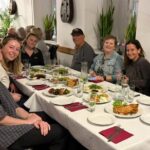
You eat your own batch, family-style, right after cooking
Polish liqueur tasting is built into the experience
Small group (max 10), easy to ask questions in English
In This Review
- Pierogi & More: Why This Warsaw Class Feels Like a Real Meal
- Getting to Stawki 3 and What the 2-Hour Flow Really Means
- Dough, Fillings, and Folding Techniques You’ll Actually Remember
- Meat vs. Vegetarian Pierogi: Learning Two Flavors Without Getting Lost
- How Cooking Turns Into a Dinner You Can Eat Immediately
- The Polish Liqueur Tasting: A Fun Finale (With Cultural Context)
- Vegetarian and Vegan Options: How to Get the Right Outcome
- Group Size, Comfort, and the One Thing to Watch
- Price and Value: What You’re Paying For at $77.97
- Who This Class Is Best For (and Who Might Skip It)
- Tips to Get the Best Results on Your Pierogi Night
- Should You Book This Warsaw Pierogi Cooking Class?
- FAQ
- How long is the Warsaw pierogi cooking class?
- Is the class offered in English?
- Do I get to eat what I make?
- Is there a vegetarian or vegan option?
- Is a liqueur tasting included?
- How big is the group?
- Is it suitable for children?
Pierogi & More: Why This Warsaw Class Feels Like a Real Meal
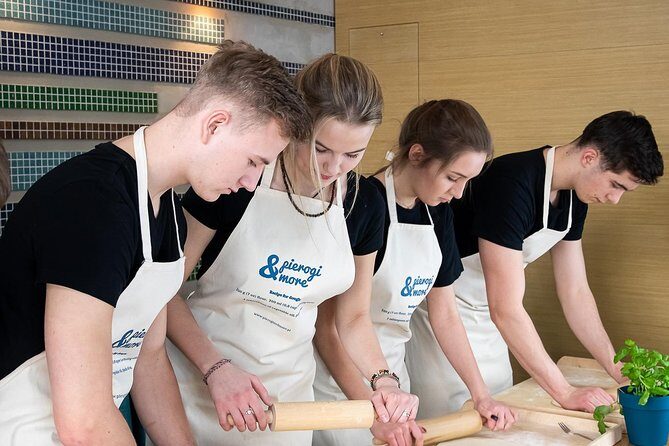
If you want to understand Polish comfort food fast, this is one of the best ways to do it. Pierogi are everywhere in Poland, but most people only ever buy them frozen. Here, you learn what actually makes pierogi taste like pierogi—how the dough behaves, how the filling is portioned, and how the folds hold the dumpling together.
The class is run by Maria Oskroba, and the teaching team includes instructors who have been named Daria, Patrycya, Patricia, Ben, Nina, and Zuzia. Even if the faces change from day to day, the format stays the same: clear guidance, lots of hands-on time, and a final sit-down meal.
It’s also a good sign that the experience has a Travelers’ Choice BEST OF THE BEST style recognition and a very high rating. That usually points to consistent pacing and organization—exactly what you want when you’re learning a dough-based dish that doesn’t forgive mistakes.
Getting to Stawki 3 and What the 2-Hour Flow Really Means
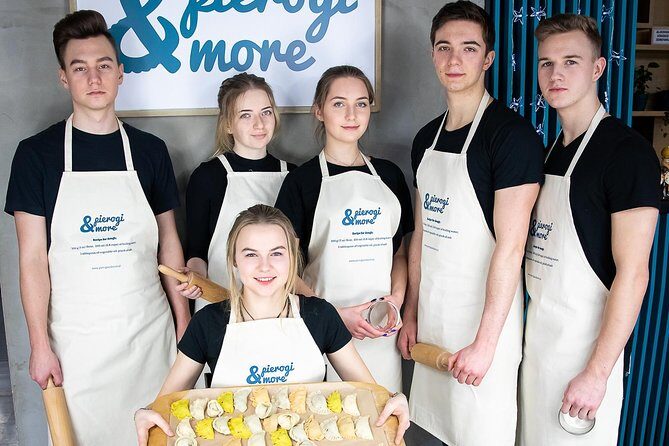
The meeting point is Pierogi & More warsztaty kulinarne, Stawki 3, 00-193 Warszawa, Poland. It’s near public transportation, and it tends to be easy to reach from central areas (many people find it walkable as well).
Time-wise, plan for about 2 hours. That’s long enough to do the full cycle—prep, shape, and cook—but not so long that you feel stuck. The session ends back at the meeting point, so you aren’t left wondering where to go next.
A small detail that matters: the class operates with a setup that works well even if you’re traveling alone. One participant noted the stations are set up for two, but the experience still feels friendly for singles and couples. With a maximum of 10 travelers, you’ll rarely feel like a number.
You’ll also get a mobile ticket. That’s not glamorous, but it’s practical when you’re juggling multiple Warsaw plans.
You can also read our reviews of more food & drink experiences in Warsaw


Dough, Fillings, and Folding Techniques You’ll Actually Remember
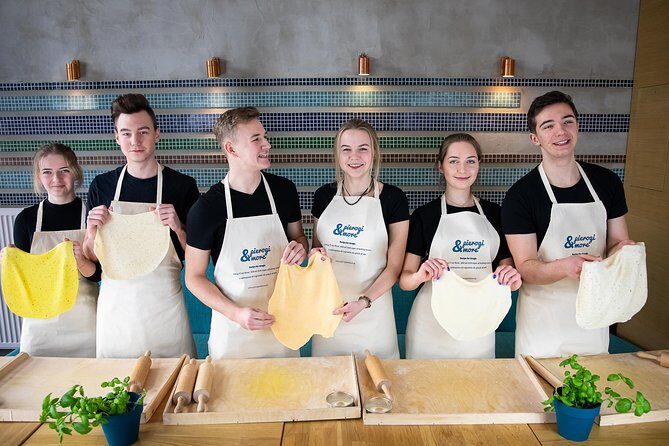
This is a Polish dumpling class, but it’s taught like a skill workshop. After a short intro (including the origins of pierogi), you move into dough work right away.
You’ll learn:
- How to knead the dough until it’s smooth and workable
- How to roll it out so it’s thin enough to fold without tearing
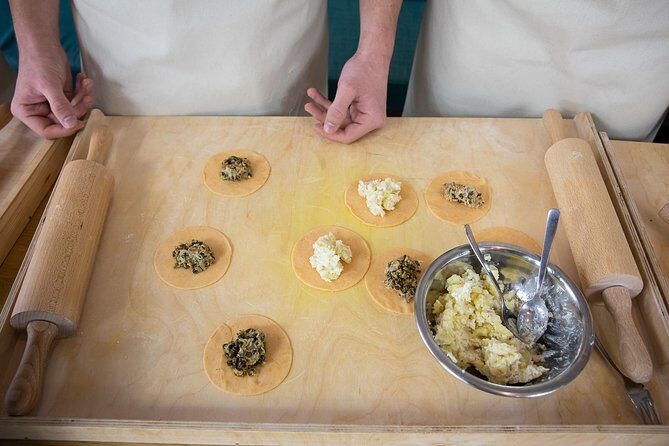
- How to portion and add fillings so the dumplings cook well
- How to fold pierogi using different techniques
- Small hacks that make the final result tastier
The class includes both meat and vegetarian dumplings. In other words, you don’t just make one basic version and call it a day. You get practice with different fillings and learn what changes when the filling is heavier, wetter, or more plant-based.
What I like most is that this isn’t piecemeal. You’re guided through the whole chain: dough behavior → filling amount → sealing method → cooking method. That’s what turns a fun evening into a takeaway you can use at home.
Meat vs. Vegetarian Pierogi: Learning Two Flavors Without Getting Lost
Making dumplings for the first time is about confidence. You’ll be handed a process, and the instructors coach you as you work. That matters because pierogi can go wrong in obvious ways—too thick dough, uneven sealing, or fillings that spill.
Here’s the practical way to think about it while you’re in class: meat pierogi often feel more dense and savory, and vegetarian pierogi can need a little more attention to texture. The teaching helps you understand how to adjust your approach so both versions feel like they belong on the same table.
You also have the chance to see what different folding techniques do. Some folds are quicker. Some look more traditional. The main point isn’t that one method is perfect—it’s that the fold helps control the final bite and keeps things from opening during boiling.
How Cooking Turns Into a Dinner You Can Eat Immediately
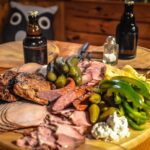
Once your pierogi are assembled, you learn how to prepare them for cooking. Then the group moves into the final stage: you enjoy a family-style meal of the dumplings the class made.
This part is more than a reward. Cooking and tasting right after you finish shaping gives you instant feedback. If something tasted bland, you can connect it to the seasoning step you just did. If the dough was tough, you remember whether it was rolled thick or handled too much.
Many people come to cooking classes hoping for a souvenir. This one delivers a practical one: a meal you understand because you made it.
One small tip: you’ll want to come hungry. The class is built so you’re not nibbling. The goal is that you leave full, with a real sense of accomplishment.
The Polish Liqueur Tasting: A Fun Finale (With Cultural Context)
The included Polish liqueur tasting gives the evening a proper Warsaw finish. It’s not an afterthought or a token sip. It’s part of the flow, and it’s taught in a light way—one participant even described a playful guiding game involving two liqueurs.
You don’t need to be a liquor expert. The value is that it turns the class into something closer to a Polish night out: food first, then small drinks to round out the experience.
If you’re the type who likes learning what to order in restaurants, this can also help you identify what you see later around Warsaw. Even if you don’t drink much, the tasting makes the food culture feel more complete.
You can also read our reviews of more cooking classes in Warsaw
Vegetarian and Vegan Options: How to Get the Right Outcome
If you’re vegetarian or vegan, this class can work well—on request. The experience explicitly offers vegetarian and vegan options.
In practice, dietary accommodations are handled carefully. One participant noted the approach included cooking vegan pierogi first to help avoid cross contamination, then moving to vegetarian and other options. Another described accommodating a dairy allergy with no problems.
That means your job before the class is simple: tell the organizer your dietary needs clearly when you book. The earlier you flag it, the easier it is for the kitchen to plan the workflow.
Also note: if you’re bringing someone with specific restrictions, don’t assume the class will guess. Use the request option so the group can handle everything the right way.
Group Size, Comfort, and the One Thing to Watch
With a maximum of 10 travelers, you get the best part of small-group cooking: enough attention from the instructors without the pressure of a private class price tag.
Still, there’s one real-world comfort issue to know about. A participant mentioned the room was very hot. If you’re heat-sensitive, wear breathable clothing and plan for a warm workshop environment. It’s better to be slightly under-dressed than to overheat while you’re kneading dough.
Another consideration, based on the style of family-style eating: you’re all eating from the class spread together. If you’re very germ-phobic, you may prefer to avoid shared plates or tables like this.
Price and Value: What You’re Paying For at $77.97
At $77.97 per person, you’re paying for more than a lesson. You’re paying for:
- Instruction in dough, filling, and folding techniques
- Ingredients and tools used during the class
- Cooking and an actual meal you eat after
- Included Polish liqueur tasting
- An English-speaking format
The biggest value is that your dinner isn’t separate. In many cities, you’d pay for a class and then pay again for food. Here, the learning and the meal are the same thing.
For solo travelers, couples, and friends, it can also be a strong way to make a connection in a short time. Because you’re working at stations and sitting together at the end, it naturally creates conversation.
If you love food and you like taking home a real skill, this price makes sense. If you only want a quick taste of pierogi with no interest in technique, you might prefer something less hands-on. But if you want to learn the process, it’s good value for Warsaw.
Who This Class Is Best For (and Who Might Skip It)
I’d book this if:
- You’re in Warsaw for a few days and want one memorable, high-value food activity
- You enjoy hands-on workshops and want to bring a recipe technique home
- You like eating what you cook, without a separate dinner plan
- You need an English-friendly experience with small group attention
I might skip it if:
- You hate cooking classes and want a purely passive activity
- You’re traveling with kids under 8, since the experience is not suitable for that age group
- You strongly dislike shared dining setups
Also, it’s a great pick for travelers who want something different from the usual Old Town stops. You can walk into this with no pierogi experience and leave feeling you could make them again.
Tips to Get the Best Results on Your Pierogi Night
These are the practical things that will help your dumplings turn out better and your evening feel smoother.
- Come hungry. The class ends with a proper family-style meal, not snacks.
- Wear comfortable clothes you can move in. You’ll be working at stations and using your hands a lot.
- Tell them dietary needs right away. Vegetarian and vegan options are available upon request, but you should specify in advance.
- Keep an eye on heat. If the room runs warm, dress accordingly.
- Ask questions early. When you’re learning folding and sealing, quick feedback matters.
If you’re also a photo person, note that one participant said pictures are taken during the class and some people receive photos afterward along with a recipe and tips. Even if that’s not guaranteed every day, it’s a nice example of how the experience can turn into a follow-up souvenir.
Should You Book This Warsaw Pierogi Cooking Class?
If you want a Warsaw food experience that’s hands-on, genuinely fun, and ends with a meal you made yourself, I’d say book it. The combination is hard to beat: pierogi-making technique, a small group, and an included liqueur tasting—all in about two hours.
The main reason to hesitate is comfort: the room may run hot, and it’s not for kids under 8. If those are dealbreakers, look elsewhere.
One last nudge: if you care about learning how to do something, not just eating it, this class is the type where you leave with a skill. Also, free cancellation is available up to 24 hours before the experience start time, which gives you flexibility as your Warsaw plans change.
If you’re planning your Warsaw shortlist, this belongs near the top.
FAQ
How long is the Warsaw pierogi cooking class?
It runs for about 2 hours.
Is the class offered in English?
Yes, the experience is offered in English.
Do I get to eat what I make?
Yes. After assembling and cooking the pierogi, you’ll eat the dumplings you produced as part of a family-style meal.
Is there a vegetarian or vegan option?
Yes. Vegetarian and vegan options are available on request.
Is a liqueur tasting included?
Yes. A Polish liqueur tasting is included as part of the experience.
How big is the group?
The class has a maximum of 10 travelers.
Is it suitable for children?
It’s not suitable for kids under 8 years old. If you bring a child, you’ll need at least one adult to take care of the child during the class.