REVIEW · KRAKOW
From Krakow: Auschwitz-Birkenau Guided Tour, Several Options
Book on GetYourGuide →Operated by Hello Cracow · Bookable on GetYourGuide
One day in Poland, and you can’t unsee it. Auschwitz-Birkenau is heavy, but this tour makes it manageable by running the day in a small group with licensed guidance and clear pacing. I also like that you enter through the famous Arbeit macht frei gate and get time in the original sites, not just a photo run. The one drawback to plan around is that the experience is time-limited, so you may not get to read everything at your own pace.
From the start, the operation feels built for stress-free logistics: a quick central meet-up, a comfortable ride out of Krakow, and friendly staff who keep things moving. On-site, the headsets help you stay connected to the guide in Auschwitz I, and the commentary is delivered with a professional, respectful tone that helps you make sense of what you’re seeing.
In This Review
- Quick Take: Auschwitz-Birkenau, in the Right Order
- Picking Up in Krakow and the 1.5-Hour Coach Ride
- Auschwitz I: Entering Through the Arbeit macht frei Gate
- The Short Break at Auschwitz I: Use It Wisely
- Auschwitz II-Birkenau: When the Scale Takes Over
- Group Size, Headsets, and Guide Style (Why It Changes Everything)
- Price and Value: Why This Costs What It Costs
- Practical Reality Check: What to Pack and How to Prepare
- Should You Book This Auschwitz-Birkenau Tour From Krakow?
- FAQ
- How long is the Auschwitz-Birkenau guided tour from Krakow?
- How much does the tour cost?
- What pickup options are available in Krakow?
- Do I need an ID or passport?
- Is hotel pickup included?
- Are entry tickets included?
- Is food provided during the tour?
- Is there a headset during the tour?
- Are pets allowed?
- What should I wear or bring for the visit?
Quick Take: Auschwitz-Birkenau, in the Right Order
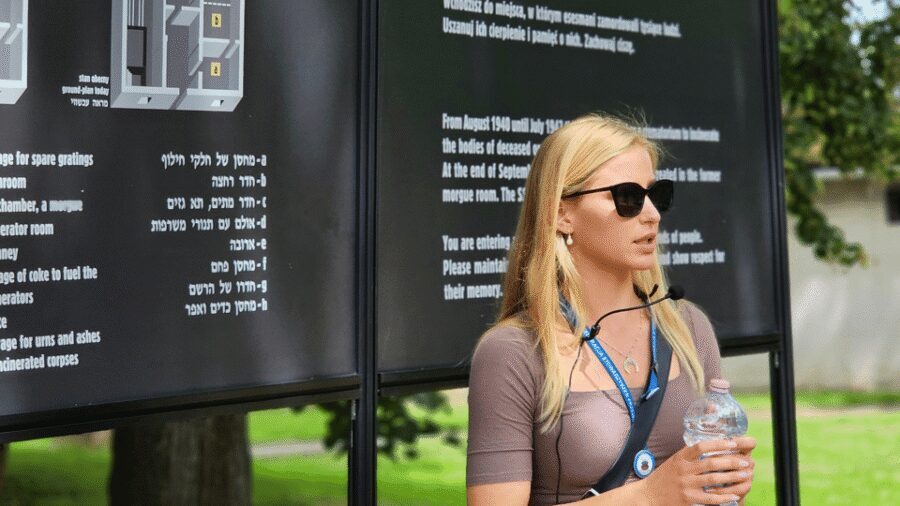
- Small-group feel: limited group sizes (often 30, with an option limited to 15) so you aren’t lost in a crowd.
- Skip-the-line entry: less waiting for tickets means more time inside the camps.
- Auschwitz I first: you start at Auschwitz I, pass through the Arbeit macht frei gate, then move on to Birkenau.
- Birkenau gets you scale: the Auschwitz II section is where the size and cruelty of the system hit hard.
- Guide names that come up often: Kamil, Szymon, Anna, Martha, Richard, Sylwia, and Michal are examples of the kind of on-the-ground professionalism people rave about.
- Short breaks only: expect about a 10–15 minute pause, then you’re back walking, so bring snacks or a pre-packed lunch.
Picking Up in Krakow and the 1.5-Hour Coach Ride
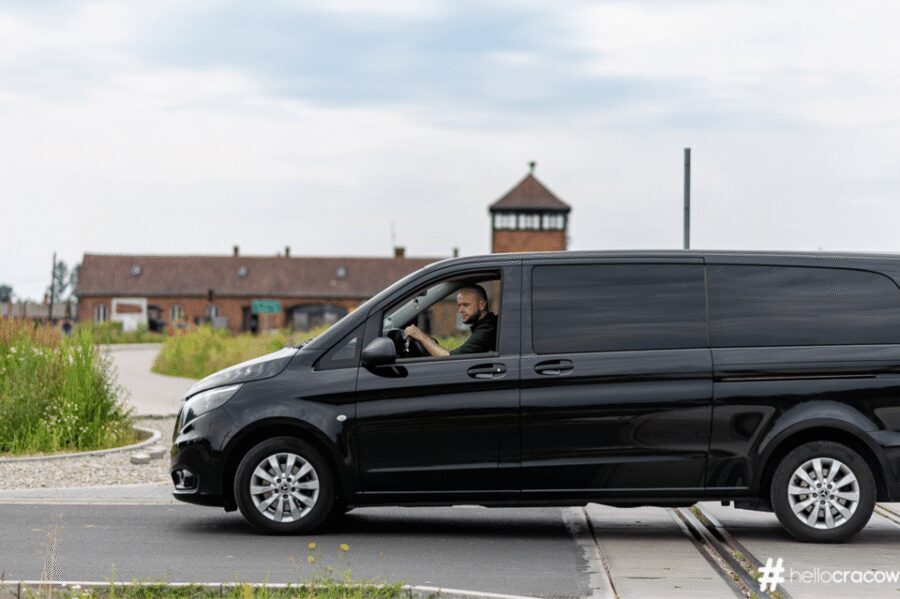
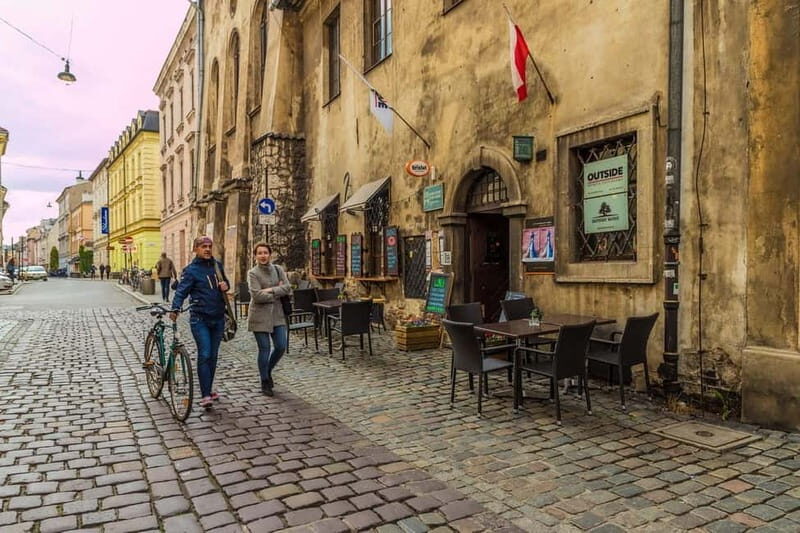
This tour is designed to keep the day simple. You choose from several Krakow pickup points, and you’ll be picked up from a nearby, accessible spot rather than having to wait at your exact address. That matters because Krakow pickup zones can be tricky, and nobody wants to waste 30 minutes playing logistics roulette.
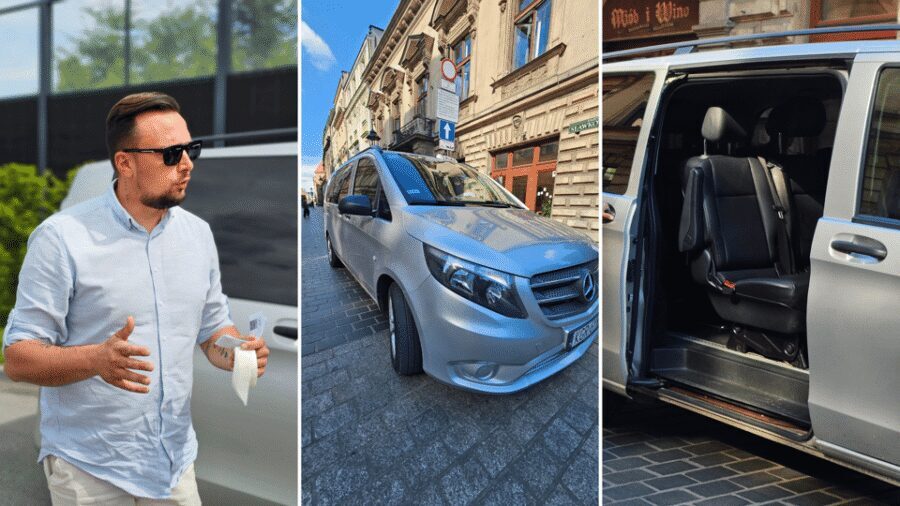
Once you’re onboard, you’ve got an air-conditioned vehicle and a smooth, about 1.5-hour ride toward Auschwitz-Birkenau. The drives are long enough that you’ll want comfortable layers and decent shoes on (more on shoes later). One practical point: the coach time is mostly about getting you there and handling entry details, so if you want nonstop storytelling on the bus, you might have to mentally switch into museum mode before you arrive.
The good news is that your time inside the sites is what counts here. With timed museum entry and organized routing, you avoid the chaos of trying to coordinate tickets and meeting points on your own. At a place this serious, “less wandering” is a feature, not a compromise.
You can also read our reviews of more guided tours in Krakow
Auschwitz I: Entering Through the Arbeit macht frei Gate
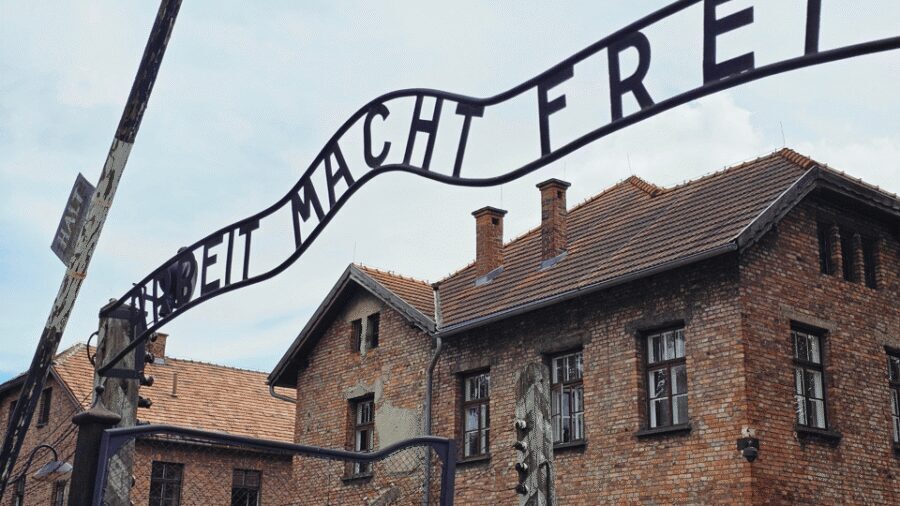
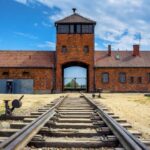
Auschwitz I is where the tour starts feeling like an enforced stop in history, not just a sightseeing day. You enter through the iconic gate that reads Arbeit macht frei. It’s a chilling detail because it’s more than symbolism; it sets the mood for everything that follows.
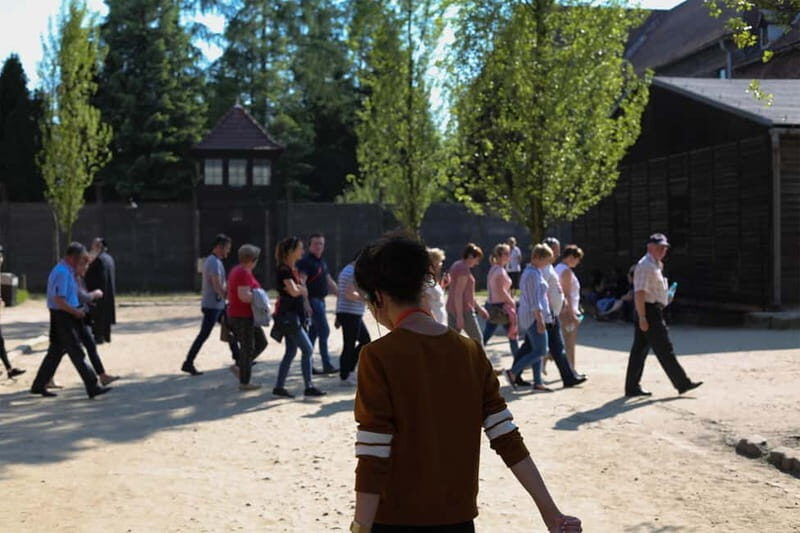
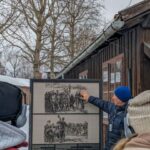
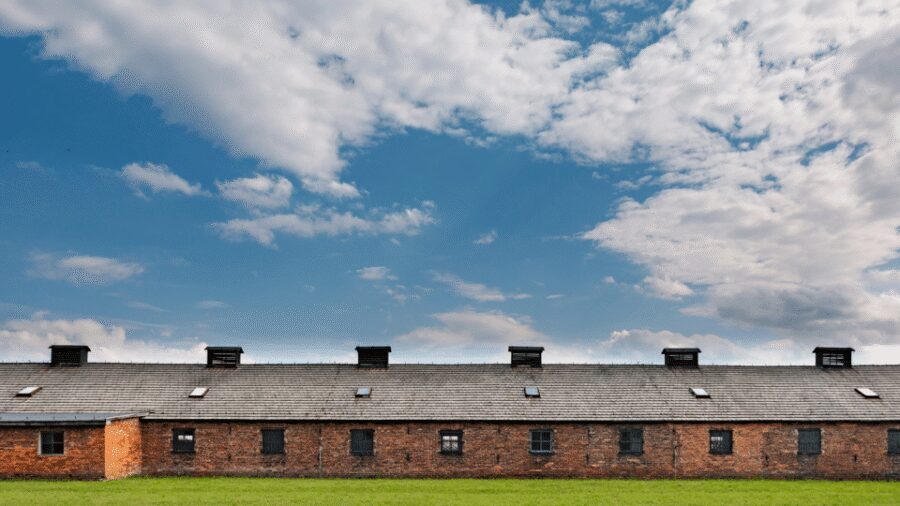
Inside Auschwitz I, you’ll spend about two hours with a licensed local guide. You’ll see original barracks, the fortified walls, barbed wire, and gas chambers. The guide’s job is not to “perform.” It’s to help you understand what the space was built for and what prisoners endured there.
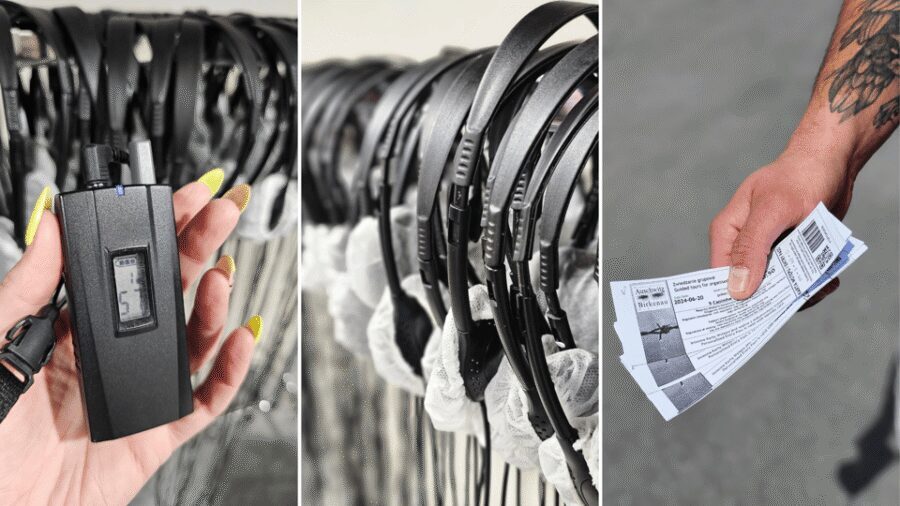
I like the way the tour uses a live guiding approach with headsets in this first camp section. You can stand where you need to stand, look at what’s in front of you, and still hear the explanation clearly. That matters because Auschwitz is full of objects and small details that you’d otherwise miss—like prisoners’ personal belongings, which help turn statistics into human lives.
What to watch for: this is not a slow, read-every-sign kind of visit. The day has to move between camps, and you’re working within museum scheduling. If you’re someone who likes to linger and absorb every caption, you’ll still want to bring that urge—but accept that the tour prioritizes a guided overview of what you’re seeing.
The Short Break at Auschwitz I: Use It Wisely
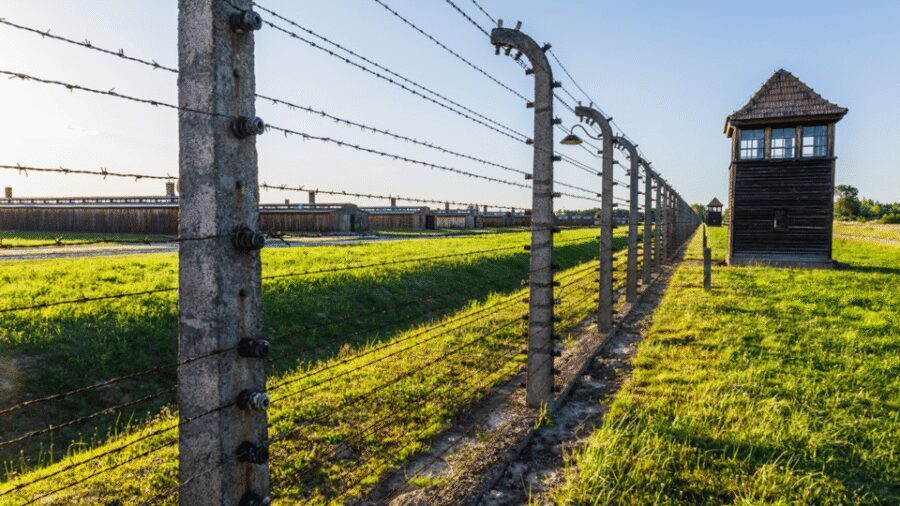
After Auschwitz I, you get a brief break—roughly 10 to 15 minutes—before heading to Auschwitz II-Birkenau. This pause is short on purpose. Auschwitz is spread out, and the whole site is massive. The tour can’t cover everything, so timing is built around the places that create the clearest understanding.
Use this break for what you actually can’t do during the guided parts: reset your feet, use the restroom if needed, and take a moment to get water and regroup emotionally. A short break also helps you stay respectful and attentive when you return, because Birkenau is where the scale becomes almost unreal.
If you didn’t pack food, don’t count on being able to grab a full meal on-site. Food is not included, and the tour is not structured around a long lunch stop. Bring a snack or a packed lunch so you’re not forced to make tough decisions while tired and cold.
Auschwitz II-Birkenau: When the Scale Takes Over
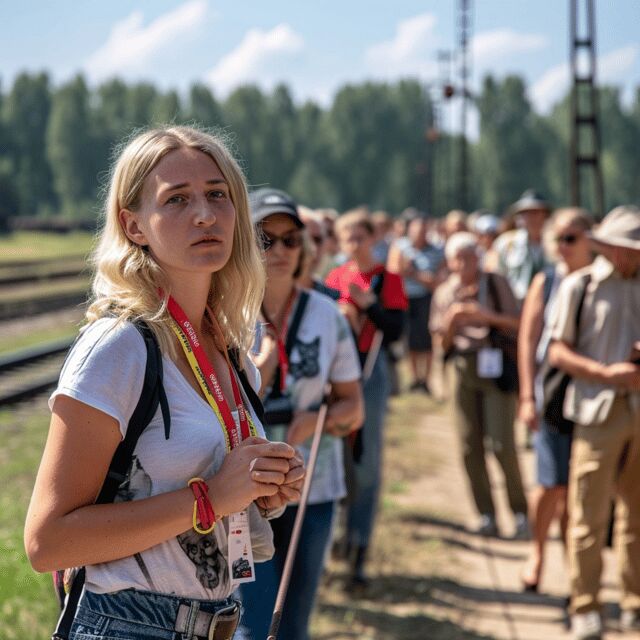
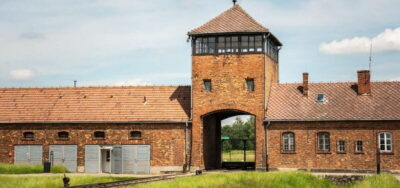
Birkenau, or Auschwitz II, is visited next, and the transfer is quick—about a few minutes by vehicle. This small travel time is useful because it keeps the focus on the two different “chapters” of the camp system rather than turning the day into nonstop commuting.
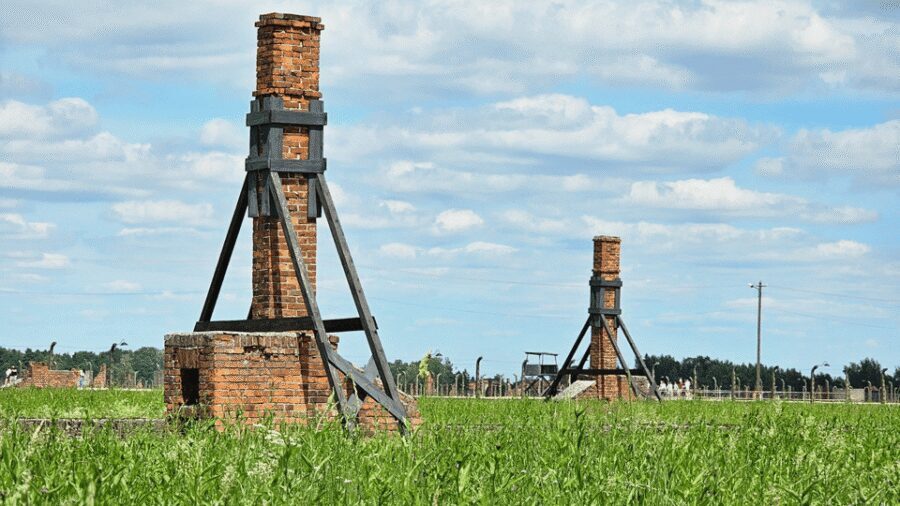
The guided Birkenau portion runs about an hour. In that time, you’ll learn about prisoner stories and the awful living conditions in the camp system. The guide typically ends this section by discussing liberation in 1945 and why remembrance matters.
What I find valuable here is that Birkenau changes how you think about Auschwitz. Auschwitz I often feels like a dense, concentrated “processing” environment. Birkenau expands your understanding into space, numbers, and forced movement. You start to grasp why the system was designed to control people through geography as much as through violence.
A consideration for your expectations: one hour is not enough to see every structure at Birkenau. The tour explicitly can’t cover the whole site. So treat the visit like a guided orientation to the most important areas, then decide later if you want additional time to return on your own.
Group Size, Headsets, and Guide Style (Why It Changes Everything)
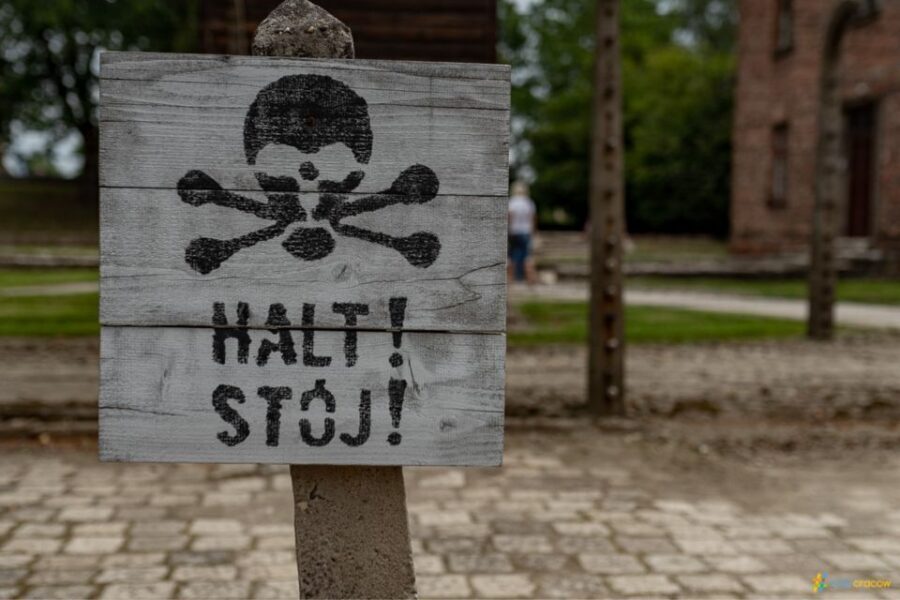
In tours like this, the guide matters as much as the route. This one is run with licensed local guides, and the overall approach tends to be professional and measured—explaining the facts clearly without turning it into a dramatic monologue.
The names that come up often for excellent guiding include Kamil, Szymon, Anna, Martha, and Richard. While you won’t know which guide you’ll get until closer to the day, you can expect a respectful tone and a focus on clear explanation. Several people emphasize that the guides delivered hard material carefully, helping them understand rather than just feel shocked.
You’ll also appreciate the structure:
- Headsets in the first camp section help you track the guide’s direction while staying in your own viewing position.
- The pacing keeps the group together, which means you don’t miss the crucial pieces due to delays.
- The day flow reduces stress at the site, where time and attention are already hard.
Still, be aware of pacing trade-offs. Some participants felt the overall visit can feel a bit rushed in terms of reading everything on your own. That’s not a sign something is wrong—it’s the reality of how museums schedule entry, how groups move, and how long the walk is across outdoor areas.


Price and Value: Why This Costs What It Costs
At about $27 per person for a 7–8 hour day, the value here is tied to what’s included rather than the bus ride alone. You’re paying for:
- round-trip transport from Krakow in an air-conditioned vehicle,
- museum entry fees for both Auschwitz I and Auschwitz II-Birkenau,
- a licensed local guide for both camp sections,
- a headset system for the first camp visit,
- and timed access that helps you skip the ticket line.
If you tried to build this day yourself, you’d spend time coordinating transport, buying timed tickets, and lining up guides, especially during peak museum periods. Paying this price is really about buying back your attention. When you’re standing in Auschwitz, it’s better to focus on the site than on solving logistics.
So yes, it’s affordable compared with many “guided major site” tours in Europe. But it’s also not a bargain in the casual sense. You’re paying for entry to a difficult place and for guided interpretation that helps you make meaning without being overwhelmed.
Practical Reality Check: What to Pack and How to Prepare
You’ll want to treat this like both a museum visit and an outdoor trek. Even in colder months, a large portion of the day is outdoors, and the ground and weather can be unpleasant.
Here’s the practical checklist that matters:
- Bring passport or ID. Full names must match the ID details exactly, and they will be checked at entry.
- Wear comfortable shoes. You’ll walk a lot across uneven, outdoor areas.
- Dress appropriately. Short skirts and sleeveless shirts are not allowed.
- Avoid large bags and luggage. If you bring too much, you risk issues at security.
- Don’t forget snacks or a packed lunch. Food is not included, and there’s no time for a long meal.
- Plan for an airport-style security check before entering.
On behavior: the tour is guided only, and you’ll need to follow respectful museum rules. No smoking, no loud behavior, and you won’t be eating inside the guided areas. It sounds strict because it is. That strictness is part of what keeps the experience dignified.
Also, accessibility is limited. The tour is not wheelchair accessible, so if mobility is a concern, you’ll need to choose another option.
Should You Book This Auschwitz-Birkenau Tour From Krakow?
If you want an organized, guided Auschwitz-Birkenau day that covers Auschwitz I and Auschwitz II in the right sequence, this is a strong pick. The value is clear: transport, timed entry, expert guidance, and headsets in Auschwitz I. Add in the fact that the operation is built around smooth communication and tight scheduling, and it’s the kind of tour that helps you focus on the visit rather than the planning.
I’d say book it if you:
- want guided structure through both camps,
- appreciate clear explanations delivered with a respectful tone,
- and prefer small-group pacing over free-form wandering.
I’d reconsider if you:
- need wheelchair access,
- or you’re determined to spend long, quiet hours reading every sign at your own pace rather than following a guided timeline.
FAQ
How long is the Auschwitz-Birkenau guided tour from Krakow?
The total duration is about 7 to 8 hours.
How much does the tour cost?
It costs $27 per person.
What pickup options are available in Krakow?
There are several pickup locations in Krakow, including Józefa Dietla 91, Wielopole 2, Pawia 18a, and Starowiślna 65, plus other listed options.
Do I need an ID or passport?
Yes. Passport or ID card is mandatory, and your full name must match what you provide during booking.
Is hotel pickup included?
Yes. Pickup and drop-off in Krakow are included, with some options limited to smaller group sizes.
Are entry tickets included?
Yes. Entry fees for Auschwitz I and Auschwitz II-Birkenau are included.
Is food provided during the tour?
No. Food is not included, and you should bring a packed lunch or snack because there is no time for a full meal on-site.
Is there a headset during the tour?
A headset is provided to hear the live guide in the first camp (Auschwitz I).
Are pets allowed?
No, pets are not allowed.
What should I wear or bring for the visit?
Bring comfortable shoes, a weather-appropriate outfit, passport or ID, and water/snacks. Avoid short skirts and sleeveless shirts.