REVIEW · KRAKOW
Krakow: Street Food Walking Tour
Book on GetYourGuide →Operated by excursions.city · Bookable on GetYourGuide
Krakow eats best when you walk. This 90-minute street food tour turns the Main Square area into a simple tasting route, with small-group energy and real stories behind what you’re eating. I love the way it feeds you Krakow classics in an organized sequence, and I love how your guide makes the history of Polish food click without turning it into a lecture.
The one consideration: the menu includes common allergens (gluten/wheat, dairy, eggs, meat, nuts, and more), and the tour is not suitable for wheelchair users. If you have serious dietary restrictions, you’ll need to double-check before you book.
In This Review
- Key things that make this tour worth your time
- A 90-minute taste route from Saint Mary’s Church
- Street-food lineup: obwarzanek, zapiekanka, pierogi, and oscypek
- Obwarzanek: Krakow’s bagel-like classic
- Zapiekanka: open-faced comfort on a roll
- Pierogi: the dumpling you’ll keep thinking about
- Pickled treats: the sharp reset
- Kiełbasa: sausage done the Polish way
- Regional cheeses: oscypek and bundz
- Sweets and Polish alcohol: a final flourish
- City-center pacing that keeps you chatting
- The market stop: why regional products change the whole tour
- Guides who connect Polish food to daily life
- Vodka, sweets, and how to handle the alcohol tasting
- Price and value: is $35 fair for 90 minutes?
- Who should book, and who should skip
- Should you book this Krakow street food tour?
- FAQ
- Where is the meeting point?
- How long is the tour?
- How much does it cost?
- How big is the group?
- What languages are offered?
- Is the tour wheelchair accessible?
- Is it okay for vegans or for people with food allergies?
- What food is included in the tastings?
- Do I need to arrive early?
- Is there free cancellation?
Key things that make this tour worth your time
- Start at Saint Mary’s Church (Main Square): easy to find, right where Krakow’s center hums.
- A classic snack lineup, not just one bite: obwarzanek, zapiekanka, pierogi, sausage, pickles, regional cheeses, sweets, and Polish alcohol.
- Ask-for-the-recipe friendly stops: you can learn what makes each treat different and where to look for it later.
- Market time adds variety fast: the stop at a market gives you more regional products to taste and compare.
- Small groups (max 15): enough attention for questions, not so big that you feel rushed.
- Guides bring food and context together: names you might get include Alicja, Joanna, Olga, Carolina, Peter, and more.
A 90-minute taste route from Saint Mary’s Church
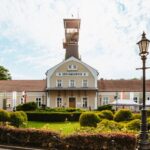
I like tours that get you moving right away, without hours of setup. This one starts in front of Saint Mary’s Church (Kościół Mariacki) from Krakow’s Main Square, where the guide holds an excursions.city sign. You’ll be joining a max of 15 people, which matters because the guide can actually talk to you, not just talk at you.
The whole experience is designed to fit a short window: 90 minutes in the city center. That time pressure can be a blessing. You’ll cover more ground than a single restaurant meal, while still keeping the walk manageable. It’s also a good move if you’re only in Krakow for a day or two and you want instant context for what to order later.
Aim to arrive around 10 minutes early. Once the group leaves, late arrivals can’t join, so being on time keeps your tour from turning into a regretful souvenir hunt.
You can also read our reviews of more walking tours in Krakow
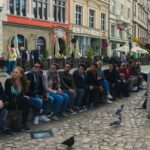
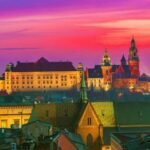
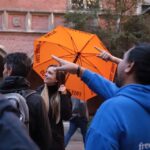
Street-food lineup: obwarzanek, zapiekanka, pierogi, and oscypek
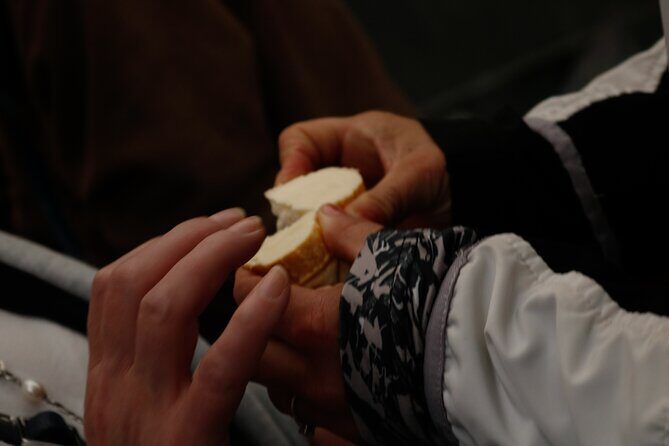
This tour stands out because it doesn’t treat street food like novelty. It treats it like a food language, and you learn the vocabulary by tasting it.
Here’s what’s included, and what it means for your stomach and your memory:
Obwarzanek: Krakow’s bagel-like classic
You’ll start with obwarzanek, Krakow’s bagel-shaped street snack. It’s centuries-old in the sense that it’s tied to long-running local habits, not “new fusion.” Expect a chewy, baked feel, often with a crunchy topping, and a flavor that’s both simple and deeply local.
Why I like this as a first bite: it’s filling enough to anchor the tour, and it helps you “get” the texture of Polish street snacking before you move on to richer items.
Zapiekanka: open-faced comfort on a roll
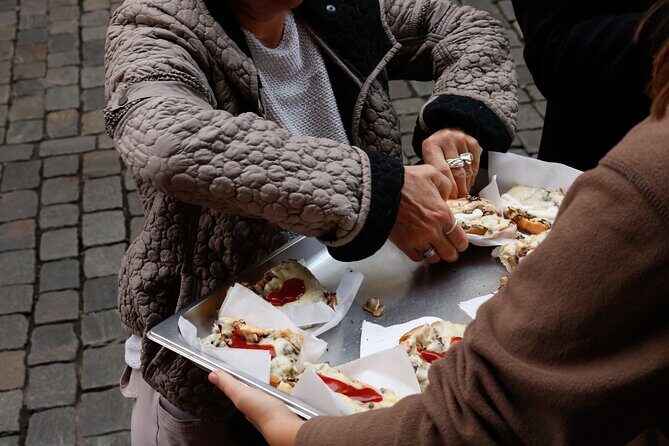
Next up is zapiekanka, an open-faced baguette loaded with savory toppings. This is the kind of food you can imagine grabbing while you’re out sightseeing, and it’s also a great benchmark for how Polish cooks build flavor through toppings and seasoning rather than fancy plating.
Practical tip: go slow. It can be easy to get excited and rush, then the next stop feels too close behind.
Pierogi: the dumpling you’ll keep thinking about
You’ll taste pierogi, the Polish dumplings that show up everywhere for a reason. On a street-food tour, pierogi are useful because they cover both comfort and technique: dough, filling, and often a finish with butter, onions, or other traditional partners.
If you’ve only had pierogi in a touristy setting before, this kind of tasting is a fast reality check. The goal isn’t a full meal, but you should leave with strong “I can recognize that” instincts.
You can also read our reviews of more food & drink experiences in Krakow

Pickled treats: the sharp reset
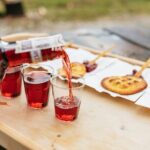
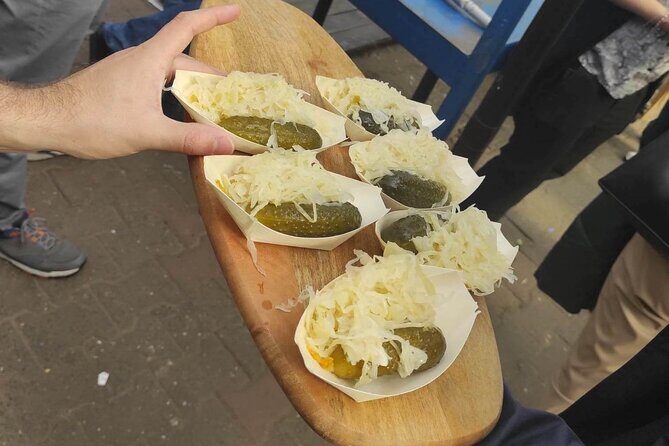
You’ll also get pickled treats, which act like a palate reset between heavier bites. This is one of those small inclusions that makes the whole tour work, because your taste buds need contrast. The tang helps you keep enjoying food rather than turning the walk into a slog.
Kiełbasa: sausage done the Polish way
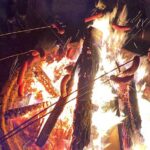
Sausage (kiełbasa) is part of the tasting mix. It’s a classic anchor item, and it’s usually one of the quickest ways to understand how Polish street food can be both straightforward and satisfying.
Regional cheeses: oscypek and bundz
This is where the tour becomes more than just “city center snacks.” You’ll taste oscypek and bundz, traditional highlander cheeses. Even if you don’t know the names yet, the flavors are distinctive enough to stick with you.
Why it’s valuable: cheeses like these connect Krakow to the broader Polish regions you might not see on your own during a short trip. It gives you a broader map of the country’s food identity.
Sweets and Polish alcohol: a final flourish
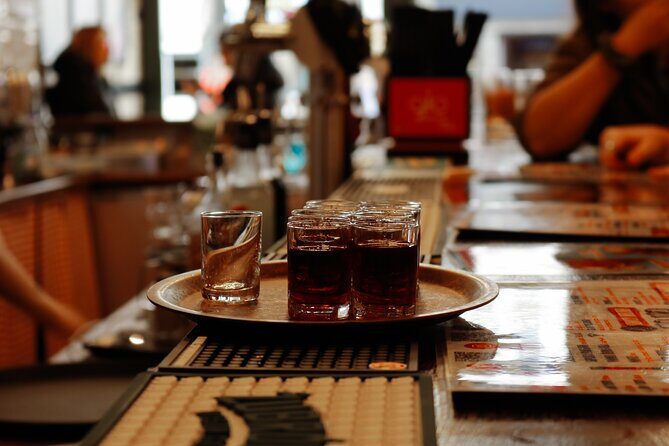
The tour includes sweets & Polish alcohol. You should be ready for traditional Polish vodka as part of the experience, and some guides include a shot experience that’s very much part of Krakow’s food-story tradition. One reviewer-style detail you should take seriously: it can include a lemon vodka variation, which is still strong but changes the flavor profile.
If you don’t drink alcohol, check what’s possible with your guide when you book. The tour is explicit that Polish alcohol is part of the included tasting, so don’t assume you can swap it out at the last second.
City-center pacing that keeps you chatting
A lot of food tours fail because they either move too fast or stop too often without purpose. Here, the structure feels built around short walking bursts plus quick tastings, with enough time to talk.
The guide-led format also shows up in the group interaction. Guides like Alicja, Joanna, Olga, Carolina, and Peter are mentioned often for being friendly and for linking each food stop to what was going on in Krakow or Poland at the time. That’s not just trivia. It helps you remember what you ate and why it matters.
One review-style pattern I’d treat as advice for you: don’t worry if the tour feels “fast paced” for the first 20 minutes. By stop two, you usually settle into the rhythm.
Also, plan for the fact that it’s still a walking tour. If you’re comfortable walking around a historic center, you’ll be fine. If you want a slow stroll with long sit-down breaks, this isn’t that kind of experience.
The market stop: why regional products change the whole tour
After the main tasting stops, you’ll head to a market where you can sample additional regional products. This part matters because it shifts you from eating “tour snack logic” into real comparison shopping logic.
At a market stop, your job is simple:
- notice ingredients and textures
- ask what something is called and how it’s commonly eaten
- look for items you want to hunt down later for your own grocery-run version of the tour
It’s also a smart place to use your guide’s expertise. A good question like what people buy for a typical meal can lead you to answers that are more useful than the food itself.
If you’re the type who likes to keep exploring after a tour, the market time is the part that sets you up best for future meals. It gives you names, flavors, and category ideas, so when you’re back on your own you don’t feel lost staring at a menu.
Guides who connect Polish food to daily life
The most praised part of this tour is the guides. The food is the headline, but the explanation is the part that helps you “travel with your brain on,” not just your phone camera running.
Guides you may encounter include Alicja, Joanna, Olga, Carolina, Peter, and others. What consistently comes through is:
- they keep explanations clear and easy to follow
- they make time for questions
- they tie the tastings to Polish food habits and Krakow context
That last part is key. Street food isn’t random. It’s shaped by what’s available, how people cook at scale, and what tastes good to locals across seasons. When the guide explains that, your food tour becomes a shortcut to understanding the country.
If you’re traveling solo, this is especially helpful. A small group format means it’s easier to connect and ask things like what to order later or where to go for a certain flavor you liked.
Vodka, sweets, and how to handle the alcohol tasting
Alcohol on a walking food tour can go two ways: a fun bonus, or a forced stumble. Here, Polish alcohol is included, and you should be ready for vodka as part of the experience.
A practical way to handle it:
- take a sip, then pause before the next bite
- stay in control of your pace so you don’t rush the taste
- drink water if you need it
If you’re not sure about your tolerance, you can treat the shot like a guided flavor marker rather than a goal. The point is to taste how Polish drinks often show up with food, not to win a drinking contest.
And if you’re returning later the same day, keep your plan simple. Krakow has a lot of distractions, so don’t book a long, late evening right after the tour unless you know how you react to vodka.
Price and value: is $35 fair for 90 minutes?
At $35 per person for about 90 minutes, the value comes from the number and variety of included tastings. You’re not paying for a walking lecture. You’re paying for multiple food items, plus Polish alcohol, plus a guide who manages the route and context.
Let’s translate that into real value:
- You get a structured lineup: doughy snack, open-faced savory, dumplings, pickles, sausage, regional cheeses, sweets.
- You also get market time, which adds variety without requiring you to plan your own food crawl.
- Small group size (max 15) increases the chance of real interaction, not just passive listening.
If you were to try these foods on your own without guidance, it’s harder to know what to order and when. A guided tasting helps you avoid the most common mistake: choosing one or two safe items and missing the rest of Krakow’s food identity.
Who should book, and who should skip
This tour is best for you if you:
- want an efficient way to learn Krakow’s street food basics
- like food-and-context guides who explain what you’re eating
- enjoy small group interactions and asking questions mid-walk
- plan to eat more in Krakow after the tour and want leads
It may not be right for you if:
- you’re dealing with gluten/wheat, dairy, eggs, meat, sesame, nuts, or other serious allergies
- you’re a vegan (the tour is not recommended for vegans, and the included foods contain common animal-based ingredients)
- you use a wheelchair or need accessibility accommodations, because it’s not suitable for people with disabilities and it’s not for wheelchair users
If you have a mild intolerance but not a severe allergy, you’ll still want to be cautious. The tour explicitly warns that many products may contain allergens or traces thereof.
Should you book this Krakow street food tour?
I’d book it if you want a fast, flavorful introduction to Polish eating habits in Krakow’s center. The combination of multiple included tastings, a market stop, and guide-led context is a strong value at $35. It also works well as a first activity because it gives you names and flavor expectations you can use for the rest of your trip.
Skip it (or at least contact the provider before booking) if you have serious allergies, strict dietary needs, or accessibility constraints. And if you hate walking, be aware this is still a city-center walking format.
If you’re flexible and hungry for real Krakow food, this is one of the easier ways to get your bearings fast and still leave with a full stomach and a list of what to hunt down later.
FAQ
Where is the meeting point?
Meet your guide in front of Saint Mary’s Church (Kościół Mariacki) from Krakow’s Main Square. The guide holds an excursions.city sign.
How long is the tour?
The duration is 90 minutes.
How much does it cost?
The price is $35 per person.
How big is the group?
The group is limited to a maximum of 15 participants.
What languages are offered?
Tours run with a live guide in Italian, French, or English (one language per tour).
Is the tour wheelchair accessible?
No. The tour is not suitable for people with disabilities and is not recommended for wheelchair users.
Is it okay for vegans or for people with food allergies?
It is not recommended for vegans, and it’s also not recommended for people with allergies or intolerances to gluten, wheat, dairy, eggs, meat, sesame, or nuts. Many items may contain allergens or traces.
What food is included in the tastings?
Included tastings include obwarzanek, zapiekanka, pierogi, pickled treats, sausage (kiełbasa), traditional highlander cheeses (oscypek and bundz), plus sweets and Polish alcohol.
Do I need to arrive early?
Yes. Arrive about 10 minutes before the tour begins. Once the group departs, latecomers can’t join and tickets can’t be refunded.
Is there free cancellation?
Yes. You can cancel up to 24 hours in advance for a full refund.