REVIEW · KRAKOW
Krakow: Wawel Castle & Cathedral Guided Tour
Book on Viator →Operated by excursions.city · Bookable on Viator
One hill. Two worlds. This tour stitches them together fast. You’ll start in royal rooms that explain how Poland’s monarchs ruled through art and power, then move into the Gothic cathedral where the names of kings and national heroes are tied to real places you can stand inside.
I love that admission is built in, so you’re not wasting part of your short visit hunting tickets. I also love how the guide connects the art to the people behind it—so a Flemish tapestry or a carved chapel detail feels like evidence, not decoration.
One thing to consider: the day moves at a museum pace. With just about 2 hours for both stops, you’ll see a lot, but you won’t linger like you would on a free wander.
In This Review
- Key highlights
- Wawel as a single story: kings, faith, and art
- Where you meet and how to get to Wawel without stress
- Inside the Royal Castle: paintings, tapestries, and the Ottoman tents
- Wawel Cathedral tower and crypts: the Sigismund Bell and who’s buried there
- Is it worth about $59? How the 2-hour small-group pace really works
- Should you book this Wawel tour?
- FAQ
- How long is the Krakow Wawel Castle and Cathedral guided tour?
- Is the tour offered in English?
- What is included with the ticket price?
- Where do I meet the guide?
- Is the meeting point on Wawel Hill?
- What dress code should I follow?
- How large are the tour groups?
- What should I do if I arrive late?
- Can I cancel for a full refund?
Key highlights
- Admission included to help you avoid ticket-line delays
- Small-group size (max 30) for a more controlled pace and better attention
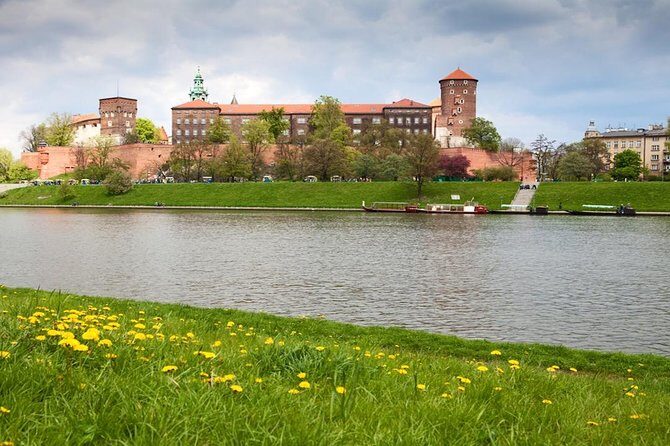
- Wawel Castle showcases Renaissance/Baroque interiors plus art and historic military pieces
- Eastern art surprise: the largest set of Ottoman tents in Europe
- Wawel Cathedral includes chapels, the Sigismund Bell climb, and the royal crypts
- Dress code matters: cover knees and shoulders for places of worship and selected museums
Wawel as a single story: kings, faith, and art
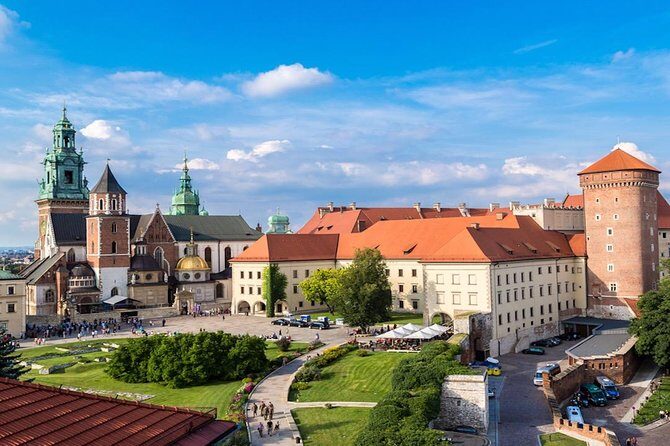
Wawel is one of those places where you quickly see how politics and religion were welded together in Poland. The tour makes that connection clear, because you get the “before and after” of power: first in the royal residence, then in the cathedral that witnessed coronations, weddings, and funerals.
At the castle stop, you’re not just looking at pretty rooms. You’re walking through spaces that have been shaped into a museum setting since 1930, where the past is laid out as objects—paintings, sculptures, porcelain, military items, and tapestries. The cathedral stop then pulls those same themes into a spiritual key, with chapels and altars, a tower climb for the Sigismund Bell, and finally the crypts where leaders and major cultural figures rest.
You can also read our reviews of more guided tours in Krakow


Where you meet and how to get to Wawel without stress
The meeting point is not up on the hill. You meet at Pomnik Piotra Skargiplac Świętej Marii Magdaleny (31-044 Kraków), and the end point is at Wawel Cathedral (31-001 Kraków). That sounds small, but it can save you from that late-arrival scramble when your brain assumes the tour starts at the famous hill entrance.
Do plan to arrive 10 minutes early. Once the group leaves, latecomers can’t join, and tickets are non-refundable. It’s a straightforward rule, but it can feel strict when you’re already in Kraków timing mode—so set a buffer before you join the group.
This tour runs in English, and the group sticks to one language. If you prefer back-and-forth questions, keep them short and on-topic. With a fixed schedule across castle and cathedral, guides generally have to keep moving.
Inside the Royal Castle: paintings, tapestries, and the Ottoman tents
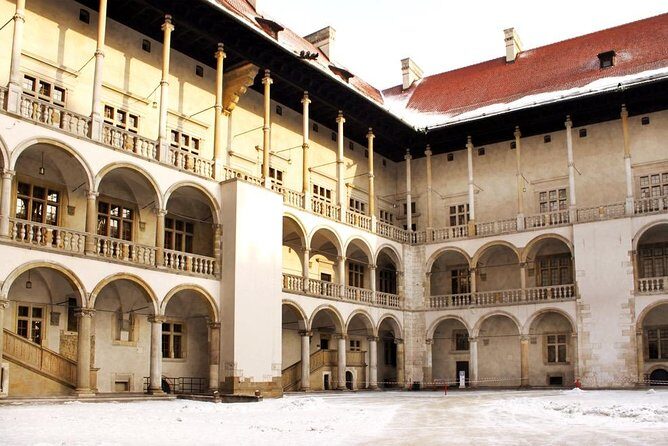
The castle portion is where the tour gives you a mental map of the Polish monarchy through art. You’ll start by stepping into Wawel Royal Castle and entering the museum-like galleries filled with Renaissance and Baroque interiors. Think grand rooms, plus collections that cover everything from fine art to historical objects.
Some of the standouts described on the tour include:
- Flemish tapestries commissioned by King Sigismund II Augustus. These weren’t made just to look good; they were a statement of status and connection to powerful art traditions.
- Italian Renaissance masterpieces from the Lanckoroński collection. If you’ve seen similar “big-name” European schools elsewhere, you’ll recognize the style choices here and get a sense of why collectors mattered.
- Military artifacts and other historic items mixed into the narrative. That’s a useful reminder that royal life wasn’t only ceremony—it was also defense, strategy, and power.
Then comes a detail that makes this stop feel fresh even if you’ve toured other palaces: the Eastern art collection, including the largest set of Ottoman tents in Europe. It’s the kind of object that turns history from a textbook topic into something physical. You’ll get a quick interpretation of what those tents represent and why they mattered in the larger world of trade, diplomacy, and contact.
Practical tip: wear shoes you’re comfortable standing in for a while. The castle galleries are not a long sit-down experience, and your best bet is to pace yourself so you don’t burn out before the cathedral.
Wawel Cathedral tower and crypts: the Sigismund Bell and who’s buried there
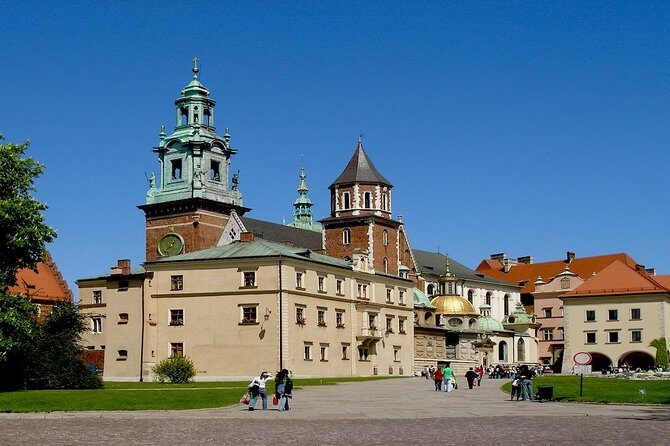
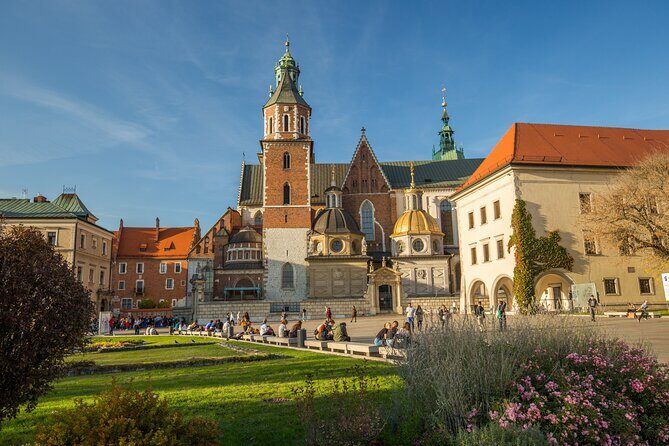
If the castle is about the monarchy’s public face, the cathedral is where the tour makes that monarchy feel human. Wawel Cathedral is described as a Gothic masterpiece, and the guide frames it as a living witness to major events: coronations, weddings, and funerals of Polish monarchs. You can feel that through the layout—chapels and altars give you smaller stages for big stories.
The tour highlights the signature moment: you’ll climb up to see the Sigismund Bell. There’s a well-known tradition tied to it—touching it is said to bring good luck. Even if you’re not big on rituals, this is a fun, concrete activity in the middle of a pretty intense “history content” day.
After the tower, you descend into the crypts, where kings, queens, poets, and national heroes are laid to rest. This is where a good guide earns their pay. Strong guides (people have mentioned names like Helena and Ana) tend to do something important: they translate tomb inscriptions and family power games into a story you can follow. The result is that the crypt stops being a “walk past graves” moment and becomes a map of how Poland remembers itself.
A quick note on the cathedral visit: there’s a dress code for places of worship and selected museums. Shorts and sleeveless tops are not allowed, and both men and women must cover knees and shoulders. If you’re traveling in summer, bring a light layer you can pull on fast.
Is it worth about $59? How the 2-hour small-group pace really works
This tour costs $59.26 per person and runs about 2 hours. That price isn’t just paying for entry fees—it’s paying for time. You’re getting two major sites tied together with a guide, plus admission included at both stops, which helps you avoid wasting time in ticket lines.
The small-group setup is part of the value. The group limit is max 30 participants, which helps keep the experience from turning into a loud shuffle. It also tends to make it easier to hear directions at key moments—like when the tour switches from castle rooms to cathedral chapels, and when the bell climb is your chance to do it.
The main “trade-off” is that the schedule is tight. Even with a good guide, you won’t get hours inside every corner. One practical way to handle that is to decide in advance what you care about most:
- If you love art, focus on the tapestries, Renaissance paintings, and standout installations like the Ottoman tents.
- If you love political history, lean into the monarchy framing and then the crypt stories.
- If you love views, remember the tower moment is part of the plan, so don’t treat it like an optional add-on.
Also, expect information density. Multiple guests have mentioned that the pace can feel fast or heavy on dates and details. My advice: go in with a few questions in your head (Who ruled when? Why is the bell famous? Who is buried here and why?). When you have a question, the facts start sticking instead of bouncing off.




Should you book this Wawel tour?
I’d book this if you want a smart, time-efficient way to see Wawel’s two biggest pillars—castle and cathedral—without juggling tickets or guessing your way through the story. The admission being included is a clear convenience win, and the small-group size keeps the visit more organized than a self-guided sprint.
You might skip it (or add extra time for your own wandering) if you’re the type who likes to linger silently in galleries or if you’re sensitive to fast pacing. The tour is built for coverage in a short window.
If you do book, come dressed for the cathedral, arrive early at the correct meeting point down at Pomnik Piotra Skargiplac, and be ready to trade a little free time for a lot of context. Done that way, Wawel stops feeling like just another historic site and starts feeling like a place where Poland’s story is still visible.
FAQ
How long is the Krakow Wawel Castle and Cathedral guided tour?
The tour runs about 2 hours.
Is the tour offered in English?
Yes, it is offered in English.
What is included with the ticket price?
Admission tickets are included for both the Wawel Royal Castle and the Wawel Cathedral portions.
Where do I meet the guide?
The meeting point is Pomnik Piotra Skargiplac Świętej Marii Magdaleny, 31-044 Kraków, Poland.
Is the meeting point on Wawel Hill?
No. The meeting point is not located on Wawel Hill; it is at the location listed on your voucher.
What dress code should I follow?
For places of worship and selected museums, you must cover knees and shoulders. Shorts and sleeveless tops are not allowed.
How large are the tour groups?
This tour has a maximum of 30 travelers.
What should I do if I arrive late?
Arrive about 10 minutes early. Once the group has departed, latecomers cannot join, and tickets are non-refundable.
Can I cancel for a full refund?
Free cancellation is available up to 24 hours in advance for a full refund.