REVIEW · KRAKOW
Communist Krakow – Nowa Huta Walking Tour in English
Book on GetYourGuide →Operated by Walkative Tours · Bookable on GetYourGuide
Nowa Huta turns propaganda into pavement. This English walking tour through Krakow’s Communist district is a rare chance to see how ideology shaped real streets, real buildings, and real people. You’ll learn what Nowa Huta was meant to be, why it mattered in the Stalin era, and how it lives on as a normal neighborhood.
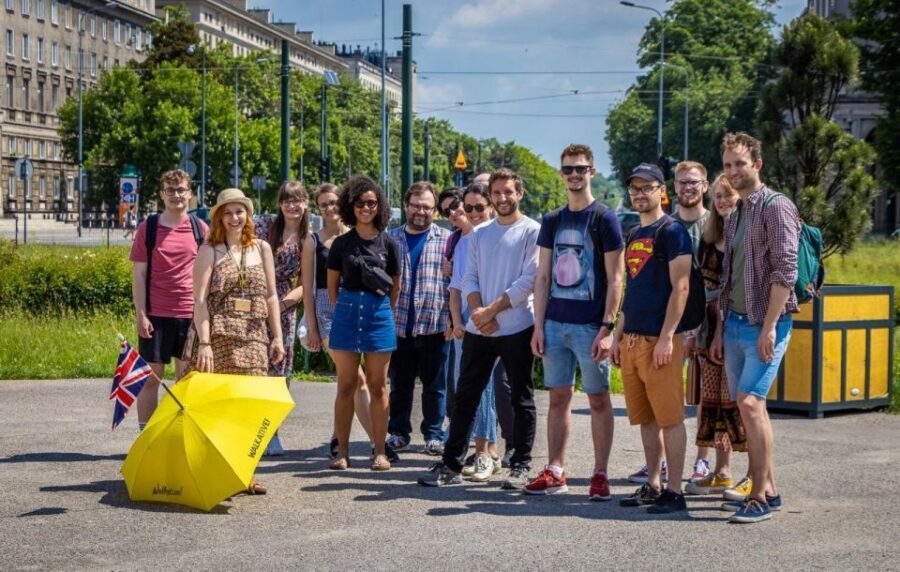
I love the way the tour builds the story from the start, so Nowa Huta stops being an abstract label and becomes a plan you can picture in your head. I also like the big stops: Monumental Central Square and the Avenue of Roses, then the unforgettable Ark of Lord church—an architectural symbol of Catholic workers resisting party pressure. Guides like Jakob, Ania, Chris, and Damian have a talent for making facts feel like a walk you’re actually on, not a lecture you’re stuck in.
One thing to consider: if you already know a lot about post-war Poland and Soviet-style planning, you might wish for even more Nowa Huta-only stories. The tour does cover the wider communist context, and it can lean a bit general before it returns to the district itself.
In This Review
- Key highlights at a glance
- Why Nowa Huta Feels Different From Krakow Old Town
- From New Steelworks to a Stalin-Era Planning Project
- Monumental Central Square: the Communism-Style Sense of Scale
- Avenue of Roses: the Human Detail in an Unhuman Plan
- The Ark of Lord Church: Catholic Resistance in Architecture Form
- Nowa Huta Cultural Centre and Rynek Główny: Where the District Breathes
- Ronald Reagan Plaza: The Cold War’s Name Game Left a Mark
- The Guides: Storytelling That Keeps the Facts Human
- Timing, walking pace, and what to bring
- Price and value: Is $26 worth 150 minutes?
- Who should book Communist Krakow: Nowa Huta Walking Tour
- Should you book this tour?
- FAQ
- How long is the Communist Krakow Nowa Huta Walking Tour?
- How much does it cost?
- Is the tour offered in English?
- Where do I meet the guide, and when should I arrive?
- Does the tour include hotel pickup or snacks?
- What does pay as you wish mean for this booking?
Key highlights at a glance
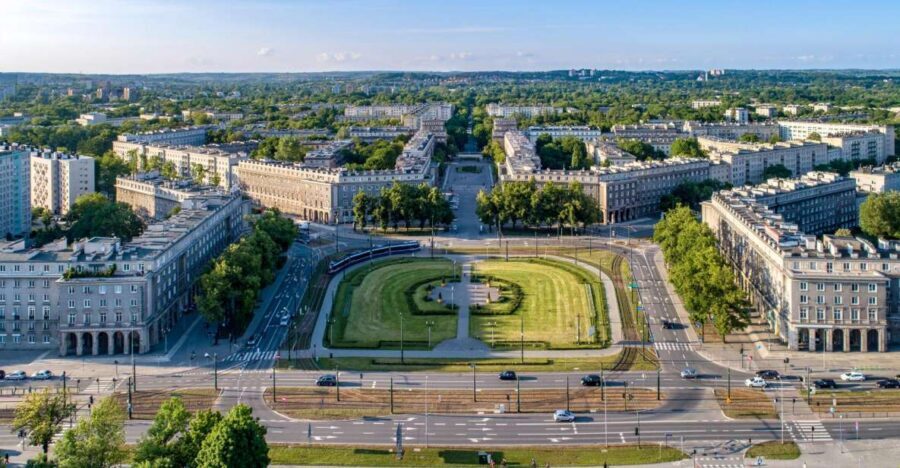
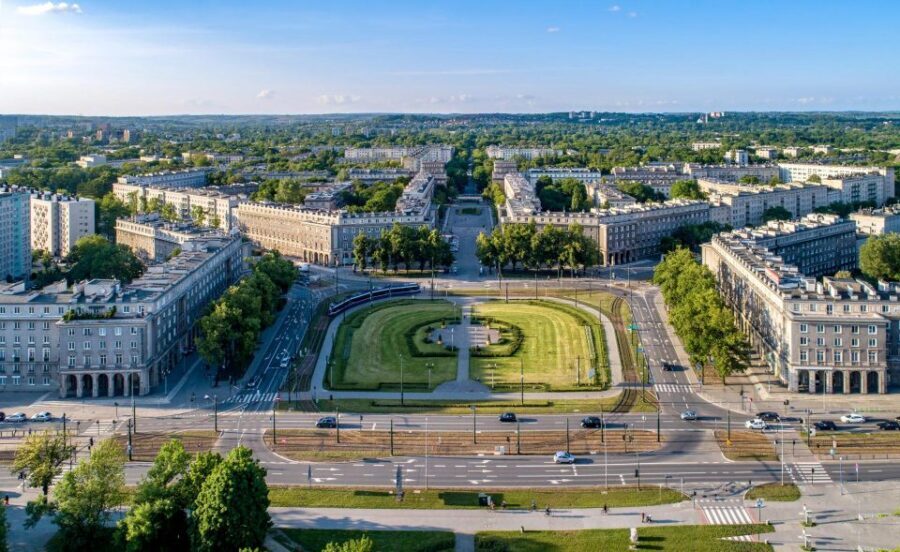
- A model socialist city still in use: Nowa Huta was designed as a showcase communist city, and it’s one of only two ideal communist cities that still exist.
- Monumental Central Square: You’ll see the kind of grand scale communist planning loved, built to impress and control.
- Avenue of Roses: A surprisingly human touch inside a highly political design.
- Ark of Lord church: An architecturally striking church tied to Catholic workers and spiritual resistance.
- Everyday Nowa Huta life: You’ll move through areas not polished for mass tourism.
- Storytelling that connects politics to people: Guides often mix structure, facts, and lived-in anecdotes.
Why Nowa Huta Feels Different From Krakow Old Town
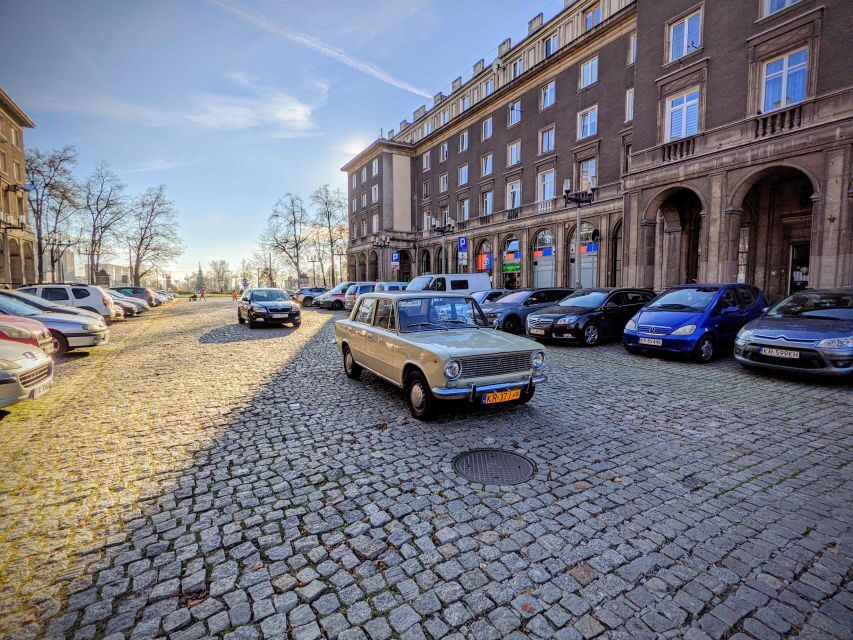
Krakow’s Old Town is all charm, corners, and history you can almost touch. Nowa Huta is a different kind of time travel—less postcard, more “how did this idea get built?” The big appeal is that you’re not touring a museum district. You’re walking through a place locals still use, with the communist past sitting right alongside everyday life.
I also like how the tour frames the district’s purpose without getting stuck in slogans. You get the meaning of Nowa Huta, which literally translates to New Steelworks, and you learn how post-World War II industrial growth was tied to party power. That context makes the architecture make sense instead of feeling random.
And yes, it’s a walking tour, so you’ll actually see the physical logic of the city plan. If you enjoy understanding how streets and squares shape behavior, you’ll get a lot out of it.
You can also read our reviews of more walking tours in Krakow

From New Steelworks to a Stalin-Era Planning Project
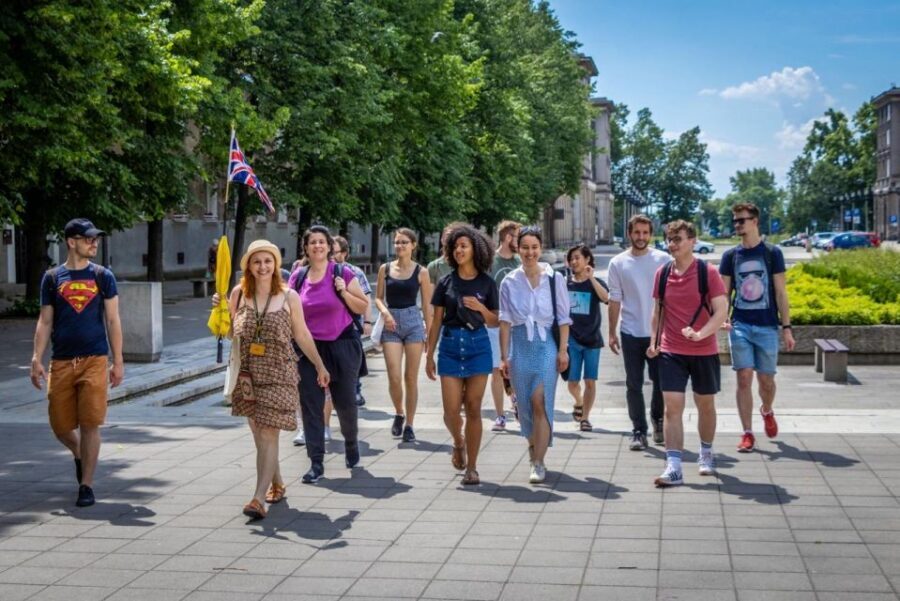
Nowa Huta was built as a model city during the communist era. It wasn’t just housing and factories—it was a statement. The district was designed to reflect socialism in a highly visible way, with heavy weight from Stalin-era ideology and propaganda.
What I find useful here is the cause-and-effect thinking. The tour doesn’t treat buildings as isolated objects. Instead, it connects the industrial purpose (steelworks and post-war growth) to the political message (a totalitarian system that wanted daily life to match party ideals).
You’ll hear the story of how the district was created, why it was important during communism, and what changed afterward. That “then vs. now” structure matters, because it helps you spot the difference between what the city was designed to achieve and what it actually became.
Monumental Central Square: the Communism-Style Sense of Scale
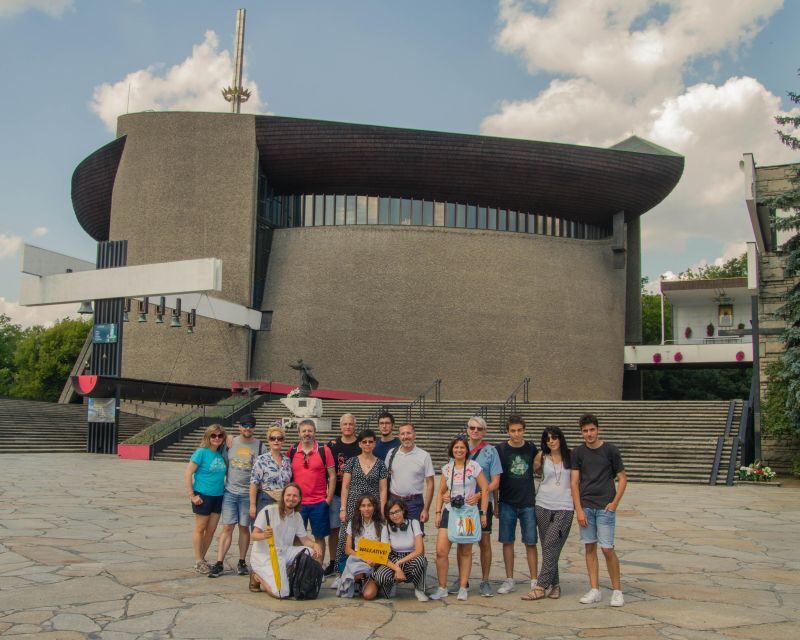
The Monumental Central Square is exactly the kind of place communist planning loved: big, formal, and designed to impress at a distance. Even before you learn details, you’ll notice how the space is laid out to direct your attention and create ceremony. That’s the point.
On this tour, that square becomes more than scenery. Your guide turns it into a reading of power. You’ll connect the design to the propaganda role communism played—especially during the years when the state tried to shape belief through space, rituals, and public visibility.
If you like architecture that’s tied to political intention, this stop will click. You’ll see how the same elements—scale, symmetry, central focus—can be used for everything from civic pride to strict social messaging.
Avenue of Roses: the Human Detail in an Unhuman Plan
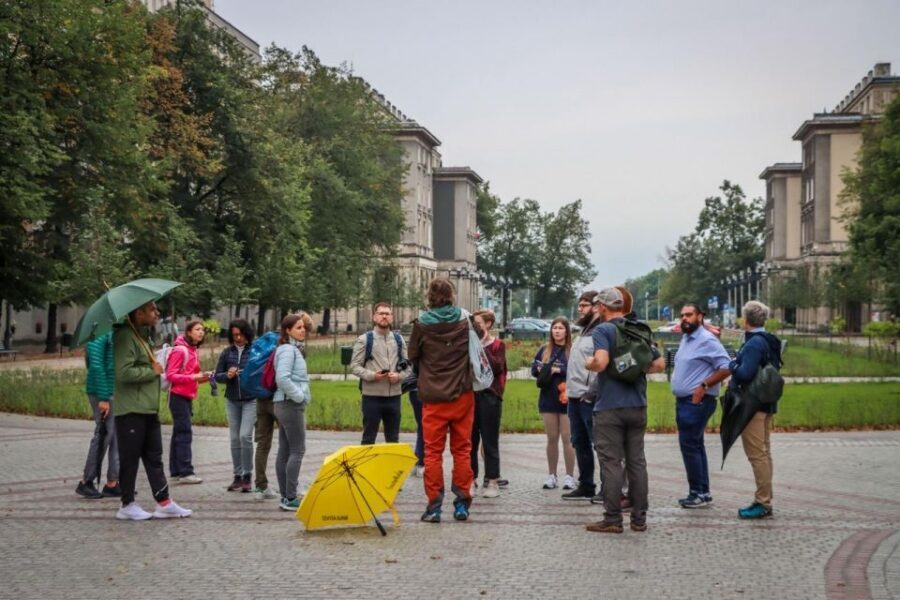
Then you move from grand statements to something that feels almost contradictory: the Avenue of Roses. The name alone gives you a hint that this district wasn’t purely about steel and slogans. There’s a gentler layer to it, and it’s the kind of feature that helps you see how people lived inside the system.
This is also where the tour’s “everyday Nowa Huta” promise starts to show. You’re not just standing in front of a monument. You’re walking a route shaped for daily movement, with the atmosphere of a real neighborhood rather than a set built for visitors.
For me, this stop is a reminder that political projects still have to deal with human habits. Even when a city is planned for ideology, plants, shade, foot traffic, and routines end up doing their own quiet work.
The Ark of Lord Church: Catholic Resistance in Architecture Form
One of the most emotionally interesting parts of the tour is the Ark of Lord church. It’s described as one of the most architecturally unique churches you’ll ever see, and it carries a specific story: a symbol of spiritual resistance of Catholic workers against the communist party.
This is where the tour stops being purely about buildings. Your guide explains why this kind of faith presence mattered in a political system that tried to control public life. You’ll learn the background of why Catholic workers pushed back, and why the church became more than a place for prayer—it became a statement people could gather around.
Architecturally, you’ll get something you can’t really replicate from photos. The goal here is to help you notice how form can communicate meaning. You’re not just looking; you’re learning how to read the building as evidence of pressure and resistance.
If you want one stop that justifies the whole tour, this is it.

Nowa Huta Cultural Centre and Rynek Główny: Where the District Breathes
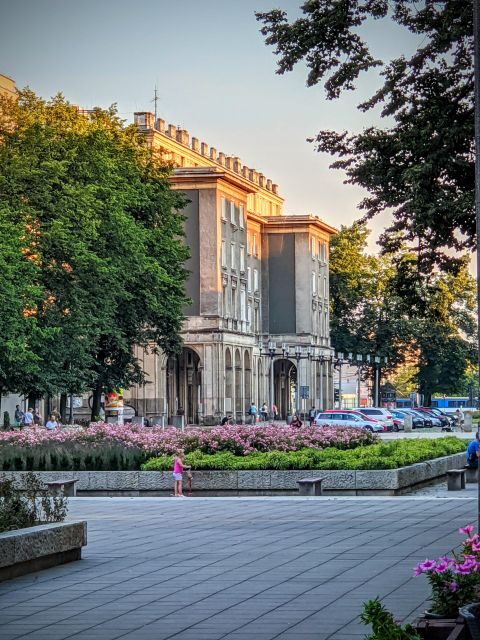
The tour includes time at the Nowa Huta Cultural Centre and the main square area, Rynek Główny. These stops help you understand a key point: districts like this were meant to be self-contained. Work, housing, culture, and public space were tied together under the communist model.
In practice, it means you’ll see how civic life was planned as part of the system. Cultural spaces weren’t neutral. They were a way to structure what people attended, talked about, and absorbed.
Rynek Główny adds another layer because it brings you back to ordinary rhythms—something you can feel even if you don’t speak local language. You get that contrast that makes Nowa Huta so interesting: the design came from an ideology, but the usage keeps evolving.
You’ll leave with a better sense of what the district was trying to do, and what it does now.
Ronald Reagan Plaza: The Cold War’s Name Game Left a Mark
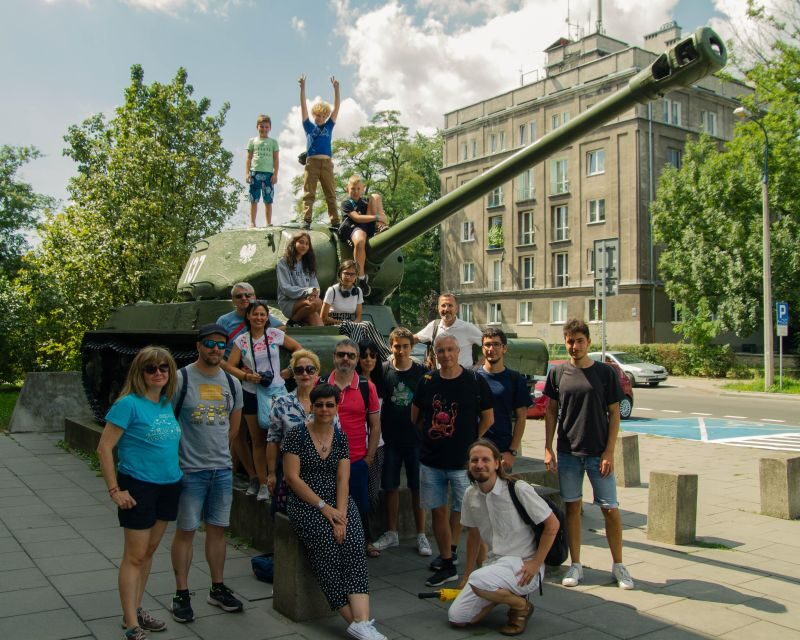
Yes, there’s a stop called Ronald Reagan Plaza. Seeing an American Cold War figure’s name in the middle of a former socialist showpiece makes you think about how the story got rewritten after the communist era.
This part of the tour is useful because it shows how memory changes with time. The square becomes a signpost for what replaced what. It’s not just about ideology collapsing; it’s about symbols getting reassigned.
I like that guides treat these renamed spaces as part of the living history of the district. You’re not only learning what communism built. You’re also learning what later generations chose to highlight, and what they were trying to move away from.
The Guides: Storytelling That Keeps the Facts Human
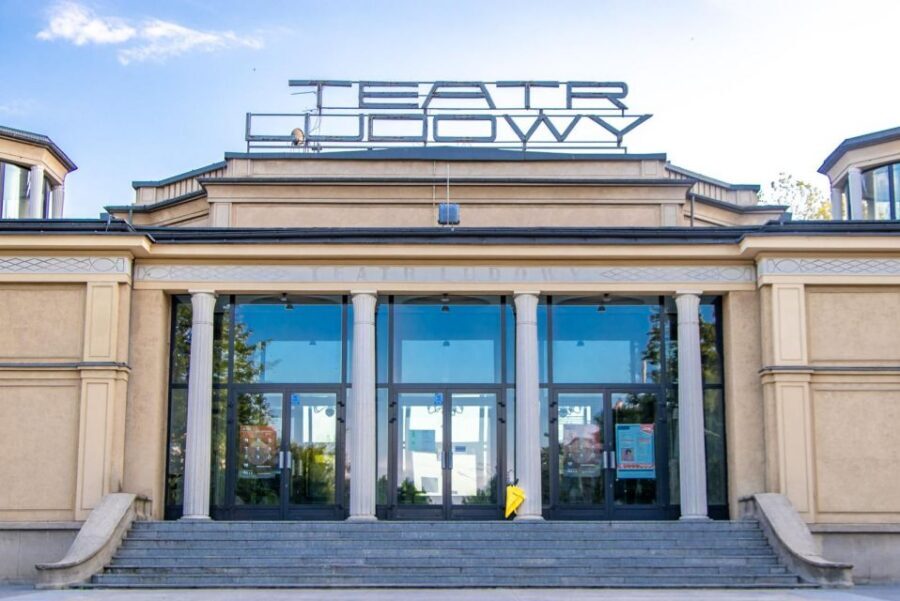
A big strength of this tour is the constructed-narrative approach. Instead of tossing dates at you, your guide builds a chain of meaning. That’s why people highlighted guides like Jakob, Ania, Chris, Damian, and Max for combining structure with personality.
For example, Chris has been described as mixing facts with personal anecdotes from growing up in the area, which is exactly the kind of detail that changes everything. When a guide knows the district through daily life, you stop seeing buildings as “things” and start seeing them as “places people walked to.”
Ania has been singled out for passion and clear storytelling, with enough serious context to feel respectful and enough lightness to keep it moving. Damian was praised for balancing breadth and depth while guiding around Nowa Huta with confidence.
And Max’s approach included explaining that communism was an imported concept rather than a local uprising. That framing can help you understand why certain dynamics felt imposed, not organic.
One caution: if your priority is only Nowa Huta specifics and you already know the big picture, the tour’s political context may feel like setup before the district details land. It still lands, but it may not be your favorite if you want strictly site-by-site stories.
Timing, walking pace, and what to bring
The tour runs about 150 minutes. That’s long enough to feel like you really entered the district, but short enough that you’re not exhausted before the best stops. The pace is guided, so you’ll move between key squares and landmarks without guessing what matters.
Plan to arrive at the meeting point about 10 minutes early. That gives you time to settle in and helps the group start smoothly. Since it’s a walking tour, I recommend wearing shoes you’re comfortable in for city walking.
You’ll want water, because snacks aren’t included. Also, dress for the weather—this is an outdoor experience even if you’ll learn inside-story context behind buildings.
If you’re sensitive to long standing, look for a guide who keeps a smooth rhythm and watches group wellbeing. Jakob was specifically praised for doing that, which is a good sign for how the tour is managed.
Price and value: Is $26 worth 150 minutes?
$26 per person for a 150-minute, English walking tour feels fair when you consider what’s included. You’re paying for an expert local guide and a tightly built narrative, not just a list of stops.
The value isn’t only the sites like Central Square, the Avenue of Roses, and Ronald Reagan Plaza. It’s the interpretation: how the story of New Steelworks connects to totalitarian propaganda, Catholic resistance, and the district’s transformation into a thriving neighborhood.
In other words, the price buys understanding. You could walk around Nowa Huta on your own, and sure, the architecture would still be there. But without a guide tying symbolism to real lived pressures, you’ll miss the “why” behind what you’re seeing.
If you’re the type who likes to feel you got more than surface sightseeing, this is the kind of tour that usually delivers good value.
Who should book Communist Krakow: Nowa Huta Walking Tour
This is a great fit if you want more than Krakow’s postcard Old Town. It’s also ideal if you’re interested in how political systems shape urban design, especially through large squares, planned avenues, and monumental architecture.
You’ll like it if you care about Catholic history during communism and want to see the Ark of Lord church in context, not just from the outside. It’s also a good choice if you want a less tour-busy experience, since Nowa Huta is framed as being unspoiled by mass tourism.
I’d think twice if you’re only in Krakow for a quick highlights loop and hate longer walks. I’d also be selective if you’re looking for a strictly neutral, purely aesthetic architecture tour—this one actively explains power, propaganda, and resistance.
Should you book this tour?
If you want a meaningful Krakow detour, I’d book it. Nowa Huta is rare: a district built as an ideological experiment that still functions as a real neighborhood. With a strong English-speaking storyteller, you’ll come away understanding the city plan, the political stakes, and the personal lives tangled up in it.
My final advice is simple: go with curiosity and a decent walking attitude. If you do, the Avenue of Roses and the Ark of Lord will feel like more than stops. They’ll feel like chapters.
FAQ
How long is the Communist Krakow Nowa Huta Walking Tour?
The tour lasts about 150 minutes.
How much does it cost?
The price is $26 per person.
Is the tour offered in English?
Yes. The tour is in English with a live tour guide.
Where do I meet the guide, and when should I arrive?
You’ll need to arrive at the meeting point about 10 minutes before the activity starts.
Does the tour include hotel pickup or snacks?
No. Hotel pickup and drop-off aren’t included, and snacks aren’t provided.
What does pay as you wish mean for this booking?
This booking joins a general pay as you wish tour. The amount you pay covers a reservation fee and the guide’s payment; if you want a smaller private tour, you can request that and the operator will organize it.