REVIEW · KRAKOW
The Jewish Quarter – Walking Tour
Book on GetYourGuide →Operated by ZeeTour · Bookable on GetYourGuide
Few streets can carry this much history. The Jewish Quarter walking tour in Krakow focuses on how Kazimierz shaped Jewish life over centuries, and how the story connects to WWII and the world-famous Schindler’s List film settings. I love the way the route mixes major landmarks with quieter, everyday-style details, and I like that it’s guided by a licensed professional, led by Zee.
One thing to consider: it’s a 2-hour walk through an area where the pace depends on the guide’s storytelling and how often you stop for photos. If you want a lot of indoor time or long museum breaks, this format may feel more like streets-first than ticket-first.
In This Review
- Key Highlights You’ll Actually Feel on the Walk
- Why Kazimierz Makes Krakow’s Jewish Story Impossible to Ignore
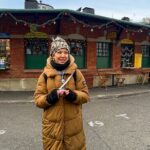
- Meeting Zee in the Courtyard of Restaurant No7
- Kazimierz Main Square and Miodowa Street: City Walls in Plain Sight
- Tempel, Kupa, and Izaak’s Synagogues: More Than Just Big Buildings
- A 1400s Building and the Mikveh Baths: Ritual Life You Can See
- Szeroka Street and Helena Rubinstein’s Birthplace
- Nissenbaum Monument and a Holocaust Rescuer Statue: Remembering Without Turning Away
- Remuh Synagogue and the Jewish Cemetery: How Places Hold Memory
- Popper’s Synagogue and the Old Synagogue: Finishing the Circuit
- Schindler’s List Filming Locations: WWII Story, Set on Real Streets
- Price, Timing, and Value: Is $33 Worth It for Two Hours?
- Should You Book This Jewish Quarter Walking Tour in Krakow?
- FAQ
- How long is the Jewish Quarter walking tour?
- What does the tour cost?
- Where do I meet the guide?
- Is it guided, and is it in English?
- What’s included in the price?
- What should I know about cancellations?
Key Highlights You’ll Actually Feel on the Walk
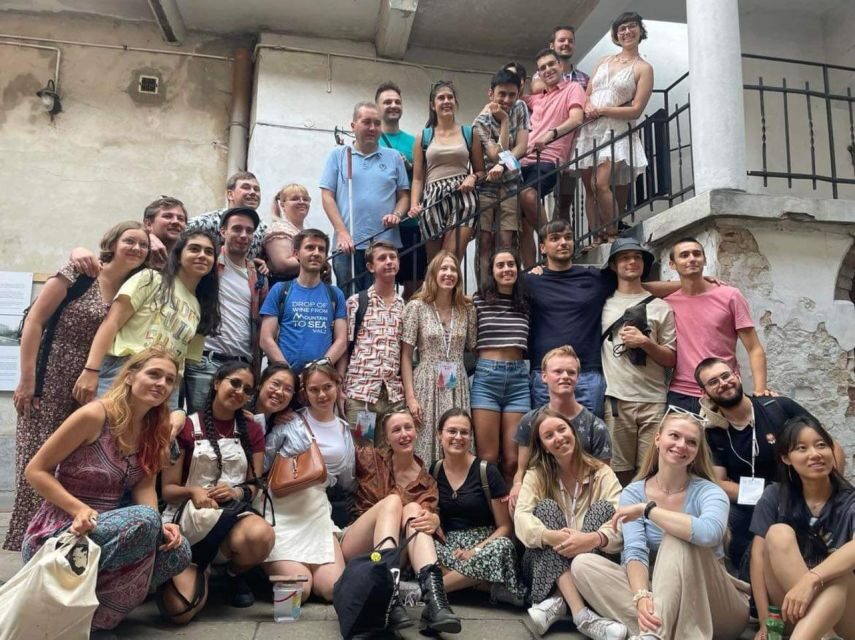
- Licensed guide with clear English explanations led by Zee
- Kazimierz’s Jewish and Christian connection shown through the streets themselves
- Synagogues on the route, including Tempel, Kupa, Izaak’s, Remuh, Popper’s, and the Old Synagogue
- A Mikveh from the 16th century tied to ritual life, not just tragedy
- Schindler’s List filming locations threaded into the WWII story
Why Kazimierz Makes Krakow’s Jewish Story Impossible to Ignore
Krakow’s Jewish history isn’t a separate side plot. It’s baked into the city layout, the buildings, and even the street names. In this part of Krakow, you get the sense that you can’t really split Jewish and Christian lives, because the neighborhoods formed alongside each other over time.
What I find powerful is the big picture the tour keeps returning to: Poland was central to Jewish history for centuries, and in the 16th century around 75% of the world’s Jewish population lived in Poland. That kind of context matters because it shifts the focus from only suffering and monuments to also include settlement, community life, and continuity.
You can also read our reviews of more walking tours in Krakow

Meeting Zee in the Courtyard of Restaurant No7
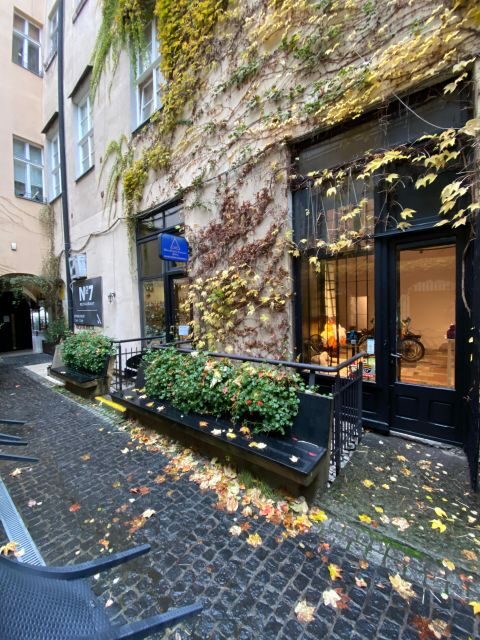
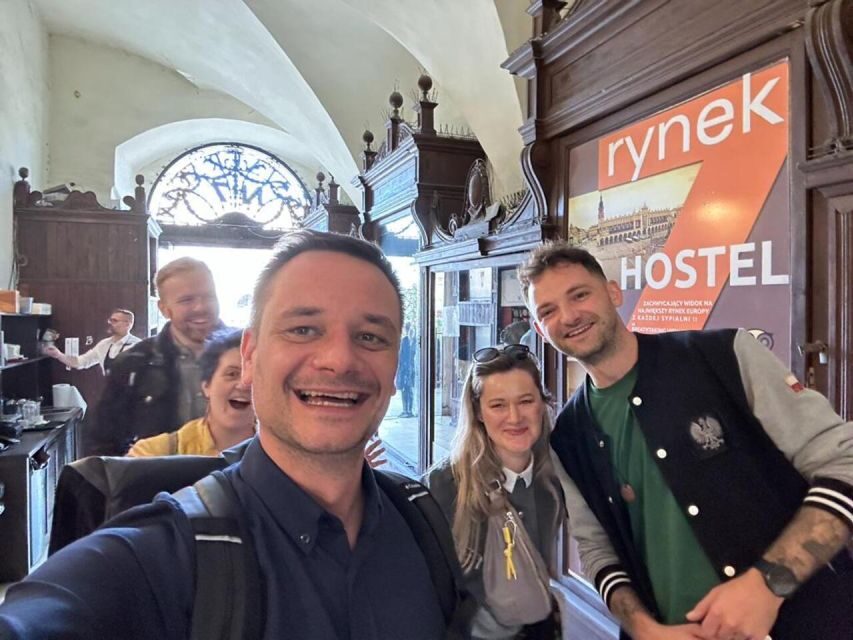
Logistics here are simple, but do pay attention to them. Meet at Restaurant No7, then go into the building. ZeeTour’s office sits in the courtyard of that building, and it’s the second shop on the left in the courtyard.
This matters because you don’t want to spend your best walking time hunting down a start point. Give yourself a few extra minutes, especially if you’re navigating on foot through Kazimierz. You’ll be touring in English with a live licensed guide, and the tour is wheelchair accessible.
Kazimierz Main Square and Miodowa Street: City Walls in Plain Sight
The tour starts in Kazimierz’s Main Square, which is a smart way to get your bearings fast. Squares act like storyboards: everything important happens around them, and the guide can point out how people moved through the neighborhood.
From there, you head toward Miodowa Street, tied to the old city walls of Kazimierz. Even if you’ve walked in older European districts before, this section helps you connect what you see today to how the area worked when it was a defined quarter. It’s not just scenic. It’s structural, and it explains why this place became such a strong hub for community life.
Tempel, Kupa, and Izaak’s Synagogues: More Than Just Big Buildings
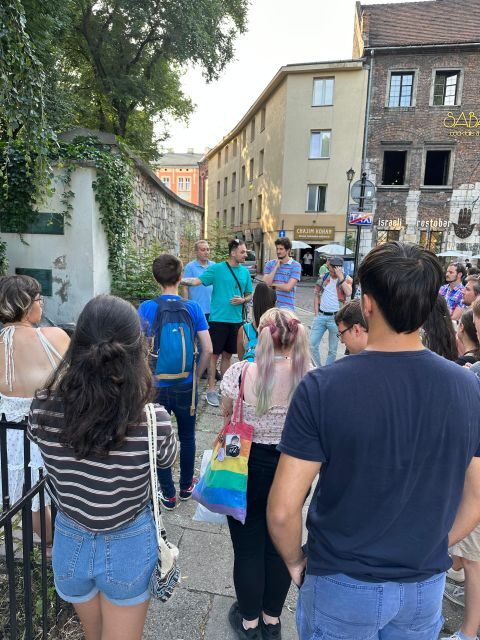
This tour gives you a sequence of synagogues rather than treating each one like a standalone stop. That approach helps the Jewish Quarter feel like a living network, because the community built multiple worship spaces and public sites for different functions.
You’ll see the Tempel Synagogue, followed by the Kupa Synagogue, then the Izaak’s Synagogue. The value here is how the guide links each site to the broader story of settlement and daily religious life. If you’re the type who likes understanding why a place exists, this section will click quickly.
A small practical consideration: synagogues can have rules around behavior and photo-taking, and you’ll likely spend some time listening rather than rushing. Wear comfortable shoes, and don’t plan a tight schedule right after the tour ends.
A 1400s Building and the Mikveh Baths: Ritual Life You Can See
One of the tour’s strongest points is that it doesn’t only lead with WWII. It builds earlier foundations first, so the later events don’t feel like a sudden cut to black.
You’ll stop at the oldest building inside the Jewish Quarter, dating to the 1400s. That kind of timeline shift makes the neighborhood feel rooted, not recreated. It’s easier to grasp how long these traditions and community patterns lasted.
Then comes a highlight many people remember: the Mikveh, described as a ritual Jewish cleansing or bath house for females from the 16th century. This is where the tour turns history into human scale. Even without going into technical detail, you can understand that community life had routines, spaces, and systems that shaped ordinary days.

Szeroka Street and Helena Rubinstein’s Birthplace
Szeroka Street is a key corridor in Kazimierz, and the tour uses it to bridge the older religious story with other threads of cultural identity. It’s a good stretch to slow your walking pace, look at facades, and let the guide’s context connect to what you can see.
You’ll also visit the birthplace site of Helena Rubinstein. Including a figure like Rubinstein helps the neighborhood feel bigger than one narrative line. The Jewish Quarter wasn’t only about worship and wartime loss. It was also a birthplace and a launchpad for people whose lives extended far beyond this district.
Nissenbaum Monument and a Holocaust Rescuer Statue: Remembering Without Turning Away
This part of the walk moves into public memory—monuments and reminders placed where daily life once continued. You’ll see the Nissenbaum Family Foundation monument, and there’s also a statue of a man who tried to stop the Holocaust.
What I like about this section is the tone. It doesn’t feel like a history lecture that forgets people. Instead, the landmarks help you understand that remembering happened in the same physical space where the neighborhood still exists.
A consideration: this can be emotionally heavy, especially if you’re sensitive to WWII topics. If you need breaks to reset, take them. The streets are open, and you can step aside for a minute and return when ready.
Remuh Synagogue and the Jewish Cemetery: How Places Hold Memory
The tour reaches the Remuh Synagogue and the Jewish Cemetery later in the route, and that order helps. By the time you arrive here, you’ve already seen centuries of community sites, plus memorials connected to WWII. So the cemetery stop doesn’t feel random. It feels like a continuation.
This is one of those stops where you’ll probably notice how the guide’s pacing changes. Cemeteries demand respect, and the atmosphere calls for quiet attention. Even if you’re not from a Jewish background, you’ll likely understand what the space is doing: holding identity, generations, and grief in a specific physical setting.
If you’re visiting during colder months, bring a layer. Cemetery and synagogue areas can feel cooler, and standing still for parts of the tour adds up.
Popper’s Synagogue and the Old Synagogue: Finishing the Circuit
The route continues with Popper’s Synagogue and then the Old Synagogue. This final stretch is useful because it turns your earlier impressions into a full neighborhood picture. Seeing multiple synagogues on one walk helps you avoid the common travel mistake of treating each stop like a separate attraction with no connections.
You’ll also pick up themes you might not have noticed at the beginning, like how the quarter’s built environment supported religious practice and community structure. By the time you reach the last synagogue area, the district starts to make more sense as a whole, not just a list of stops.
Schindler’s List Filming Locations: WWII Story, Set on Real Streets
One of the tour’s unique selling points is the focus on Schindler’s List filming locations. Instead of making the film the whole point, the guide uses these spots to pull you toward the WWII history connected to the neighborhood.
This is a smart approach for two reasons. First, the film can bring attention, and then the tour gives you the context behind why these places mattered. Second, you get to see how modern Krakow still carries traces of the past through street corners, sightlines, and building relationships.
Just keep expectations practical: you’re walking a city district, not touring a film set. The stops point out locations and connect them to the broader historical timeline, but the real value is how the WWII story fits into the long sweep of Jewish life you’ve already seen.
Price, Timing, and Value: Is $33 Worth It for Two Hours?
At $33 per person for a 2-hour guided walk, the value comes from what you’re getting besides sightseeing. You’re paying for a licensed guide (Zee), live English commentary, and a route designed to connect centuries of Jewish history in Krakow with the WWII period and key memorial themes.
Also, you’re not paying extra admission tickets during the tour itself, according to what’s included. Public transportation isn’t included, so you’ll want to plan how you’re getting to the starting point, but once you’re on the route, the guide handles the story.
This is also not a long day commitment. Two hours works well if you’re already exploring Krakow and want one focused cultural experience that changes how you understand the city.
Should You Book This Jewish Quarter Walking Tour in Krakow?
Book it if you want more than surface-level facts and you care about context: how Jewish life shaped Krakow over centuries, what changed during WWII, and how memory is marked on today’s streets. It’s a strong choice if you like walking tours where stops connect into a clear narrative and the guide keeps the pacing tight for a two-hour window.
Skip it or choose something else if your priority is lots of indoor ticket time or if you want a tour that feels more like a museum visit than a neighborhood walk. Also, if WWII topics feel overwhelming, plan a gentler day afterward.
Bottom line: if Kazimierz is on your Krakow list, this is a practical way to understand why the district matters, not just what’s there to photograph.
FAQ
How long is the Jewish Quarter walking tour?
The tour lasts 2 hours.
What does the tour cost?
It costs $33 per person.
Where do I meet the guide?
Meet at Restaurant No7. Go into the building, then find ZeeTour’s office in the courtyard where Restaurant No7 is located. It’s the second shop on the left in the courtyard.
Is it guided, and is it in English?
Yes. It’s a live tour with licensed guides, and it’s offered in English.
What’s included in the price?
Guiding services with licensed guides are included.
What should I know about cancellations?
You can cancel up to 24 hours in advance for a full refund.