REVIEW · KRAKOW
Krakow: 2 Hour Walking Tour in Jewish Quarter
Book on Viator →Operated by Krakow Tour - Segway, E-scooter, Bike, Walking Tours in Krakow · Bookable on Viator
Synagogues and street stories move at walking speed. This 2-hour Jewish Quarter tour links real places in Kazimierz with clear, human explanations, from Tempel Synagogue to the meaning behind the Singer bar name. I also like the pace: enough time to understand what you’re seeing, without turning it into an all-day slog.
One practical catch: several synagogue stops require extra entry money, and you’ll want 50 PLN cash ready since it’s not included in the price. The tour also depends on decent weather, so you’ll get the best experience when conditions are good.
In This Review
- Key Highlights You’ll Feel on This Walk
- Jewish Quarter on Foot: Why This Tour Works in Krakow
- Price and Value: What $38.45 Covers (and What Doesn’t)
- Meeting at Miodowa 19 and Ending at Plac Wolnica
- Tempel Synagogue: Life Before the War, Told Where It Happened
- JCC Krakow and Prince Charles: A Community Space With Meaning
- Market Square and Zapiekanki: The Snack Stop You’ll Actually Remember
- Schindler’s List Passage: Movie Memory Meets Documentary Facts
- Singer: A Bar Name With Layers
- Old Synagogue: A Short Visit With a Heavy Atmosphere
- Popper Synagogue and the Bookshop Nearby
- Remuh Synagogue: You Can Visit Inside and Possibly the Cemetery
- Kupa Synagogue: Another Layer of Story in a Small Footprint
- Corpus Christi Church: How a Name Becomes a History Lesson
- Hamsa, Hummus, and Jewish Food Traditions
- Plac Wolnica: Local Legends and Your Final Stop
- What the Guide Does That You’ll Feel Immediately
- Who Should Book This Tour (and Who Might Want Another Option)
- Should You Book This Krakow Jewish Quarter Walking Tour?
- FAQ
- How long is the Krakow Jewish Quarter walking tour?
- Is the tour offered in English?
- Do I need to pay extra to enter the synagogues?
- Where do I meet, and where does the tour end?
- What is included in the price?
- What if the tour is canceled due to poor weather?
Key Highlights You’ll Feel on This Walk
- A guide who answers questions and keeps the story grounded in what you’re actually looking at
- Synagogue stops with context, including life before the war and how names and places got their meaning
- Street-food time in Kazimierz, with Zapiekanki called out as the snack you shouldn’t skip
- Schindler’s List references that stay place-based, tied to documentaries and facts rather than just movie scenes
- A tight 2-hour route with many quick stops, so you finish with a clear map in your head
Jewish Quarter on Foot: Why This Tour Works in Krakow
Krakow’s Jewish Quarter is a place you can wander through on your own, but you’ll miss a lot of the “why.” This walk is designed to help you connect the dots fast: what a site was for, why a name matters, and how everyday community life shows up in the street.
I like that it’s not one long museum lecture. You get a sequence of stops—some short, some a bit longer—so you stay oriented. And because it’s only about 2 hours, you can pair it with other sights the same day.
Another nice touch is how food and culture show up right in the route. When you reach Market Square and hear about Kazimierz snacks like Zapiekanki, it stops being abstract history and becomes something you can actually taste.
You can also read our reviews of more walking tours in Krakow

Price and Value: What $38.45 Covers (and What Doesn’t)
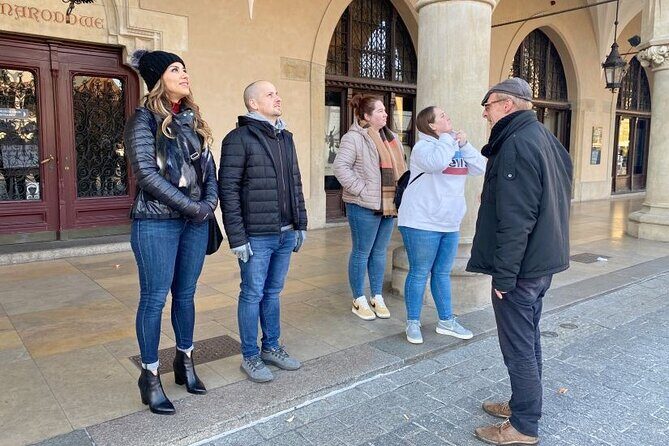
At $38.45 per person for roughly 2 hours, you’re paying for a professional guide and a structured way to see several key locations without guessing. That value is real in this neighborhood because meaning often lives in the details—names, traditions, and what happened before the war.
What’s not included is synagogue entry. You’ll need 50 PLN cash (about €10 per person) so you can go inside where applicable. That’s the one cost you should plan for up front, especially if you’re traveling with limited cash or relying only on card payments.
Good to know: you’ll get a mobile ticket, and the tour is offered in English. It’s capped at a maximum of 50 travelers, which helps keep things orderly for a walking route.
Meeting at Miodowa 19 and Ending at Plac Wolnica
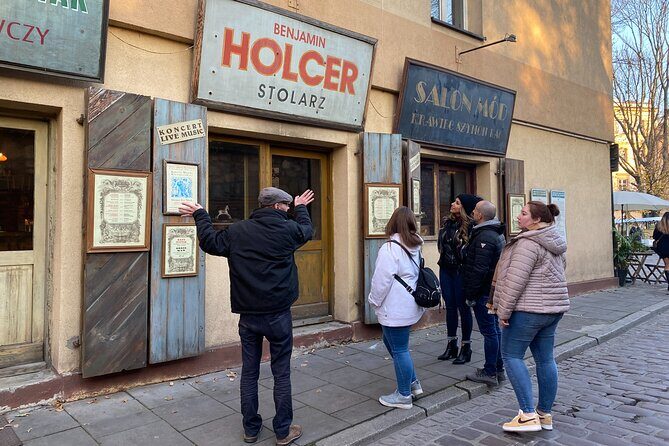
You start at Miodowa 19, 31-055 Kraków, and the tour ends at Plac Wolnica. That endpoint matters because you’re not forced to retrace your steps back to where you began. After the last story, you’re dropped near a lively local area for your next move.
It’s also near public transportation, so you can slot it into a day without stress. And because it’s a walking tour, you’ll want to wear shoes you can keep on your feet for the full time.
The route is built around quick transitions. Some stops are just 5–10 minutes, which means you should show up ready to listen and then look around on your own for a minute after the guide finishes each section.
Tempel Synagogue: Life Before the War, Told Where It Happened
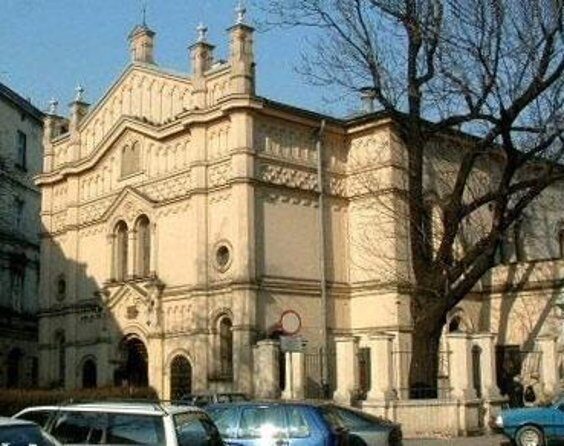
Your tour begins at Tempel Synagogue, where you’ll hear about the thriving Jewish community before the war. This is the kind of framing that changes everything: you’re not starting with tragedy first. You’re starting with community life.
It’s about 15 minutes, and synagogue entry requires an admission ticket you’ll pay separately. The guide’s job here is to give you context so you can appreciate what you’re seeing as more than a historic stop.
If you only visit this kind of place once in Krakow, I think this is a strong starting point. It sets a tone for the rest of the tour that feels respectful and clear.
JCC Krakow and Prince Charles: A Community Space With Meaning
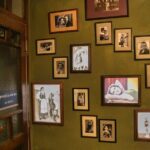
Next comes the Jewish Community Centre of Krakow (JCC Krakow). You’ll learn about the JCC and why it’s important for the Jewish community and the neighborhood around it.
This stop is shorter—around 10 minutes—but the value is in the details: the guide ties the center to local identity and mentions Prince Charles in the story. Even if you’re not focused on royalty history, it’s useful context for how international recognition can show up in local institutions.
Admission here is free, so you can focus on the explanation without needing to think about entry fees at this point.
A few more Krakow tours and experiences worth a look


Market Square and Zapiekanki: The Snack Stop You’ll Actually Remember
Then you head to Market Square, with about 20 minutes set aside for this part of the walk. This is where the tour pulls you into everyday life in Kazimierz rather than only major landmarks.
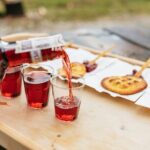
You’ll hear about the New Square and learn about local fast food—specifically Zapiekanki—which the tour strongly encourages you to try. I love this kind of guidance because it gives you a concrete food plan instead of generic “find something to eat.”
A practical tip: when a tour sets aside time for food, plan to order quickly and keep moving. Otherwise the group can get spread out, and the guide’s next story doesn’t land the way it should.
Schindler’s List Passage: Movie Memory Meets Documentary Facts
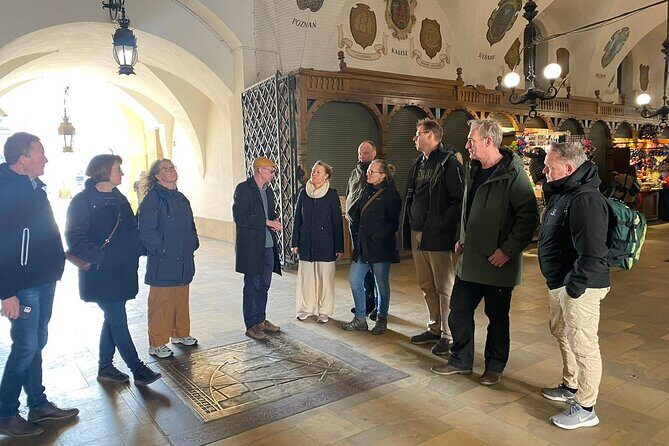
At the Schindler’s List Passage, the tour shifts into the world of film and real-world documentation. You’ll hear about the movie and also about documentaries and facts connected to the story.
This segment lasts about 15 minutes and is free to enter. The benefit here is tone control. Instead of treating the movie as the entire story, you get reminders that there’s documented history behind it.
I think this stop works best if you’re curious but not looking for a trivia quiz. Listen for how the guide separates what you may have seen in the film from what documentary-style facts add to the picture.
Singer: A Bar Name With Layers
The tour then points you toward Singer, a bar tied to the meaning behind its name. It’s just about 5 minutes, but it’s exactly the kind of stop that makes a walking tour feel worth it.
You’ll get an explanation of what the bar represents and why it’s called Singer. Even in a brief stop, naming and language matter here because names often point back to people, traditions, and community identity.
This is the kind of segment where I’d recommend you stay present. The explanation is short, and it’s easy to miss the key line if you’re busy taking photos.
Old Synagogue: A Short Visit With a Heavy Atmosphere
At the Old Synagogue, the guide shares the story behind it, with about 10 minutes for this stop. Like the opening synagogue, admission is not included, so you may need that 50 PLN cash again if you want to enter.
This part of the tour is less about speed and more about reflection. The guide’s role is to give you a framework so the building doesn’t feel like just a historic shell.
If you’re the type who likes to understand how places evolved over time, this stop will click. If you’re hoping for long indoor time, plan your expectations: it’s a walking tour, so you get context more than a full onsite experience.
Popper Synagogue and the Bookshop Nearby
Next is Popper Synagogue, with about 5 minutes devoted to its introduction. The guide also points out a bookshop next to it and shares a bit about Wolf Popper.
I like stops like this because they show cultural continuity. Even when you’re looking at religious architecture, you’re also seeing how learning and community life connect in the street.
Admission for this stop is free, at least from the tour’s perspective, which helps keep the pace moving. Still, since synagogue entry isn’t included overall, bring your cash mindset for later segments too.
Remuh Synagogue: You Can Visit Inside and Possibly the Cemetery
At Remuh Synagogue (Synagoga Remuh), you’ll get history and context from the guide. The tour mentions that during this visit you can also go to the cemetery if you wish.
This stop is about 10 minutes and synagogue admission is not included. The value here is choice. You’re not forced into every possible inside area, but you get guidance so you can decide based on time and comfort.
If you’re someone who wants the fuller on-site experience, this is where you’ll likely take the extra step. If you’re short on time or need a lighter pace, you can still take in the story and keep the walk moving.
Kupa Synagogue: Another Layer of Story in a Small Footprint
The tour then moves to Kupa Synagogue (Synagoga Kupa), with about 10 minutes spent on its story and history. It’s free from the tour’s admission standpoint.
This part of the route helps you feel the neighborhood as a network of institutions—not just one big sight. When you see multiple synagogues in sequence, you start to notice differences in how the guide frames their roles and meaning.
It’s short, but it’s effective. Don’t rush your listening here—this stop is one of the ones that helps you connect earlier stories to later ones.
Corpus Christi Church: How a Name Becomes a History Lesson
Not every stop is a synagogue. Next is Corpus Christi Church (Kosciol Bozego Ciala), around 10 minutes. You’ll hear about the origin of the church name and the history of the place, and you can also visit the church.
This is a good break in the route. It gives you a wider view of how different communities and faith landmarks sit side by side in the same city blocks.
Even if you’re mainly in Krakow for Jewish history, this church stop adds perspective. It helps you understand that Kazimierz and Krakow weren’t isolated islands—they were part of a larger urban story.
Hamsa, Hummus, and Jewish Food Traditions
At Hamsa, you’ll hear about hummus, Jewish dishes, and some religious traditions, with about 5 minutes for this stop.
This might sound like a quick detour, but it’s actually a useful way to turn symbols into everyday life. When a guide links a cultural symbol to food and tradition, you remember it longer than if it stayed purely abstract.
The practical takeaway: if you’re hungry, this stop sets you up to order wisely later. If you’re not hungry yet, it still plants the idea that food here isn’t random—it connects to community practice.
Plac Wolnica: Local Legends and Your Final Stop
The tour ends at Plac Wolnica, with about 5 minutes of story tied to the square. You’ll learn facts and local legends connected to this place.
Ending here makes sense. By the time you reach Plac Wolnica, you’ve walked through the neighborhood’s key institutions and cultural landmarks. Now you’re finishing at a public square vibe where local life continues.
When the tour ends, I’d suggest using the last few minutes to get your bearings. This is where you can decide what you want to explore on your own next, without feeling lost.
What the Guide Does That You’ll Feel Immediately
The reviews you’ll see about this tour aren’t just about the sights. They’re about the guide’s delivery.
The big strength: the guide works hard and stays responsive. You can ask questions, and you’ll get detailed answers instead of vague reassurance. People also call out how friendly the guide is, and that matters because this neighborhood calls for a calm, thoughtful tone.
You should expect to be a participant, not a spectator. The tour format moves quickly between stops, so listening closely helps you get the most from each short segment.
Who Should Book This Tour (and Who Might Want Another Option)
This tour is ideal if you:
- Want a structured introduction to the Jewish Quarter in Krakow
- Like learning the meaning behind names, places, and symbols
- Enjoy short, frequent stops more than long museum sessions
- Want a clear suggestion for food, including Zapiekanki
You might look elsewhere if you:
- Don’t want to carry cash for synagogue entry (you’ll need 50 PLN)
- Prefer only indoor time rather than quick outdoor story stops
- Travel during weeks when weather is often poor and you don’t have flexibility for rescheduling
Should You Book This Krakow Jewish Quarter Walking Tour?
Yes, if you want a guided walk that makes the neighborhood easier to understand fast. The combination of synagogue context, Schindler’s List references tied to documentary-style facts, and a practical food moment at Market Square is a strong mix.
I also like that the tour ends in a place that keeps your options open afterward. You finish at Plac Wolnica, which gives you a natural transition to your next stop without backtracking.
Just go in prepared: bring the 50 PLN cash for synagogue admission, and plan around the fact that it runs best in good weather. If you do those two things, you’ll get a memorable, thoughtful 2 hours on foot.
FAQ
How long is the Krakow Jewish Quarter walking tour?
It runs for about 2 hours.
Is the tour offered in English?
Yes, the tour is offered in English.
Do I need to pay extra to enter the synagogues?
Yes. You need some cash with you (50 PLN per person) for synagogue entry, since admission tickets are not included.
Where do I meet, and where does the tour end?
You meet at Miodowa 19, 31-055 Kraków, Poland, and the tour ends at plac Wolnica, Kraków.
What is included in the price?
The price includes a professional guide. A mobile ticket is provided. Synagogue admission is not included.
What if the tour is canceled due to poor weather?
If it’s canceled due to poor weather, you’ll be offered a different date or a full refund. You can also cancel up to 24 hours in advance for a full refund.