REVIEW · KRAKOW
Private Van Auschwitz Birkenau Tour
Book on Viator →Operated by EPIK-TRIP PAWEŁ BONDARCZYK · Bookable on Viator
A day that changes your understanding. This private van trip turns a tricky commute into a smooth morning, with tickets and headsets handled so you can focus on the memorial.
I love the small 7–8 person ride from Krakow—it keeps the day feeling manageable—and the help from your host-driver, often identified as Pawel with EPIK-TRIP PAWEŁ BONDARCZYK, who gives clear, practical guidance.
One consideration: the sites run in a larger guided format once you arrive, so you’ll be in a 30-person group for the museum part, and the timing can mean a very early start.
In This Review
- Key points at a glance
- Why a private van works so well for Auschwitz-Birkenau
- Getting from Krakow: pickup timing, drive time, and what to expect
- Entering the memorial: how the tickets and instructions work
- Inside Auschwitz: what the first 2 hours are really for
- Birkenau in 1 hour: why that second stop needs good timing
- The hidden advantage: the pacing and group size balance
- Price and value: does $240.82 feel fair?
- Comfort and communication: driver quality can change the whole day
- What to do with your day: practical tips for your visit
- Who this tour fits best (and who might want a different style)
- Should you book this Auschwitz-Birkenau private van tour?
- FAQ
- How many people are in the van?
- Is hotel pickup in Krakow included, and how early does it start?
- Are Auschwitz and Birkenau tickets included?
- How long do you spend at Auschwitz and at Birkenau?
- Is there an English-speaking guide during the experience?
- Can I bring a service animal?
- Can I cancel or change the booking?
Key points at a glance
- Hotel pickup from Krakow with a driver who arrives about 2 hours before your scheduled tour time
- English-speaking driver plus a local museum guide once you reach the memorial entrance
- Headsets included for the Auschwitz and Birkenau guided sections
- Timed pacing inside the memorial: about 2 hours Auschwitz, then 1 hour Birkenau
- Shuttle bus between Auschwitz and Birkenau to reduce walking and simplify transit
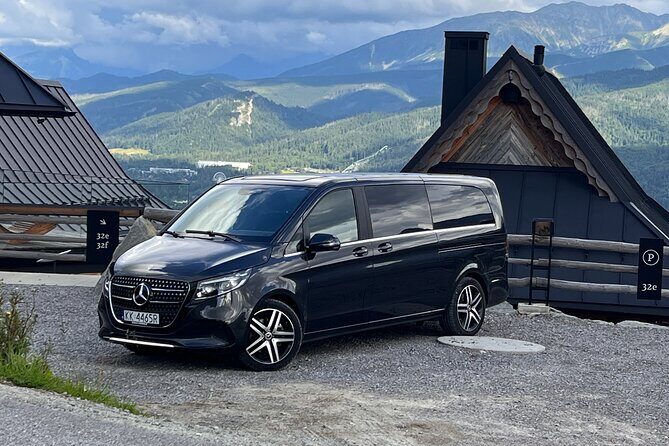
- Comfortable private transport (including Mercedes V-Class style in at least one ride experience), with a focus on safety and comfort
Why a private van works so well for Auschwitz-Birkenau

Auschwitz-Birkenau is not the kind of day you want to manage with confusing timetables and last-minute ticket hunting. What I like about this setup is that it’s built around removing friction: you get picked up in Krakow, you’re guided through entry, and you’re transferred to both parts of the memorial.
The private van matters because it protects your morning. Instead of you spending your energy figuring out how to reach the right entrance at the right time, you get a driver who’s handling the route and timing. Once you’re at the memorial, you switch to the on-site guided format—still structured, still timed, but now you’re in the right place with the right materials.
I also appreciate that this isn’t just a transport service. You’re given the tools to make the guided time more usable, including headsets for the museum portion. That’s a small detail, but it changes how much you actually catch while listening.
You can also read our reviews of more private tours in Krakow


Getting from Krakow: pickup timing, drive time, and what to expect
The day starts early. Your hotel pickup happens about 2 hours before the scheduled tour time. The drive from Krakow is listed as about 1.5 hours with an English-speaking driver. That early window is there for a reason: it helps you arrive with enough breathing room to get oriented and move through entry without panic.
The operator notes that the driver contacts you before the trip, so you’re not left guessing. There’s also an important timing hint: if you’re reserving pickup for the following day, the service may start around 5:00 AM. In other parts of the year, pickup service hours are listed as starting at 7:00 AM. So the safe move is to check your exact scheduled entrance time and confirm the pickup call time when the driver reaches out.
On the Krakow side, there’s a short built-in window listed as about 30 minutes with admission ticket listed as free—this is essentially the “get set” period before you head out. In practical terms, plan for this to be a briefing + handoff moment, not a sightseeing stop.
Once you arrive, the driver’s role continues. You’re taken to the museum entrance, and you’re given tickets there, along with the information you need to check in properly. That step matters a lot on a day when your schedule is tight.
Entering the memorial: how the tickets and instructions work
Here’s the part that can make or break a first visit: getting into the right timed flow. With this tour, you don’t just show up and hope. The driver takes you to the museum entrance, provides the tickets, and explains what you need to do.
That means you should be able to get oriented fast—find where you’re supposed to go, understand how to join the correct timed group, and reduce the chances of losing time to confusion. This is especially valuable if you’re visiting for the first time, or if you’re trying to avoid a stressful scramble.
Also, note the format shift: the private van ride is small, but once you reach the memorial, the guided portion runs as a local-group experience. You’ll be with a local guide for the museum segments, and you’ll receive a headset for each participant. That setup is designed to keep you hearing clearly even in busy areas.
Inside Auschwitz: what the first 2 hours are really for
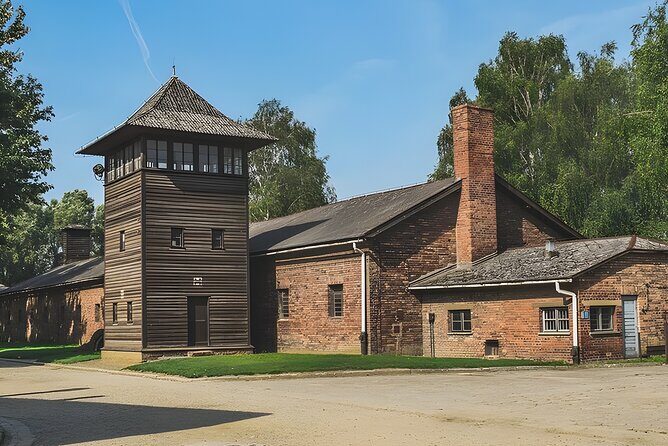
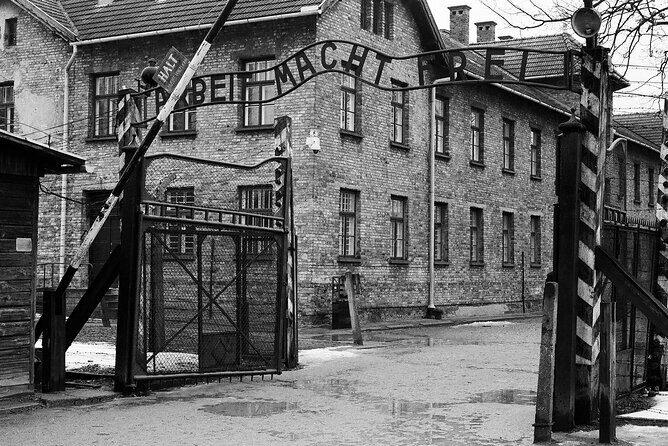
The memorial visit is split into two major parts. The first section is Auschwitz, lasting about 2 hours. This is the portion that people often associate most strongly with the site, and it’s scheduled as the longer segment.
During that time, the local guide leads your group, and your headset helps you follow the narration. In practice, this is where structure is most useful. You’re not just walking around and reading. You’re hearing context and explanations as you move through the grounds, which helps you connect what you see to the broader story of the site.
A headset may sound like a small convenience, but in a place like this, it can make the difference between catching the key points and straining to understand. If you’re the type who likes to absorb details, this is a real win.
Also remember: the site is emotionally heavy. The value of a guided, paced experience is that you’re not spending your energy figuring out what to look at next—you can focus on learning and paying attention.
Birkenau in 1 hour: why that second stop needs good timing
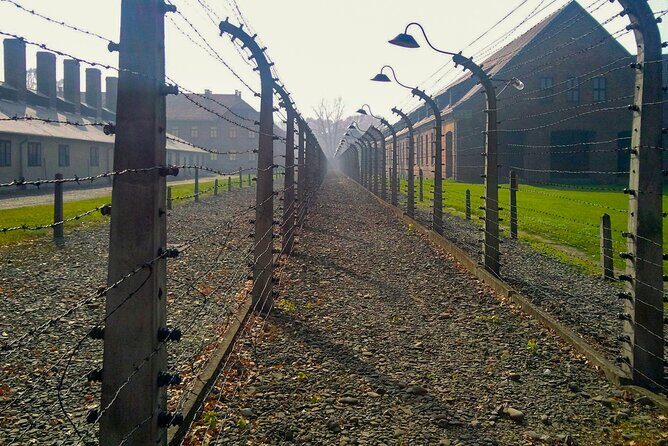
After Auschwitz, you transfer to Birkenau. The Birkenau portion is about 1 hour and uses a shuttle bus between camps. That shuttle detail matters because it keeps the day from turning into an extra-long transit and walking grind.
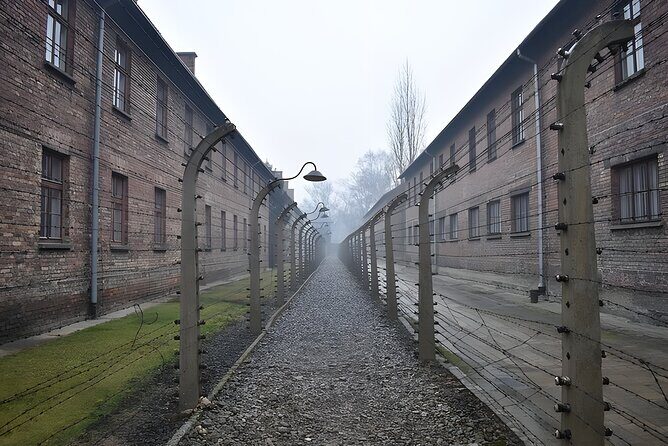
Birkenau tends to feel different from the first site—more open, spread out, and visually stark. Because the time is shorter, the guide’s pacing becomes important. With only about an hour, you’ll want to stay close to the group and listen carefully rather than trying to drift into side areas on your own.
This is also where the headset helps most. In an open, wide space, it’s easier for sound to get lost. Having clear audio support keeps your comprehension steady.




The hidden advantage: the pacing and group size balance
This tour uses a two-level group structure. The van pickup groups are described as maximum 7–8 people, which helps keep the ride calm and allows your driver to handle questions. Then, at the memorial, your guided time runs in a larger 30-person format with a local guide and headsets.
That balance is useful. It gives you the best of both worlds: personal-ish transfer support in the car and organized, guided interpretation at the memorial itself. If you hate big crowds, the museum section is where you’ll feel it. But if you want the day to be efficient and structured, this format is built for that.
And since the tour’s maximum is listed at 30 travelers, you’re not being folded into some massive bus system that can make it hard to hear or keep track. The goal here is controlled capacity.
Price and value: does $240.82 feel fair?
At $240.82 per person, it’s not the cheapest way to get there. But for Auschwitz-Birkenau, “cheapest” often means you pay later in stress, time lost at entry, or extra coordination.
Here’s what you’re getting in the price structure that makes it feel more reasonable:
- Round-trip Krakow hotel pickup and drop-off
- English-speaking driver during the transfer
- Tickets included, provided at the entrance
- Headsets for the guided museum portions
- Guided local interpretation across Auschwitz (2 hours) and Birkenau (1 hour)
- Shuttle bus between camps
When you add those together, you’re essentially paying for a managed day rather than DIY transport. If you’re traveling with limited time, or you simply don’t want to wrestle with timing, this looks like strong value.
One more practical note from real-world experience: your driver is often praised not just for being on time and courteous, but for being helpful with day planning in Krakow afterward. One driver-led approach included arranging packed lunches at a reasonable price. That’s not listed as a guaranteed feature, but it’s an example of how this kind of service can save you from scrambling for food on a long day.
Comfort and communication: driver quality can change the whole day
This tour is heavily dependent on the transfer host. That’s the part you interact with first, and it sets the tone.
In the ride experiences connected to this service, the driver is repeatedly described as punctual, courteous, and friendly, with local guidance and clear instructions. Names like Pawel come up often alongside positive comments about safety, comfort, and straightforward support.
You should also expect communication before pickup. The operator states the driver will contact you ahead of time. That matters if you’re trying to coordinate a hotel lobby meeting without confusion.
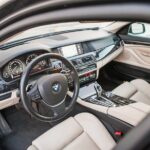
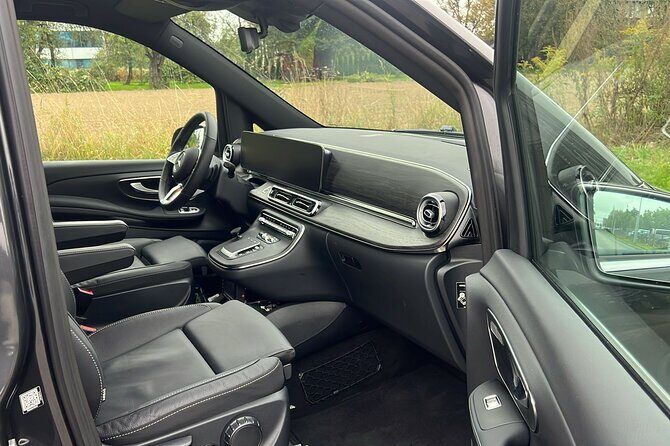
And comfort isn’t a “nice to have” when you start very early. A long ride plus a structured day means you’ll want the transport part to be smooth. The vehicle is described as a comfortable Mercedes V-Class in at least one example ride, and the emphasis in the experience notes is on safe, organized driving.
What to do with your day: practical tips for your visit
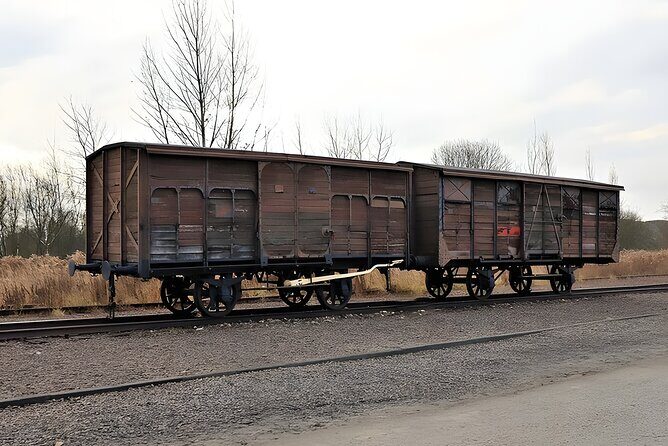
You’ll get the guided pace at the memorial, so your “planning work” is mainly about preparing your body and your expectations.
Auschwitz-Birkenau is a place where you should be mentally ready to focus. Go in with patience for silence, emotion, and history. Don’t plan on “power shopping” your way through the day. The schedule is structured: Auschwitz first, then Birkenau, with shuttle between them.
Before you go, consider these practical moves:
- Plan for an early pickup and keep your morning routine simple.
- Wear layers. The day can start cold, and memorial grounds can feel exposed.
- Bring basics you’ll want during a long guided block (water if allowed by your planning, phone charger for later, and comfortable shoes).
Also, because the driver provides tickets and instructions, be ready to follow directions fast. If your goal is to see and understand as much as possible, you’ll do best by staying close to the group and trusting the timing.
If you’re also thinking about other Krakow highlights that day (like local food spots), having a helpful driver can be a big plus. One practical pattern from the experience notes is that the host often recommends specific local eats and off-the-beaten-path stops after the tour.
Who this tour fits best (and who might want a different style)
This tour is ideal if you want:
- A smooth transfer without worrying about buses, tickets, or check-in steps
- English-speaking support on the drive, plus guided interpretation on-site
- A small van group so the ride doesn’t feel chaotic
- Headsets and a timed structure that respects the memorial format
It might be less ideal if you strongly prefer:
- Completely private, one-on-one museum guidance (this is not that; you’ll join a larger guided group at the site)
- A flexible, choose-your-own-adventure schedule inside the memorial
That said, for most visitors, the combination of private transfer + guided memorial pacing is a smart compromise.
If you’re traveling alone or with friends and you want your day to stay organized from door to door, this matches that need well. If you’re group traveling, there’s even mention of group discounts, so it can be worth asking if you’re booking multiple seats.
Should you book this Auschwitz-Birkenau private van tour?
If your priority is a handled, timed day—pickup in Krakow, tickets arranged, headsets provided, and clear guidance from an English-speaking driver—this is a strong option. The price isn’t low, but the inclusions are the kind that save time, reduce stress, and keep you on track for both Auschwitz and Birkenau.
I’d book it if you want structure and you don’t want to gamble on logistics. I’d pause and think twice if you know you dislike larger museum guided groups or if you’re very schedule-sensitive because the day starts early.
Overall: this is the kind of tour that pays off when you value good organization as much as the history itself.
FAQ
How many people are in the van?
The van pickup group is listed as a maximum of 7–8 people, while the museum guided tour runs in a group of 30 people with a local guide.
Is hotel pickup in Krakow included, and how early does it start?
Yes. Hotel pickup takes place about 2 hours before your scheduled tour time. The service notes also mention possible very early pickup around 5:00 AM in some cases, and opening hours list starts at 5:00 AM in one season and 7:00 AM in another.
Are Auschwitz and Birkenau tickets included?
Yes. Admission tickets are included, and the driver provides them at the museum entrance.
How long do you spend at Auschwitz and at Birkenau?
The Auschwitz portion lasts about 2 hours, and the Birkenau portion lasts about 1 hour. A shuttle bus is used between the camps.
Is there an English-speaking guide during the experience?
You’ll have an English-speaking driver for the transfer, and there is a local guide leading the guided museum portion. Each participant receives a headset.
Can I bring a service animal?
Yes. Service animals are allowed.
Can I cancel or change the booking?
No. The experience is non-refundable and cannot be changed for any reason.