REVIEW · KRAKOW
Nowa Huta Tour from Krakow: Communist City, Vodka & Zapiekanka
Book on Viator →Operated by Krakow Urban Tours · Bookable on Viator
Communism in Krakow has real street corners. This Nowa Huta tour turns a planned socialist district into a living lesson, starting with the underground bomb-shelter museum and moving through the architecture and symbolism of daily life under communism. You’ll finish at the Church of Our Lady Queen of Poland, where faith and resistance are built into the story.
I really like how personal the history feels. The museum uses real interiors, propaganda, household objects, and firsthand-style storytelling, so the era doesn’t stay abstract.
Then there’s the fun part: zapiekanka and a vodka tasting in a local-style stop, not a tourist trap. Just know one potential drawback: if you want a long, technical lecture on socialist realism architecture or a heavy focus on worker protests, this tour can feel more guided-by-stories than deep-lecture focused.
In This Review
- Key things you should know before you go
- Why Nowa Huta feels different from the rest of Krakow
- Podziemna Nowa Huta: the underground bomb-shelter museum stop
- Walking the socialist blueprint: avenues, blocks, and public spaces
- The Cultural Centre corridor and how life adapted
- Zapiekanka and vodka: everyday food as a window into the era
- Church of Our Lady Queen of Poland (Arka Pana) and the resistance story
- Price and what $114.14 buys you in real terms
- How the 4-hour flow fits into a Krakow day
- Who should book this Nowa Huta communist tour
- Should you book? My quick decision guide
- FAQ
- How long is the Nowa Huta tour from Krakow?
- What’s included in the tour price?
- Is the museum stop always available?
- Where does the tour start and end?
- How big is the group?
- Can vegetarians join?
- What if I need to cancel?
Key things you should know before you go
- A bomb-shelter museum gives you the Cold War setting right away, before you step into the streets.
- Planned-city design is the main theme, with wide avenues, symmetrical blocks, and monumental squares explained on foot.
- Food and drink are part of the lesson, not a random break: zapiekanka plus vodka in a local restaurant setting.
- Arka Pana ends the tour with resistance symbolism, connecting religion, community, and defiance.
- Small group size (max 12) helps your guide keep the pace readable and answer questions.
- English guide and tram transport make it easy to slot into a Krakow day without logistics stress.
Why Nowa Huta feels different from the rest of Krakow
Krakow is usually all about medieval lanes and old-market charm. Nowa Huta is something else. It’s a district built around a socialist blueprint, where the city plan itself shows ideology: order, control, and collective life.
That’s why this tour works. You don’t just see buildings. You learn how people were meant to live in them—then you compare that to what exists today. The walk is also a good reality check: even after the communist era ended, the shape of the place still affects the way the neighborhood feels.
You’ll start by getting context underground. Then you move up into daylight and see how the same “system thinking” shows up in streets, housing blocks, and public spaces. If you like history that you can physically walk through, this district is one of the better places to do it.
You can also read our reviews of more city tours in Krakow
Podziemna Nowa Huta: the underground bomb-shelter museum stop
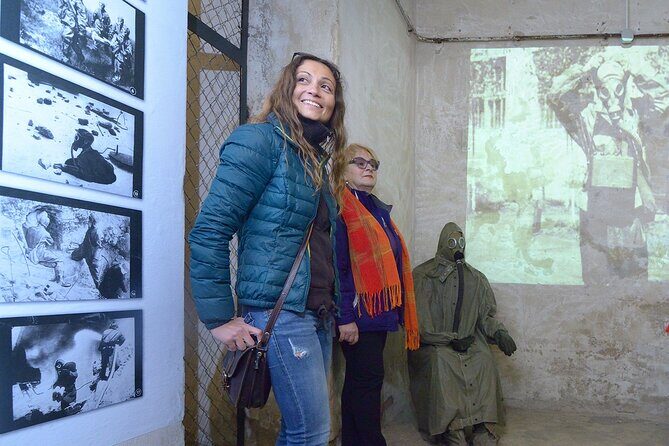
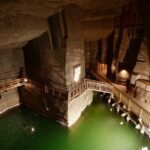
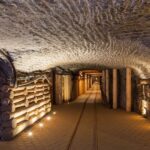
Your first stop is Podziemna Nowa Huta at Muzeum Krakowa, inside a former Cold War shelter. This matters because it changes how you absorb the story. Instead of reading captions in a calm gallery, you step into a space built for fear and preparation, which makes the communist-era “everyday life” displays feel more grounded.
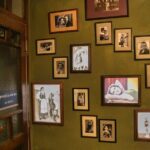
Inside, you’ll see original interiors, propaganda material, household objects, and personal stories connected to the socialist era. The museum is designed to help you understand not only what was on the posters, but how ideology translated into routines—what people used, what they were shown, and what daily life could feel like.
The museum visit is about 45 minutes, and admission is included. Plan to go in with questions in your head, like: How did the state want people to behave? What did ordinary homes reveal about power? If you keep that mindset, the museum becomes more than a stop—it becomes the foundation for everything you see above ground.
One practical note: the museum is closed on Mondays, so if your trip lands on a Monday, double-check what that means for your planned visit date.
Walking the socialist blueprint: avenues, blocks, and public spaces
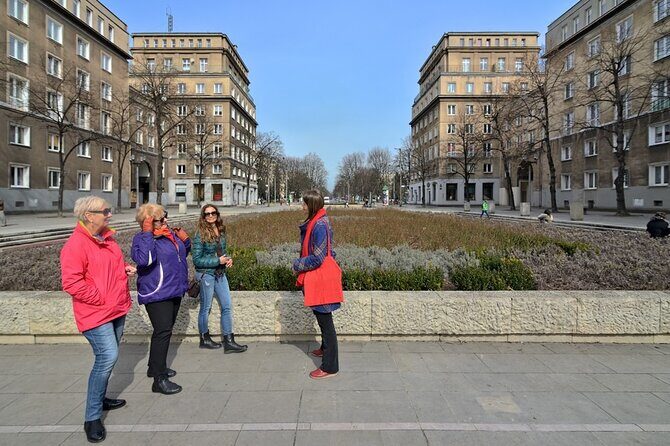
After the museum, you continue on foot through Nowa Huta’s core. This part is where the tour earns its keep: your guide points out how the city design follows a plan. Wide avenues, symmetrical housing blocks, and carefully shaped public spaces aren’t just design choices—they’re meant to reinforce a way of organizing community life.
Expect this segment to take around 30 minutes. It’s short enough to stay energetic, but long enough to notice patterns. You’ll likely hear how monumental squares and the rhythm of buildings helped communicate authority and collective identity.
Then comes the key “after” question: what happened once the communist era ended? The guide explains how the district has evolved since then, which is important. A lot of history tours end at the fall of a system. This one also nudges you to look at what remained—sometimes even in the way a neighborhood still moves and gathers.
Wear comfortable shoes. The walk is described as mostly level in practice, and your guide should adjust pace to your comfort, but it’s still a walking tour and you’ll be on your feet.
The Cultural Centre corridor and how life adapted
As you pass through the district, you’ll come by the Nowa Huta Cultural Centre. In communist times, institutions like this were more than entertainment. They were tools for shaping values through art, theatre, and music.
This stop is more about interpretation than a major “look at this building” moment. Your guide explains the centre’s historical role and also what it does today as a local cultural hub. That’s a satisfying transition: you get to see continuity and change in the same place.
This is also a good part of the tour for asking yourself a tough question: what survives when the ideology changes? Sometimes the programming does. Sometimes the building’s function shifts. But the social need—people wanting a shared cultural space—still shows up.
If you’re the type who likes history that connects to modern street life, you’ll probably enjoy this segment.
Zapiekanka and vodka: everyday food as a window into the era
Now it gets human in a different way. You’ll stop for zapiekanka, Poland’s open-faced toasted baguette, plus a shot of traditional Polish vodka at a communist-style bar. The idea here is simple: food and drink weren’t just “extras.” They were part of how daily life worked, how people socialized, and how culture carried on even under strict systems.
This segment runs about 45 minutes. Admission tickets aren’t the point here; instead you’re sampling what feels like everyday comfort. Zapiekanka is easy to recognize once you see it, and it’s a clever choice for a tour like this because it links the era to something you can eat with your hands and share with someone next to you.
Vodka is included as a tasting shot. It’s not about turning the tour into a party. It’s about showing what kinds of drinks were common and how those spaces felt when communism still shaped public life.
If you’re vegetarian, you’ll be fine—vegetarians are welcome on all tours. For allergies, the guidance is practical: unless you have multiple combined allergies or you’re vegan, they’ll figure it out with you. So if you have a specific allergy, speak up early so the team can plan.

Church of Our Lady Queen of Poland (Arka Pana) and the resistance story
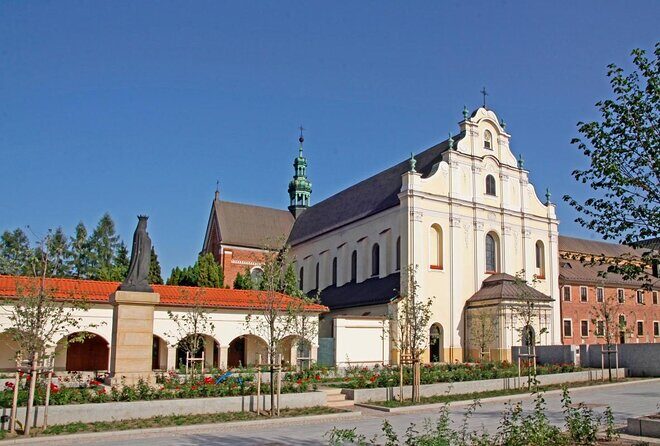
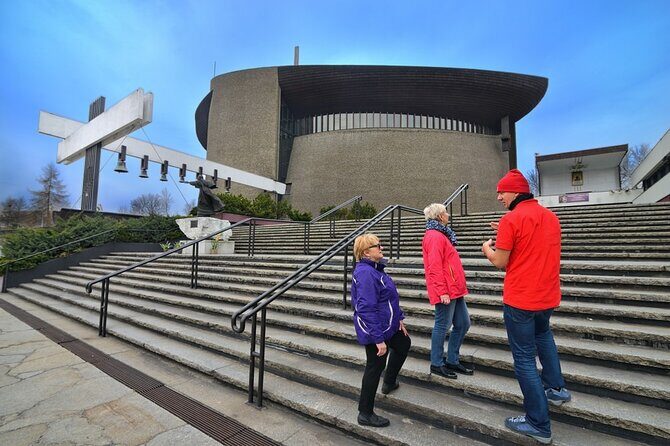
You end at the Church of Our Lady Queen of Poland, also known as Arka Pana, the Ark of the Lord. This is one of those endings that gives the whole tour a moral arc, not just an architectural one.
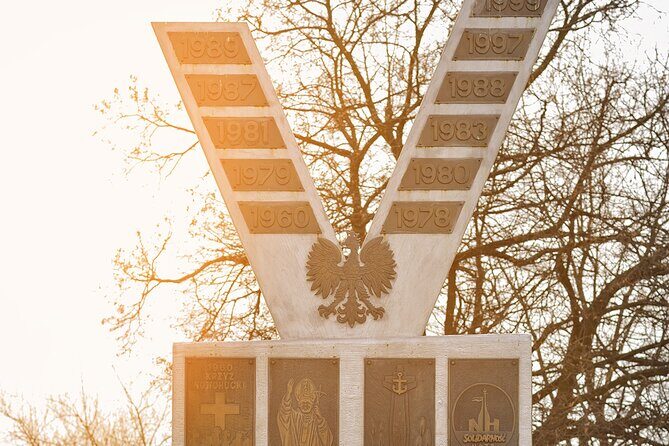
The church was built despite strong opposition from communist authorities. Your guide explains why this mattered: it became a powerful symbol of resistance, faith, and community solidarity. In other words, Nowa Huta wasn’t only shaped by state ideology. It was also shaped by people pushing back—sometimes with politics, sometimes with religion, and often with both.
This stop lasts about 45 minutes. It’s also a great place to slow down. You’ll have time to absorb the meaning without rushing to the next “photo spot.”
If you want to understand why the Solidarity Movement and religious identity mattered so much in Poland, this is a high-impact moment. It turns the communist era from a “thing that happened” into a story of everyday courage.
Price and what $114.14 buys you in real terms
The price is $114.14 per person for roughly 4 hours. That’s not cheap, but it’s not just paying for a walk, either.
Here’s what’s included:
- a local English-speaking guide
- tram transport to and from the communist district
- admission ticket to the underground communist museum (note: closed on Mondays)
- a vodka tasting in a local restaurant setting
- one zapiekanka snack
- the option for private tour hotel pick-up
Also, the tour caps at 12 travelers, which helps with pacing and questions. And you get a mobile ticket, which reduces day-of hassle.
My value take: you’re paying for three distinct elements that work together—context (underground museum), spatial understanding (planned-city walk), and cultural meaning (food + Arka Pana). If all you want is a basic overview photo tour, you’d likely feel the cost. If you want the “how and why” story, the included admissions and tastings help justify it.
One small reality check from the experience: one guest felt the tour leaned heavily toward personal storytelling and that they wanted more technical detail on socialist realism architecture and more focus on workers’ protest. So if those are your main interests, go in knowing the tour’s strength is interpretation and story, not only academic specifics.
How the 4-hour flow fits into a Krakow day
The tour runs about 4 hours, with short guided segments and transitions that keep momentum. You start at Długa 1 and end near Main Market Square (Rynek Główny), which is handy if you want to return to the core of Krakow afterward.
Tram rides are included to get you out to Nowa Huta and then back. That’s a smart choice in a city where you don’t want to waste time figuring out transport.
You’ll do:
- 45 minutes underground museum
- 30 minutes on-foot district walk focusing on design principles
- 45 minutes for zapiekanka and vodka tasting stop
- 45 minutes at Arka Pana to wrap up the resistance and faith story
That’s a good pacing structure: context first, then streets, then culture through food, then meaning at the church.
Who should book this Nowa Huta communist tour
Book this tour if:
- you want a history tour with a strong sense of place, not just names and dates
- you like architecture and city planning, but you prefer it explained through human impact
- you’re interested in the Solidarity-era atmosphere and Poland’s broader communist-to-post-communist shift
- you enjoy guided context and a small-group vibe
It may not be the best match if:
- you’re expecting a deep, technical breakdown of socialist realism as an academic topic for the whole tour
- you mainly want an extended focus on workers’ protests rather than the blend of museum, food, and resistance symbolism
If you’re open to personal storytelling and symbolism—plus a real snack stop that feels local—this is a strong way to spend a half-day in the area.
Should you book? My quick decision guide
I’d recommend booking if you want Nowa Huta to make sense fast: underground context, a guided walk through the socialist city plan, then a thoughtful finish at Arka Pana. The included museum admission, tram transport, and zapiekanka plus vodka make it easier to justify the cost without feeling like you’re paying for empty sightseeing.
Don’t book it if your dream experience is a long architecture seminar or a tightly focused labor-movement lecture. This tour is built to connect the dots through stories, spaces, and everyday culture.
If you can, choose a day that isn’t Monday so the underground museum isn’t an issue. And if you’re sensitive to walking time, plan on comfortable shoes and a calm pace with a guide who adjusts to your comfort.
FAQ
How long is the Nowa Huta tour from Krakow?
It runs about 4 hours.
What’s included in the tour price?
You get a local friendly English-speaking guide, tram transport to and back, entrance ticket to the underground communist museum, a zapiekanka snack, and a vodka tasting. Private tour options can include central hotel pick-up.
Is the museum stop always available?
The underground communist museum is included, but it is closed on Mondays, so your visit day matters.
Where does the tour start and end?
It starts at Długa 1, Kraków and ends at Krakow’s Main Market Square area (Rynek Główny).
How big is the group?
The maximum group size is 12 travelers.
Can vegetarians join?
Yes. Vegetarians are welcome on all tours.
What if I need to cancel?
Free cancellation is available up to 24 hours in advance for a full refund.