REVIEW · KRAKOW
Krakow: City Sightseeing Tour Eco Electric Buggy Golf Cart
Book on GetYourGuide →Operated by GLUZINSKI CITY TOUR KRAKOW SP. Z.O.O · Bookable on GetYourGuide
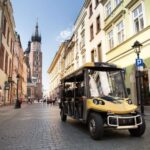
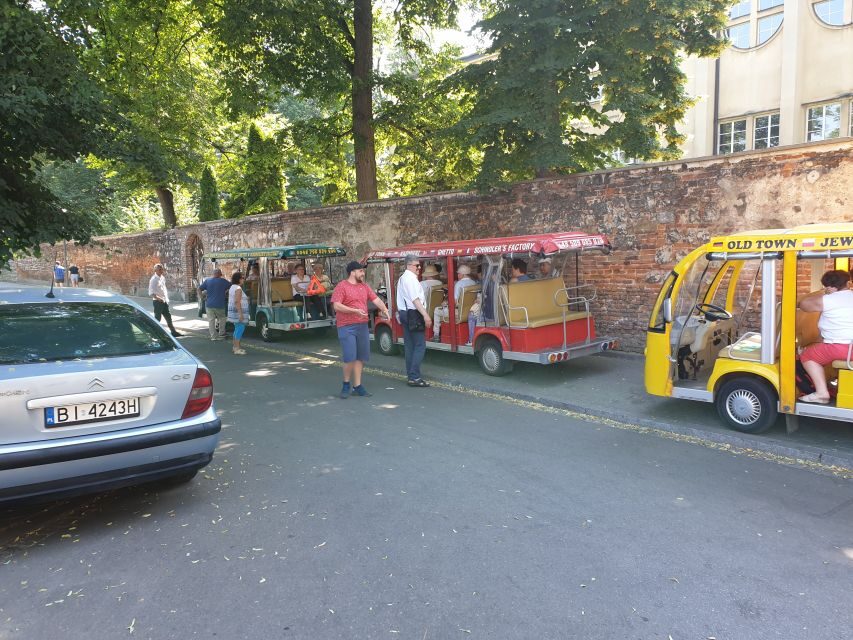
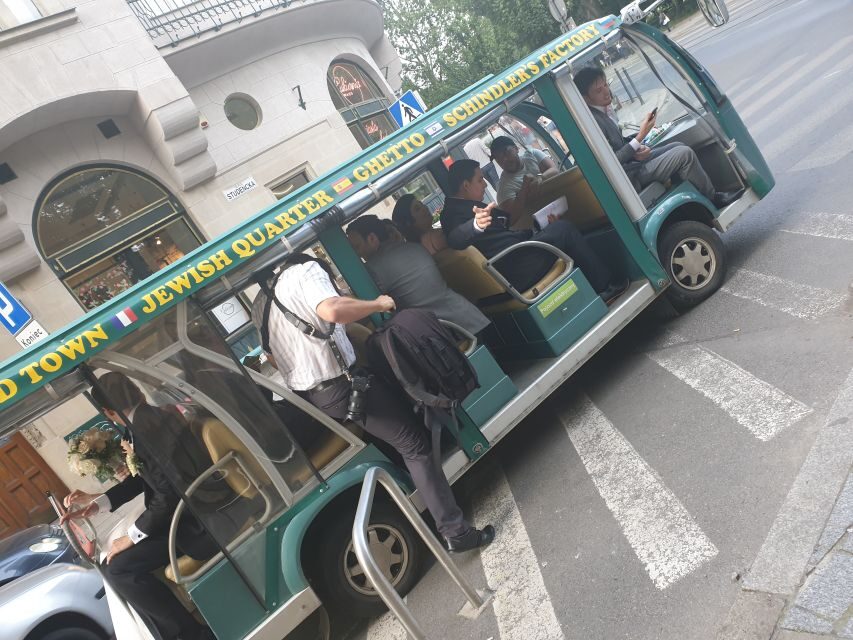
Krakow on a buggy beats freezing your toes off. This 90-minute heated eco electric ride gives you an efficient way to see a medieval core, then shifts into the Jewish Quarter and former ghetto with real stop-by-stop history. You’ll get a mix of major sights, small streets, and lots of context without doing a marathon of stairs.
I love how the cart setup makes it practical in winter, with warmth that keeps the experience comfortable. I also love the tour’s strong focus: you’re not just “driving around,” you’re building a clear picture of Kazimierz and Podgórze (the former Krakow ghetto) through the synagogues, memorials, and key sites along the route.
One thing to consider: the emphasis is heavily on Jewish history, so if you’re hoping for a broad, balanced hit list of all Krakow’s neighborhoods, this may feel narrower than other city tours.
In This Review
- Key things I’d circle before you book
- Krakow by heated electric buggy: what the 90 minutes feels like
- Who this tour fits best (and who should think twice)
- Your ride setup: audio guide languages, live guidance, and the warmth factor
- The medieval Krakow opener: Planty Park and the older center
- Jewish Quarter essentials: Wolnica Square, synagogues, and the small streets
- Ghetto-era Krakow: Heroes Square, Schindler history, and the wall
- Church stops on the route: Skałka, St. Catherine, Corpus Christi, and St. Joseph
- Guide style and the mix of live + audio commentary
- Value for $13: what you’re really paying for
- Should you book this Krakow electric buggy tour?
- FAQ
- How long is the Krakow city sightseeing tour by eco electric buggy cart?
- What areas and historical themes does the tour focus on?
- Is transportation provided during the tour?
- Is an audio guide included, and what languages are available?
- Is there a live tour guide as well as the audio guide?
- Do I need to arrange hotel pickup?
- Is the tour comfortable in winter?
- Are large bags or luggage allowed?
- What is the cancellation policy?
Key things I’d circle before you book
- A winter-friendly heated electric buggy for cold-weather comfort and quick sightseeing
- A concentrated Jewish Quarter route through multiple synagogues and ghetto-era landmarks
- Short stops for photos and views, with chances to look inside at some church moments
- English-language live guidance plus audio in many languages for flexible listening
- Great value for 90 minutes when you want context fast
Krakow by heated electric buggy: what the 90 minutes feels like
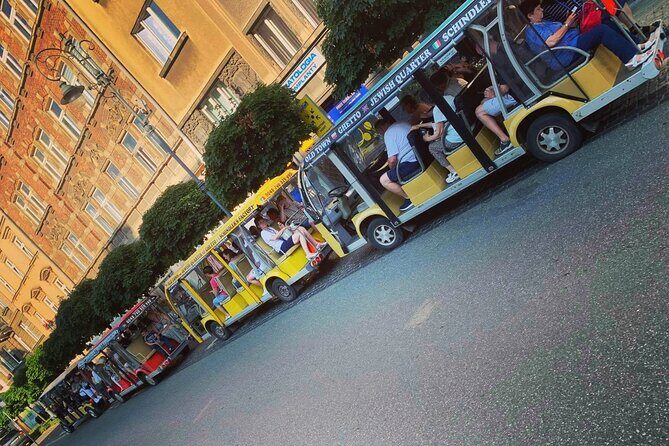
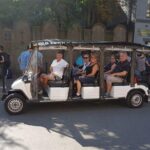
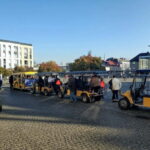
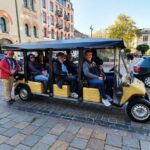
This tour is built for people who want to see a lot without spending the whole day walking. You’re in an eco electric golf cart style vehicle, and in winter the vehicles are heated. In other words: less huffing uphill, more relaxed looking.
The time budget matters. Ninety minutes is long enough to connect the story of the city—then still short enough that you can use the rest of your day for bigger-ticket visits like the Salt Mine or Auschwitz museums (if you’re doing those). If you’re on your first day in Krakow and want to get oriented fast, this format works well because you cover meaningful districts in one smooth loop.
Price is also a big part of the appeal. At about $13 per person, you’re paying for transportation plus guidance and an audio guide. You won’t get everything in Krakow, but you do get a concentrated route with context—especially around Jewish history and the ghetto area.
You can also read our reviews of more city tours in Krakow
Who this tour fits best (and who should think twice)
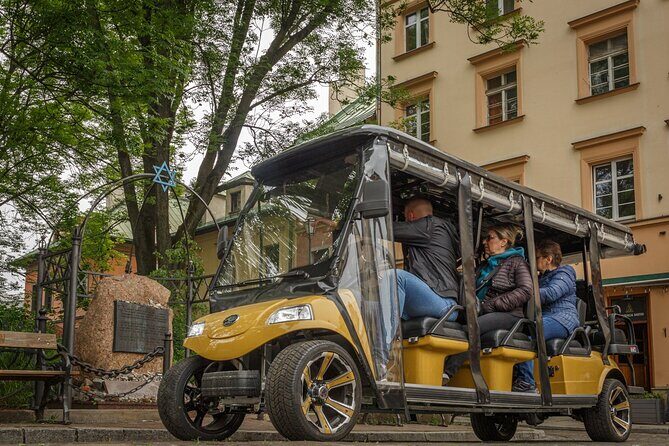
This is a family-friendly style of sightseeing. The tour is designed to connect everyone: younger visitors, older visitors, and people who simply don’t want lots of steps. If your group includes mixed mobility, the golf cart format gives you a common activity without leaving anyone behind.
You’ll probably enjoy it even more if you:
- want a clear, guided introduction to Kazimierz and Podgórze
- like history that’s tied to places you can actually point to
- want something that’s educational without being overly slow
You might think twice if:
- you want a general “all of Krakow” sampler. The route’s heart is the Jewish Quarter and former ghetto story.
- you’re hoping for lots of long indoor museum time. This is mostly about seeing and learning from the street-level sites, with only short stops.
Your ride setup: audio guide languages, live guidance, and the warmth factor
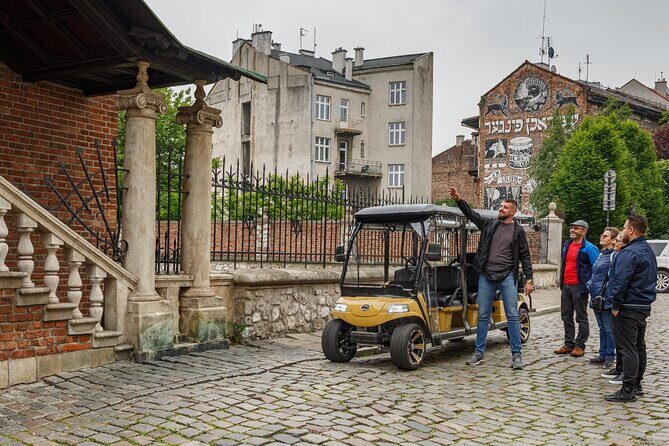
You’ll ride with transportation by golf cart and a driver. There’s also a live tour guide listed as English and Polish, plus an audio guide included. Even if you mainly listen through the audio system, the live guidance adds the human touch—pace, corrections, and answers as you go.
The audio guide language list is long. Depending on the option, you can get English, Spanish, Italian, Polish, and many others (including French, German, Russian, and several more). That means the tour can work for mixed-language groups better than many single-language tours.
In winter, the big practical win is comfort. Vehicles are heated, and you’ll likely feel the difference quickly if temperatures are low. One helpful tip that shows up again and again: plan your schedule so you’re not rushed when you want to see church interiors. A later start can limit what you can access inside.
Also note a basic limitation: luggage or large bags aren’t allowed. If you’re traveling light, this won’t be an issue. If you’re carrying a lot, plan to keep it manageable.
The medieval Krakow opener: Planty Park and the older center
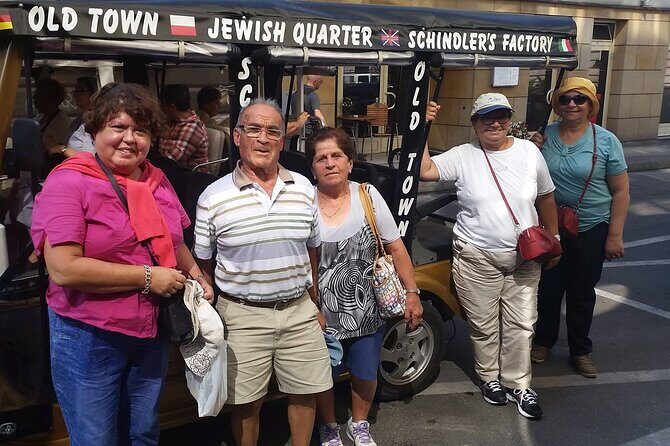
Your tour starts with the city’s older rhythm—then you build toward the Jewish Quarter story. One early stop is Planty Park. Think of this as the kind of place that helps you understand the city layout before you start getting into the dense district streets.
From there, you get the “how Krakow got to where it is” type framing: the tour includes parts described as History Krakow and Jewish Quarter context. In plain terms, these segments matter because the sights start making more sense once you have a timeline in your head.
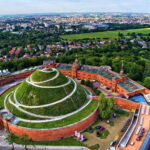
Then you move into church landmarks that anchor the surrounding neighborhood feel. You’ll pass or stop at Skałka Church and Church of St. Catherine, before continuing toward the Jewish Quarter streets and squares. These stops can be useful even if you’re not a church-architecture superfan, because they help you see how different communities and eras sit side by side in Krakow.
Practical note: there are moments where you may get off for views at religious sites. If seeing interiors is important to you, going earlier in the day can help.
Jewish Quarter essentials: Wolnica Square, synagogues, and the small streets
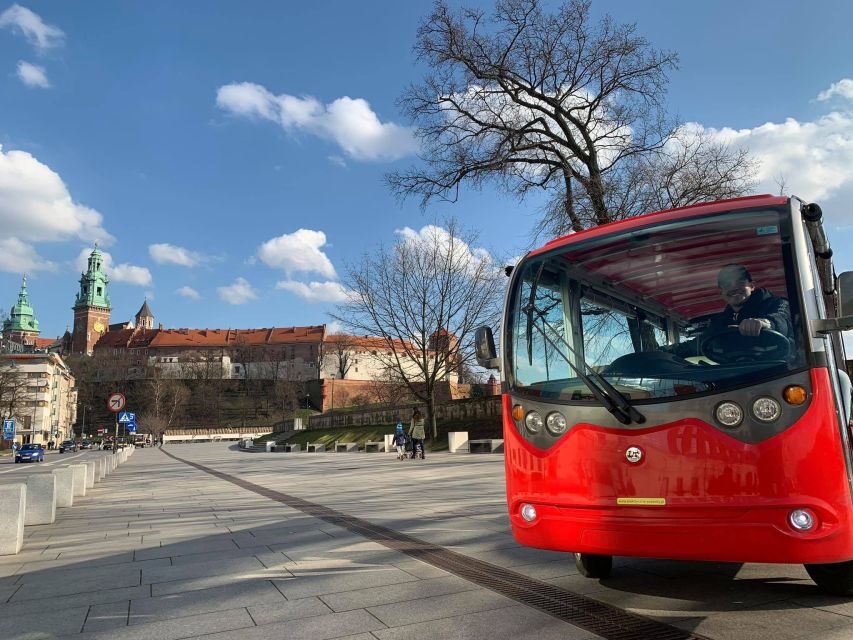
This is where the tour becomes its own story. You’ll focus on the Jewish Quarter and the area labeled Kazimierz and Podgórze, with the former territory of the Krakow ghetto included in the narrative.
A key stop is Wolnica Square – Jewish City Hall. Squares like this tend to function as social and civic points, and on this tour it’s used as a reference point for what you’re about to see next on the streets.
Then you hit several synagogues, one after another:
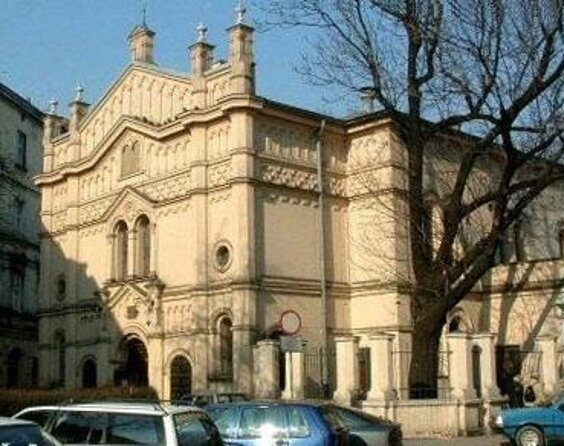
- Tempel Synagogue
- Kupa Synagogue
- Isaac Synagogue
- Old Synagogue
- Popper Synagogue
- Remuh Synagogue and old cemetery
Seeing multiple synagogues in one route is the point. You’re not just reading about names; you’re connecting them to real streets and nearby monuments. It’s especially helpful if you’re short on time, because you can still build a mental map of the area.
Between the synagogues, you’ll also see street-level detail like Ciemna Street and memorial-style moments that make the history feel closer:
- Memorial Stone of the Nissembaum Family Foundation
- Old Jewish Shops
- Family House of Helena Rubinstein
You should expect a lot of explanation here. The synagogues and memorials aren’t just photo stops. They’re used to teach what the sites mean and how the community’s life and memory are tied to place.
If you’re traveling with teens or a group that gets restless, this section often works because the route mixes big names (famous synagogue locations) with smaller street textures like Ciemna Street and the Old Jewish Shops area.

Ghetto-era Krakow: Heroes Square, Schindler history, and the wall
After the Jewish Quarter focus, the tour turns toward the darker chapter. You’ll encounter stops explicitly tied to the former ghetto, including:
- Former Ghetto
- Ghetto Heroes Square
- Life in Ghetto
- Ghetto Wall
- Oskar Schindler’s – history
- Pharmacy under the Eagle – Residence of Tadeusz Pankiewicz
This section is emotionally heavy by nature, and the value of the tour is that it keeps it grounded in named places rather than vague generalities. When you’re standing near something like Ghetto Wall, the history stops being abstract.
A highlight for many visitors is the way the tour links the story to recognizable landmarks. Oskar Schindler’s is included specifically as “history,” and the Pharmacy under the Eagle stop is tied to the Residence of Tadeusz Pankiewicz. Those details help you follow the narrative without feeling lost.
Also important: the tour is structured to keep you moving and not stuck for too long at any one point. That’s practical. It lets you absorb what you can in 90 minutes, then keep your day going.
If you want to go deeper, this tour can function as a strong primer. It can also help you decide where you want to spend extra time after the cart ride.
Church stops on the route: Skałka, St. Catherine, Corpus Christi, and St. Joseph
Churches are woven into the itinerary rather than treated as the main event. You’ll see:
- Skałka Church
- Church of St. Catherine
- Church of Corpus Christi
- Church of St. Joseph
One reason this matters: these church stops give context for what else exists in the same neighborhoods you’re studying. In a city like Krakow, religious and civic life overlap in the streets, so seeing churches alongside Jewish Quarter sites helps you understand how the city layers time.
You may get chances to view inside at some points, and winter timing affects what you’ll actually be able to see. A common practical recommendation from people who’ve done it: if church interiors are on your must-do list, try to start early so opening times don’t squeeze you.
Guide style and the mix of live + audio commentary
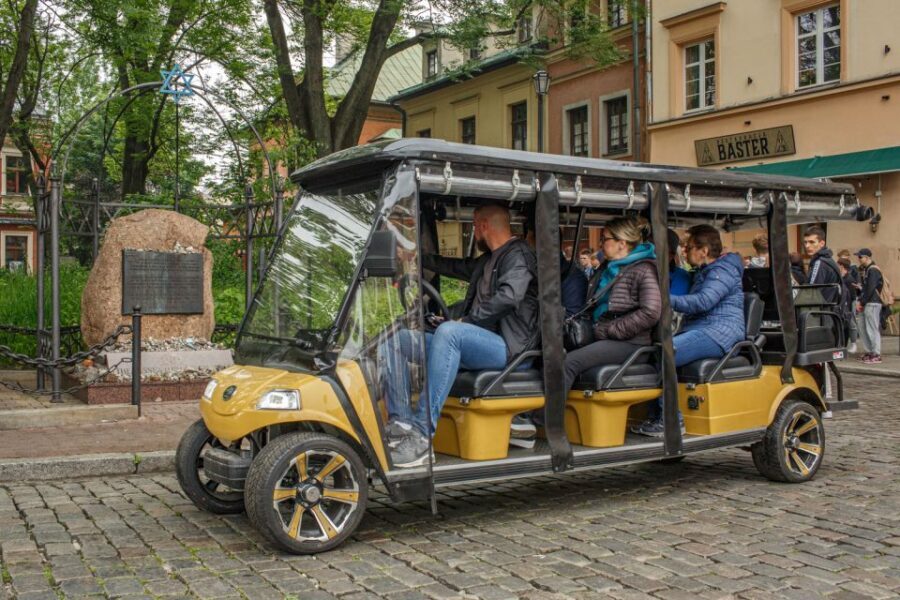
The most consistently praised part of this tour is the people running it. Names that show up in recent experiences include Roch, Natalia, Olivia, and Philip. Different guides bring different personalities, but the pattern is the same: a clear, friendly walkthrough of what you’re seeing.
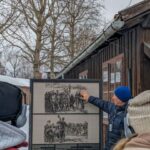
The audio guide is there for depth and coverage, but the live guide keeps it human. When you ask something, you often get an answer that helps you connect the dots fast. If you’ve ever done an audio-only tour, you’ll know the difference: audio handles the “what,” while a person handles the “why does it matter.”
One small real-world point: audio can sometimes have technical hiccups. When that happens, a good guide can keep things moving and adjust. You’re not stuck staring at your screen.
Value for $13: what you’re really paying for
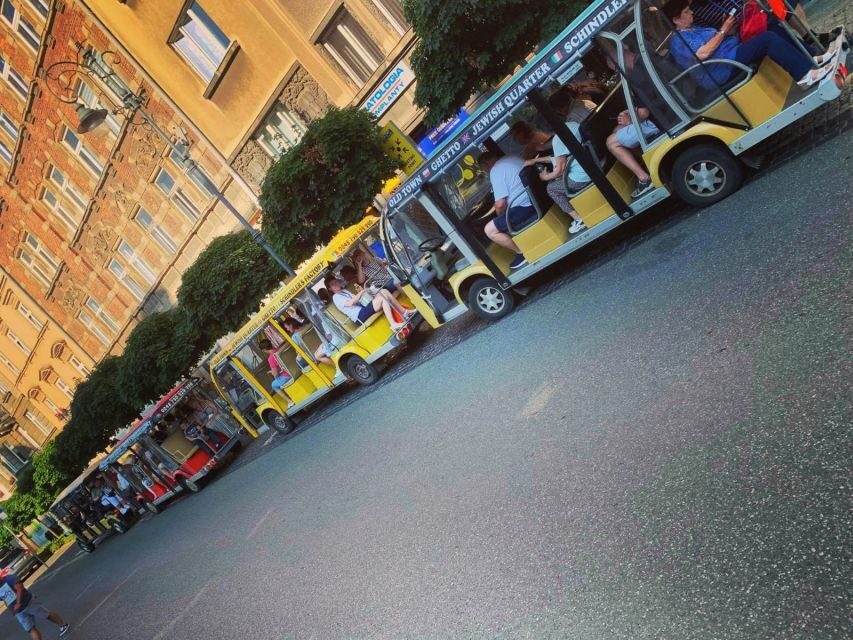
At around $13 per person for 90 minutes, you’re buying four things:
- transportation by heated eco electric buggy
- an audio guide included
- a live guide (English/Polish) and a driver
- a tightly planned route covering many named sites
That’s strong value if you use the tour the way it’s intended: as an orientation tool and a district-focused history introduction. It’s also a good fit if weather is rough. In cold months, the heated vehicle turns sightseeing into something you can actually enjoy rather than tolerate.
The trade-off is scope. This route is not designed to cover every corner of Krakow. The core is the Jewish Quarter and former ghetto story, plus selected surrounding medieval landmarks and church stops.
If you price it against time, it’s a smart purchase. You can cover major points, then spend the rest of your day doing what you personally care about most—without guessing your way through the neighborhoods.
Should you book this Krakow electric buggy tour?
Book it if:
- you want a fast, comfortable way to see Krakow’s Jewish Quarter and former ghetto sites
- you like learning history through real locations, not just plaques
- your group includes mixed ages or you want fewer steps
- you’re visiting in winter and want the ride warmth to do the heavy lifting
Skip it (or choose a different style tour) if:
- your priority is a wide “everything Krakow” sweep across multiple districts
- you want lots of long indoor museum-style time instead of short, guided stops
If you’re deciding what to do on your first or second day, this is a practical pick. You’ll leave with a clearer mental map, a stronger understanding of the Jewish Quarter story, and a list of places you might want to revisit at your own pace.
FAQ
How long is the Krakow city sightseeing tour by eco electric buggy cart?
The tour duration is 90 minutes.
What areas and historical themes does the tour focus on?
The tour focuses on the medieval city of Krakow and includes history connected to the Jewish Quarter (Kazimierz) and Podgórze, described as the former territory of the Krakow ghetto.
Is transportation provided during the tour?
Yes. You’ll ride in an eco electric golf cart, with a driver included.
Is an audio guide included, and what languages are available?
An audio guide is included. It’s available in many languages, and you’ll see options listed such as English, Spanish, Italian, Polish, Chinese, and more.
Is there a live tour guide as well as the audio guide?
Yes. A live tour guide is listed for English and Polish, along with the driver.
Do I need to arrange hotel pickup?
Hotel pickup and drop-off are not included, but pickup may be optional. The tour info says you can provide your hotel or apartment address if you want pickup.
Is the tour comfortable in winter?
Yes. The info specifically notes that in winter time the vehicles are heated.
Are large bags or luggage allowed?
No. Luggage or large bags are not allowed.
What is the cancellation policy?
Free cancellation is available up to 24 hours in advance for a full refund.