REVIEW · KRAKOW
Nowa Huta: Steelworks Administration Buildings/Shelters Tour
Book on GetYourGuide →Operated by eNHa Trip Nowa Huta tour · Bookable on GetYourGuide
A bunker tour in Krakow feels unreal. This Nowa Huta visit lets you step inside steelworks administration buildings and go down into bomb shelters, so Cold War history is physical, not abstract.
I love the way the tour shows how power worked day-to-day: impressive halls above, then practical rooms below, down to the underground command atmosphere. One possible drawback: it’s not built for mobility impairments or wheelchair users, with stairs and old interiors.
I also like the contrast of two almost twin buildings connected by a tunnel, plus the optional vintage-car add-on for photos. If you’re expecting the active, working steel plant, plan for a limitation: the tour does not include entry into the operating part of the steelworks.
In This Review
- Key highlights I’d plan around
- Why Nowa Huta’s steelworks buildings feel different from “normal” Krakow stops
- Timing, meeting point, and the 90-minute-to-2-hour rhythm
- Two almost-twin buildings: how the tour compares design and control
- The underground tunnel and bunker spaces: cold war design you can feel
- Radio control and tapes: the tech detail that makes the era click
- Theater hall, staircases, and the everyday side of a command city
- Add-on options: private district sightseeing and a vintage car photo moment
- Price and value: is $26 worth your time?
- Who should book, and who should skip this tour
- Final verdict: should you book the Nowa Huta administration buildings and shelters tour?
- FAQ
- How long is the Nowa Huta steelworks buildings and shelters tour?
- Where is the tour located?
- What is the tour price?
- Is there an English-speaking guide?
- What parts of the steelworks are included?
- Will I see the bomb shelters and underground command area?
- Does the tour include vintage car options?
- Is the tour suitable for wheelchair users or people with mobility impairments?
- Do I need to book ahead?
- Can I cancel and get a refund?
Key highlights I’d plan around
- Two near-twin administration buildings: compare differences as you move through preserved spaces.
- Underground tunnel and shelters: go below to see how the bunker world functioned.
- Radio control room and radio station: see how the system worked and hear authentic tapes.
- Executive offices and engineer corner offices: get a feel for hierarchy in the Soviet-era workplace.
- Oval staircases and a theater hall still used today: architecture and everyday function side-by-side.
- Optional vintage car ride and photos: a fun, period-correct way to mark the experience.
Why Nowa Huta’s steelworks buildings feel different from “normal” Krakow stops
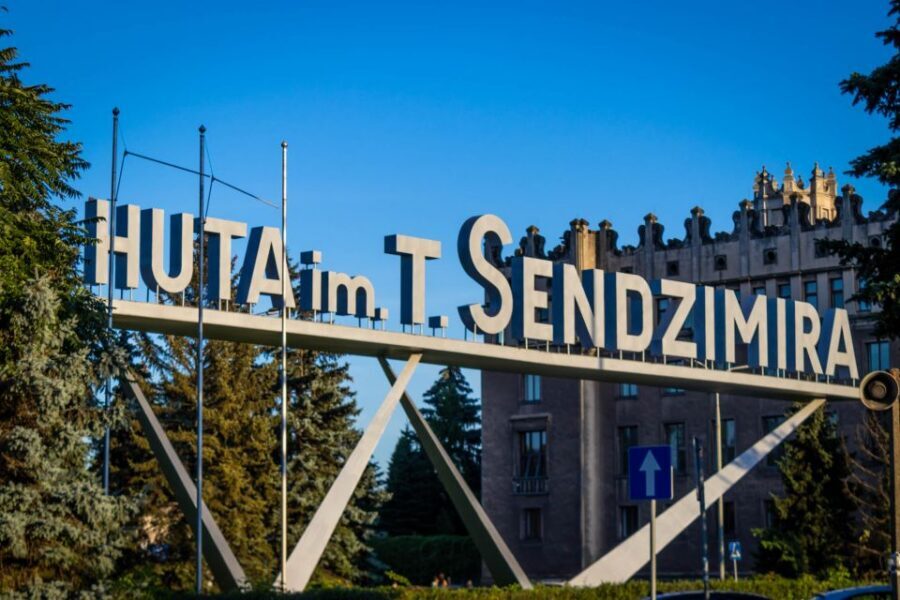
Most people picture Krakow’s Old Town—pretty facades, medieval lanes, big viewpoints. Nowa Huta is the side of the story that’s harder to summarize and much easier to feel. This area was built as a socialist city in the 1950s, tied to one massive idea: industrial output under a strict command structure.
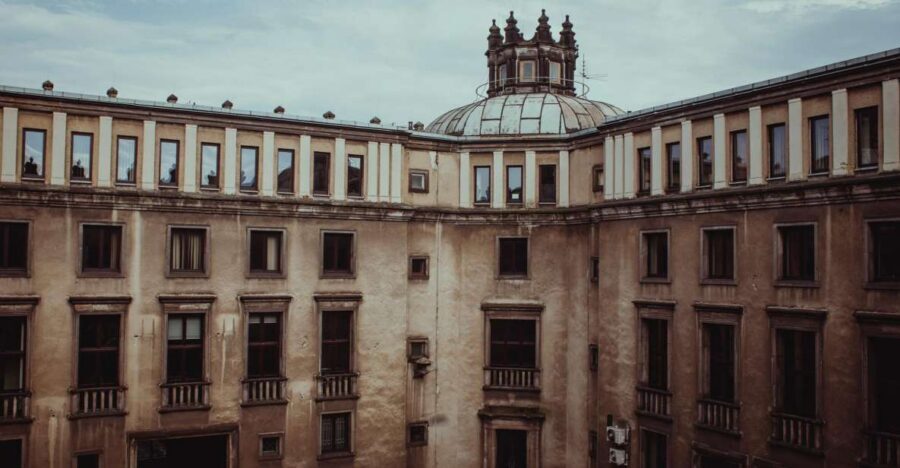
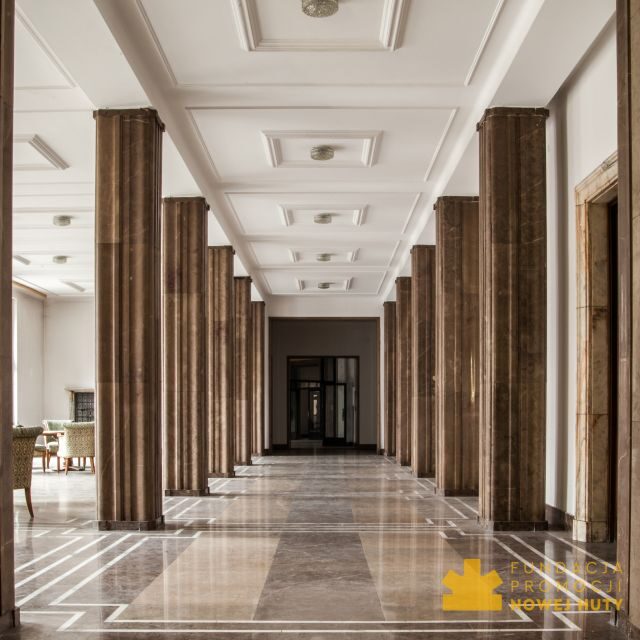
That’s why the steelworks administration buildings matter. They weren’t just offices where paperwork happened. They were meant to project authority. As you walk through grand interior spaces—entrance halls and director areas—you start to see how architecture was used like a tool of management. The details aren’t random either. Rooms were designed with an aesthetic in mind, including spaces featuring solid ornamental stone meant to satisfy the directors of the plant.
Then the tour shifts underground. In the second half of the 1950s, these shelters and command-related spaces were built to keep operations functioning under catastrophe. That means you aren’t only looking at a museum set. You’re stepping into an environment designed for readiness—communication rooms, command areas, and shelter-style spaces that still show how the system was laid out.
If you like your history in three dimensions, this is one of the most direct ways to get it around Krakow. And if you’re the sort of person who likes industry and architecture, the preserved quality makes the experience even more convincing.
You can also read our reviews of more tours and experiences in Krakow.
Timing, meeting point, and the 90-minute-to-2-hour rhythm
This experience runs about 90 minutes to 2 hours, depending on the option you book and the pace of your group. In real terms, that’s long enough to see multiple floors and the underground segment without feeling rushed into the next stop.
Meeting point can vary depending on the option you choose, so I’d treat that as part of the plan, not a hassle. Confirm where you’ll meet the English-speaking guide before you head out, and give yourself a little buffer time.
One practical point: this tour isn’t aimed at a slow-moving stroll. You’re going through interiors and descending into shelter areas, and the tour is not suitable for wheelchair users or people with mobility impairments. Even if you’re comfortable on your feet, I’d expect stairs and old-building navigation.
Group size can also affect your experience. Some tours run quite small—for example, there are reports of groups as tiny as three people—which can make the stories feel personal and keep Q&A flowing. If you prefer quieter, less crowded access, that matters.
Two almost-twin buildings: how the tour compares design and control
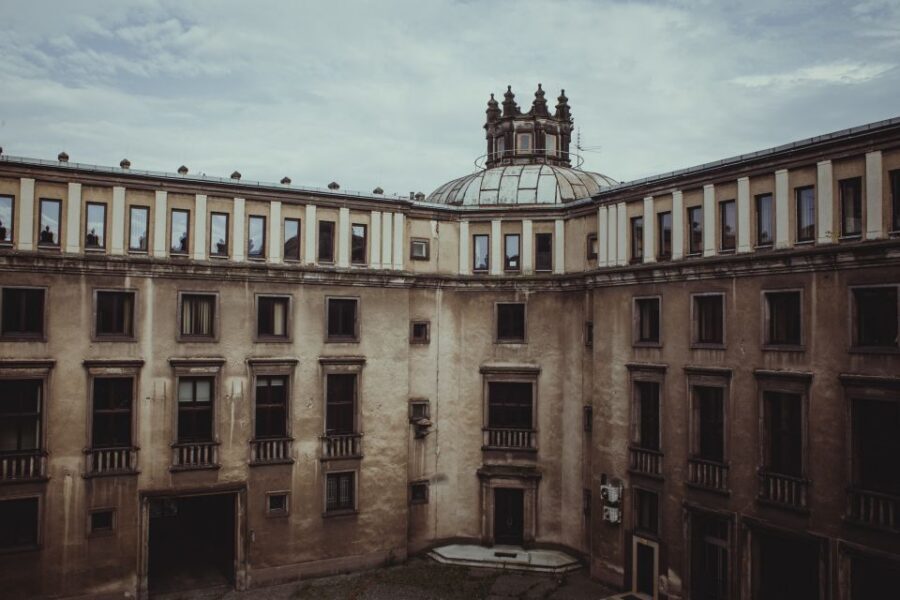
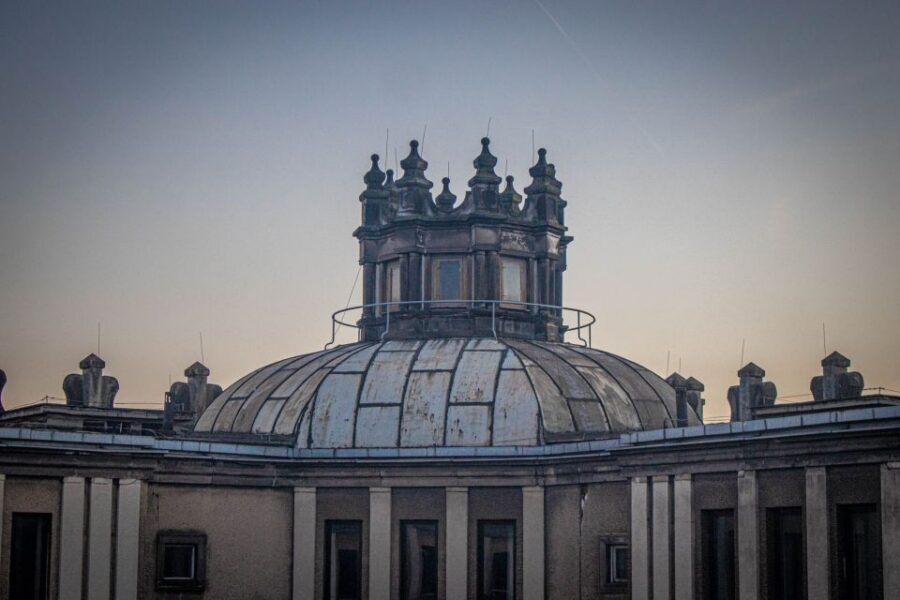
The heart of the tour is the route through administration spaces in two almost twin buildings. The guide helps you notice what’s the same and what’s different, and that comparison is one of the reasons the visit feels cohesive rather than like disconnected rooms.
Here’s the kind of sequence you can expect as you move through the complex:
- Majestic entrance hall
You’ll see a grand entry space that’s described as resembling a renaissance-style staircase. It’s a visual statement: authority starts at the door. Then you move from that public-feeling grandeur into working spaces.
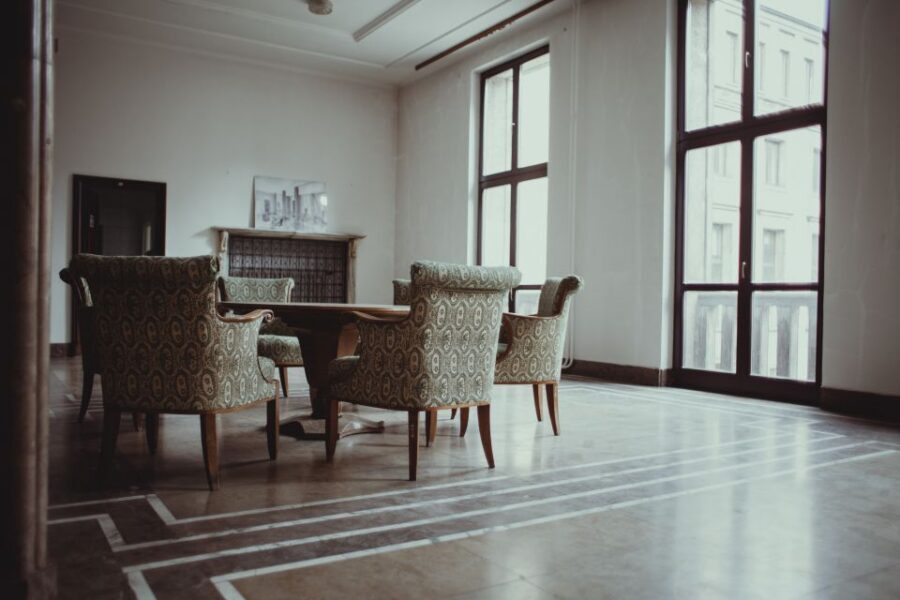
- Ornamental-stone rooms and directors’ areas
The tour includes rooms where expensive, solid ornamental stones were used. It’s a detail that tells you a lot about the leadership mindset at the plant—presentation mattered, not just function.
- Executive offices and engineer corner offices
You also visit the director’s executive offices and the corner offices of engineers. These spots help you understand hierarchy. In a system like this, who sits where and what access looks like is part of the story.
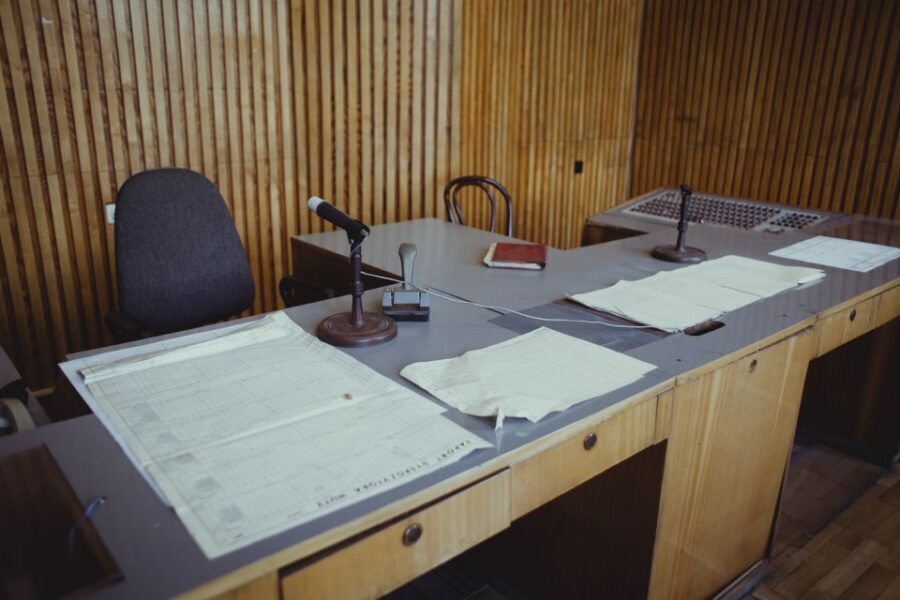
- Radio control room and radio station workings
A standout stop is the radio control room and the radio station areas. You don’t just read about them. The tour includes how the setup works and the chance to hear authentic tapes recorded there.
- A workers’ theater hall still used today
One of the more surprising parts is the theater hall in the workers building. It’s noted as still used today, which adds a human layer to the industrial setting. The plant wasn’t only production. It was a whole lived environment.
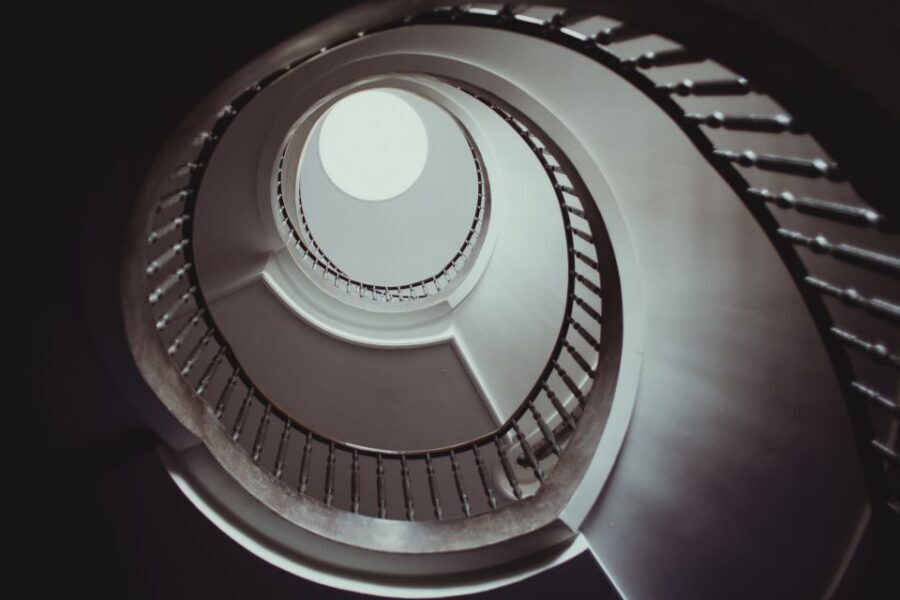
- Oval corner staircases
Both buildings have eight oval corner staircases. These aren’t just decorative. They’re practical routes for vertical movement, and seeing them in context helps you understand how the buildings were intended to operate day after day.
The “almost twin” angle is important. It teaches you to look. Once you know the guide will point out differences, you start noticing them too—floor layouts, interior flow, and how different parts of the complex were designed to play different roles.
The underground tunnel and bunker spaces: cold war design you can feel
After you’ve seen the admin-level layers above, the tour takes you through an underground tunnel connecting the two buildings. That tunnel matters because it’s a physical link between power and survival planning. It turns the complex into a single organism rather than two separate structures.
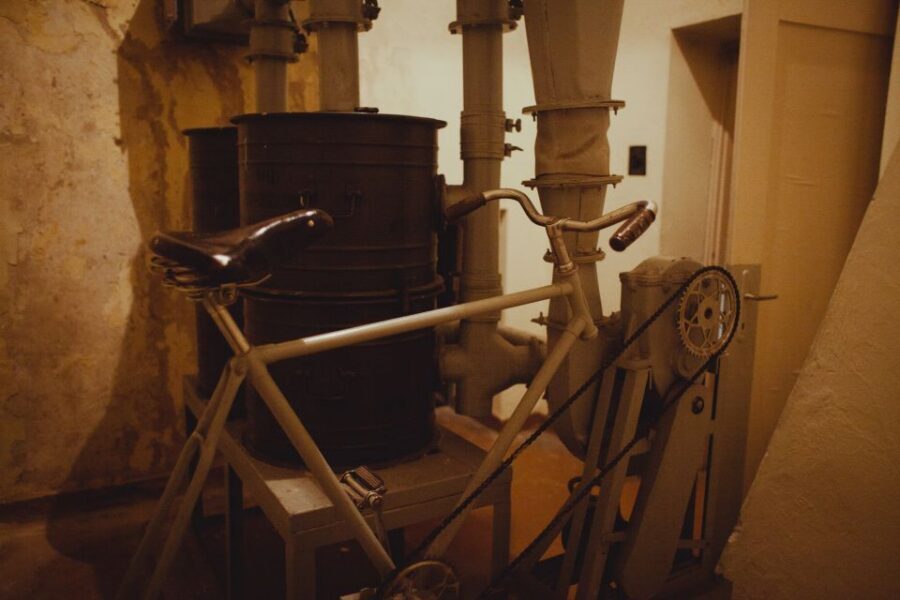
Then you go into the shelters, and this is where the tone shifts. Instead of decorative office grandeur, you’re in controlled, utilitarian spaces. The tour specifically highlights how the shelters looked in the second half of the 1950s, which helps you understand the era’s approach to readiness.
What I find useful for your expectations: shelters are not only about survival as a concept. They’re about communication and coordination. That’s why the radio stops above connect so well to the bunker sections below. You start to see a system.
In the bunker area, you may see communication-related rooms and shelter spaces that reflect how command operations were planned. Some accounts also mention demonstrations of functional details—like phones and old equipment being in place—so the experience can feel less like pure viewing and more like stepping into an operating mind-set.
Also note the practical travel side: going underground is part of the package, so plan for it as a real segment. Wear comfortable shoes, expect cooler or damp-feeling conditions typical of underground areas (even if you’re visiting in warmer weather), and take it slow on stairs and ramps.
Radio control and tapes: the tech detail that makes the era click
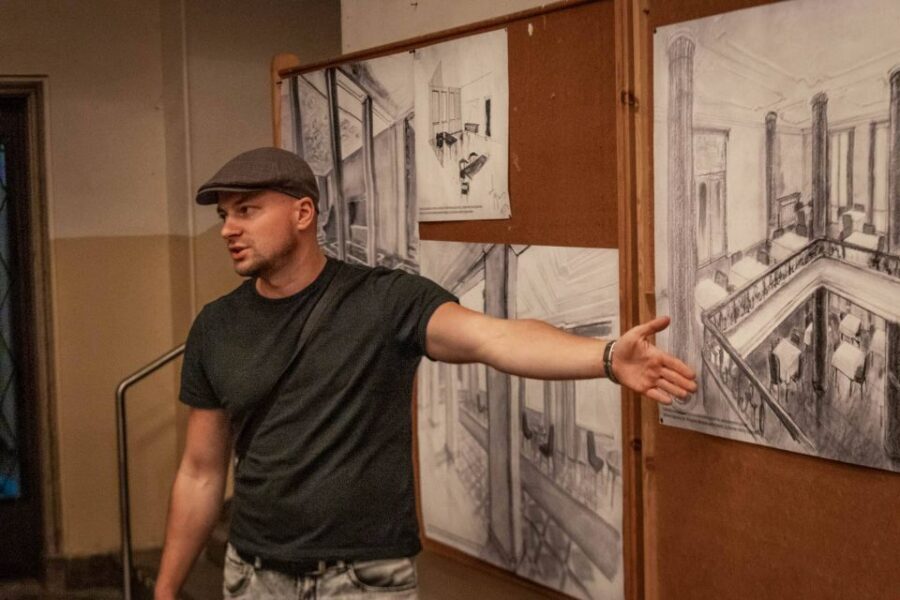
Of all the stops, the radio control room and radio station segment tends to change how people interpret the whole story. It’s one thing to hear about command-and-control. It’s another to see a setup tied to the actual transmission concept of that time—and to hear tapes recorded there.
Here’s what’s compelling about this part for you:
- It connects political planning to everyday tools.
- It gives you sound, which is a powerful contrast to silent, staged museum displays.
- It adds a timeline feeling: technology doesn’t just exist as an object; it existed as a working workflow.
Some guides also pair these technical areas with extra context—like references to how film or game scenes relate to the building spaces. Even when you’re not a pop-culture person, that kind of connection helps you map what you’re seeing onto modern memory. You understand the geometry better, and you remember the rooms longer.
If you care about Cold War tech, communication, and the human side of systems, this is the part to prioritize when you’re choosing how much time to spend. Let the guide explain, and ask questions when you can. The radio and shelter sections often tie together in answers.

Theater hall, staircases, and the everyday side of a command city
It would be easy to reduce Nowa Huta to just politics and industry. The tour pushes against that by showing spaces that had more than one purpose.
The theater hall in the workers building is a great example. It’s described as used today. That means you can see how a socialist industrial settlement wasn’t only about output and control. People needed gatherings, entertainment, and routine public life too.
Then there are the oval staircases—eight in each building complex, as described. Staircases are one of those architectural details that feel boring until you see them in motion. They’re how you move between work levels, offices, and communal areas. When you notice their placement, you get a better sense of building flow and daily movement.
For me, the best part of this “everyday” angle is that it makes the Cold War spaces more believable. The shelter and radio rooms are essential, but they can feel distant. Theater and movement spaces pull the whole setting back toward human scale.
Add-on options: private district sightseeing and a vintage car photo moment
There are two common ways this experience can expand beyond the core buildings-and-bunker loop.
First, there’s an option to add a private sightseeing of the entire district with an experienced local guide. This is valuable if you want context. Buildings don’t sit in a vacuum. You’ll likely come away with a clearer sense of how Nowa Huta functions as a planned area, not just as a preserved structure.
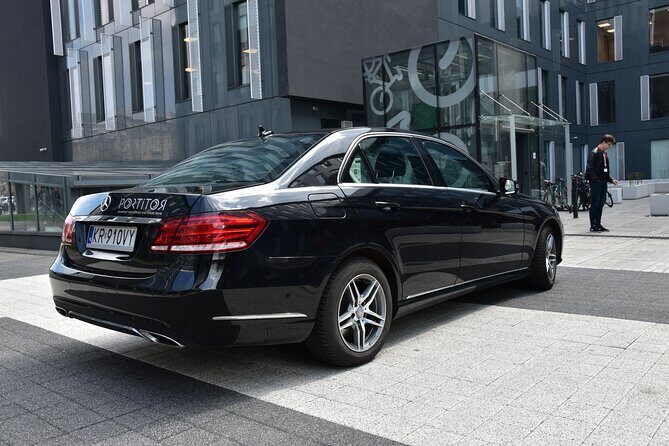
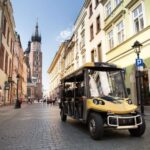
Second, there’s the vintage car option. You might see a communist-era car presentation for photos, and if you choose the car ride option, it’s included as part of the experience. This isn’t only about photos. It adds a layer of atmosphere. Standing in these preserved spaces and then seeing a period-leaning vehicle puts you in the same visual frame that the guides are trying to recreate.
If you’re the type who likes “one memorable photo plus one strong story,” the car option is worth considering.
Price and value: is $26 worth your time?
At $26 per person and 90 minutes to 2 hours, the pricing is mostly about access and interpretation. You’re not paying for a generic guided walk. You’re paying for entry into spaces that are described as preserved and not just open public museum rooms.
You get:
- An English-speaking guide
- Guided access to the steelworks administration buildings and the shelter area
- A tunnel connection experience
- Optional extras like vintage-car elements and private district sightseeing (depending on your booking)
The value gets even better if you care about details. Many highlights aren’t “look, a building” moments. They’re functional or sensory: the radio station workings, and the chance to hear authentic tapes. That kind of content is hard to recreate outside a guided visit.
One limitation to keep in mind: you don’t get entry to the operating part of the steelworks. So if your dream is industrial action shots inside active production, this won’t be that. But if your goal is understanding how command systems and industry administration worked—and how shelters were planned—this tour is built for that.
Scheduling tip: this is best booked at least 1 day in advance. Do it early enough that you can adjust if your Krakow plans shift.
Who should book, and who should skip this tour
I’d strongly consider this tour if:
- You’re interested in Cold War era life and institutions.
- You like industrial architecture and interiors left in place.
- You enjoy technical history, especially radio/communication.
- You want a Krakow add-on that’s clearly different from the Old Town circuit.
I’d be careful if:
- You or anyone in your group has mobility issues. The tour is explicitly not suitable for wheelchair users or people with mobility impairments.
- You only want the most famous, postcard-famous spots in Krakow. Nowa Huta is about the other half of the story.
Final verdict: should you book the Nowa Huta administration buildings and shelters tour?
Yes—if you want a rare, hands-on history experience tied to preserved spaces. The combination of administration buildings, an underground tunnel and bomb shelters, and the radio segment with authentic tapes makes this more than a generic “Cold War tour.” Add the small-group feel that can happen and the guide-led storytelling, and it often lands as one of the more memorable Krakow detours.
Don’t book this expecting the operating steel plant. Do book it if you want to understand how authority, industry, and survival planning were designed into one complex.
If you’re on the fence, I’d use one rule: if the idea of going underground to see the shelter side of the system appeals to you, this tour is worth your time.
FAQ
How long is the Nowa Huta steelworks buildings and shelters tour?
It lasts about 90 minutes to 2 hours.
Where is the tour located?
The tour is in Nowa Huta, Lesser Poland, Poland, near Krakow.
What is the tour price?
The price is listed as $26 per person.
Is there an English-speaking guide?
Yes. The tour includes a live English-speaking guide.
What parts of the steelworks are included?
You’ll tour the steelworks administration buildings and the underground shelter area, including the tunnel connection. Entry to the operating part of the steelworks is not included.
Will I see the bomb shelters and underground command area?
Yes. The experience includes a visit down to the bomb shelters and underground command center.
Does the tour include vintage car options?
A communist-era car presentation for photos is included, and a vintage car ride is available if you select that option.
Is the tour suitable for wheelchair users or people with mobility impairments?
No. It is not suitable for people with mobility impairments or wheelchair users.
Do I need to book ahead?
It’s recommended to book at least 1 day in advance.
Can I cancel and get a refund?
Yes. Free cancellation is available up to 24 hours in advance for a full refund.