REVIEW · KRAKOW
Krakauer old town tour
Book on GetYourGuide →Operated by Walkative Tours · Bookable on GetYourGuide
Krakow feels frozen in time. I love how this UNESCO Old Town tour stitches together kings, churches, and the Wawel legend into one clear walking story, and I also like that you get inside key places like Collegium in Maius and the Wawel King’s Palace. One thing to consider: the route moves steadily for 150 minutes, so if you’re sensitive to pace, winter cold, or rain, you’ll want to dress for lots of walking.
The payoff is real: you’re not just ticking off landmarks, you’re learning why Krakow stayed so intact and how the royal and academic power of this city shaped Central Europe. The tour is guided live in German, so if you don’t speak German well, plan on leaning on the guide’s pacing and the visuals at each stop; you may miss some nuance. In the end, the stories land—dragons included.
In This Review
- Key things I’d put on your must-know list
- Why Krakow’s Old Town tour works: a city that survived
- Meeting point between Barbakan and St. Florianstor: start where the city defends itself
- The medieval city walls and the Barbakan: defense becomes a landmark
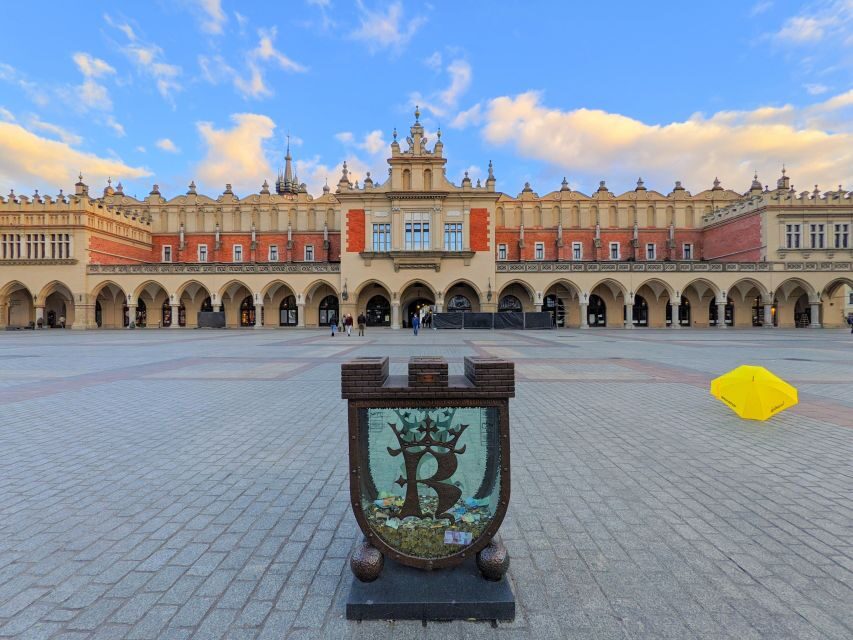
- Main Market and the Tuchhalle: where trade met authority
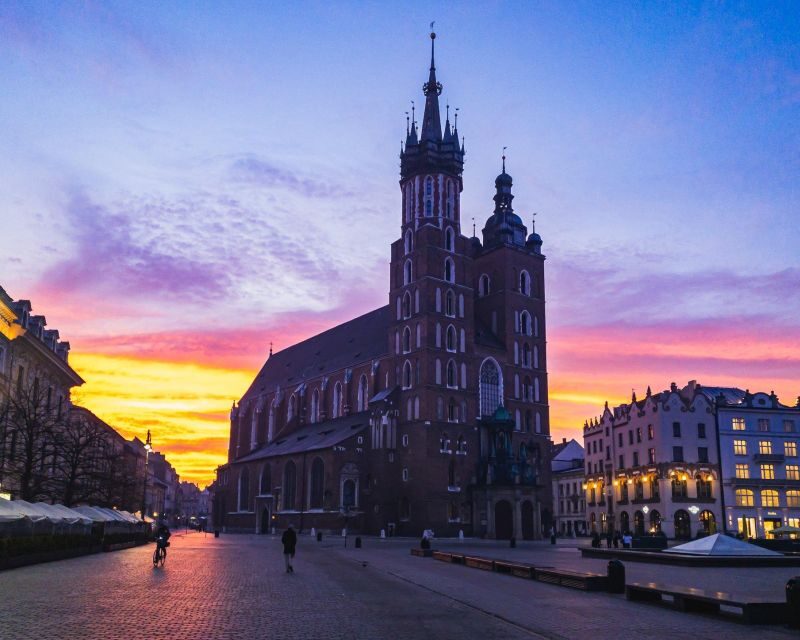
- St. Mary’s Basilica and the trumpeter: when tradition turns into a sound
- Collegium Maius: the academic power in the middle of town
- Archbishopric Palace and the papal window by Johannes Paul II
- Wawel hill: cathedral, castle courtyard, and royal storytelling
- The Wawel dragon: end with a legend that still makes sense
- Price and timing: is $26 for 150 minutes good value?
- Weather, comfort, and what to wear
- Guide energy in the real world: German narration that keeps moving
- Should you book the Krakauer Old Town tour?
- FAQ
- How long is the Krakauer Old Town tour?
- Where do I meet the guide?
- What sites are included on the walk?
- Is the tour guided in German?
- Is the tour accessible for wheelchair users?
- Does the tour run in bad weather?
- Is Collegium in Maius and the Wawel King’s Palace included?
- Is hotel pickup or return transport included?
Key things I’d put on your must-know list
- 150 minutes in the heart of Krakow with a tightly structured story (not aimless wandering).
- UNESCO coverage of the Old Town plus Wawel so you see what made it world-famous.
- Royal Route stops you can actually connect: Wawel hill, main market, major churches.
- Collegium Maius and Copernicus-era context for the science chapter of Krakow.
- Papal Window focus by Johannes Paul II for a modern layer in a medieval setting.
- Wawel dragon as more than a photo-op, with the story woven into the day.
Why Krakow’s Old Town tour works: a city that survived
Krakow’s old center has that rare feeling of continuity. You walk streets that still match the medieval layout, and that makes history easy to picture instead of hard to imagine. This tour leans into that strength: it’s built as a story from the city walls to the royal hill, with stops chosen to explain the bigger picture, not just to point at buildings.
I also like the way it frames Krakow as a power center, not just a scenic postcard. The tour mentions the city’s past as the capital of the largest European country, and you’ll feel the logic of that as you move through the Royal Route sights. The result is that you’ll likely remember names and roles, not only what things look like.
You can also read our reviews of more tours and experiences in Krakow.
Meeting point between Barbakan and St. Florianstor: start where the city defends itself
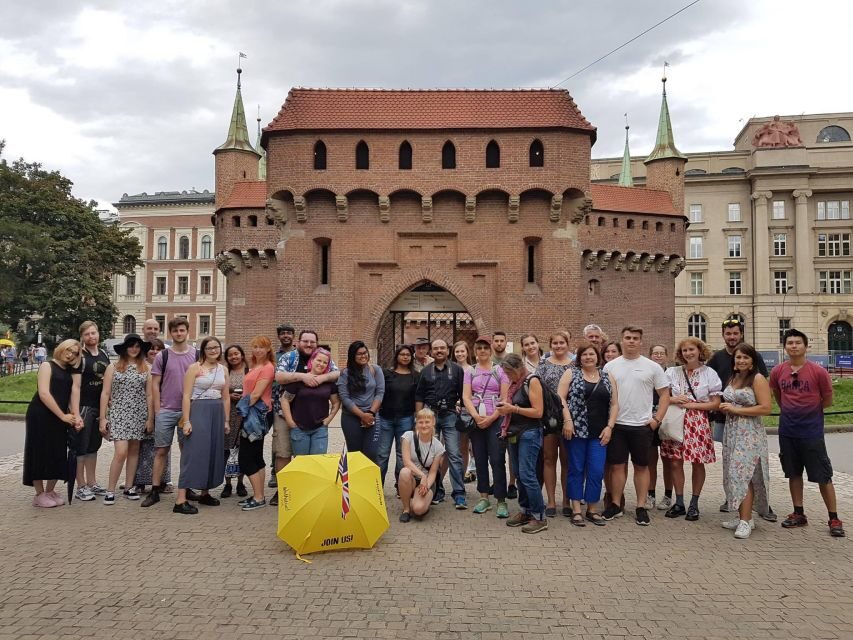
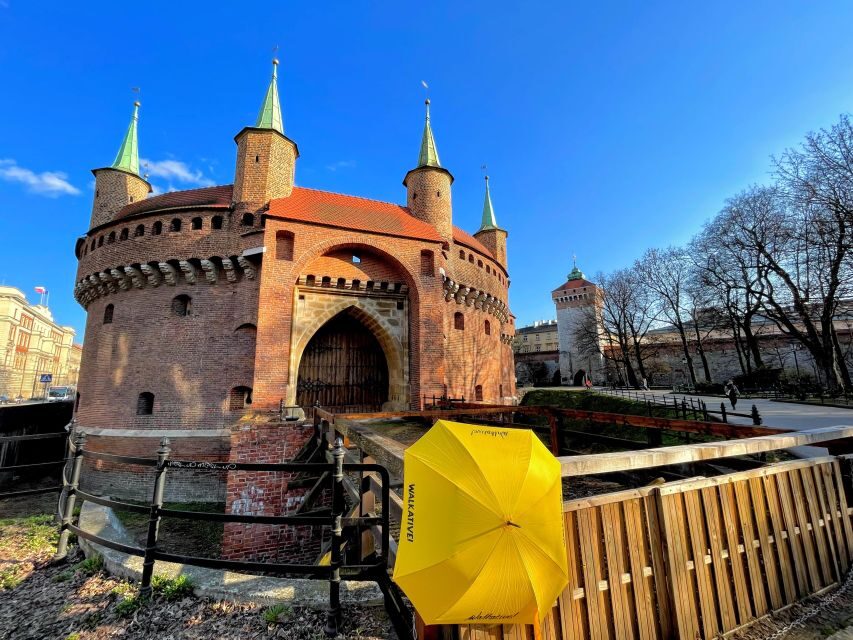
The meeting point is a small area between the Barbakan and St. Florianstor, the medieval entrance to the city. That’s a smart choice, because it gets you oriented right away: you begin at the edge of the old fortifications, where Krakow’s defensive mindset is visible.
If you’re arriving early, take a minute before the group starts. Look at the flow of streets and where the walls guide movement. When the guide starts the story, you’ll already understand the geography, which makes every next stop click faster.
The medieval city walls and the Barbakan: defense becomes a landmark
This part matters because it sets the tone. The tour doesn’t treat the walls as leftover stone. It frames them as part of why Krakow could keep its character through centuries, including the Second World War era mentioned in the tour description.
You’ll pass the medieval walls and the Barbakan, and the guide uses these features to connect city planning with power. In practical terms, this is a good opening because you’re outside, the route is straightforward, and the group usually settles in early. Dress for walking. Even if you get some cover later, the first segment can be exposed.
Main Market and the Tuchhalle: where trade met authority
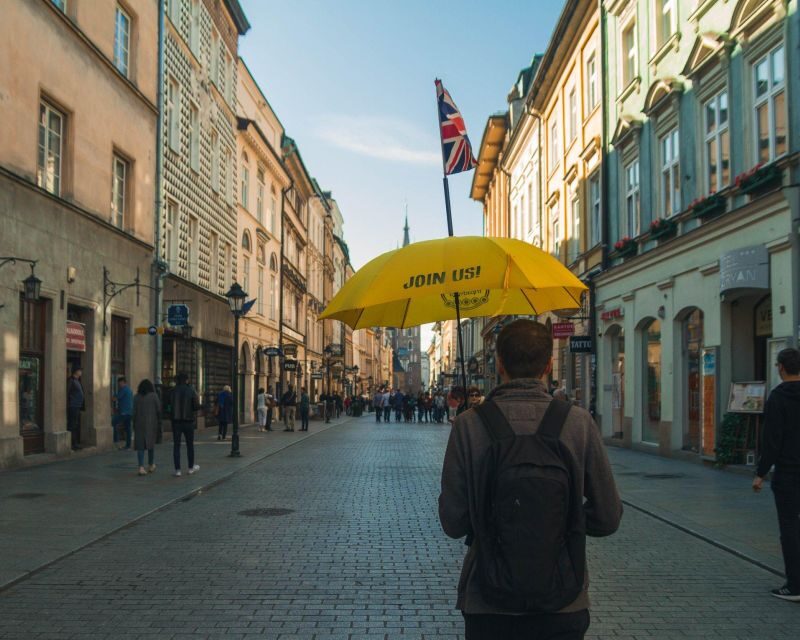
Then you hit the busy energy of the Main Market and the Tuchhalle. The Main Market is where you can see Krakow’s role as a hub without needing extra imagination. The market square is not just for photos; it’s where commerce and status met.
This stop is also one of the easiest to understand quickly. You can look around and sense the crowd logic: people needed a place to buy, sell, gather, and hear messages. The guide’s job here is to translate that movement into stories of the city’s leaders and the way power operated through public space.
St. Mary’s Basilica and the trumpeter: when tradition turns into a sound
At St. Mary’s Basilica, you get one of Krakow’s best-known cultural markers: the famous trumpeter. Even if you’ve seen pictures before, the value here comes from the explanation. The tour treats the basilica as a symbol tied to everyday identity, not just architecture.
This stop is also a good reminder to slow down. Take a moment to look up and around before the guide moves on. Basilicas are tall, detailed, and you’ll get more out of the story if your eyes have a place to land.
Collegium Maius: the academic power in the middle of town
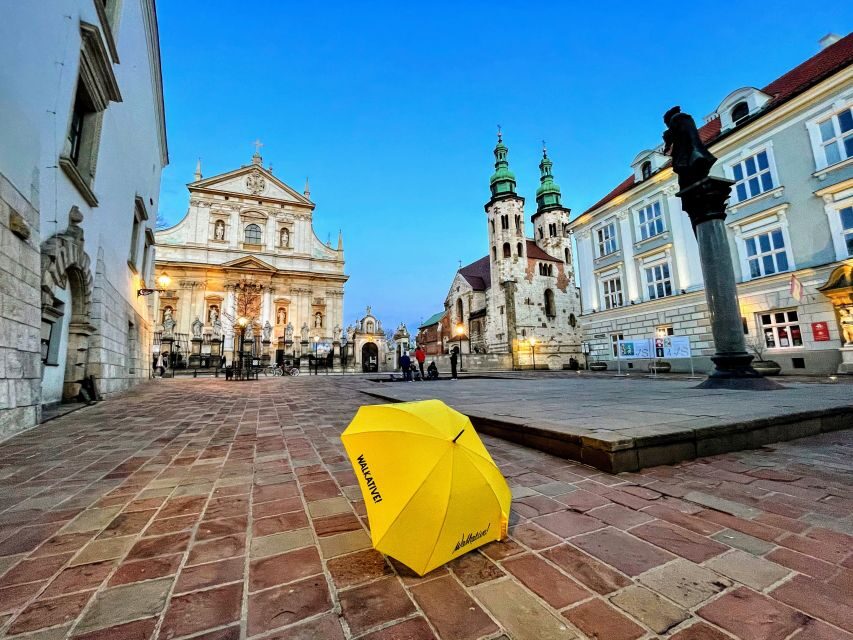
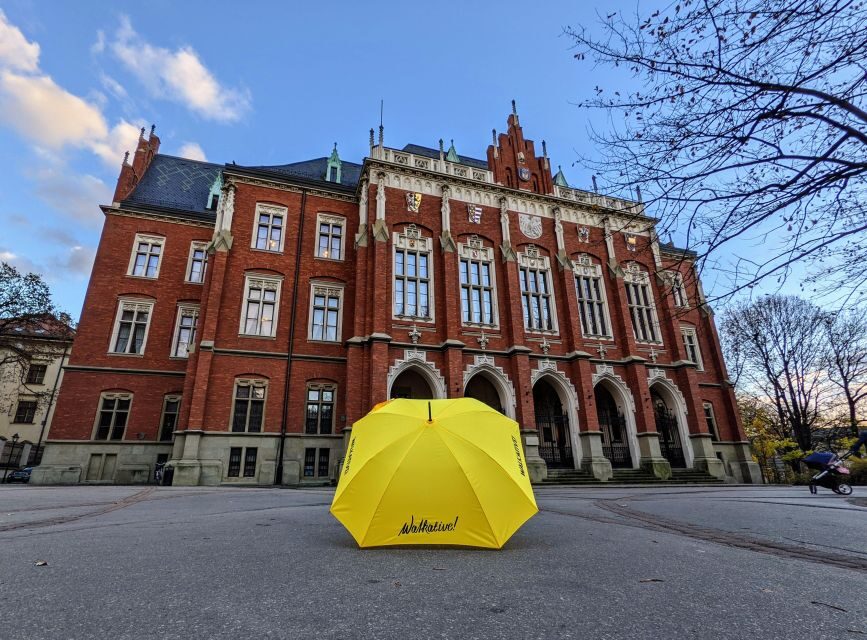
One of the most worthwhile parts of the tour is the visit to Collegium in Maius, including time specifically for the oldest building at the oldest university in Central East Europe. This is where Krakow stops being only about royalty and becomes about ideas.
The tour description also brings in the 15th and 16th centuries, when artists and scholars lived here and when Copernicus went through these streets. You don’t need to be a science fanatic to appreciate the point: Krakow wasn’t just a seat of kings. It was also a place where learning traveled, and that affected Europe.
Practical tip: this is an interior visit. If the weather is miserable, this stop can feel like relief because it breaks up the walking with a sheltered setting.
Archbishopric Palace and the papal window by Johannes Paul II
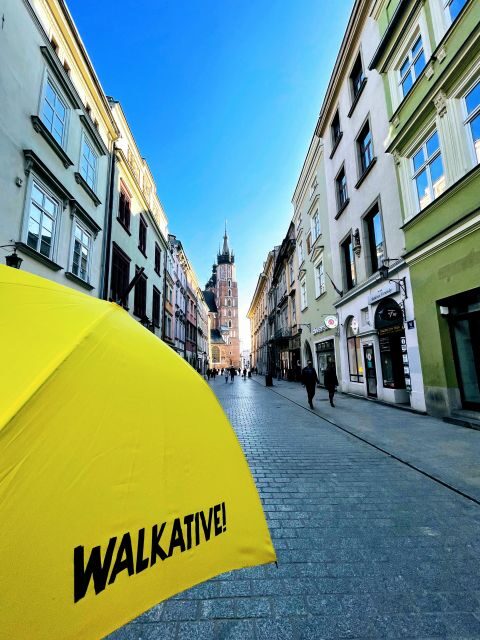
Next comes the Archbishopric Palace and the papal window connected to Johannes Paul II. This is a clever contrast. You’re moving from medieval and renaissance themes into a more modern chapter while still staying inside the same old-town world.
For me, this stop is one of the reasons I like structured walking tours. It prevents Krakow from becoming a one-note medieval museum. You get an extra layer: how the city’s religious importance continued into modern public life.
Wawel hill: cathedral, castle courtyard, and royal storytelling
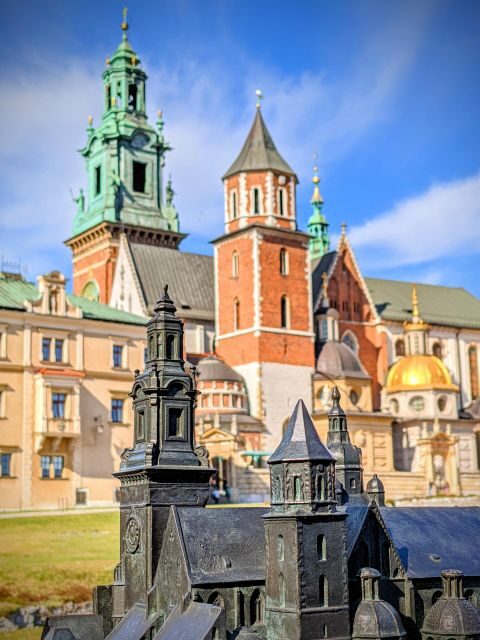
Then you climb to Wawel hill for the cathedral and the castle courtyard. This is the spine of the city’s story. It’s where the guide ties together kings, the royal route, and Krakow’s central role in regional power.
What I appreciate is that Wawel isn’t just treated as a must-see site. It becomes the place where the day’s earlier themes pay off. When you’ve already walked from walls and markets, Wawel feels less like a random landmark and more like the inevitable destination of the city’s authority.
You’ll also visit the Wawel King’s Palace. That matters for value because it’s not only looking from the outside. You get a direct connection to the royal setting the guide is describing.
The Wawel dragon: end with a legend that still makes sense
Finally, you reach the Wawel dragon. This is the kind of stop that could be silly on a sloppy tour. Here, it works because it’s folded into the broader story of place and tradition.
Even if you’ve heard dragon legends in other countries, Krakow’s dragon has a local personality. The value of the stop isn’t just seeing it; it’s understanding why the story belongs to this specific hill, with this specific mix of power, religion, and public imagination.
If you care about cultural memory—how legends survive because people keep telling them—this closing moment usually lands well. It also gives your brain a “bookmark” for the whole day.
Price and timing: is $26 for 150 minutes good value?
At $26 per person for 150 minutes, this is priced like a solid local walking tour that concentrates time and keeps you moving through high-value stops. You’re not just walking past things. The included visits to Collegium in Maius and the Wawel King’s Palace increase the value because they add access and structured context.
The main tradeoff is pace. The route is designed for a flowing schedule, and that’s great if you like momentum. It’s less great if you want long pauses at every photo spot or you need frequent bathroom breaks. In winter or rain, the tour still runs, and the operator says they find a roof if weather turns nasty, but you should still expect walking segments.
Who this fits best:
- First-timers to Krakow who want the essentials with meaning
- People who like stories that connect multiple stops
- Anyone planning to spend time around Old Town and wants a guided backbone
Who should be careful:
- If you need a slower, more wandering pace
- If you don’t speak German and can’t follow guided commentary (the tour is German-language)
Weather, comfort, and what to wear
The tour runs in any weather, and if it rains or turns cold, you’ll find a roof. That’s reassuring, but it doesn’t erase the reality of an outdoor walk for 150 minutes.
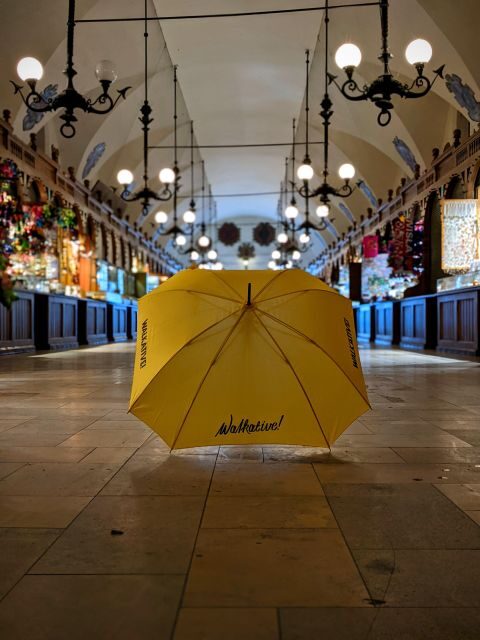
Bring a compact umbrella or a light rain layer. Wear shoes you trust on uneven old-stone streets. And consider a warm layer even in milder seasons, because standing near churches and moving between sites can make you feel the temperature more than you expect.
Guide energy in the real world: German narration that keeps moving
This is a live guided tour in German. The way the guide tells the stories matters a lot, and the tour has a track record of guides who use humor and charm to keep things moving. One guide named Monika has been specifically praised for competence, entertainment, and excellent German.
That said, there’s also feedback that the pace can feel quick at times. The practical takeaway: show up on time, listen when the guide calls the next stop, and keep your phone for quick photos. Save the deep photo session for after the tour, when you can slow down on your own terms.
Should you book the Krakauer Old Town tour?
I’d book it if you want a focused Krakow overview that hits the major UNESCO anchors—Old Town and Wawel—and you want the story behind kings, churches, academic prestige, and the dragon legend. The 150-minute format is long enough to feel complete, but short enough that you’re not stuck all day.
Skip it, or at least think twice, if you need a slow stroll with lots of free time to browse without a schedule, or if German narration will be a problem for you. For most people, though, this is strong value: $26 buys a structured walk, expert local guidance, and included visits to two of the most meaningful places in Krakow.
FAQ
How long is the Krakauer Old Town tour?
The tour lasts 150 minutes.
Where do I meet the guide?
The meeting point is between the Barbakan and St. Florianstor, the medieval entrance to the city.
What sites are included on the walk?
You’ll see the medieval city walls and the Barbakan, the Main Market and the Tuchhalle, St. Mary’s Church with the trumpeter, Collegium Maius, the Archbishopric Palace and the papal window by Johannes Paul II, Wawel hill with the cathedral and castle courtyard, the Wawel dragon, and more.
Is the tour guided in German?
Yes, the live tour guide speaks German.
Is the tour accessible for wheelchair users?
Yes, the tour is wheelchair accessible.
Does the tour run in bad weather?
It takes place in any weather. If it rains or becomes cold, the guide finds a roof.
Is Collegium in Maius and the Wawel King’s Palace included?
Yes. Visits to the Collegium in Maius and the Wawel King’s Palace are included.
Is hotel pickup or return transport included?
No. Hotel pickup and return transport are not included. Snacks also are not included.