REVIEW · KRAKOW
Krakow: Schindler’s Factory Small-Group Guided Tour
Book on Viator →Operated by Krakow Explorers · Bookable on Viator
WWII history hits differently here. A small-group guide helps you make sense of Schindler’s Enamel Factory. I like the small-group size (max 25) because you can ask questions, and I like that you get ticketed entry so the visit starts without you juggling extra steps.
You’ll spend about 1 hour 30 minutes inside the museum’s main exhibition, Kraków under Nazi Occupation 1939–1945, and the format leans on multimedia to connect the dots between Oskar Schindler, his motivations, and everyday life in occupied Krakow. One watch-out: starting in 2026, the museum uses personalized tickets, so you’ll need to provide full participant names and bring ID so the spelling matches.
In This Review
- Key things to know before you go
- Schindler’s Enamel Factory: what the museum experience is really about
- The 90-minute plan and what a small group actually buys you
- Entering at Lipowa 4: ticketed entry at the right moment
- Understanding Kraków under Nazi Occupation 1939–1945 with a local guide
- What you’ll learn about Schindler without it becoming a biography
- Tour logistics that can matter more than you think
- Price and value: is $46.69 per person fair for this kind of visit?
- Who this tour is best for (and who might prefer another option)
- A practical heads-up: what to do if something goes wrong
- Should you book this Schindler’s Factory tour?
- FAQ
- What’s included in the Krakow Schindler’s Factory small-group tour?
- Where is the tour meeting point?
- How long is the tour?
- How big is the group?
- Do I need ID for this tour?
- Can I get a refund if I cancel?
Key things to know before you go
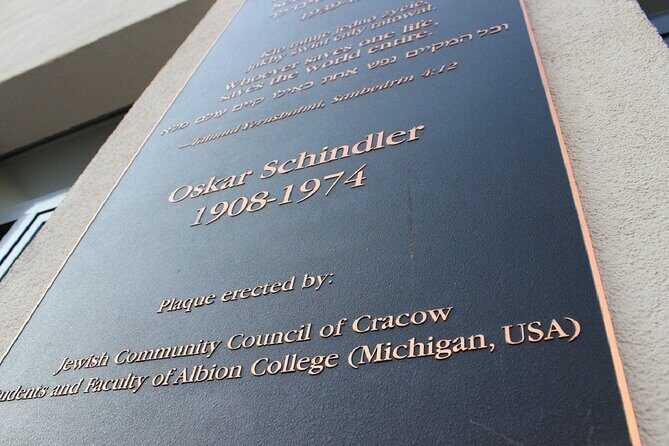
- Ticketed admission included to Schindler’s Enamel Factory at Lipowa 4
- Small-group experience with a maximum of 25 travelers
- Guided focus on the occupied-city exhibit rather than a straight biography
- Multimedia exhibition support to explain Kraków under Nazi rule (1939–1945)
- Local guide leadership to turn scenes and objects into a clear story
Schindler’s Enamel Factory: what the museum experience is really about
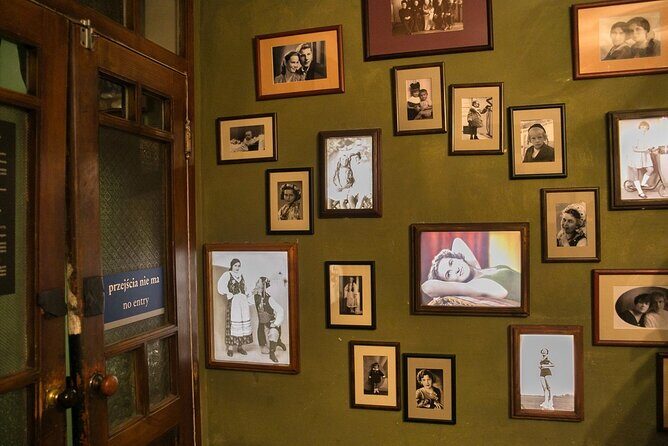
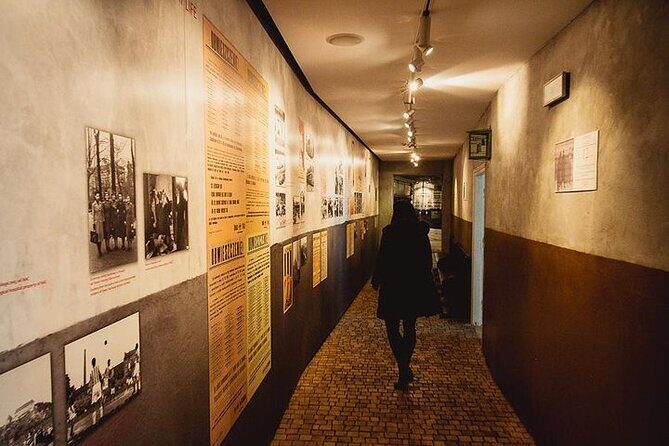
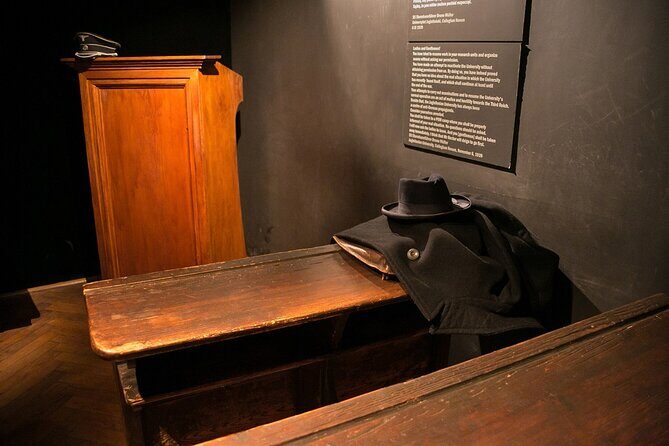
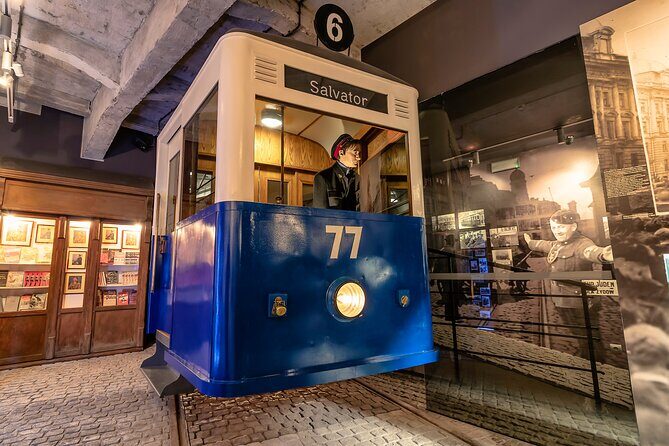
Schindler’s Enamel Factory (Fabryka Emalia Oskara Schindlera) is one of Krakow’s most important and most visited museums. But it’s not built like a traditional “one-man story” museum. The main exhibition centers on Kraków under Nazi Occupation 1939–1945, with Oskar Schindler appearing as a key part of the larger picture—his motivations and choices, set against the reality of life under Nazi rule.
That distinction matters. If you only expect a biographical museum about Schindler, you may feel slightly thrown at first. The exhibition is designed to help you understand the occupied city—how people lived, what pressure looked like, and why certain decisions were possible at all. In other words, you get the human context, not just names and dates.
I also like that the museum uses multimedia presentations. In a history museum, multimedia can become noise. Here, it’s meant to do the practical job of explaining the exhibit, so you don’t spend your time staring at labels like they’re a puzzle meant to be solved alone.
You can also read our reviews of more guided tours in Krakow


The 90-minute plan and what a small group actually buys you
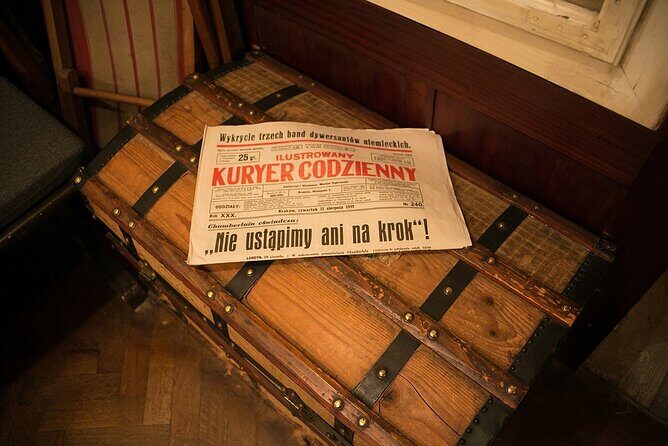
This is a short tour by museum standards—about 1 hour 30 minutes—so you should plan for a focused visit rather than a “take your time forever” kind of outing. The payoff is that you’re guided through the main ideas, instead of trying to map the exhibition yourself.
The group size is capped at 25 travelers, which usually keeps things from feeling like a crowded bus. You’ll be able to track what the guide is pointing out, and you can ask questions if something feels unclear. For this type of museum—emotion-heavy, complicated, and detail-rich—that small-group comfort is a big deal.
Pacing is the real practical value here. The guide helps you decide what to notice and what to move past. You’ll leave with a clearer understanding of what you saw, instead of just collecting impressions.
Entering at Lipowa 4: ticketed entry at the right moment
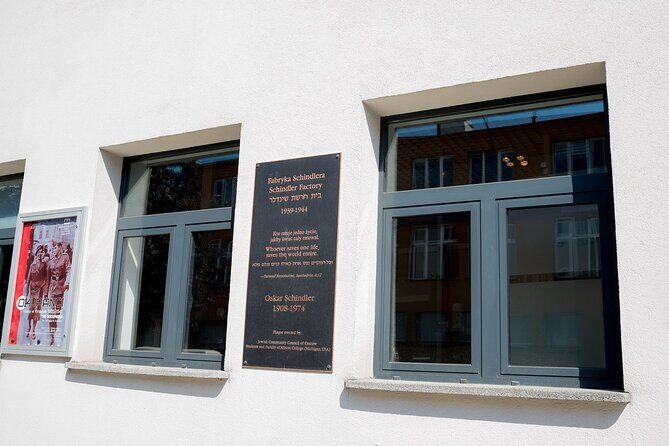
The meeting point is Lipowa 4, 32-051 Kraków, Poland, and the tour ends back there. Since admission tickets are included, you’re not paying separately or standing around trying to figure out which line is yours.
This location sits within the museum complex connected to the Historical Museum of Krakow. That matters because it signals you’re in a serious institutional setting, not a pop-up exhibit. It’s designed for visitors who want structure: entry, guided path, then you’re back out when the tour window ends.
One simple tip: arrive a few minutes early. Not because you’ll be rushed, but because museum schedules can shift the experience timing. From January 1, 2026, the listed start times are described as approximate, and it’s possible the exact time can change due to museum/site scheduling.
Understanding Kraków under Nazi Occupation 1939–1945 with a local guide
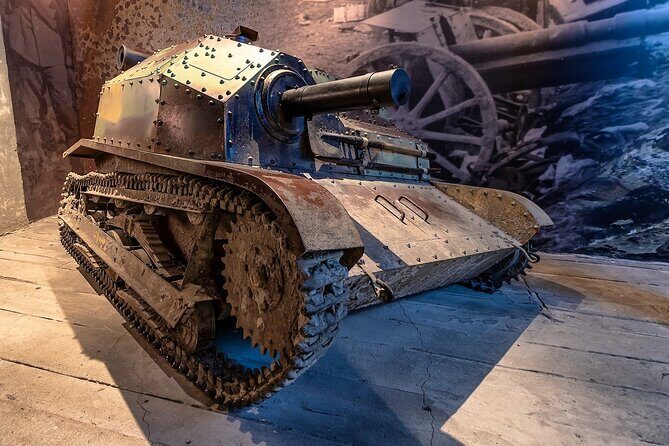
The heart of the tour is the museum exhibition titled Kraków under Nazi Occupation 1939–1945. This is the section where a guided explanation makes the biggest difference.
Without guidance, you can still follow the exhibition—but you may miss the through-line. With a local guide, you’re more likely to understand how the museum is organizing information: not just what happened, but how occupation shaped ordinary routines and choices. The guide’s job is to “make sense” of the exhibition for you, using the museum’s multimedia and the exhibit design to connect themes.
You should also expect the tour to help you interpret the life and motivations of Oskar Schindler. Even though this is not a biographical museum, the exhibit still presents him as a central figure. The point isn’t to turn him into a hero in a vacuum. It’s to show him inside the system he was dealing with—why people acted the way they did, and what the exhibition wants you to understand about the environment of occupied Krakow.
And yes, this is heavy material. The practical approach is to go with a calm mindset. Don’t expect this tour to feel like a casual museum afternoon. Plan for a thoughtful, serious visit.
What you’ll learn about Schindler without it becoming a biography
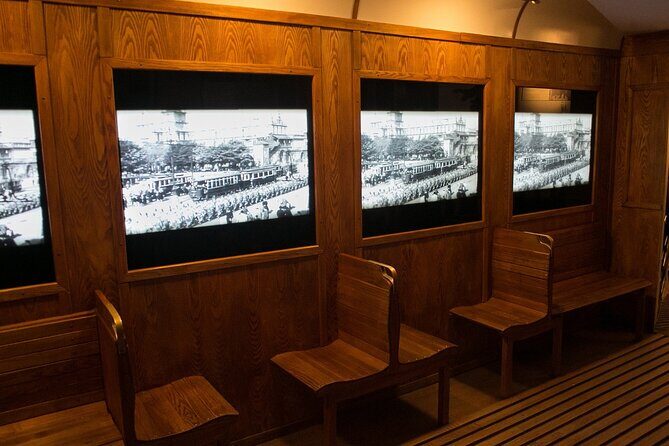
Oskar Schindler’s story shows up in a specific way here: through his motivations and the choices tied to the occupied city. That’s why I like this tour model for first-time visitors. It gives you a grounded understanding of the man while keeping the spotlight on the larger context—what the occupation did to everyday life.
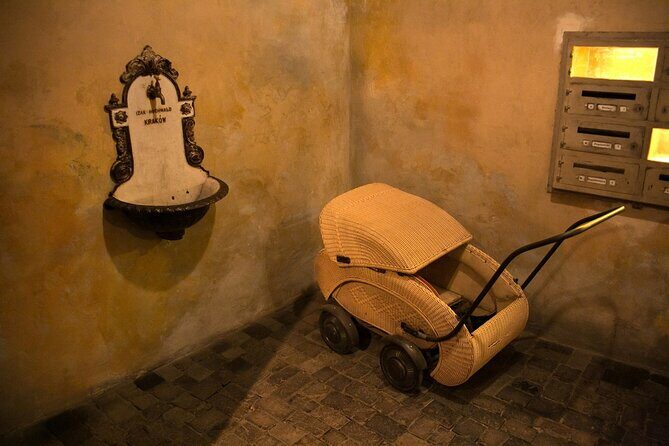
Because the exhibit is dedicated to 1939–1945 Krakow under Nazi rule, you’ll get a view that feels closer to lived reality. You’re not just absorbing the idea that something terrible happened. You’re understanding how that system worked day to day and how individuals navigated impossible pressure.
This is also where a guide can help you avoid common confusion. It’s easy to mix up what’s about Schindler specifically versus what’s about the broader occupation. A good local guide will help you separate those threads without making the visit feel like a lecture.


Tour logistics that can matter more than you think
This is a ticketed, guided, small-group museum experience. That sounds simple, but there are a few practical items worth noting.
First: from January 1, 2026, the museum uses personalized tickets. That means you’ll need to provide the names of all participants during booking. If you’re booking for a group, double-check spelling carefully.
Second: from January 1, 2026, you’re asked to bring your ID card or another identification document for museum staff verification. The name and surname on your ticket must match what’s on your document. That’s a small hassle, but it can matter a lot if your name is missing an accent, or if it doesn’t match the document you bring.
Third: times are listed as approximate starting in 2026 due to museum/site scheduling. So treat the exact moment as flexible. If you have another reservation right after, leave a buffer.
Finally: it’s described as near public transportation and most travelers can participate. That’s useful if you’re building a day of walking and transit around the museum.
Price and value: is $46.69 per person fair for this kind of visit?
At $46.69 per person, you’re paying for three things: guided interpretation, small-group pacing, and admission included to the museum.
The value question usually comes down to your tolerance for museums you have to decode on your own. If you like reading every label and building the story yourself, you might feel constrained by a guided plan. But if you prefer to get oriented fast—especially in a museum with complex historical context—this format can be a strong buy.
Also consider that the museum itself is already popular. The guided, ticketed approach helps remove friction. You’re not trying to navigate ticketing while carrying your own research questions. For many visitors, that alone makes the price feel more reasonable.
And the booking pattern suggests demand: it’s on average booked 31 days in advance. That doesn’t mean you must book that far out, but it does mean you should plan ahead if you want a specific time slot.
Who this tour is best for (and who might prefer another option)
This tour fits you best if you:
- Want a guided explanation of Kraków under Nazi Occupation 1939–1945
- Prefer a structured visit in a serious museum
- Like small-group settings where you can actually follow the guide’s points
- Are visiting Krakow and want a high-impact WWII stop in about 90 minutes
It may not be ideal if you:
- Want a completely self-paced museum visit with no guide structure
- Get overwhelmed by heavy subject matter and need a slower, longer break than a fixed 1 hour 30 minutes
If you’re the type who likes to pair history with a bit of reading and walking afterward, this tour works well as the “anchor” stop for your broader Krakow day.
A practical heads-up: what to do if something goes wrong
The tour experience is generally straightforward, but one thing worth keeping in mind: there are occasional real-world service problems that can affect a ticketed guided museum activity. If a guide fails to appear or your booking doesn’t register correctly, don’t assume it will fix itself on arrival.
What I recommend:
- Keep your confirmation details handy on your phone
- Make sure you booked under the correct participant names
- If there’s an issue at the meeting point, contact the operator promptly rather than waiting around
This isn’t meant to scare you. It’s just smart behavior for any ticketed museum tour. With a site this popular, waiting passively can waste the time you came to spend inside.
Should you book this Schindler’s Factory tour?
I’d book it if you want a clear, guided route through one of Krakow’s most important WWII museums without doing the research heavy lifting yourself. The ticketed entry, small-group size, and guide-led explanations are the core reasons to choose it, especially in a museum that’s focused on occupied Krakow rather than just Schindler’s life.
Skip or reconsider it if you’re trying to build an ultra-flexible schedule and can’t handle the fixed 1 hour 30 minutes pacing, or if you’re traveling with uncertain ID details for 2026 personalized tickets.
If you’re comfortable following the structure and you want the museum’s main ideas explained in plain terms, this is a solid value for a first visit.
FAQ
What’s included in the Krakow Schindler’s Factory small-group tour?
It includes ticketed admission to Schindler’s Enamel Factory and a small-group guided experience of the exhibition Kraków under Nazi Occupation 1939–1945.
Where is the tour meeting point?
The meeting point is Lipowa 4, 32-051 Kraków, Poland, and the tour ends back at the same meeting point.
How long is the tour?
The tour is listed at about 1 hour 30 minutes.
How big is the group?
This activity has a maximum of 25 travelers.
Do I need ID for this tour?
From January 1, 2026, you’re asked to bring an ID card or other identification document for museum staff verification, and the ticket name must match your document.
Can I get a refund if I cancel?
Yes. You can cancel up to 24 hours in advance for a full refund. If you cancel less than 24 hours before the start time, the amount paid is not refunded.