REVIEW · KRAKOW
Krakow: Schindler’s Factory Guided Tour
Book on GetYourGuide →Operated by Thousand Miles Cracow Adventure Company · Bookable on GetYourGuide
Schindler’s Factory makes history feel close and concrete. I like how the visit is built as a step-by-step journey through Nazi-occupied Krakow, with multimedia and artifacts that keep you oriented. I also really value the live guide, because the story of Oskar Schindler becomes understandable instead of just named on a sign.
One thing to consider: this is a fast-moving 90 minutes, and the museum’s layout is big. If your priority is lingering in every room, you may feel a bit rushed or like you’re seeing not every space.
In This Review
- Key highlights worth planning for
- Schindler’s Factory Museum: turning a name into a walk through WWII Krakow
- Meeting at Lipowa 4 and getting your timing right
- Inside the museum: the room-by-room story you’ll follow
- Oskar Schindler’s story: where the guided explanation lands
- What the best guides do: clarity, language, and pacing
- Duration and pacing: the 90-minute value question
- Price and what you’re really getting for about $50
- Who this tour suits best (and who might not)
- Should you book Schindler’s Factory Guided Tour?
- FAQ
- How long is the Schindler’s Factory guided tour?
- Where do I meet the guide?
- Is the entrance ticket included?
- Do I need to buy museum tickets in advance?
- What languages are available for the live guide?
- Can I choose a preferred time?
- What do I need for entry from January 1, 2026?
- Is free cancellation available?
- Who runs the experience?
Key highlights worth planning for
- A guided, room-by-room walk through wartime Krakow with multiple themed areas
- English-speaking options (plus Italian, Spanish, French, German)
- Oskar Schindler’s story in context, including access to the former factory director’s office area
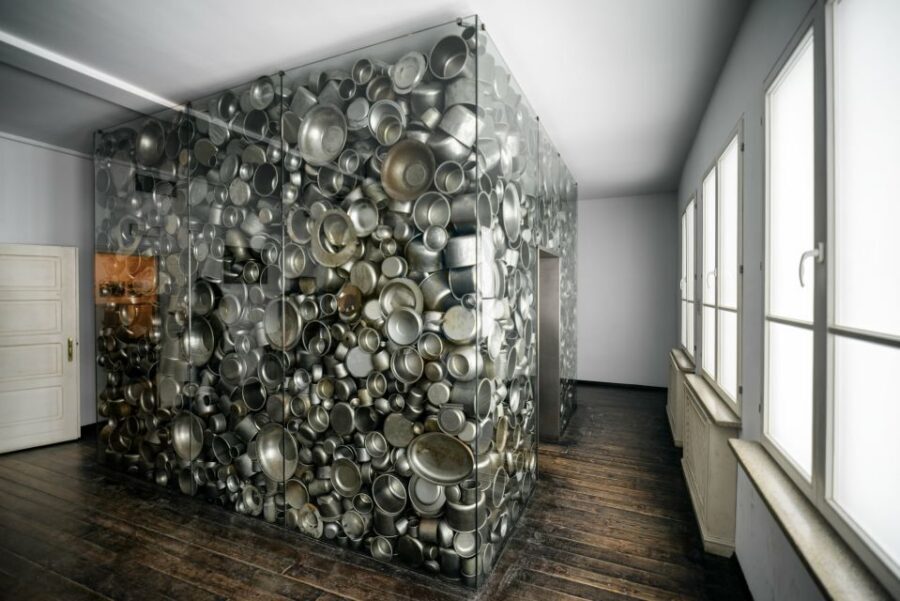
- Multimedia + period details (uniforms, flags, weapons, and recreated scenes)
- Skip-the-ticket-line entry so you can start the tour without delay
Schindler’s Factory Museum: turning a name into a walk through WWII Krakow
Schindler’s Factory is one of those museums that feels “modern” in the way it teaches. Even though the institution is relatively young, it’s built to be popular and easy to follow: each room is arranged differently, with a shift in tone as you move from one space to the next.
What I like is the way the museum doesn’t just show facts. It stages the experience so you gradually go back in time, while your guide connects what you’re seeing to what happened to real people living in Krakow under Nazi occupation.
You’ll move through themed recreations and historical displays that focus on daily life under occupation—often with an ominous mood—then land on the story tied to Schindler. That combination makes the name Oskar Schindler more than a museum label.
You can also read our reviews of more guided tours in Krakow
Meeting at Lipowa 4 and getting your timing right
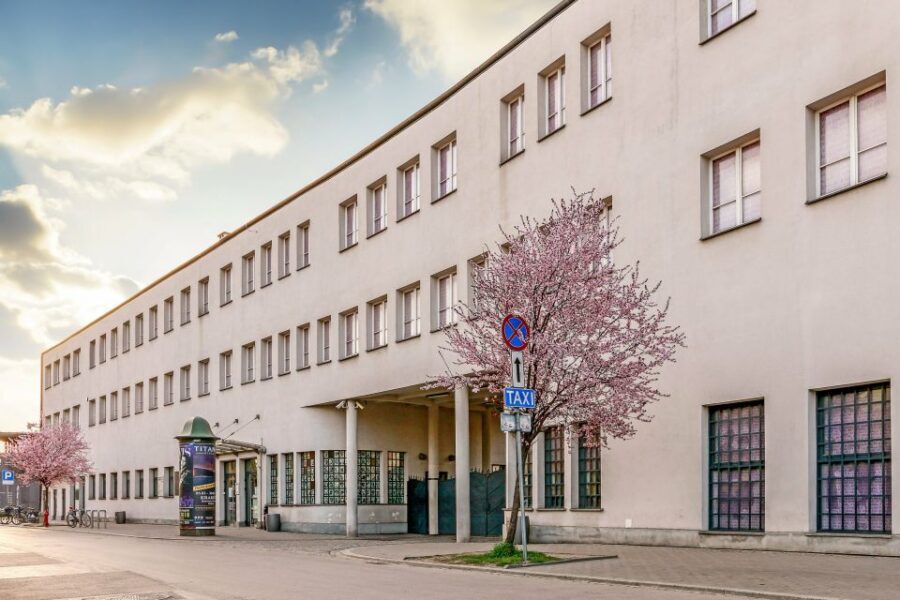
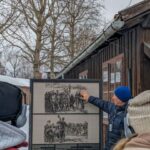
You meet at Lipowa 4, 30-702 Krakow, near the main entrance of the Factory. The guide holds an excursion.city sign, so you can spot your group quickly.
The standard duration is 90 minutes. Starting times are listed, but the museum scheduling can affect the exact flow, and the timing is treated as approximate.
If you’re tight on the rest of your day, I’d give yourself a cushion afterward. The museum is popular and tours run in a system, so you’ll be better off when you plan to roam a little freely after the guide finishes.
Inside the museum: the room-by-room story you’ll follow
The guided tour is designed around movement through distinct areas. You’ll start in one setting, then the experience pulls you through a sequence that mirrors the wider wartime story.
Here’s what you can expect to see, and what to pay attention to in each section:
Photo salon
You begin in an area that sets the visual tone. Look at how photographs and display style create a sense of place—Krakow as it was, not as a vague backdrop. This is a good mental warm-up before the heavier scenes.
Streets of Krakow
Next you’ll get a sense of everyday urban life during occupation. The effect is not just “war happened here,” but “people had routines, routes, and spaces that were reshaped.” If you like understanding how a city changes under pressure, this part does a lot of work.
Officer’s room with swastika patterning
This is where the atmosphere turns sharper. The recreated details—including the swastika-patterned setting—are meant to make the power imbalance undeniable.
It’s also a spot where a good guide matters. You’ll want the context explained clearly, so the room reads as history rather than shock alone.
Prison cell
This part is typically short on comfort and long on implication. A prison cell is a blunt object lesson, and the guide’s job is to connect it to the broader reality: confinement wasn’t random, and it wasn’t only about buildings—it was about control over lives.
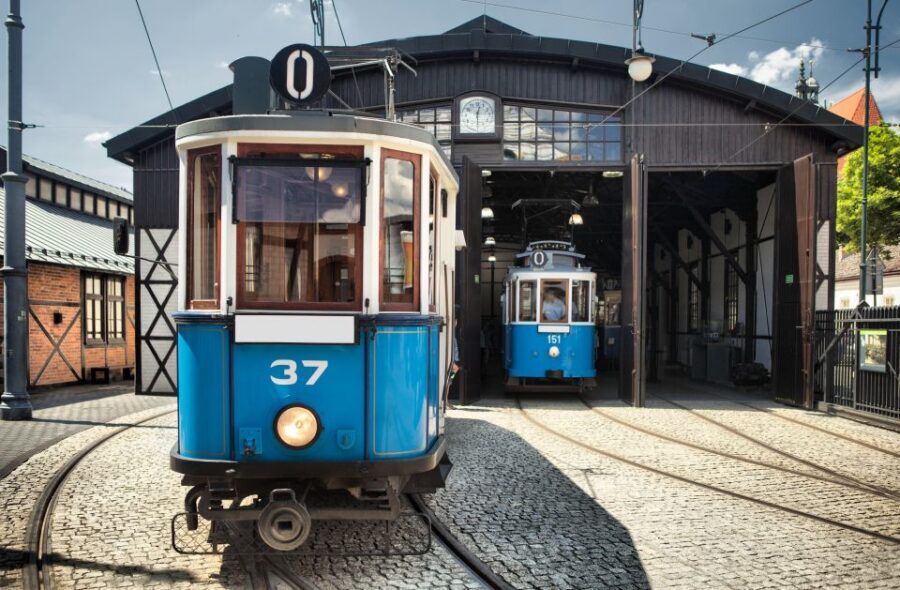
Old tram and railway
Transport scenes are easy to skim past, but don’t. They help you understand how people moved under occupation and how systems funneled populations.
If you’re the type who likes cause-and-effect, this section gives you that. It also breaks up the tour’s heavier rooms with a different kind of storytelling.
Railway station
The station theme pushes the sense of separation and transit. Stations carry emotion because they imply departure and arrival, and this one is tied to the machinery of persecution.
Watch for how your guide frames what the station represented for Krakow’s Jewish community and other targeted groups.
Grounds of the Krakow Jewish Ghetto
Now the tour shifts into a more specific, community-centered narrative. This area helps you understand that “the Holocaust” wasn’t one single event you could point to on a map. It was a process that reshaped neighborhoods, movement, and survival.
An area resembling the Płaszów concentration camp
Expect a space that feels like it’s trying to show the scale and function of a camp environment. Your guide’s wording will matter here, because the goal is education and remembrance, not sensational set dressing.
In general, this is where you may want to slow down mentally, even if you’re physically moving with the group.
Schindler’s former office area and the secretariat
If you came for Oskar Schindler, don’t miss this. This part is connected to the former factory director’s office and the secretariat, and it’s the closest you’ll get to the story behind the name.
This section is where your guide typically pulls threads together and explains why Schindler is remembered in relation to rescuing and protecting people during the war.
Oskar Schindler’s story: where the guided explanation lands
Oskar Schindler is often treated like a symbol. The value of this tour is that it connects the symbol to a place and a timeline.
Seeing the office of the former factory director and the secretariat area gives your brain something physical to anchor to. It’s easier to follow the logic of your guide’s story when you’re standing near the kind of spaces where decisions, paperwork, and influence mattered.
And since the tour moves back and forth in time across multiple rooms, the guide usually weaves Schindler’s role into what you just saw—then ties it again when you’re in the office-related sections.
If you’re the kind of visitor who wants a story you can explain to a friend afterward, this is the section that helps you do that.
What the best guides do: clarity, language, and pacing
This tour runs with live guides in Italian, Spanish, French, English, and German, so you can match the language to your comfort level. The guide has a big job here: the museum is full of themed rooms, and it’s easy to get lost if you’re translating in your head while also reading displays.
What I’d aim for is a guide who doesn’t just list facts, but explains what you’re looking at and why it matters. Based on typical feedback around this experience, guides who speak clearly and keep the story focused help you get the most from the 90 minutes.
A quick reality check: some groups can feel too big for a museum layout this packed. If your tour date tends to sell well, your experience may feel more rushed or less detailed depending on group size and how fast the guide needs to move.
If you’re sensitive to that, it’s worth choosing a time slot when you expect fewer crowds.


Duration and pacing: the 90-minute value question

At about 90 minutes, this isn’t a slow museum amble. It’s a structured guided route designed to get you through the major themed areas without getting bogged down.
That’s part of why it’s worth paying for. You’re buying time and direction: the guide helps you decide what to look at, what to remember, and how to connect separate rooms into one story.
The drawback is also obvious: not everyone will feel like they saw everything. Even when the tour is well done, the schedule may limit how much time you spend in each room.
So here’s my practical advice: use the tour for understanding. If you want extra wandering afterward, plan it. The guided session gives you a framework, and then your own pace can finish the job.
Price and what you’re really getting for about $50
The tour is listed at about $50 per person, and that price usually makes sense because it includes both the entrance ticket and a live guide. You’re also getting skip-the-ticket-line entry, which matters in Krakow during peak visiting hours.
So you’re not just paying for someone to walk beside you. You’re paying to:
- enter efficiently,
- get context for rooms that can otherwise feel like disconnected sets,
- and see the Schindler-related office and secretariat areas as part of the narrative.
If you try to do the museum on your own, you’ll likely spend more time figuring out what matters most. Here, you’re outsourcing that prioritization to the guide, which is a form of value.
Who this tour suits best (and who might not)
This works especially well if:
- you’re visiting Krakow for the first time and want a high-impact WWII experience,
- you want the story of Oskar Schindler explained clearly,
- you prefer an English-speaking (or other supported language) guide to make the museum easier to follow.
It may not fit as well if:
- you want to linger in every room for a long, quiet read,
- you get easily frustrated by moving with a group through multiple themed spaces,
- you’re specifically looking for deeper factory-history detail without the broader wartime context.
For most visitors, it’s the right balance: structured education with a strong narrative shape, delivered in a manageable time window.
Should you book Schindler’s Factory Guided Tour?
Yes—if you want the museum to make sense quickly. This tour is a strong choice because it combines skip-the-line entry, a live multilingual guide, and a route that hits the core themed areas tied to wartime Krakow and the Schindler story.
Book it with the right mindset. Treat the 90 minutes as your guided foundation, then give yourself time afterward if you want to revisit anything that stuck with you.
If your schedule allows, pick an earlier time slot so you’re less rushed and can continue exploring Krakow at your own pace after the tour ends.
FAQ
How long is the Schindler’s Factory guided tour?
The tour duration is listed as 90 minutes.
Where do I meet the guide?
Meet at Lipowa 4, 30-702 Krakow, near the main entrance to the Factory. Your guide will be holding an excursion.city sign.
Is the entrance ticket included?
Yes. The price includes the entrance ticket plus a live guide.
Do I need to buy museum tickets in advance?
You book the guided tour, which includes entry. The experience also includes skip-the-ticket-line, so you can go straight to the relevant entrance process.
What languages are available for the live guide?
Live guides are available in Italian, Spanish, French, English, and German.
Can I choose a preferred time?
Yes, you can select a preferred time, but the exact timing is not guaranteed due to the museum’s scheduling.
What do I need for entry from January 1, 2026?
You must provide the full names of all participants when reserving and bring a passport or ID for entry to Schindler’s Factory Museum. Entry may be denied without these.
Is free cancellation available?
Yes. Free cancellation is available up to 24 hours in advance for a full refund.
Who runs the experience?
The experience provider is Thousand Miles Cracow Adventure Company.