REVIEW · KAZIMIERZ
Krakow: Kazimierz Jewish District Private Guided Tour
Book on GetYourGuide →Operated by PT Team · Bookable on GetYourGuide
Kazimierz hits hard in the best way. This private guided walk threads together synagogues, ghetto remains, and movie-famous corners of Krakow’s old Jewish district. I especially like how the guide keeps the story grounded, not just postcard facts, and how you get to see the seven main synagogue sites within a tight 4-hour format. The one thing to consider is that parts of the walk are emotionally heavy, so you’ll want to pace yourself.
I’d also put a big checkmark next to the way the tour uses the streets as your guide map. From Szeroka Street to the former cemetery and museum areas, you’re not just hearing dates—you’re learning how people moved through daily life here, before, during, and after the war. It’s the kind of structure that helps you make sense of a place that can feel overwhelming on your own.
The main drawback is simple: it’s walking, and you’ll cover a good amount in four hours. Wear comfortable shoes and dress for the weather, because Kazimierz doesn’t care about your itinerary.
In This Review
- Key Things You’ll Notice on This Kazimierz Tour
- Walking the Kazimierz Story With a Private Guide
- Szeroka Street and Kazimierz Old Quarter: Your Orientation Starts Here
- Jewish Monuments and the Seven Main Synagogues
- Remu Synagogue, the Old Cemetery, and the Jewish Museum
- Ghetto Wall Remains and Holocaust Context on the Ground
- Schindler’s List Locations: How Film Turns Streets Into Memory
- Guide Quality Matters: What the Reviews Signal About the Tour
- Price and Value: Is $16 Worth a Private 4-Hour Guide?
- Who This Tour Suits Best (And Who Might Want Another Option)
- Practical Tips to Get More From the Walk
- Should You Book This Kazimierz Private Tour?
- FAQ
- Where does the tour start?
- How long is the Kazimierz private guided tour?
- Is the tour guide included in the price?
- Does the tour include food and drinks?
- What languages are available for the live guide?
- Is the tour wheelchair accessible?
Key Things You’ll Notice on This Kazimierz Tour
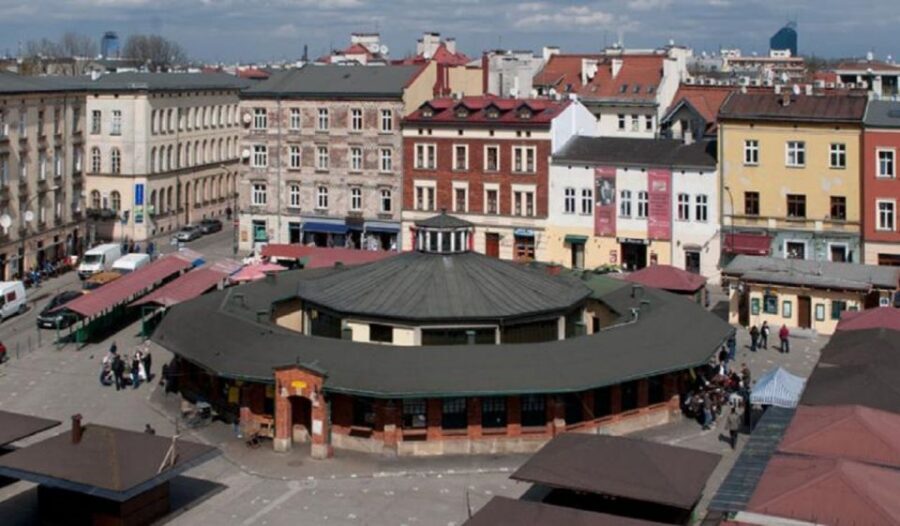
- A UNESCO-listed neighborhood built from lived-in streets, not staged highlights
- The seven main synagogues, including the largest synagogue complex in Europe
- Szeroka Street as the center line, where the old Jewish quarter still reads clearly
- Ghetto wall remains and Holocaust context, handled with a local guide’s perspective
- Remu Synagogue, the old cemetery, and the Jewish Museum, linked as one story
- Schindler’s List locations, tying modern memory to older streets
Walking the Kazimierz Story With a Private Guide
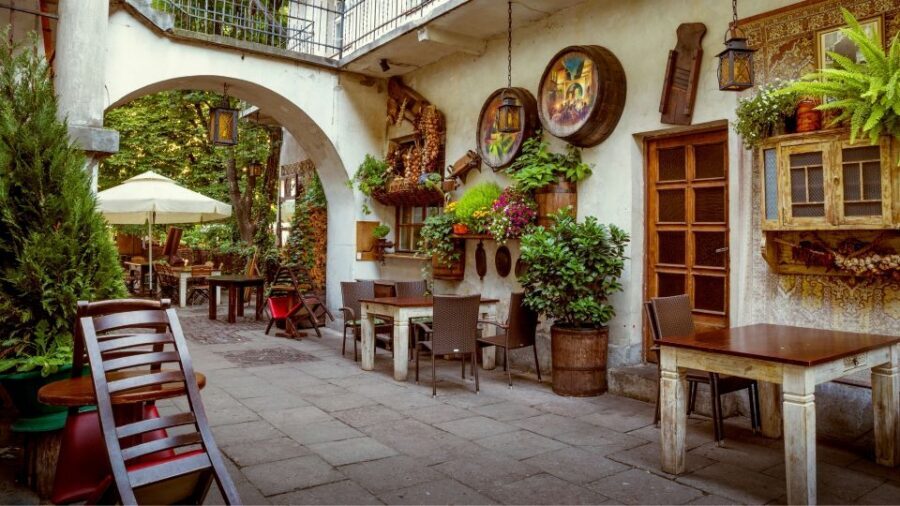
Kazimierz isn’t just one attraction. It’s a neighborhood where religious life, community memory, and historical trauma sit close together. That’s why I like the private format: you can ask practical questions as you go—about buildings, names, and what you’re looking at—without feeling rushed or lost in a group.
At the start, you meet your guide at the Jewish Cultural Center, where they’ll be waiting with a sign showing your name. From that first minute, the tone is clear: this is a guided walk designed to help you read Kazimierz like a text. You get the geography, then the meaning.
The tour is 4 hours, which is long enough to cover major sites but short enough to avoid turning into a slog. It’s also wheelchair accessible, which matters here because you don’t want accessibility to be an afterthought in a historical district with uneven sidewalks.
You can also read our reviews of more tours and experiences in Kazimierz.
Szeroka Street and Kazimierz Old Quarter: Your Orientation Starts Here
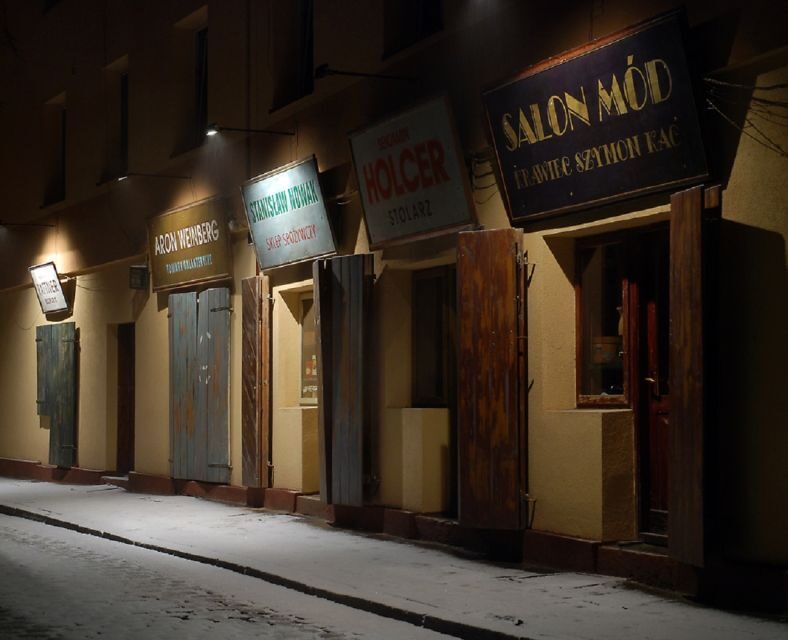
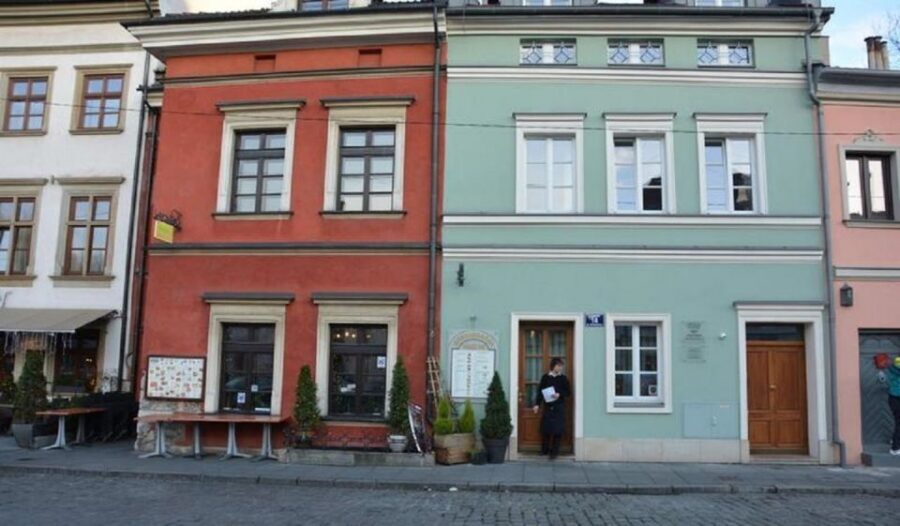
If you want to understand a district quickly, start with its spine. Kazimierz’s heart runs through Szeroka Street, and this tour uses that street logic to help you orient fast. You’ll walk in the footsteps of Polish Jews and follow a path of Jewish monuments—so you’re not wandering randomly.
What I like is that the guide doesn’t treat the area like a museum hallway. You’ll learn how the Jewish community shaped the character of the neighborhood and what the area was like before the war, during it, and after. That before/after framing is the difference between seeing buildings and actually understanding why they matter.
You’ll also get a sense of the neighborhood’s continuing identity. Kazimierz isn’t frozen in time; it’s a place where markets, monuments, and everyday street life coexist with memory sites. Your guide can point out what’s happening today and what might come next, so your visit doesn’t end at tragedy.
One practical note: plan on a steady walking pace. The value of the tour is that it connects stops through the streets between them.
Jewish Monuments and the Seven Main Synagogues
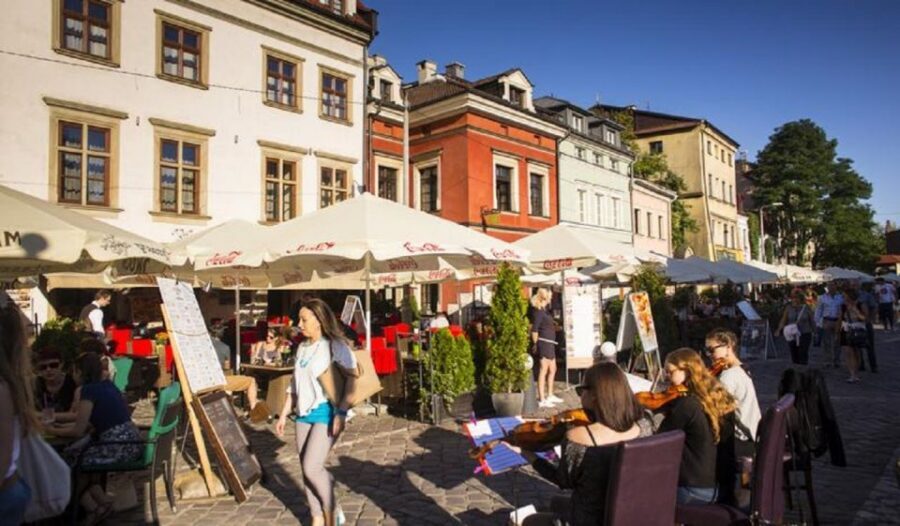
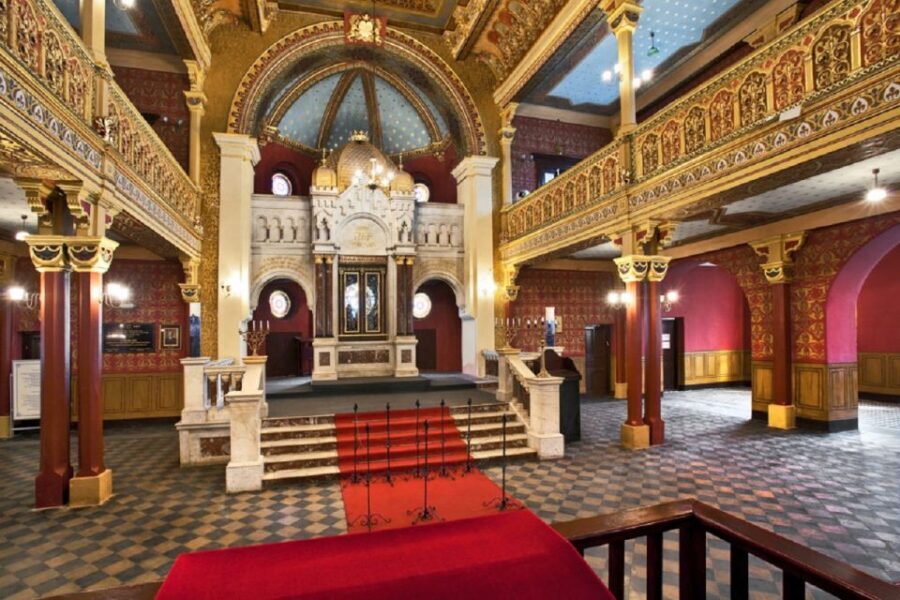
One of the biggest reasons to book this experience is the synagogue emphasis. You’ll admire the seven main synagogues, and they include the largest synagogue complex in Europe. That alone makes the tour feel efficient: many self-guided visits end up cherry-picking a couple of key buildings, but here you’re pushed to see the district as a connected network of sacred spaces.
Each synagogue has its own story, and a guide helps you avoid the most common mistake: treating all synagogues as interchangeable. Instead, you’ll learn what makes this complex so significant, why the area became a center for Jewish religious and community life, and how the architectural and historical layers overlap.
For readers who like concrete details, this part tends to be where the tour clicks. You’ll be looking at buildings and hearing explanations that help the names and layouts stick. The guide’s job is to translate the physical spaces into human meaning.
This is also a good time to ask questions like: What role did these synagogues play socially? How did community structures function here? A private group makes that easy.
Remu Synagogue, the Old Cemetery, and the Jewish Museum
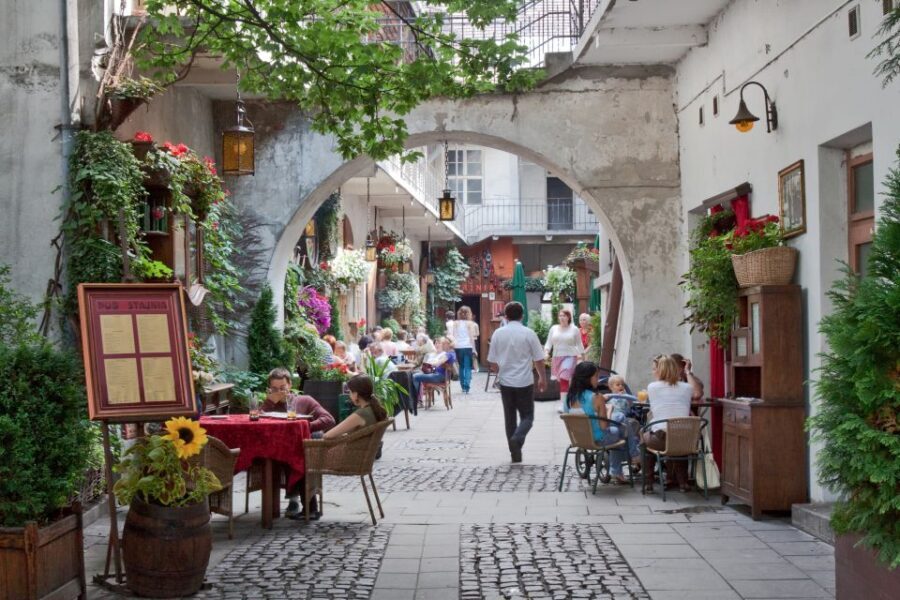
This stop sequence is special because it links life, memory, and education. You’ll see the old Remu Synagogue, then move to the adjoining old cemetery, and continue to the Jewish Museum in the former Old Synagogue.
That trio matters. If you only see the synagogue building, you miss the fact that Jewish life includes remembrance and continuity through community spaces like cemeteries. Seeing the cemetery nearby gives context for why these sites feel different from typical historic architecture.
Then the museum ties it together by focusing on Jewish history and what the community was like across time. This is where you’ll get the clearest explanation of what happened here, and how that experience shaped the neighborhood afterward.
Emotionally, this portion can be intense. Practically, it’s also where you’ll learn the most vocabulary for understanding Kazimierz. After this sequence, you’ll be better prepared to interpret what you see at ghetto-related remnants later.
Ghetto Wall Remains and Holocaust Context on the Ground
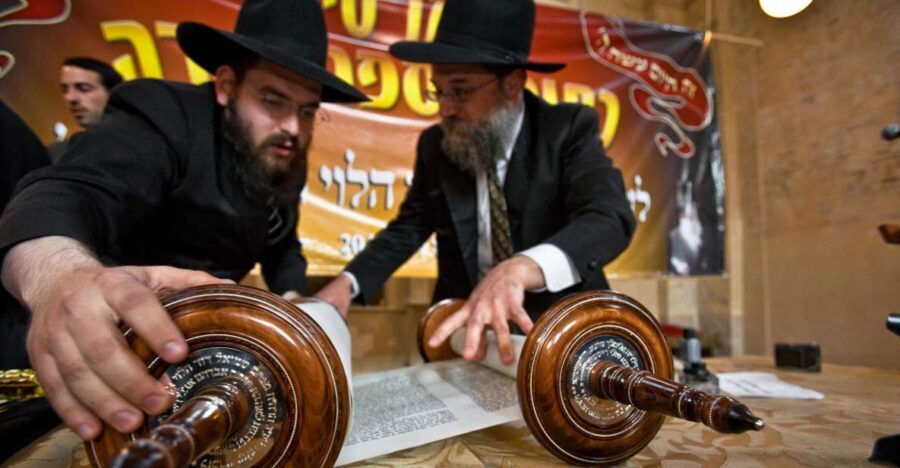
Kazimierz includes visible reminders of the past, including the remains of the ghetto walls. Seeing physical traces like this changes the conversation from abstract history to place-based memory.
Your guide will explain the Holocaust history as it relates to this area, and that local connection is key. It’s not just facts; it’s the sense of how the community was contained, how people were affected, and how this district carries that weight.
A helpful way to approach this part is to let the guide’s pacing guide you. If you’re sensitive to heavy topics, don’t force speed. You’re allowed to slow down, ask one question at a time, and take in what’s in front of you.
This is also the portion where comfort matters most. Bring weather-appropriate clothing, and keep your phone battery charged if you like notes. Even with a guide, you’ll likely want to jot key names or ideas as they come up.
Schindler’s List Locations: How Film Turns Streets Into Memory
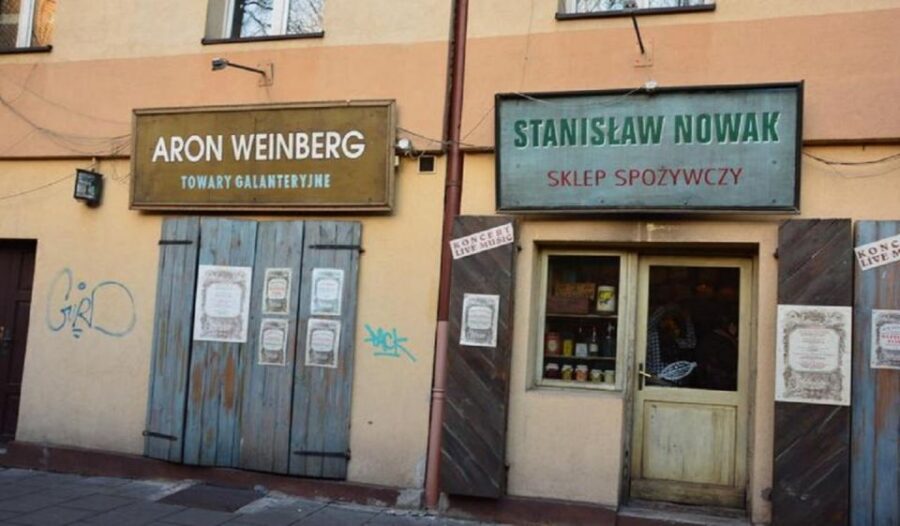
Kazimierz is famous for more than its history. It’s also one of the areas where Schindler’s List was filmed, and the tour includes “hidden places” made famous by the movie.
I like this approach because it gives you a bridge between two audiences: people who come for film locations and people who come for history. The guide uses the movie thread as a way to get you looking carefully at the same streets and corners that mattered long before the film.
That said, don’t treat it like a scavenger hunt. The value here is the context your guide adds. You’ll be shown spots connected to the film, but the bigger point is how modern storytelling keeps older memories from fading.
If you’re a movie fan, this will feel rewarding because you recognize details. If you’re not, it still works because your guide reframes the filming locations as part of the district’s layered identity.
Guide Quality Matters: What the Reviews Signal About the Tour
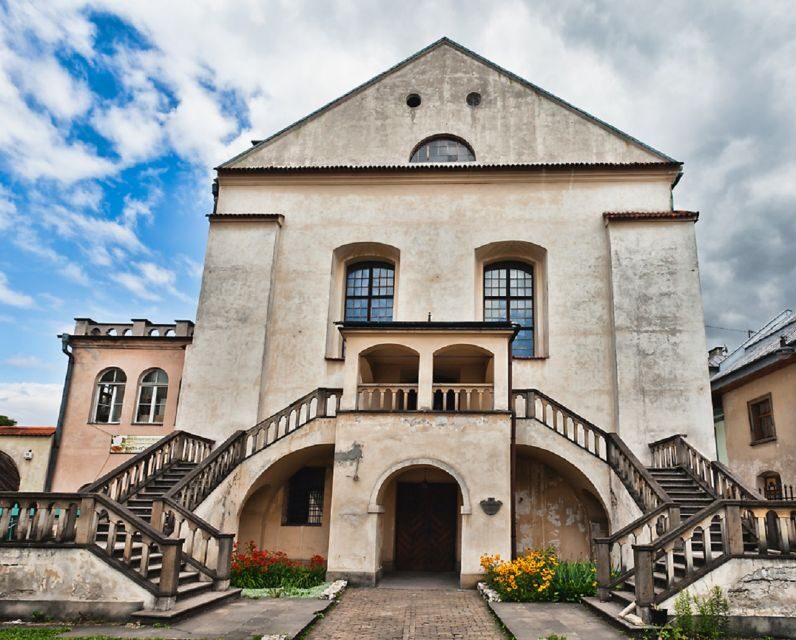
This tour is offered by PT Team, and the biggest pattern in the feedback is consistent: the guides are prepared and willing to explain. Names that come up include Nargarita, Catherine, Marzena, Agniieszka, and Agnieszka, with praise for being organized, friendly, and able to keep the tour moving at a good pace.
Even without naming every guide, the overall message is clear: you’re not getting a “walk and point” style service. You’re getting interpretation. That’s what turns a list of monuments into a real understanding of Kazimierz.
The tour also supports multiple languages (French, Italian, Portuguese, English, Spanish, German, Russian, and Polish). If you’re choosing based on language, pick the one you’re most comfortable thinking in. It makes a difference when the topic turns serious.
Price and Value: Is $16 Worth a Private 4-Hour Guide?
At $16 per person for a 4-hour private guided tour, this sits in the “excellent value” zone, especially given how many major sites you cover. The tour isn’t just one synagogue and a photo stop; it’s a structured route through Kazimierz’s key religious and memory landmarks, including cemetery and museum time, plus ghetto-related remnants and movie-famous streets.
Private guiding usually costs more, so the price point here is a big reason to consider booking. You’re paying for context: a guide explains what you see and connects it to what happened here. That can save you from spending your time guessing or reading on your phone between stops.
Food and drinks aren’t included, so you’ll want to plan a snack or meal on your own. For many people, that’s actually a plus: you control pacing and dietary needs, and you can choose a place that fits your budget.
Who This Tour Suits Best (And Who Might Want Another Option)
This fits well if you want a thoughtful introduction to Kazimierz with real guidance. It’s ideal for:
- First-time visitors who want the big landmarks without losing the thread
- People who care about Jewish history and want place-based context
- Movie fans who want Schindler’s List locations explained, not just photographed
It may be less ideal if you:
- Prefer total freedom with no structure (this tour is guided and purposeful)
- Want a purely lighthearted stroll (parts involve Holocaust history)
If you’re traveling with family, the private format can help you adapt pacing to who’s with you. And because it’s offered in many languages, it’s a good bet for mixed-language groups.
Practical Tips to Get More From the Walk
A few small choices can make the tour easier and more meaningful:
- Wear comfortable shoes. You’ll be walking and stopping throughout Kazimierz.
- Bring weather-appropriate clothing. Krakow conditions can change fast.
- Bring curiosity, not just a checklist. Ask about what you see right in front of you—synagogue function, cemetery meaning, or what the ghetto wall remnants signify.
- If you’re sensitive to heavy topics, take breaks as you need. Your guide can usually adjust your pace in a private setting.
These aren’t just comfort tips. They help you absorb the story instead of rushing through it.
Should You Book This Kazimierz Private Tour?
I think this is a strong booking if you want a guided, high-value route through Kazimierz with the key stops connected into one narrative. The price makes it accessible, the 4-hour private format keeps it efficient, and the focus on synagogues, cemetery/museum, ghetto remnants, and Schindler’s List locations gives you both historical weight and modern connections.
If you’re the type who likes to understand what you’re looking at, rather than just ticking boxes, this is exactly the style of tour that pays off.
FAQ
Where does the tour start?
You meet your guide at The Jewish Cultural Center, and the guide will be holding a sign with your name.
How long is the Kazimierz private guided tour?
The tour lasts 4 hours.
Is the tour guide included in the price?
Yes. The tour includes a guide for 4 hours.
Does the tour include food and drinks?
No. Food and drinks are not included, so you’ll want to plan your own breaks if needed.
What languages are available for the live guide?
The live guide is available in French, Italian, Portuguese, English, Spanish, German, Russian, and Polish.
Is the tour wheelchair accessible?
Yes. The tour is wheelchair accessible.