REVIEW · KRAKOW
Krakow: Pierogi Power Cooking Class with Marta
Book on GetYourGuide →Operated by Pierogi Power · Bookable on GetYourGuide
Pierogi power in Krakow’s cozy kitchen. This hands-on Krakow pierogi cooking class is built around making dumplings from scratch in a real home kitchen, then eating the results right away. I like the step-by-step structure, and I like how Marta explains the story behind Polish food while you work. One drawback to plan for: this class isn’t suitable if you have food allergies.
You start with a warm tea or coffee welcome, then you get aprons and jump into dough and filling. The whole thing runs for about 3 hours, and it’s taught in English, so you’re not stuck translating recipes while your hands are covered in flour. I also like the finish: homemade cheesecake with salty caramel sauce, served with fresh coffee or tea.
The location is in the Salwator area, one of Krakow’s prettiest and most historical districts, and it’s easy to reach by tram or taxi from Rynek Główny. If you want a bonus outing, Kościuszko Mound is nearby and famous for city views.
In This Review
- Key Things I’d Book This For
- Salwator Pierogi Class: Why This Format Works
- Getting There from Rynek Główny in Real Time
- The 3-Hour Flow: From Welcome Drink to Finished Dumplings
- Making Pierogi Dough: The Skill You’ll Actually Use Later
- Filling and Flavor: Learning the Secrets Behind That Classic Taste
- Cooking Together: From Sealed Dumplings to the First Bite
- Cheesecake with Salty Caramel: The Finish That Makes It Worth 3 Hours
- Price and Value: What $80 Really Buys You
- Who This Class Is Perfect For (and Who Should Skip)
- When to Plan It in Your Krakow Trip
- FAQ
- How long is the pierogi cooking class in Krakow?
- Is the class taught in English?
- What food is included in the experience?
- Where is the meeting point?
- Do I need to arrange transportation to the location?
- Is it suitable for people with food allergies?
- Should You Book Pierogi Power with Marta?
Key Things I’d Book This For
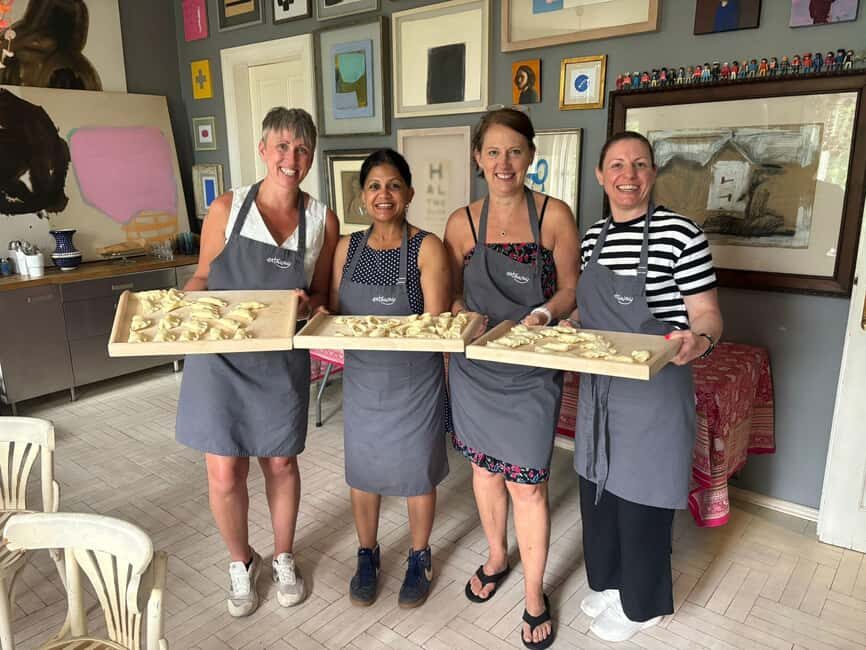
- Hands-on pierogi dough and filling from scratch, not just watching
- English instruction so you can follow every step while you cook
- A cozy home kitchen in Salwator, a change from big-group tours
- Eat what you make, with plenty to go around
- Cheesecake with salty caramel sauce plus tea or coffee to end
Salwator Pierogi Class: Why This Format Works
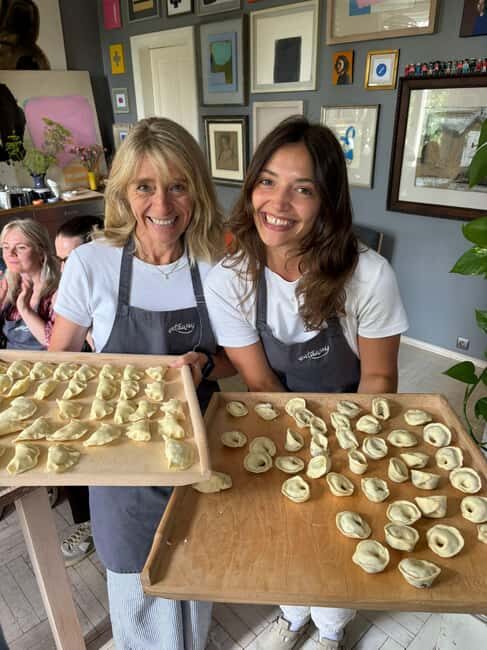
This isn’t a lecture or a demo. You’ll actually shape pierogi, learn the logic behind the fillings, and practice the basic technique that makes dumplings feel satisfying instead of messy. That matters in Krakow, where food tours are everywhere—but a cooking class is how you turn a meal into a skill.
The setting is also a big part of the value. The event takes place in Marta’s private home in Salwator, which keeps the energy friendly and practical. You’ll get that local-feeling atmosphere right away, starting with the tea or coffee and aprons before anything hits a stove.
And yes, you’ll eat well. Pierogi are the star, but the dessert landing is thoughtful too: homemade cheesecake with salty caramel sauce. That’s a sweet finish that still feels connected to the savory meal rather than tacked on.
You can also read our reviews of more cooking classes in Krakow
Getting There from Rynek Główny in Real Time
Meeting point is ul. Władysława Anczyca 11 / 5 (building number 11, apartment 5). The address is simple, but Krakow trips go smoother when you plan the route first—especially because you’ll be walking up a hill after public transit.
Here’s the approach that fits most schedules:
- From Rynek Główny, take a tram heading to Salwator (numbers 1, 2, or 6).
- Get off at the stop after Salwator Pętla. That stop is the final one where trams turn around.
- Then it’s a pleasant 4-minute walk uphill to the apartment.
If you’re short on time or traveling with heavy bags, a taxi is about 10 minutes from Rynek Główny. Transportation isn’t included in the class price, so if you’re budgeting, just remember you’ll pay that part separately.
Quick tip: wear shoes that can handle a small uphill walk comfortably. You’re heading to a home kitchen, so you’ll likely want your feet settled and your hands free when you arrive.
The 3-Hour Flow: From Welcome Drink to Finished Dumplings
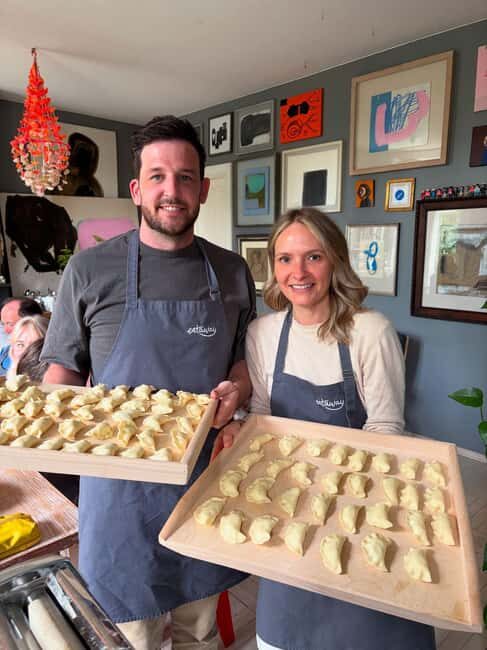
The schedule is straightforward, which is exactly what you want in a cooking class. You’re not guessing what happens next, and you’re not stuck waiting around while someone explains something you could be doing.
Here’s how the experience typically unfolds:
First, you’ll be welcomed with tea or coffee. Then you’ll put on aprons and start working. Marta also talks about the history of Polish cuisine and the iconic role pierogi play. It’s brief enough to keep moving, but it gives you context for why certain flavors and textures are considered right.
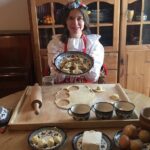
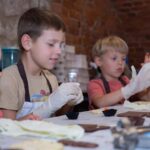
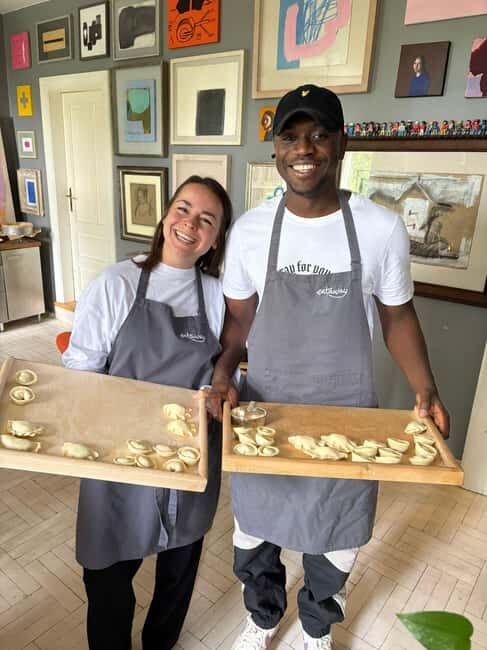
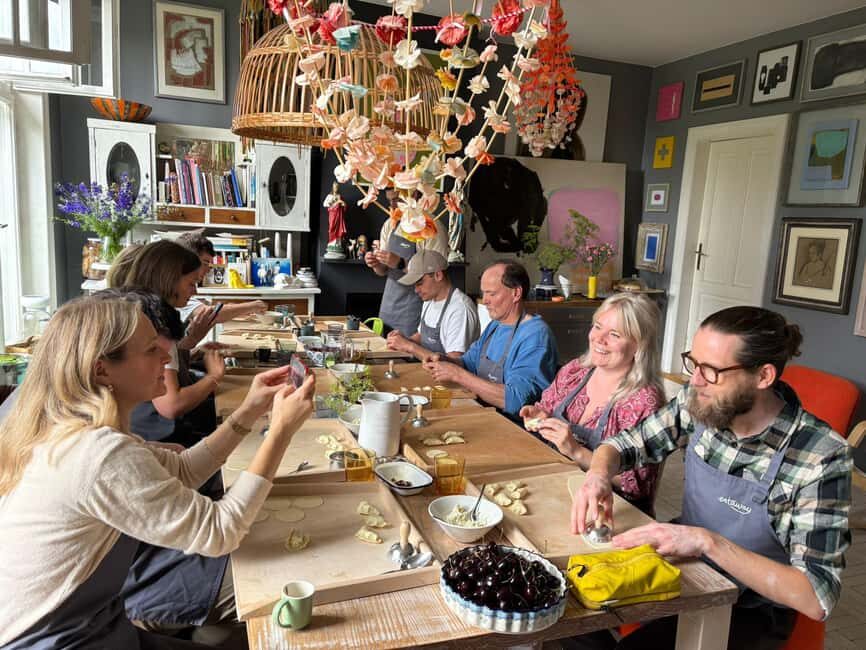
Next comes the practical work: preparing the pierogi dough and filling together. Each guest gets their own board to work on, and Marta helps you at every stage. That kind of coaching is a big deal if you’ve never made dough before, because you can fix technique while you’re still in the process, not after the dumplings are already sealed.
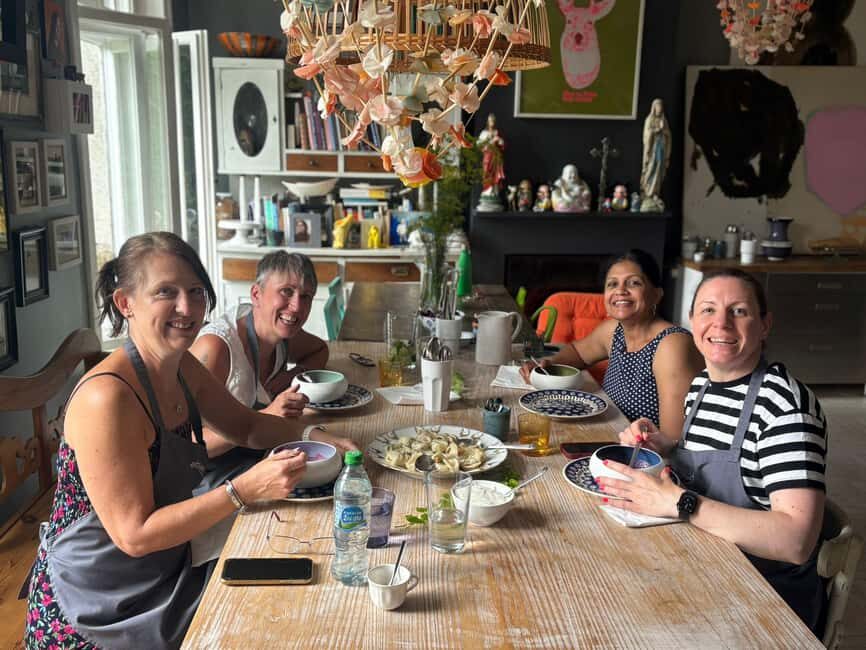
Once your dumplings are ready, you’ll cook them and eat together. The class is set up so nobody leaves hungry, with plenty of pierogi on the table.
Finally, you’ll wrap up with homemade cheesecake with salty caramel sauce, plus fresh coffee or tea. It’s a satisfying ending that feels earned after working for a few hours.
Making Pierogi Dough: The Skill You’ll Actually Use Later
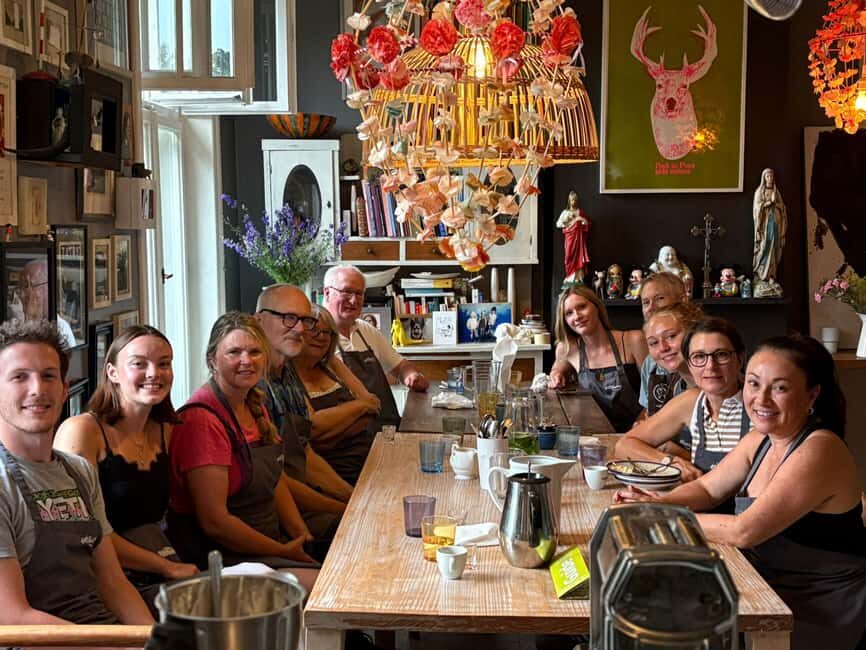
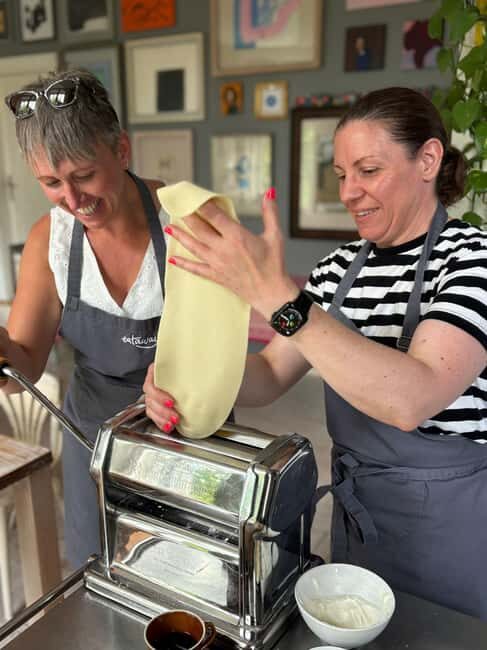
Pierogi dough sounds simple until you’re the one rolling and folding. The value of this class is that you’re not just making dumplings once—you’re learning what makes the dough behave well.
You’ll work on dough from scratch as part of the group, which helps you understand the flow of the recipe. And because each guest has their own board, you’ll get real practice with shaping, not just a shared “show and tell” moment.
What to pay attention to while you cook (and what to ask Marta, if the chance comes up):
- The dough texture and how it changes as it’s kneaded
- How thick or thin you should roll it for good results
- How to handle the dough so it stays workable during filling and sealing
Even if you don’t remember every detail, this is the kind of technique you can repeat. Once you’ve felt the dough for yourself, you can adjust at home instead of following instructions blindly.
And remember: in a class like this, speed isn’t the point. Marta’s setup gives you room to get comfortable with the process. That’s what turns pierogi from a “someday I’ll make them” fantasy into something you can do on a free weekend.
Filling and Flavor: Learning the Secrets Behind That Classic Taste
Pierogi are iconic for a reason. The filling is where you get the comfort-food feeling, and it’s also where a small change can make a dumpling taste flat or exciting.
In the class, you prepare the filling together and learn the “secrets” behind that special Polish flavor. You’ll talk about what makes the final result work, then you’ll apply it as you fill your own pierogi.
This is also where the history part helps. Marta’s background talk isn’t random trivia. When you understand what pierogi represent in Polish food culture, the fillings feel less like random combinations and more like a tradition you’re continuing.
If you want to recreate this at home, aim to learn the logic:
- What flavors should dominate?
- What textures should you notice in the filling?
- How much filling is enough for the dough to seal correctly?
Don’t stress if you’re not a pastry person. The class is built for regular people with normal kitchens, not professional equipment.
A few more Krakow tours and experiences worth a look
Cooking Together: From Sealed Dumplings to the First Bite
Once the pierogi are prepared, you’ll cook them and eat them together. This part matters more than it sounds because it’s where you confirm that your technique worked.
When you cook pierogi in a classroom setting, you get two benefits at once:
1) you avoid common beginner problems (like undercooked centers or uneven sealing), and
2) you learn the timing and readiness signals through real food, not guesswork.
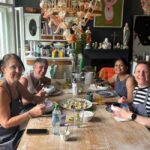
After cooking, there’s plenty to go around, and the group shares the meal. You’re not racing a clock or holding a plate with one hand while your other hand gets flour on everything. It’s organized so you can actually enjoy what you made.
In one booking described in the class experience information, the pierogi meal was served with soup and salad alongside. Even if your session differs slightly, the overall structure is the same: you eat a proper meal, not a token taste.
Cheesecake with Salty Caramel: The Finish That Makes It Worth 3 Hours
A good cooking class ends with food you want to keep thinking about. Marta’s homemade cheesecake with salty caramel sauce is that kind of ending.
This dessert is more than a sweet extra. After working savory dough and filling, the cheesecake balances the experience. The salty caramel brings a grown-up flavor contrast that feels connected to the meal you just made, not separate from it.
You’ll have fresh coffee or tea with dessert too. It’s a comfortable landing after a hands-on session, and it gives you time to slow down and talk to Marta and the group.
If you’re the type who hates classes that feel unfinished, this ending helps. It closes the loop: you cook, you eat, you learn, you leave satisfied.
Price and Value: What $80 Really Buys You
At $80 per person for about 3 hours, you’re paying for more than ingredients. You’re paying for teaching, guided practice, and a full meal that includes dessert.
Here’s what that usually means in real-world value:
- Instruction in English, while you actively make the dough and filling
- Your own workspace (each guest gets a board), so it’s not just a group show
- Full feeding, with pierogi you make plus cheesecake and drinks
If you’ve ever done the “watch someone cook” version, you know how quickly it can feel overpriced. This class is priced like an active experience. You leave with practical skills you can repeat at home, which turns the meal into a future benefit.
It’s also in a private home setting, so you’re not spending your money on overhead from a restaurant kitchen. That often translates into more personal coaching and a calmer pace.
Who This Class Is Perfect For (and Who Should Skip)
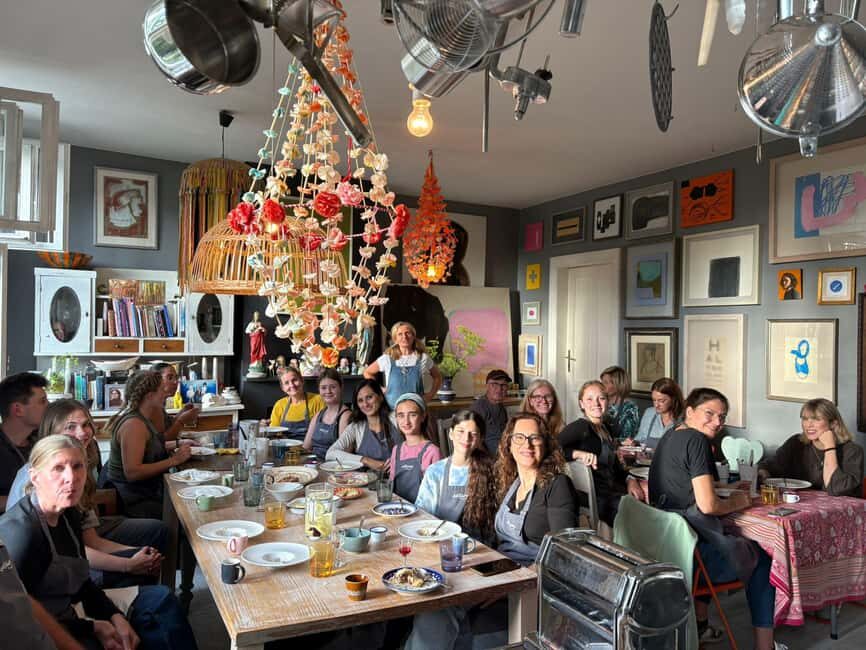
This experience is ideal if you:
- Want a hands-on activity in Krakow that doesn’t depend on already knowing how to cook
- Like Polish food and want to understand the context, not just eat it
- Prefer a smaller, home-kitchen feel over big group tourism
- Travel with curiosity and like learning by doing
It’s not a good fit if you have food allergies, since the class is not listed as suitable for that situation. Also, if you strongly dislike working with dough or don’t want any mess, you might find the flour-and-apron part less fun than the eating part. (It’s part of the deal here.)
Comfort clothing is the right approach. You’ll be cooking, so plan for something you can move in and that won’t mind a little kitchen chaos.
When to Plan It in Your Krakow Trip
For most people, this class works well as a daytime plan because you’ll be done in time to still enjoy the city afterward. It also fits nicely if you want to add a nearby sight: Kościuszko Mound is one of Krakow’s popular sites, and you’ll have city views there.
A smart approach is to place the class earlier in your stay. That way, you can bring home more than photos—you’ll come back to your rental or hotel with a clearer picture of how Polish comfort food is built.
Also, Salwator itself is a nice pairing zone. After your cooking session, you’ll already be in a neighborhood that feels historic and scenic, so your “what next?” options are easier.
FAQ
How long is the pierogi cooking class in Krakow?
The class lasts 3 hours.
Is the class taught in English?
Yes, the instructor teaches in English.
What food is included in the experience?
You’ll have homemade pierogi that you make, plus homemade cheesecake with salty caramel sauce. Tea and coffee are also included.
Where is the meeting point?
The address is ul. Władysława Anczyca 11 / 5 in Krakow (apartment 5 in building 11).
Do I need to arrange transportation to the location?
Transportation to the home is not included.
Is it suitable for people with food allergies?
No. The class is not suitable for people with food allergies.
Should You Book Pierogi Power with Marta?
Yes—if you want a real Krakow food experience that turns into a repeatable skill. This class is built around hands-on pierogi dough and filling, guided help at each stage, and a satisfying meal that ends with homemade cheesecake.
I’d skip it only if food allergies are part of your needs, since it’s not listed as suitable. Otherwise, come curious, wear comfortable clothes, and plan to enjoy the neighborhood walk afterward. If you like learning by doing, this is a smart use of 3 hours in Krakow.