REVIEW · KRAKOW
Pierogi Cooking Class with Market Shopping and Local Snacks
Book on Viator →Bookable on Viator
One afternoon can fix your whole trip. This pierogi class mixes market shopping and hands-on cooking in a local’s apartment kitchen in Krakow. You start outdoors with ingredient hunting, then move inside to learn the full process from dough to finished dumplings.
Two things I really like: you get practical, step-by-step pierogi technique, and you actually get to eat what you make, with starters and regional alcohol in the mix. One thing to consider is that it runs about 3 hours and is centered on food, so you’ll want to plan your evening around a full stomach (and drinks).
You also get an added bonus that’s hard to fake: the instructor shares Krakow food ideas while you cook. In the small class size, you’re not just watching; you’re shaping, filling, and learning how to get pierogi that hold together.
In This Review
- Key Points to Know Before You Go
- Starting at the Grunwald Monument and Mapping the 3-Hour Flow
- The Market Walk: How Krakow’s Oldest Market Fits Into Pierogi
- Snacks, Drinks, and the Apartment Kitchen Setup
- Hands-On Pierogi Making: Dough, Filling, Shaping, Boiling
- The Traditional Filling You’ll Make: Cottage Cheese, Potatoes, Onions
- Local Snacks and Regional Alcohol: What the Meal Actually Includes
- Krakow Tips That Show Up While You Cook
- Small Group Logistics: English, Mobile Ticket, and Public Transport
- Price and Value at $83.48: Why This Costs What It Costs
- Who This Pierogi Class Suits Best (and Who Might Skip)
- Should You Book This Pierogi Cooking Class in Krakow?
- FAQ
- Where is the pierogi cooking class meeting point?
- How long does the experience take?
- Is the class taught in English?
- What’s the maximum group size?
- What filling will we learn for the traditional pierogi?
- Does the tour include a market visit?
- Is there food and drink included?
- Is there free cancellation?
Key Points to Know Before You Go
- Small group (max 6): An apartment setting that doesn’t feel crowded.
- Market first, Sundays skip it: Ingredient shopping is part of the experience, except on Sundays.
- Full pierogi workflow: Dough, filling, shaping, and boiling are all taught.
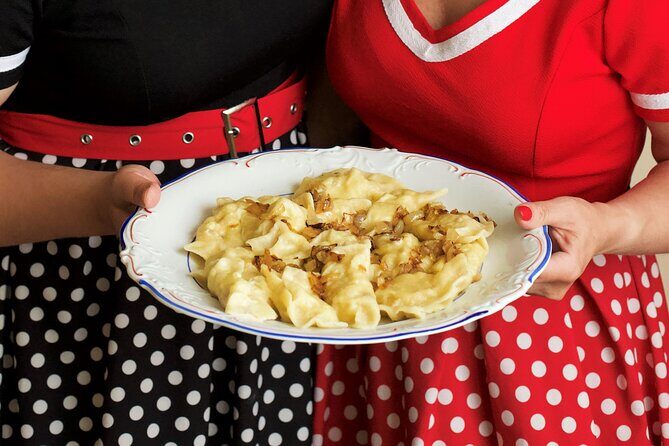
- Traditional filling taught: Cottage cheese, potatoes, and caramelized onions.
- Plenty to taste: Seasonal snacks plus a final pour of regional liquor or alcohol.
- English instruction: The class is offered in English with clear guidance.
Starting at the Grunwald Monument and Mapping the 3-Hour Flow
The class starts at Grunwald Monumentplac Jana Matejki, 30-001 Kraków, Poland and ends back at the same meeting point. The total time is about 3 hours, so it’s long enough to do real cooking work, not just a quick demo.
In practice, this kind of timing matters. You get the full chain: ingredients → prep → shaping → boiling → eating. If you plan to squeeze it between other sights, choose something that doesn’t require you to rush right afterward.
The group stays small, with a maximum of 6 people, and the teaching happens in a local’s apartment. That combination makes it easier to ask questions and get hands-on attention.
You can also read our reviews of more shopping tours in Krakow


The Market Walk: How Krakow’s Oldest Market Fits Into Pierogi
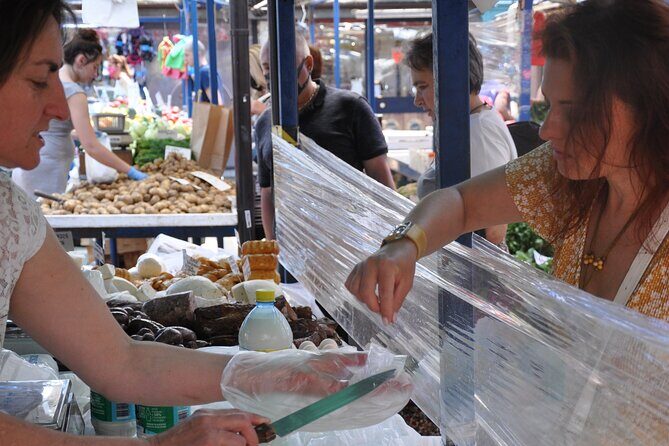
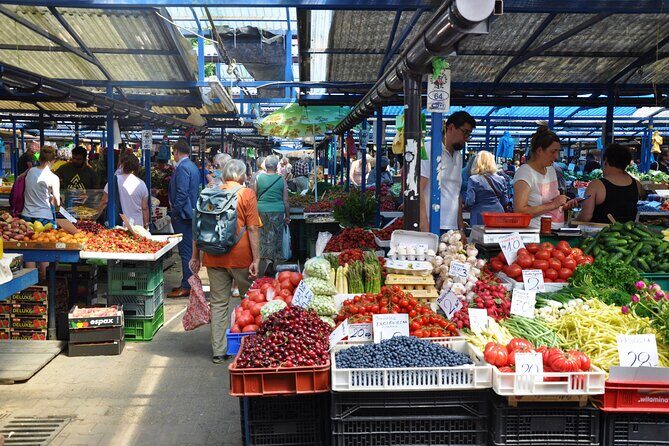
Before the kitchen, you walk through the oldest marketplace in town. The point isn’t just to look. It’s where you learn what counts for pierogi flavor: fresh ingredients, correct choices for cheeses, and what makes Polish pantry staples worth seeking out.
You’ll buy what you need for the class, but there’s also the fun side: you’ll likely end up trying more than you planned. The market stop also helps you understand why pierogi are so tied to everyday Polish cooking. Dumplings aren’t a fancy show dish here; they’re practical comfort food.
One more thing: on Sundays, the experience takes place without the food market visit. If market atmosphere is a big reason you want this tour, schedule it for another day.
Snacks, Drinks, and the Apartment Kitchen Setup
After the market, you take a short walk to the instructor’s apartment. This is where the experience turns from city browsing into full kitchen time.
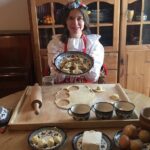
You’re welcomed with local snacks and drinks, and the class is set up so you can work with the ingredients right away. One review-style detail that’s worth knowing for your expectations: the apartment is presented as clean and welcoming, with enough room for everyone in the small group.
Food classes can sometimes feel rushed, but in an apartment setting with a group this size, you don’t get that constant line-up pressure. You’ll have space to roll dough, work filling, and ask what to do next.
Hands-On Pierogi Making: Dough, Filling, Shaping, Boiling
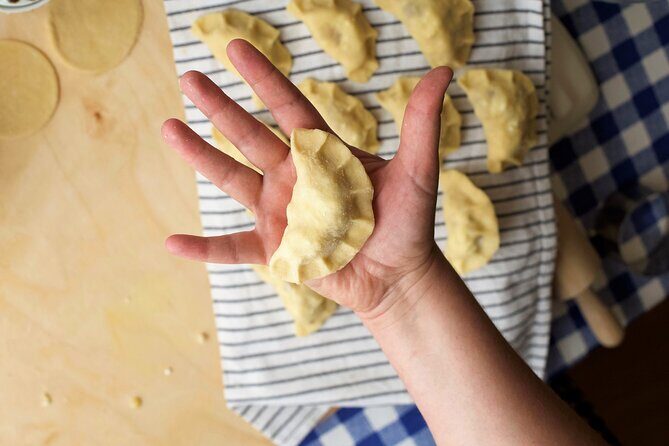
This is not a stand-and-smile lesson. You’ll learn the whole pierogi process in sequence, which is the best way to actually improve your skills.
Here’s the flow you can expect:
- Dough making: You’ll learn how to get the dough to the right feel for rolling and shaping.
- Filling prep: You’ll prepare the filling and understand how each component contributes.
- Shaping and pleating: You’ll make the classic dumpling form, not just spoon in filling and hope.
- Cooking (boiling): You learn how to cook pierogi so they turn out right.
A detail from the teaching style that comes through strongly in feedback: the instructor focuses on technique, especially around kneading and getting the dough texture correct. That matters because dough that’s too soft tears while shaping; dough that’s too stiff makes sealing hard.
If you’ve made dumplings before using a different method, you’ll probably notice how pierogi dough behavior is its own thing. You’ll get specific tips for that texture, not just generic cooking advice.
The Traditional Filling You’ll Make: Cottage Cheese, Potatoes, Onions
Your pierogi filling is the classic trio: fresh cottage cheese, potatoes, and caramelized onions. This is the choice that keeps pierogi familiar and honest. It’s not just about flavor; it’s also about learning what type of filling works well for traditional dumplings.
You’ll learn how to work with the filling components, including how to handle the potatoes so they integrate cleanly. You’ll also practice combining flavors rather than stuffing bland filling into dough.
Vegetarian-friendly and comforting, this filling also makes it easy to recreate after your trip. Once you understand the ratio and texture targets, you can swap in seasonal variations later.
A few more Krakow tours and experiences worth a look
Local Snacks and Regional Alcohol: What the Meal Actually Includes
The class is built around eating in stages, not just the final dumplings.
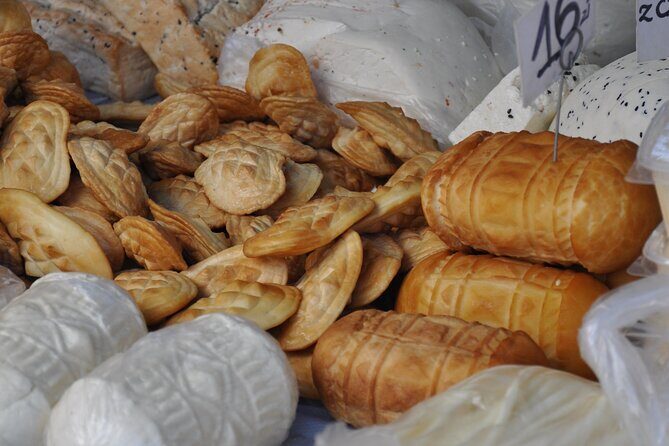
- Starter: Seasonal local snacks. Examples can include fresh and smoked cheeses, Polish sausage, sour cucumbers, or sour cabbage.
- Main: Your pierogi with the cottage cheese, potato, and caramelized onion filling.
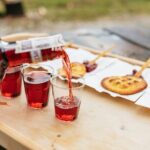
- Dessert: Regional alcohol. This can be homemade liquor or a selection of regional alcohol paired with the main dish.
Alcohol is served as part of the meal, so plan your day accordingly. If you’re the type who doesn’t drink, you might still want to ask what’s included before you commit, but the structure is clearly designed around tasting.
One memorable detail from feedback: some sessions include vodka infused with bison grass, described as being served in a fun, unusual way. Even if your glass looks different, the key point stays the same: the instructor doesn’t treat alcohol as an afterthought.
Krakow Tips That Show Up While You Cook
Food classes can be fun, but the best ones also teach you how to travel smarter. This one includes recommendations about where to go and what to try in Krakow, framed as local food guidance.
Since you’re in a real home kitchen and chatting through the cooking steps, those tips tend to feel practical. Instead of generic lists, you’ll pick up advice tied to what you’re tasting and making.
In particular, the instructor (often mentioned as Olga in feedback) shares context about Polish culinary traditions and where pierogi fit into the story of the country and its food culture. That doesn’t replace a museum visit, but it gives your food day meaning.
Small Group Logistics: English, Mobile Ticket, and Public Transport
This experience is offered in English, with a mobile ticket. It’s also set up near public transportation, which matters because it’s easy to plan without adding stress to your day.
Group size stays at up to 6 travelers, and that’s a big deal for a hands-on class. When there are fewer people, everyone gets more time at the prep stations, and the instructor can correct technique without you feeling like you’re slowing the room down.
If you’re coming with kids, this can work well because it’s active and visual, not just sitting through a lecture. The class is described as welcoming and friendly in feedback, including families.
Price and Value at $83.48: Why This Costs What It Costs
At $83.48 per person for about 3 hours, the price can look steep if you only think about it as “a cooking class.” But the value changes when you count what’s included.
You’re paying for:
- Market shopping as part of the experience (and learning while you shop)
- Instruction on dough, filling, shaping, and cooking
- Plenty of food to eat, starting with snacks and ending with the pierogi meal
- Regional alcohol as part of the tasting
Most cooking classes include the cooking. This one also builds the ingredient-buying step into the tour, which turns it into a mini food education. If you like buying ingredients and learning why certain choices matter, you’ll likely feel the price more fairly.
For value-minded travelers, this is the type of activity you’ll remember when you’re trying pierogi again at home. You’re not just eating; you’re learning repeatable technique.
Who This Pierogi Class Suits Best (and Who Might Skip)
This class is a great fit if you want:
- Hands-on cooking in a small group
- A traditional pierogi experience with a clear, teachable filling
- A food-focused afternoon with market context and eating built in
- Local Krakow food recommendations from a home-kitchen perspective
It may not be ideal if you prefer:
- Only sightseeing, with minimal time in the kitchen
- A strictly sober, alcohol-free format (regional alcohol is part of the plan)
- Very fast, drop-in activities that don’t require you to plan around meals
If you’re planning your Krakow schedule, this is best early enough in your trip that you can use the food advice right away.
Should You Book This Pierogi Cooking Class in Krakow?
I’d book it if your ideal day looks like this: walk through a classic Krakow market, taste your way through local snacks, then spend a few hours learning how to make pierogi that actually hold together.
The main reasons to choose this class are simple: the full pierogi-making process, the traditional filling, and the fact that it’s taught in a real local apartment with a small group size. Just give it a spot in your schedule where you won’t need dinner plans.
If you want food that’s more than a single meal, this is one of those experiences that can carry into the rest of your trip.
FAQ
Where is the pierogi cooking class meeting point?
You meet at Grunwald Monumentplac Jana Matejki, 30-001 Kraków, Poland, and the activity ends back at the same meeting point.
How long does the experience take?
It runs about 3 hours (approx.).
Is the class taught in English?
Yes. The experience is offered in English.
What’s the maximum group size?
The class has a maximum of 6 travelers.
What filling will we learn for the traditional pierogi?
The traditional filling includes fresh cottage cheese, potatoes, and caramelized onions.
Does the tour include a market visit?
Yes, it includes walking through the oldest marketplace in town and buying ingredients. On Sundays, the experience takes place without a food market visit.
Is there food and drink included?
Yes. You’ll have seasonal local snacks, then the pierogi meal, and a final portion of regional alcohol paired with the food.
Is there free cancellation?
Yes. You can cancel up to 24 hours in advance for a full refund.