REVIEW · KRAKOW
Krakow: Pierogi Home Cooking Class
Book on GetYourGuide →Operated by Krakow Urban Tours · Bookable on GetYourGuide
Pierogi class in Krakow starts with shopping. This 4-hour home cooking experience sends you from the city center to a local cook’s apartment, where you buy ingredients, learn techniques, and finish by eating what you made. You’ll also get a taste of Polish food culture through music, snacks, and a sit-down meal with Polish beer.
I like two things a lot. First, the setup is very practical: you start at a market, learn what to look for, then cook with the same ingredients you picked. Second, the teaching feels hands-on and supportive—guides like Aneta, Alicja, and Paula are specifically praised for making shopping and cooking easier, including being patient with children.
One thing to keep in mind: this is not a wheelchair-friendly activity, and you’ll be on your feet in a home kitchen. If that’s an issue, plan ahead for comfort and mobility.
In This Review
- Key things you’ll like in this Krakow pierogi class
- A Krakow Home Kitchen with a Market Mission
- From Pod Globusem to the Farmers Market: How the Day Flows
- Haggling, Phrases, and Produce Choices That Matter for Pierogi
- In the Kitchen: Pierogi First, Then Two More Polish Recipes
- Snack Time Before You Cook: Pickles, Sausage, and Oscypek
- The 3-Course Meal and Polish Beer Pairing
- Price and Logistics: Is $108 Worth It?
- Who Should Book This Class (and Who Might Not)
- Should You Book This Krakow Pierogi Home Cooking Class?
- FAQ
- Where does the class meet?
- How long is the cooking class?
- What’s the group size?
- What will I cook during the class?
- Is the meal and drink included?
- Is the class wheelchair accessible?
- Can I get a refund if my plans change?
Key things you’ll like in this Krakow pierogi class
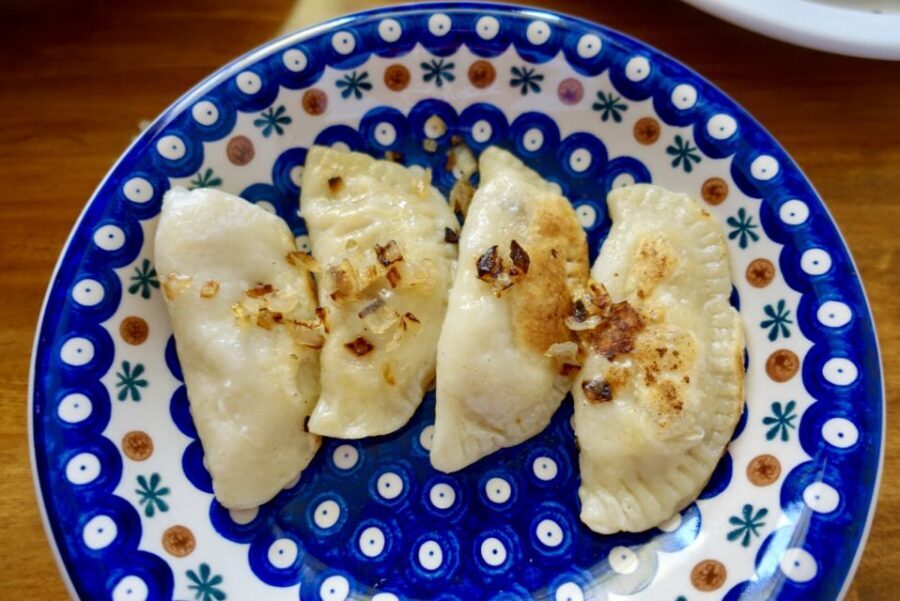
- Small group (up to 6 people): more personal coaching as you roll, fill, and fold pierogi.
- Market time with haggling and Polish phrases: you learn how locals shop, not just what locals eat.
- 3 recipes taught in one afternoon: you leave with repeatable skills, not a single dish.
- A home setting, family-style meal: you eat the 3-course results paired with Polish beer.
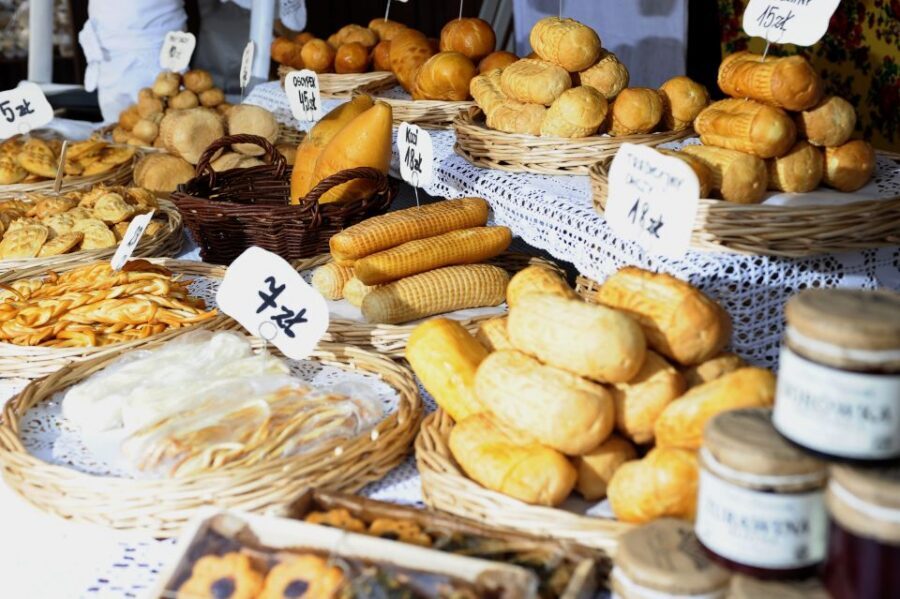
- Snack lineup before cooking: pickled cucumbers, sauerkraut, kabanos, and oscypek cheese show up early.
- Public transport to the guide’s home included: less hassle after you meet in the Old Town area.
A Krakow Home Kitchen with a Market Mission
This class works because it’s built around how Polish cooking actually starts: with the ingredients. You don’t just arrive, receive a recipe, and hope for the best. You meet your guide outside the city center at the corner of Dluga and Basztowa, by the bookshop Pod Globusem, then you head off to shop and cook like a local.
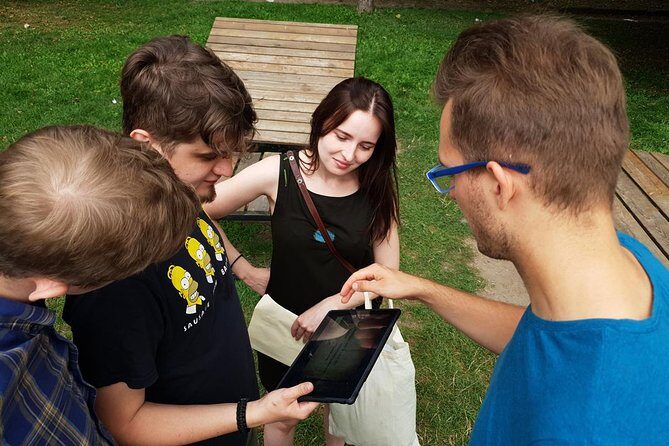
What I find especially appealing is that you’re not locked into a single “tour” mode. You’re given a reason to talk, ask questions, and pay attention—especially during the farmers market portion. The class also includes Polish music during cooking, which helps the day feel like more than a cooking demo.
Then you get the payoff: once you’re done, you sit down and eat. You’re pairing your meal with Polish beer, and you’re doing it after three courses you made yourself, not after “watching someone else cook.” That’s the kind of structure that makes a class worth your time.
You can also read our reviews of more cooking classes in Krakow

From Pod Globusem to the Farmers Market: How the Day Flows
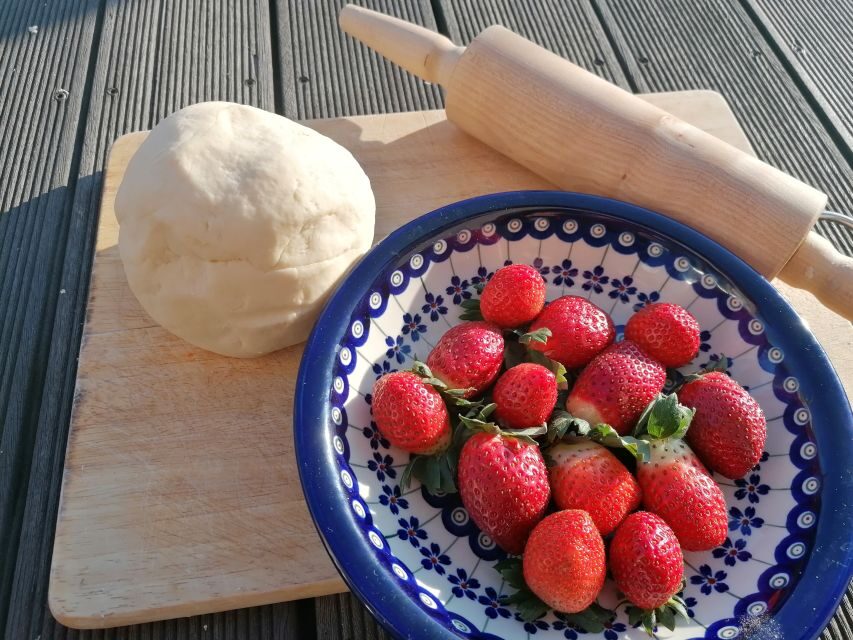
Your day starts at Pod Globusem, at Dluga and Basztowa. The plan is designed so you’re not stranded in a new neighborhood trying to figure things out. Public transport to the guide’s home is included, so once you meet up, the class keeps moving.
From there, you’ll go to a local market to shop for fresh vegetables and produce. This part is important for two reasons:
- It teaches you what “good” looks like in plain, everyday terms.
- It turns shopping into a skill-building activity, not just browsing.
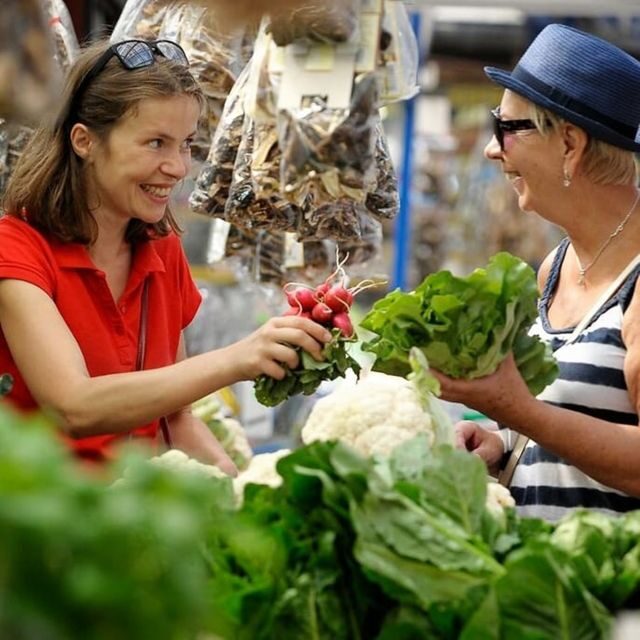
The market experience also includes a language component. Your guide gives you Polish phrases so you can try them while you’re buying ingredients, and you can even haggle a bit—guided, not thrown in the deep end. In other words, you’re learning how to communicate while you shop, which tends to stick with you longer than a list of food facts.
One practical note: markets and walking around take energy. Wear comfortable shoes, and plan to be outside for at least part of the time.
Haggling, Phrases, and Produce Choices That Matter for Pierogi
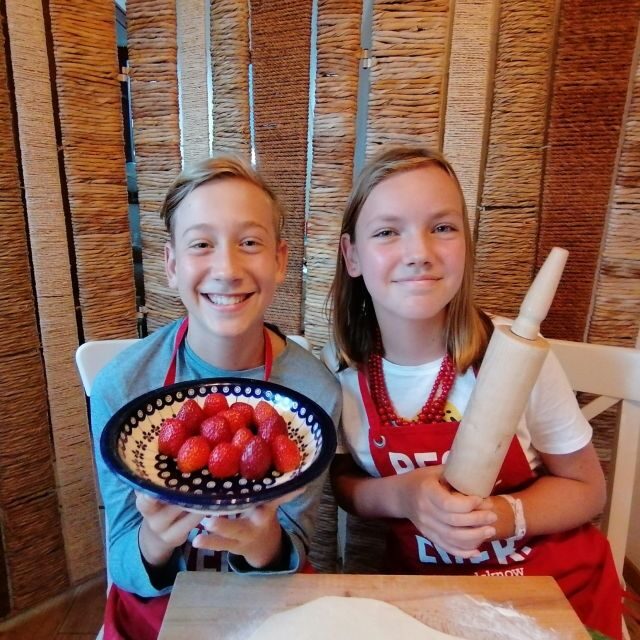
Pierogi are simple on paper and more sensitive in practice. Small differences—like how wet the filling is, how the dough holds together, and how you season—change the end result. That’s why market shopping matters here.
Your guide will teach you what to look for in the produce used for the dishes you’ll cook. You’ll also get the chance to bargain with market sellers, and you’ll do it while practicing Polish phrases that a Krakow native actually uses. That’s not just fun. It’s how you learn what’s negotiable, what questions to ask, and what matters to the people selling the food.
I also like how this portion connects to the rest of the class. When you cook with ingredients you purchased yourself, you’re more likely to remember:
- what you chose,
- why you chose it,
- and how it behaved in the kitchen.
That helps if you try to remake the recipes later.
In the Kitchen: Pierogi First, Then Two More Polish Recipes
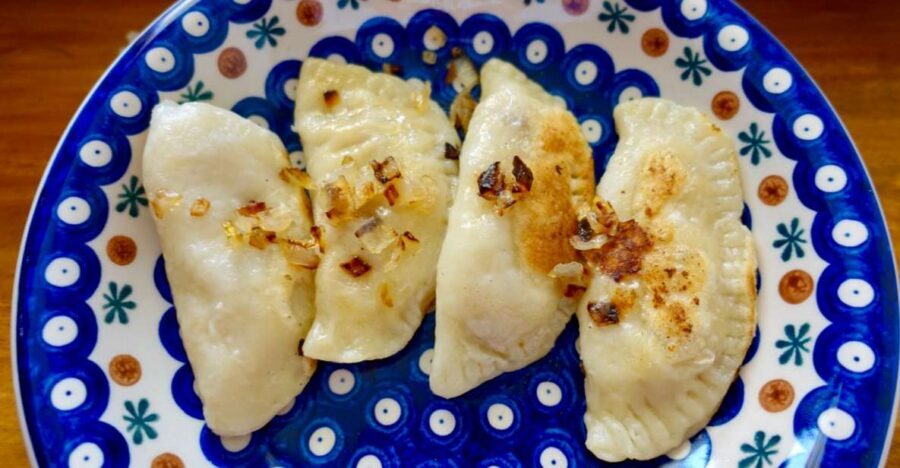
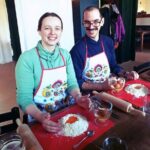
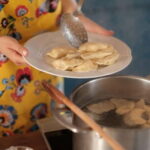
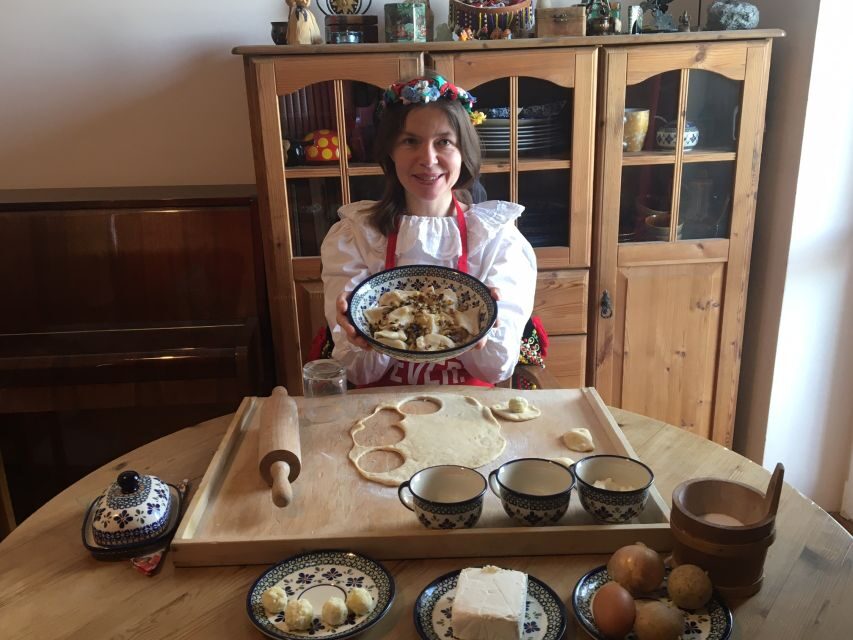
Back at the cook’s apartment, the day becomes pure hands-on work. The class is described as learning 3 authentic Polish recipes, with pierogi as the first focus. That order makes sense. Pierogi teach you the core muscle memory—dough texture, filling portioning, and proper folding—so the later dishes benefit from the technique you just built.
Here’s what you can expect in the kitchen:
- You’ll prepare fresh, high-quality ingredients that don’t require complicated tricks.
- You’ll cook with guidance while learning the techniques behind Polish-style flavor.
- You’ll learn by doing—rolling, filling, and assembling until you feel confident.
The class also includes Polish music during cooking, which can be small, but it changes the mood. Instead of a sterile teaching space, you’re in a lived-in home rhythm.
Also, the group size is limited to 6 participants. That matters when you’re learning dumpling-making. In larger groups, you spend more time waiting. Here, you’re more likely to get direct support while your pierogi are still on the table, not an hour later.
Snack Time Before You Cook: Pickles, Sausage, and Oscypek
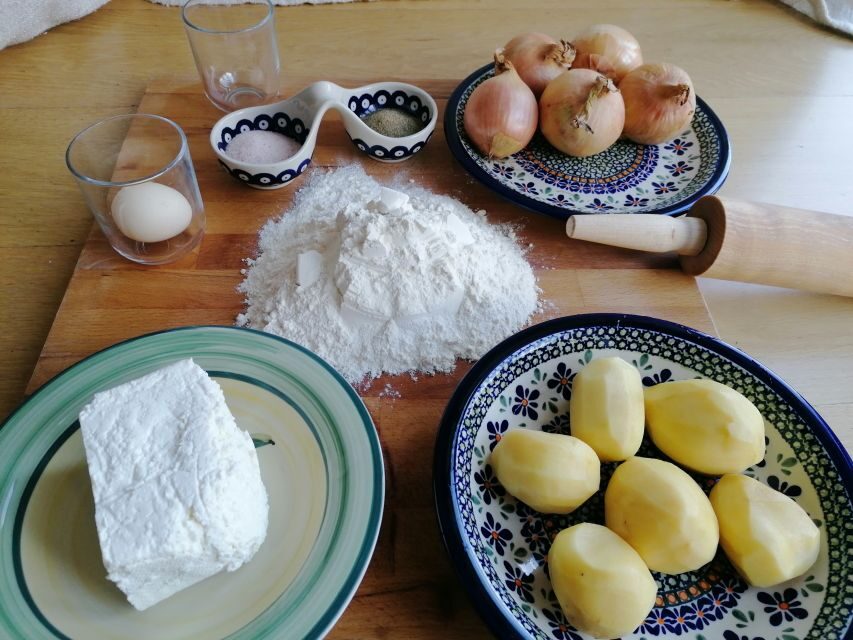
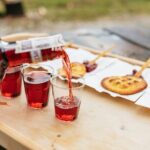
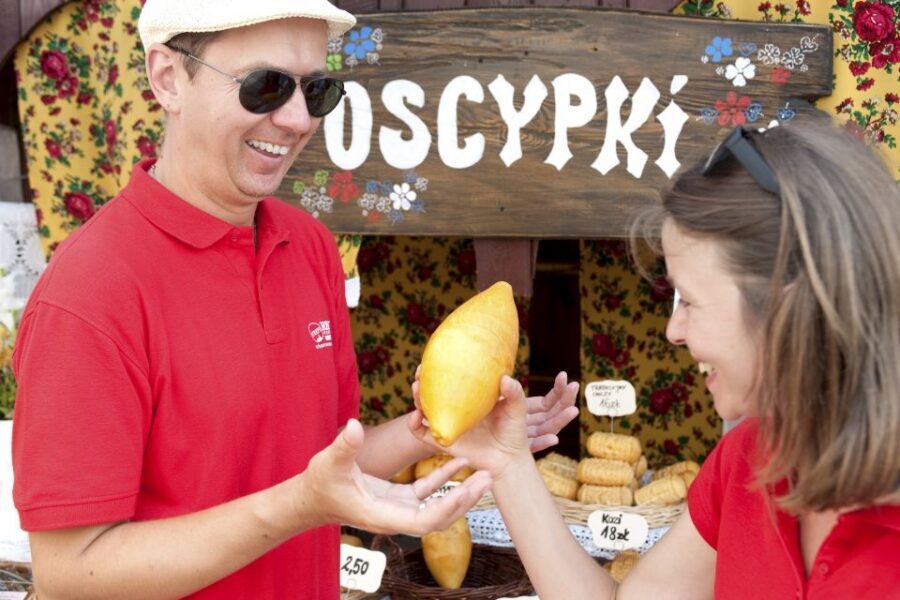
Before you’re deep in the rolling and folding, you’ll get a selection of Polish snacks, including pickled cucumbers, sauerkraut, kabanos (dried sausage), and oscypek cheese. These aren’t random extras. They help frame Polish food flavors and textures—salty, sour, and smoky—so you taste your way into the meal rather than starting from blank.
This also helps you settle in. Home cooking classes can feel intense at the start, especially if you’re hungry and anxious to begin. Having snacks and drinks ready makes it smoother.
Included beverages are water, tea, and coffee throughout, plus Polish beer with your meal. If you’re someone who likes food culture in practical form—what locals eat with what—you’ll probably enjoy the pacing.
A few more Krakow tours and experiences worth a look
The 3-Course Meal and Polish Beer Pairing
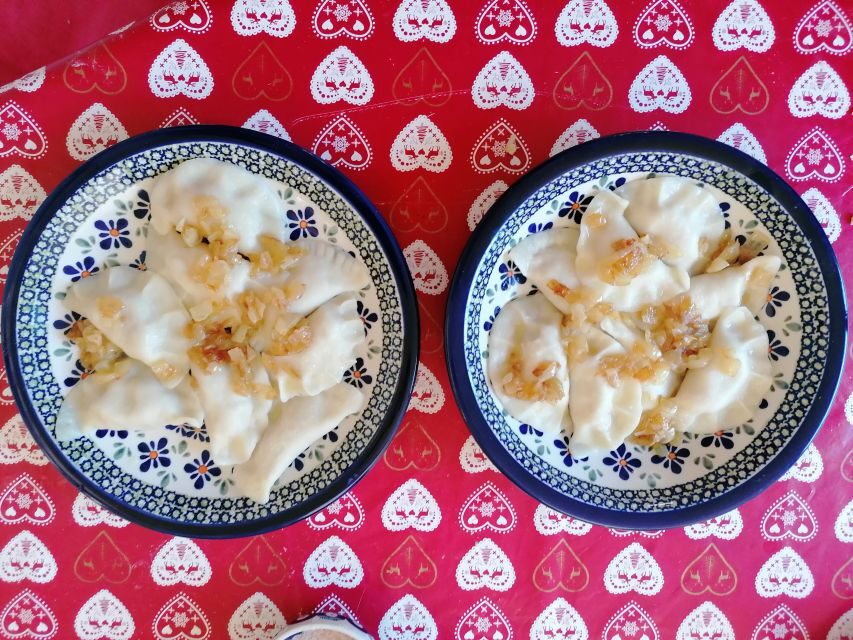
After cooking, you get to enjoy the results as a proper meal. The class includes a 3-course meal made from the dishes you learned, paired with Polish beer. That’s a big value point because the class isn’t only about learning. It’s also about eating well.
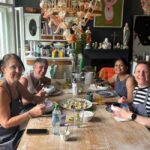
You’ll sit down and dine on what you prepared, and the experience is described as eating with the family. That doesn’t mean you’ll be expected to perform or know everything about Polish etiquette. It means the meal is treated like a normal home moment, not a staged conclusion.
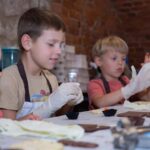
The family-style vibe can also make it friendlier for different group dynamics. One review specifically called out Paula being patient with 9-year-old twins while coaching them through pierogi making. If you’re traveling with kids and want an activity that doesn’t feel like a lecture, that kind of patience can be a real plus.
Price and Logistics: Is $108 Worth It?
$108 per person sounds steep until you break down what’s included. This class bundles together:
- a live English-speaking guide,
- public transport to the guide’s home,
- all ingredients and utensils,
- Polish snacks (including specific items like kabanos and oscypek),
- pierogi practice,
- 3-course meal,
- Polish beer,
- and water/tea/coffee.
When you compare that to paying for ingredients, cooking instruction time, and then a full sit-down meal, the price starts looking more reasonable. You’re basically paying for coaching and convenience, plus the market experience.
The small group size (max 6) is also part of the value. You’re more likely to get individualized help with dough and filling, which is the part that actually determines whether your pierogi come out well.
Timing is another part of the cost equation. The class runs about 4 hours, and you can check availability to see starting times. If your day is packed with long sightseeing blocks, this is a good “reset.” You’ll still be in Krakow, but your energy will go into cooking, tasting, and learning.
Who Should Book This Class (and Who Might Not)
This class is a great fit if you want:
- a food-centered Krakow experience beyond restaurant hopping,
- a hands-on skill you can repeat at home,
- shopping that includes Polish phrases and a bit of haggling,
- and a meal that feels like it belongs to someone’s real kitchen.
It’s also ideal if you learn best by doing. Pierogi require muscle memory, and the class format is built for that.
Who might consider skipping or choosing a different option:
- If you need wheelchair access, this isn’t suitable.
- If you strongly dislike markets or bargaining, the market portion could feel like extra work instead of fun.
- If you have very limited time, a 4-hour block may not fit easily, even though it includes transport and dinner.
Should You Book This Krakow Pierogi Home Cooking Class?
Book it if you want more than a recipe. You’re getting a full cycle: market shopping with Polish language practice, then three recipe lessons that end with a sit-down meal paired with beer. It’s a smart way to spend a half-day in Krakow because you leave with both food skills and memories tied to specific ingredients you selected.
Don’t book it if your priority is a quick, low-effort activity where you mainly watch and leave. This is hands-on, and it involves walking around the market and cooking in a home environment.
If you’re on the fence, ask yourself one question: do I want to cook pierogi like a repeatable home recipe, or do I just want to eat them once? If the first answer is yes, this class is set up for exactly that.
FAQ
Where does the class meet?
You meet your guide outside the bookshop Pod Globusem, at the corner of Dluga and Basztowa.
How long is the cooking class?
The experience lasts about 4 hours. Starting times depend on availability.
What’s the group size?
It’s a small group limited to 6 participants.
What will I cook during the class?
You’ll learn how to make pierogi and also cook 3 authentic Polish recipes total.
Is the meal and drink included?
Yes. Your ticket includes a 3-course meal, Polish beer, and also water, tea, and coffee.
Is the class wheelchair accessible?
No, it’s not suitable for wheelchair users.
Can I get a refund if my plans change?
Yes. You can cancel up to 24 hours in advance for a full refund.