REVIEW · WROCLAW
Wroclaw: Day of WW2: Riese, Gross-Rosen, Ksiaz Castle
Book on GetYourGuide →Operated by Best City Tours sp. z o.o. · Bookable on GetYourGuide
WW2 hides in the hills around Wrocław. This long, focused day tour strings together Riese/Osówka, Gross-Rosen, and Książ Castle, so you get both the ambition and the brutality of the era in one outing. I especially like how the small group format keeps things manageable, and I love that you don’t just see places—you get guided context plus English audio support at the key stops. One thing to consider: the subject matter is heavy, and the underground portions can make audio-following a bit more challenging.
I went into this day thinking it would be a checklist. Instead, the best moments are the ones where you can connect the dots: the planned underground works, the camp’s labor machine, and the later construction ambitions tied to the same broader Nazi program. With a maximum of 8 people and pickup from your Wrocław hotel, it’s also straightforward in practice, with driver support and a smooth rhythm throughout.
In This Review
- Key things I’d prioritize before you go
- A Wrocław WW2 circuit that actually makes sense
- Osówka Complex and the Riese underground city: what to watch for
- Gross-Rosen in Rogoźnica: understanding forced labor without losing your footing
- Książ Castle above the Pelcznica River: WWII ambitions in a stunning setting
- The rhythm of the day: private transport, small group, and how audio really plays
- Price and value: what $279 buys you in real terms
- Who should book this WWII day in Wrocław?
- Should you book this tour?
- FAQ
- What’s the meeting point for this tour?
- How long is the tour?
- How many people are in the group?
- What languages are offered?
- Which WWII-related sites are included?
- Is transport included?
- Is trip insurance included?
- Is the tour good for English speakers?
- Can I cancel last minute?
Key things I’d prioritize before you go
- Small group (8 max): easier questions and fewer interruptions during sensitive, information-heavy stops.
- Two layers of interpretation: live English guiding plus audio guides in English, German, and Russian.
- Osówka’s Riese project: a place tied to Nazi planning between 1943 and 1945, with still-unrevealed mysteries.
- Gross-Rosen’s purpose-built cruelty: harsh penal work in quarries and the motto Vermichtung durch Arbeit.
- Książ Castle’s unusual setting: a major Polish castle on a cliff above the Pelcznica River, with WWII building activity tied to Hitler’s paramilitary organization.
- Helpful guide/driver energy: guide Jakob and driver Jakub stand out in reviews for making the day feel well run.
A Wrocław WW2 circuit that actually makes sense
This is one of those trips where the order matters. You start with the Osówka Complex area tied to the Nazi German project code-named Riese (1943–1945). Then you shift to Gross-Rosen—the largest Nazi-German concentration camp in Lower Silesia—where the regime’s plans turn into real suffering. Finally, you end at Książ Castle, which sits in a dramatic setting and connects to WWII-era construction ambitions associated with Hitler’s paramilitary organization.
That combination is the value here. A standalone camp visit can feel “stuck in one place.” A castle visit alone can turn into architecture talk. But stitch them together and you start to see a pattern: secret projects, forced labor, and major headquarters building efforts. You’ll notice how the geography supports the story—from hills and underground works to a quarry-driven camp to a powerful fortress-like residence.
This is also a day that moves. At 10 hours, it’s not a slow museum crawl. Plan for walking on uneven ground and spending long stretches concentrating, especially when you’re hearing layered information through audio. If you like history but also prefer your learning organized and guided, this format fits well.
You can also read our reviews of more tours and experiences in Wroclaw.
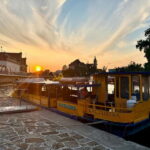
Osówka Complex and the Riese underground city: what to watch for
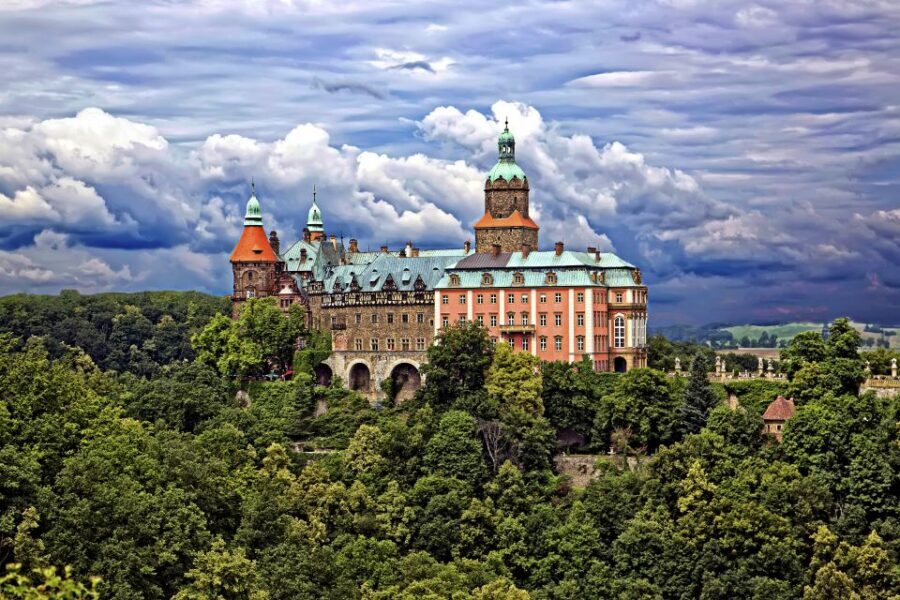
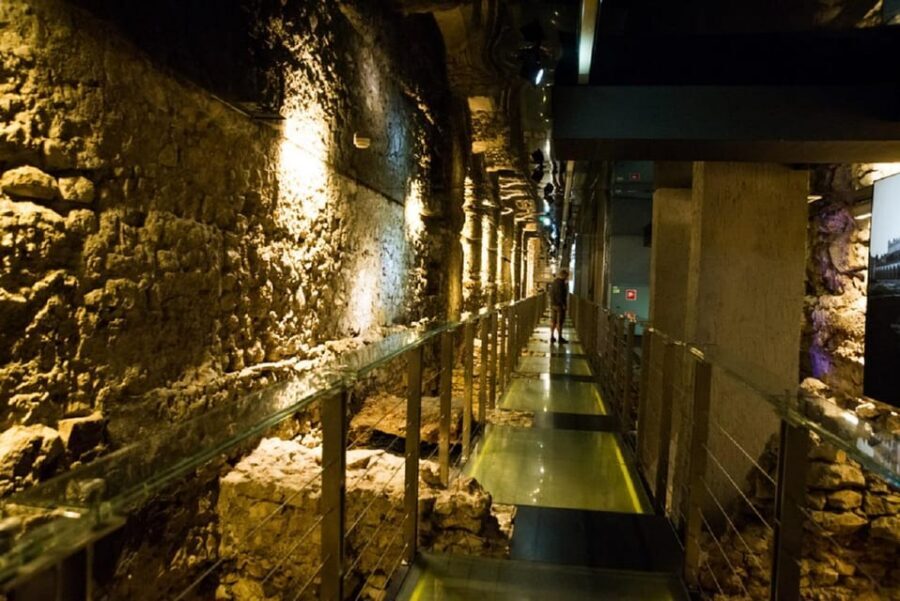
The Osówka Complex is part of the Nazi project known as Riese, run between 1943 and 1945. The standout promise isn’t just that it’s underground. It’s that the underground city remains mysterious, with not all of its secrets revealed. That uncertainty matters because it keeps the visit from feeling like you already know what’s inside.
Here’s how I’d approach it so it sticks:
- Look for the logic of concealment. Underground works weren’t only about building space. They were about hiding plans and concentrating resources away from normal oversight.
- Pay attention to the anti-Nazi angle. One of the highlights is visiting the place where a secret movement against the Nazis was born. Even if you don’t remember every detail from the guide, this framing helps you see resistance as part of the same WWII ecosystem, not just a side note.
- Use the audio like a tool, not background. Reviews mention that the English audio at parts of Riese can be harder to follow at times. My advice: start the headset, set a comfortable volume, and when something feels confusing, focus on what the guide is saying live rather than trying to multitask.
Riese is also the most “interpretation-dependent” stop. The setting is complex, and the underground atmosphere tends to make it harder to track the full storyline if you’re listening only passively. If you’re the type who likes to understand the big picture, you’ll do well here—just don’t expect a perfectly linear narrative every minute.
Still, this is the stop that gives the trip its unique flavor. Gross-Rosen and Książ are powerful and easier to frame. Riese is the one that feels like stepping into a question. You’ll come away thinking about how much planning went into structures the public never got to see clearly during the war—and how much remains unclear even now.
Gross-Rosen in Rogoźnica: understanding forced labor without losing your footing
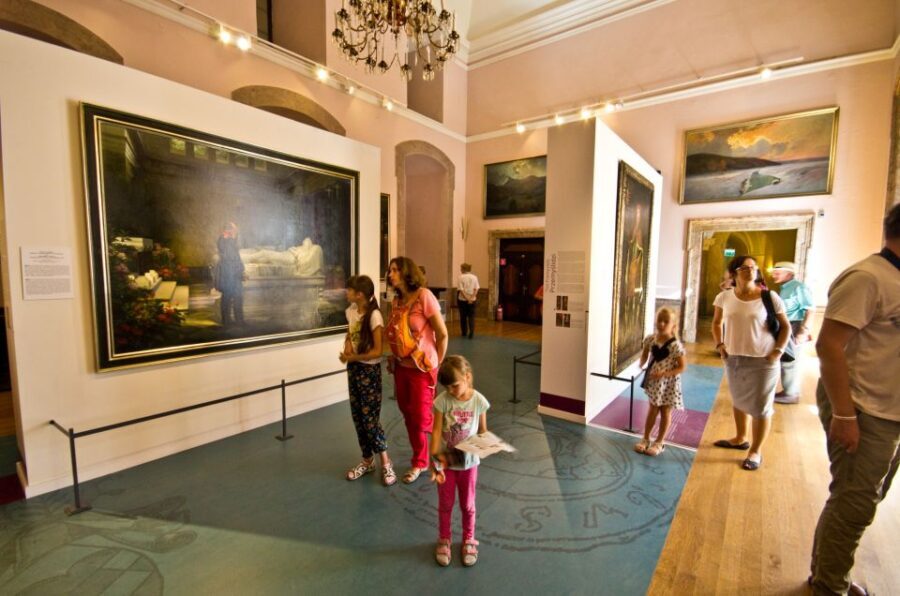
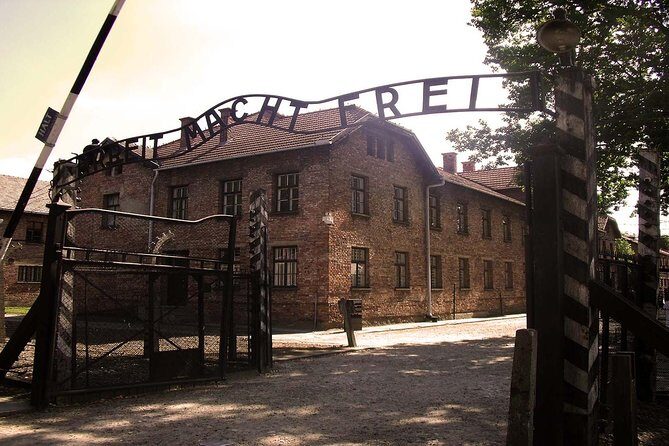
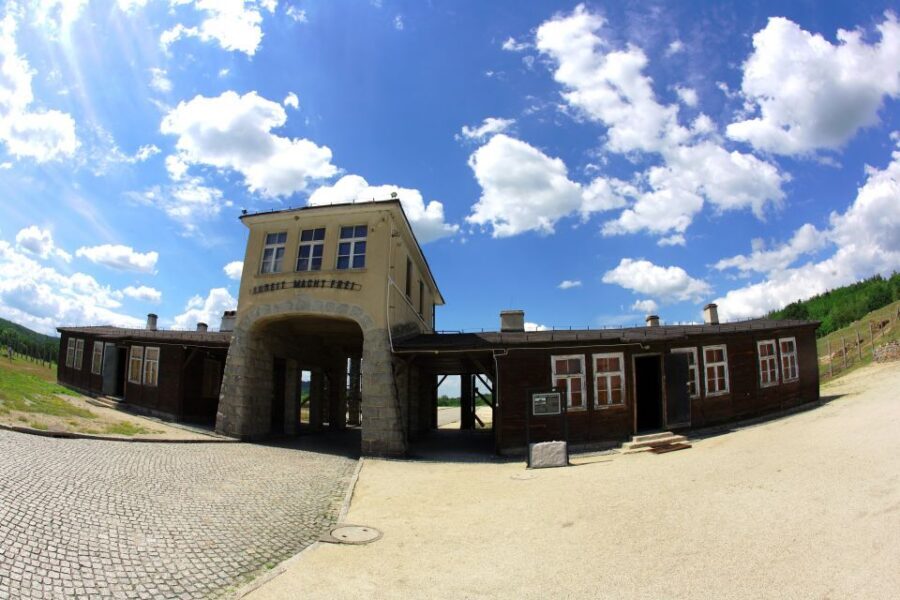
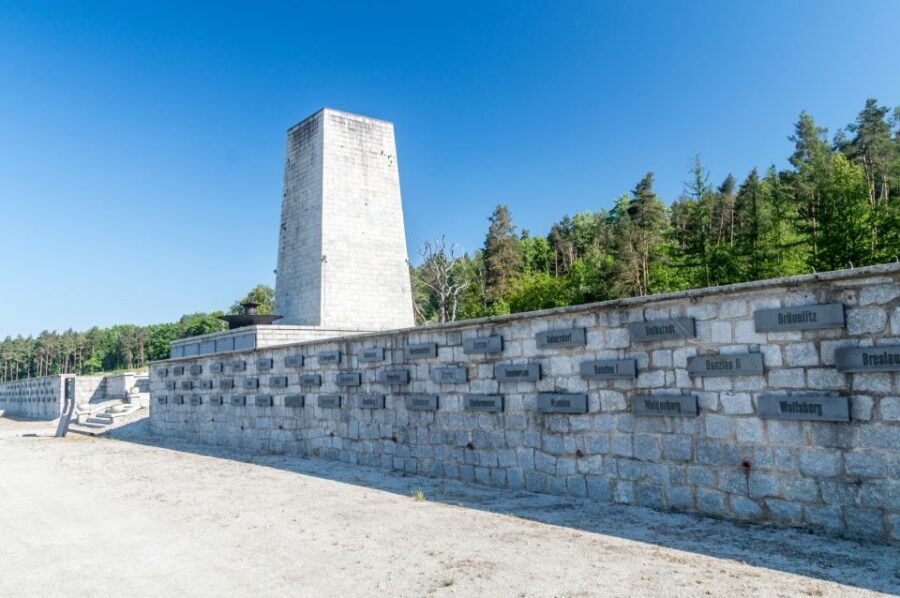
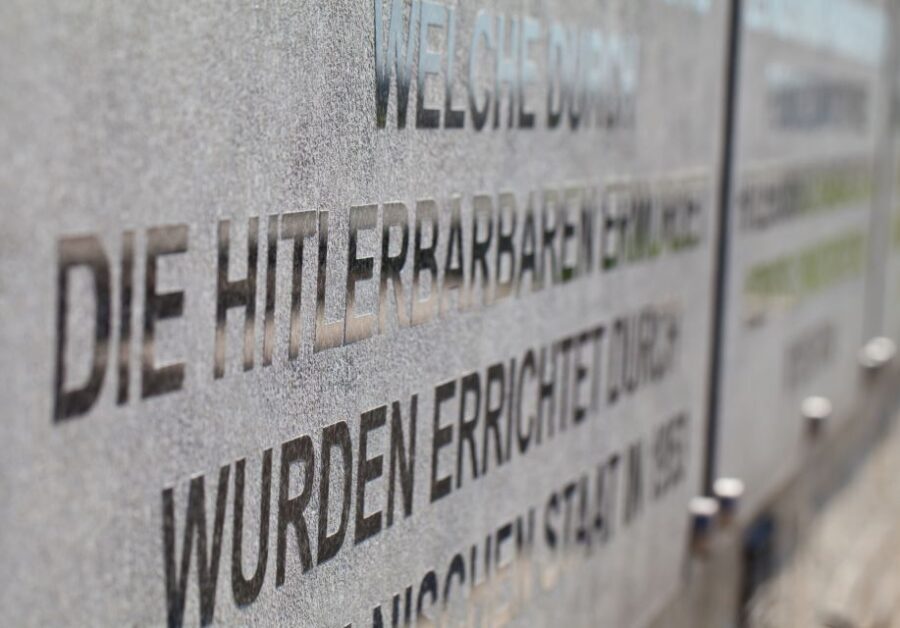
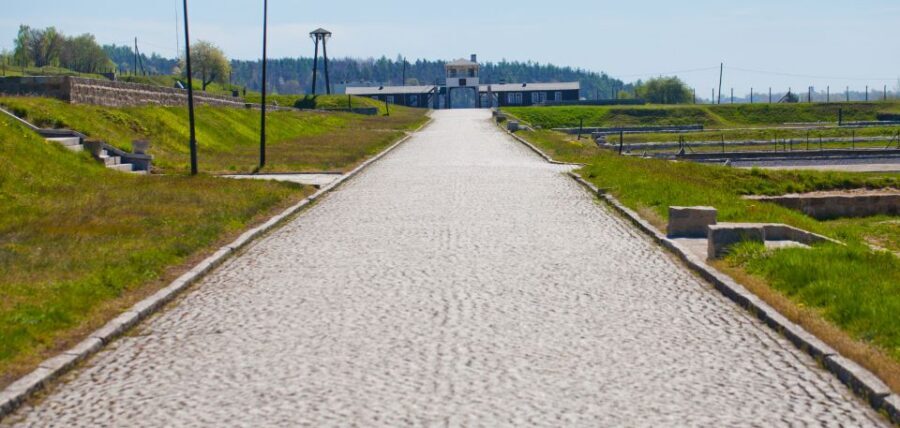
Gross-Rosen (in Rogoźnica) is the heaviest visit on the day. It’s described as the largest Nazi-German concentration camp in Lower Silesia, and the key feature for understanding it is the system of punishment through work—particularly penal labor in the quarries.
Two details are especially important:
- The motto: Vermichtung durch Arbeit (Annihilation through work).
- The scale of death: around 40,000 prisoners died here, including Poles, Jews, Russians, French, and Hungarians.
That motto isn’t just a slogan. It explains how the camp functioned: labor wasn’t incidental; it was the mechanism used to destroy people. When your brain tries to turn everything into “site seeing,” that motto is a good reality check. It forces the story back toward intent and method.
What I like about this stop is that it doesn’t only present suffering as a general concept. It connects location and function. Quarries make the idea painfully concrete. You can visualize how a quarry setting turns human bodies into work units, and how that “efficiency” is exactly what made the system so cruel.
Practical note: you’ll likely be walking and spending time absorbing serious material. If you need a mental reset, use it where you can. Just don’t treat it like an optional break in the day. This isn’t a romantic stop. It’s a responsibility stop.
If you’re comparing experiences, one review specifically praises how Gross Rose was handled well with strong English audio guides. That matters because audio support can make the difference between a visit that feels organized and one that feels like scattered facts. Here, you’re more likely to stay oriented and get the context you came for.
Książ Castle above the Pelcznica River: WWII ambitions in a stunning setting
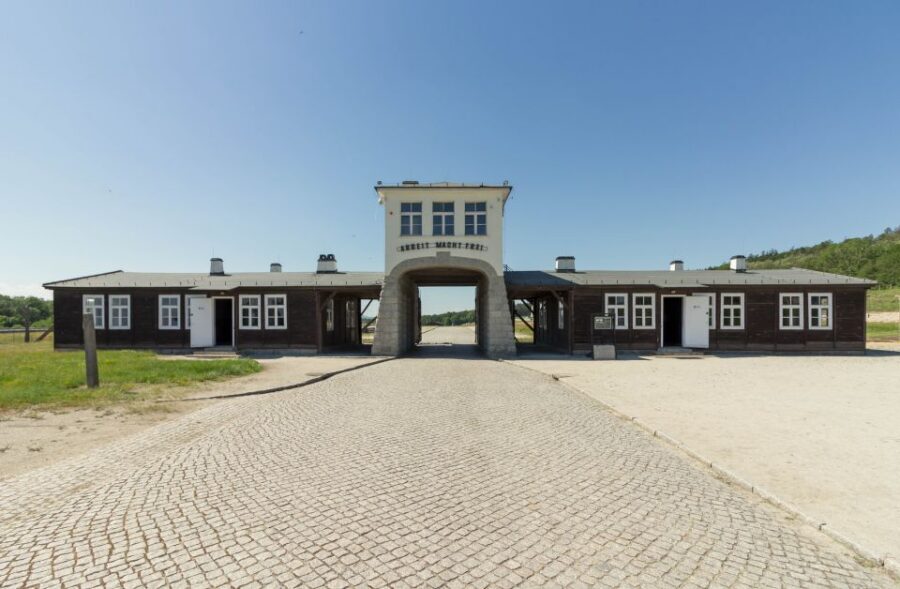
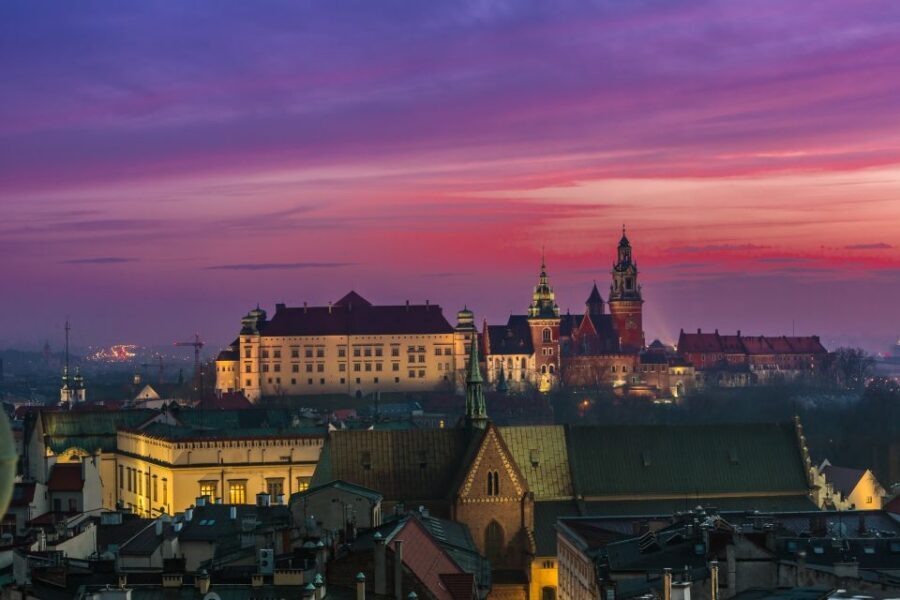
Then you shift from quarries and confinement to stone and views. Książ Castle is the third-biggest castle in Poland, perched on a rock cliff beside the Pelcznica River. It sits at 395 meters above sea level and is surrounded by forest, which is why you may hear it called the Pearl of Lower Silesia.
The question on this stop isn’t only what the castle looks like. It’s what it was used for during WWII. In 1943, Hitler’s paramilitary organization began building one of his main quarters here. The castle’s prominence in this story makes sense: a fortress-like site, a commanding location, and the kind of infrastructure that can support large-scale planning.
How to enjoy it without turning away from the darker context:
- Let the setting teach you the strategy. High ground and strong walls are part of why the place was attractive for major headquarters building.
- Watch for connections to the Riese objects nearby. The WWII-building activity at Książ is linked with other Riese complex sites near Osowka and Włodarz. That thread makes the trip feel like one story, not three separate Wikipedia entries.
- Take in the views, then come back to the facts. The scenery can be stunning, but the guide’s framing keeps the visit grounded in what was happening there in 1943 onward.
Reviews praise how Książ Castle was done well, with good English audio guides. That’s a practical win for you. At the end of a long day, you’ll want audio that helps you keep the timeline clear, especially when you’re tired. This stop has that advantage.
One more note: because this is a castle on a cliff, expect uneven paths and stone surfaces. Wear shoes you trust. Save your “cute-but-risky” footwear for another day.
The rhythm of the day: private transport, small group, and how audio really plays
Everything about this tour is designed to reduce friction. You’re picked up from your hotel/apartment in Wrocław, you travel by private vehicle, and you return to the same area when the 10 hours are up. That’s a big deal if you don’t want to spend your day coordinating buses, parking, and transfers while carrying a heavy subject in your head.
The group size is capped at 8 participants. In practice, that matters most when your guide is trying to manage questions and keep everyone oriented. It’s easier for the guide to slow down when someone needs clarity. It’s also easier for you to hear live explanations without constant audio chaos.
Speaking of audio: you get an audio guide in English, German, and Russian on top of a live English guide. Reviews give a mixed picture of how consistently the English audio lands at Riese, but the overall trip stays strong because the live guide and the other two stops are described as clear and well structured.
Here’s a tip that makes a big difference: if your headset struggles at one stop, don’t force it. Follow the guide’s voice and only use the audio to confirm dates, names, and the big storyline. That’s the smart way to keep the experience coherent.
Also, the driver support matters. In reviews, Jakub is singled out for being helpful and answering questions. One detail I especially appreciate from the feedback: he provided restaurant recommendations for your stay. That’s a small kindness after a long day where your “what’s for dinner” brain turns on fast.
Price and value: what $279 buys you in real terms
At $279 per person for about 10 hours, this isn’t a budget day trip. But it’s also not paying for fluff. You’re paying for a full circuit: hotel pickup and drop-off, private vehicle transport, a live English guide, audio guides, trip insurance, and all taxes and fees.
To judge whether it’s value for you, break it down like this:
- You save time and stress versus DIY planning across three locations in the Lower Silesia region.
- You’re getting guided interpretation, not just access to sites.
- You’re touring a concentration camp and WWII-related sites where context is genuinely important.
If your travel style is “I want to understand what I’m seeing,” the price starts making sense. If your travel style is “I just want photos and I can read later,” you might feel the cost more sharply—especially given that some parts of the underground stop may feel complex.
My balanced take: for an organized small-group day that handles transport and interpretation for sites this far apart, $279 is reasonable. You’re not just buying entry tickets. You’re buying orientation, translation support through audio, and a day that runs like clockwork.
Who should book this WWII day in Wrocław?
This tour is a strong fit if you:
- want a single day that connects Riese, Gross-Rosen, and Książ into one coherent WWII theme
- prefer small group comfort and the chance to ask questions
- care about interpretation as much as the physical sites
It may be less ideal if you:
- get overwhelmed by heavy topics and need lots of personal space to process
- dislike audio-dependent tours, especially at complex underground sites
- want a deeply slow pace with minimal walking
If you’re in the “I like history, but I don’t want chaos” category, you’ll likely feel at home. The guide-led structure is the point. Even when the underground stop is tricky to follow, the day’s organization helps you keep the story intact.
Should you book this tour?
Yes, if you want a guided, small-group WWII day that covers three major Lower Silesia sites with strong context. The best reasons to book are the tight combination of Riese/Osówka, Gross-Rosen, and Książ Castle, plus the fact that English live guiding and audio support are built into the experience.
I’d book it with a simple mindset: you’re here to understand how plans, labor, and power shaped what happened in this region. Go in with sturdy shoes, expect a serious tone, and give yourself permission to slow down mentally where you need to.
If that sounds like your kind of day, you’ll probably feel satisfied by the full circuit. And if you value smooth logistics—pickup, private transport, and a guided flow—this one is hard to beat.
FAQ
What’s the meeting point for this tour?
It meets at your hotel or apartment in Wrocław.
How long is the tour?
The duration is 10 hours.
How many people are in the group?
It’s a small group limited to 8 participants.
What languages are offered?
There’s a live tour guide in English, and the audio guide is available in English, German, and Russian.
Which WWII-related sites are included?
You’ll visit the Osówka Complex (Riese), Gross-Rosen, and Książ Castle.
Is transport included?
Yes. It includes transport by private vehicle, plus hotel pickup and drop-off in Wrocław.
Is trip insurance included?
Yes, trip insurance is included.
Is the tour good for English speakers?
Yes. The live guide is English, and there’s an English audio guide as well.
Can I cancel last minute?
You can cancel up to 24 hours in advance for a full refund.