REVIEW · KRAKOW
Krakow : Old Town Walking Tour With A guide
Book on GetYourGuide →Operated by Guydeez Tours · Bookable on GetYourGuide
Krakow becomes readable on foot. This Krakow Old Town walking tour is a practical way to connect the big sights (think St. Mary’s Basilica and Cloth Hall) with the streets and stories you’d miss on your own. I also like that you get private, customizable attention from an English-speaking guide, not a one-size speech. One consideration: it’s a tight 2-hour format and there’s no food or drinks included, so you’ll want to plan a break on your own.
What I really like is the way the guide makes the city feel navigable—pointing out what’s worth photographing, where to slow down, and what to skip later. In the past, guides such as Magdalena, Bruno, and Urszula have been praised for clear, lively explanations and good humor, which matters when you’re walking block after block. If you’re the type who loves asking questions, you’ll leave with a stack of ideas for the rest of your Krakow day.
In This Review
- Key highlights to know before you go
- Getting oriented in Old Town, starting near Szpitalna
- Town Hall Tower: the view that helps everything click
- St. Peter and St. Paul: baroque drama on the move
- Around the Main Market Square: where the city’s center lives
- Cloth Hall and St. Mary’s Basilica: the big Gothic magnet
- Ulica Floriańska and Ulica Kanonicza: street names that tell you where to look
- Wawel Royal Castle precincts: cultural gravity in the background
- Church of St. Adalbert and the Museum of Krakow: older stones, layered meaning
- Wyspianski Pavilion and Pijarska: the route’s character moments
- What you learn beyond landmarks (and how to use it)
- Price and value: $29 for a private, guide-led orientation
- Is this Krakow Old Town walking tour for you?
- FAQ
- FAQ
- Where does the tour start?
- How long is the Krakow Old Town walking tour?
- Is the tour private?
- What languages is the guide available in?
- Is the tour wheelchair accessible?
- Is public transport included?
- Is food or drink included?
- Should you book it?
Key highlights to know before you go
- Private and customizable: you can shape the pace and focus toward what interests you most.
- UNESCO Old Town orientation: you see the main photo-worthy landmarks plus surrounding streets.
- English-speaking guide (also French and Spanish options): explanations are built for real understanding, not just dates.
- Photo stops + guided visits: you get time to look, not just pass by.
- Ticket help: the team can assist with booking for the visits you want to include.
- Wheelchair accessible: the tour is designed to be navigable for mobility needs.
Getting oriented in Old Town, starting near Szpitalna
The meeting point is in a central Old Town area around Szpitalna (one version lists Szpitalna 30; another mentions meeting at a Kraków Centrum location near Grodzka 21). Either way, you’re dropped into the right neighborhood for a fast orientation walk—close to the lanes that connect Krakow’s landmarks.
From the start, the tour style is simple: walk, stop, look, and ask. You’ll get guided time at key points, plus photo stops that help you capture the scenes you’ll remember later. This is especially useful in Krakow because the Old Town feels like a maze until someone shows you the logic: which streets lead to which squares, and how the city’s architectural mix tells its own story.
Practical note: wear comfortable shoes. You’re on foot for the whole experience, with some help from public transport included depending on the option you choose. So you’ll still want that walking stamina for the stops.
You can also read our reviews of more walking tours in Krakow

Town Hall Tower: the view that helps everything click
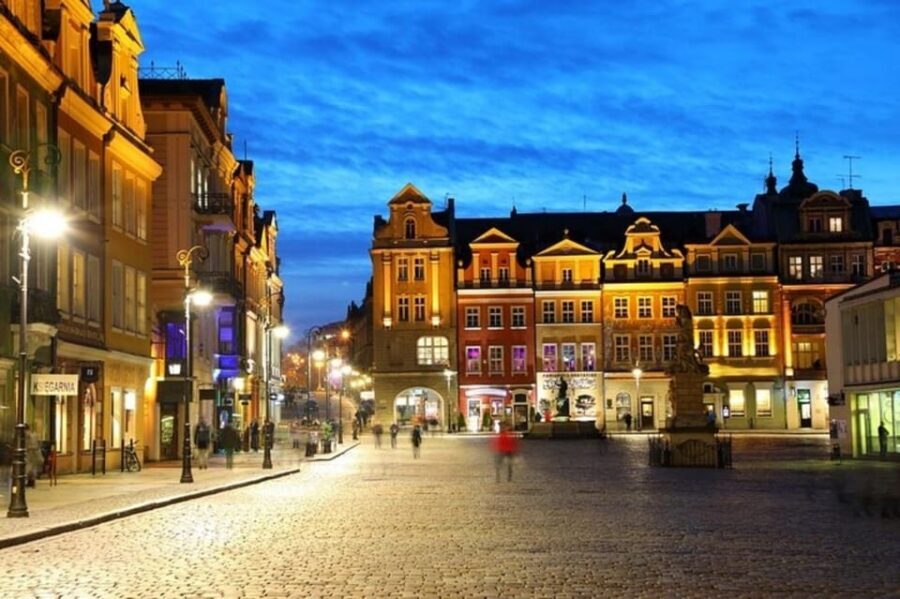
One of the first big moments is Town Hall Tower (Kraków), where you get both a photo stop and a guided visit. Even if you don’t go fully deep into the tower itself, the payoff is orientation. Standing above or near the square area helps you understand how the Old Town is laid out around Krakow’s central spaces.
This stop is also good for learning the “why” behind the skyline. The tower is tied to the civic identity of the city—an easy way for your guide to explain how Krakow organized power, commerce, and everyday life around the square. Then, when you move to the next locations, you’re not just collecting sights—you’re building a mental map.
A small drawback for some people: tower visits (and photo stops) can take longer if you’re a slower reader of details. The tour is still designed to keep you moving, so if you like lingering, I’d recommend telling your guide up front that you want extra time at a couple of stops.
St. Peter and St. Paul: baroque drama on the move
Next you’ll head to the Church of St. Peter and St. Paul, with another photo stop and guided visit time. This is one of those Krakow landmarks where the exterior and interior presence can feel like a conversation—your guide can help you see why it’s memorable and what styles and artistic choices were intended to communicate.
What makes this stop especially worth it on a guided walk is pacing. On your own, churches can blend together fast. With a guide, you’re more likely to notice the visual cues you’d otherwise miss: what faces where, how the light plays on surfaces, and what features are most characteristic of the church’s style.
Also, if you’re the kind of person who asks questions—What was happening in the city around this time? Why is the design like this?—this is a strong moment to do it. The tour format gives you real time at the stop, not just a quick glance from the sidewalk.
Around the Main Market Square: where the city’s center lives
You’ll spend time in and around Main Square (Rynek Główny), with a guided tour that includes photo stops and sightseeing time. This is Krakow’s central stage: the place where the streets, commerce, and everyday foot traffic have long intersected.
Even if you already know the famous name, the value of this tour is learning how the square connects to nearby sights without you needing to brute-force it with a map. Your guide can point out what to look for when you’re standing in the square and looking outward—directions, building relationships, and which nearby streets matter most.
If you want a tip that makes this stop more enjoyable: take a few minutes to look in different directions rather than snapping one hero photo and moving on. With a guide’s pointers, you’ll start seeing patterns: which facades dominate, where the pedestrian flow naturally pulls you, and how the square is designed to funnel you toward key landmarks.
Cloth Hall and St. Mary’s Basilica: the big Gothic magnet
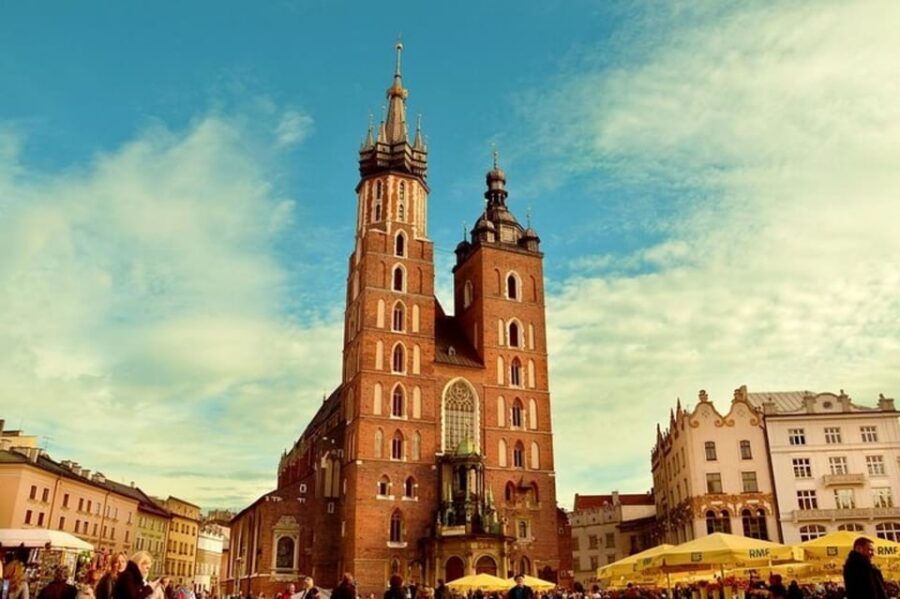
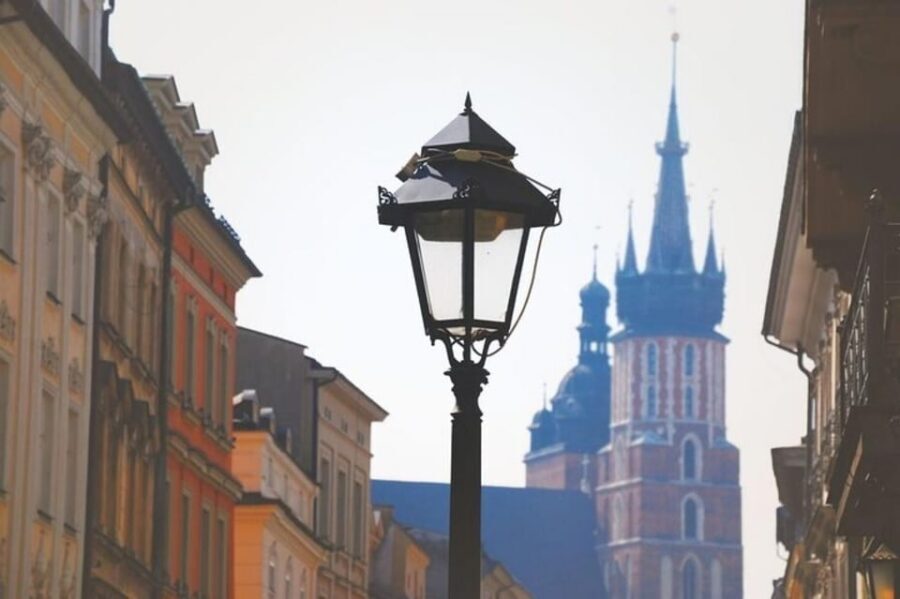
The tour’s highlights include St. Mary’s Basilica and the Cloth Hall, and for good reason. These two are among Krakow’s most recognizable symbols, and together they give you a strong “big picture” feel: one is a major Gothic church, the other is the focal point of the market life in the main square area.
Why I like them as a pair: they show two sides of the city’s identity at once—spiritual and civic/commercial. A good guide doesn’t just list features; they help you understand why these buildings mattered and what role they played in daily life. That’s what turns a sight-seeing session into actual comprehension.
One consideration: they’re popular. Even with guided pacing, you might spend moments in thicker crowds at the entrances or around photo hotspots. If you’re traveling in peak season, keep your expectations flexible and let your guide guide the timing so you’re not stuck waiting in the worst spots.
You can also read our reviews of more guided tours in Krakow


Ulica Floriańska and Ulica Kanonicza: street names that tell you where to look
A walk through Ulica Florianska and Ulica Kanonicza is a classic Krakow route, but it’s more meaningful with a guide. These are the kinds of streets where the details matter: old facades, turning viewpoints, and little structural clues that hint at what’s coming around the next bend.
What you get here is more than photos. You start learning how Krakow’s Old Town threads together. Your guide can explain which stretches are best for quick context, where the visual rhythm changes, and what landmarks you can expect if you follow the street line.
I also like the way these streets help you “read” the city. After seeing them with your guide, you’ll have an easier time understanding what you’re looking at later when you return on your own.
Wawel Royal Castle precincts: cultural gravity in the background
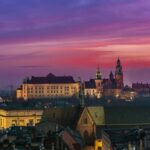
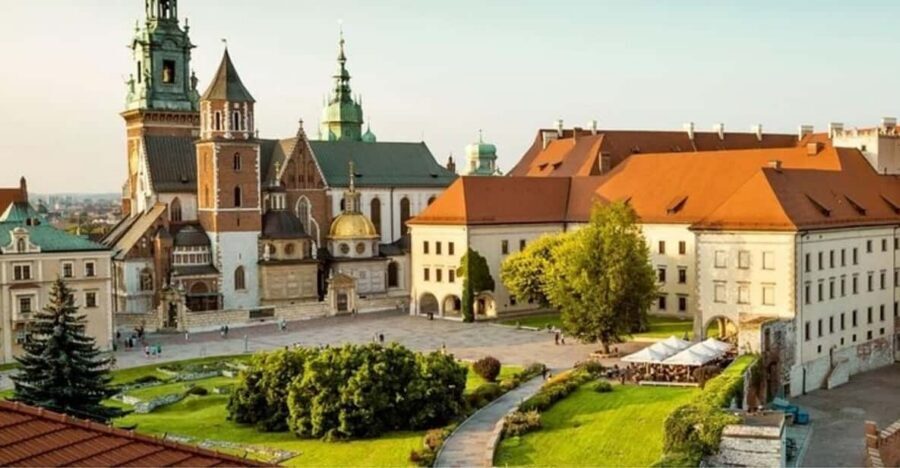
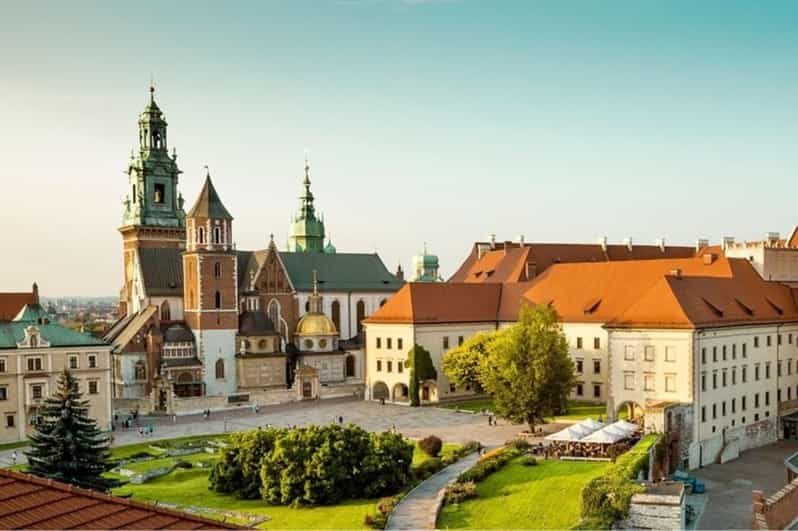
The tour includes the Wawel Royal Castle precincts, which function like a gravitational center for Krakow’s identity. Even if you don’t spend hours there, the value is the connection. You’re learning how the Old Town area relates to the castle area, and how Krakow’s story stretches across different zones of the city.
For many visitors, Wawel can feel like a separate trip because it’s so iconic. A walking tour that threads you through the connection spots makes it feel more integrated. You’re not just seeing an attraction; you’re learning how the city’s landscape and power centers relate.
What to keep in mind: castle-area time can be less about one single structure and more about how the precincts frame your views. If you enjoy architecture and street-level perspectives, this stop tends to land well.
Church of St. Adalbert and the Museum of Krakow: older stones, layered meaning
The route also includes the Church of St. Adalbert, described as among the oldest stone churches in Poland, plus landmarks such as the Museum of Krakow and Ulica Grodzka. This is a spot where your guide’s explanation makes a real difference.
Old churches can be tricky to enjoy without context. The architecture can look similar to other European centers until someone points out the specific traits and historical significance. With your guide, you’re more likely to notice what’s unique here and why it matters in Krakow’s timeline.
Also, the Museum of Krakow stop (as part of the walk) is useful because it cues you to what the city is preserving. Even if you don’t go inside during the tour, you now know what kind of stories the museum focuses on and what you might want to explore afterward.
Wyspianski Pavilion and Pijarska: the route’s character moments
You’ll also encounter the Wyspianski Pavilion and pass through streets like Pijarska, plus a stop near Hotel Floryan Old Town. These might not be the headline attractions, but they’re exactly the kind of in-between sights that keep the walk from feeling like a checklist.
Here’s why I think these moments are valuable: Krakow isn’t just monuments. It’s the feel of specific streets and the way the city’s look changes from one block to the next. Your guide can help you connect those details back to the main landmarks you saw earlier.
If you’re doing a first visit, these “character blocks” help you understand how to come back later and wander more confidently.
What you learn beyond landmarks (and how to use it)
One of the biggest practical benefits is the guidance you get on what else to do in Krakow. This is the part that can make or break a city trip. A great guide uses your interests—architecture, food, museums, day trips, photography—and turns them into a shortlist you can actually act on.
I love tours that do this because it saves you from the usual trap: spending hours planning instead of enjoying the city. After this one, you’re better set up for smart next steps because you’ve already built context: where things are, how long areas typically take, and what might be worth your time.
Also, the tour includes help booking tickets for the visits you want. That matters when a city has multiple attractions with different entry rules. Having a guide and support from the team can reduce the friction of planning while you’re standing in the Old Town.
Price and value: $29 for a private, guide-led orientation
At $29 per person for a walking tour lasting about 2 hours, the value depends on one thing: whether you want a guided story-driven route or you’re happy to wander with your own map.
If you like understanding what you’re looking at, this price makes sense because you’re paying for:
- An English-speaking guide (with French and Spanish options available)
- Private/customizable focus so you can go at your pace
- A route that covers major Old Town sights without you needing to connect every dot
If you’re traveling with someone who doesn’t care much about guided explanations, you might feel it’s not worth it. But if you enjoy asking questions—or you simply want your visit to feel coherent—this is a solid deal.
One more value point: the tour includes walking and public transport (depending on option), which helps keep distances manageable and keeps you from burning time figuring out logistics.
Is this Krakow Old Town walking tour for you?
Book it if:
- You want a first-time orientation to Krakow’s Old Town
- You care about seeing major landmarks and also understanding what connects them
- You like the idea of private, customizable attention rather than a crowded group tour
- You want a guide who can give you recommendations for the rest of your stay
Consider a different option if:
- You hate walking and prefer a sit-down museum-heavy plan
- You’re looking for long, slow time inside major interiors (this is a timed walking experience)
- You’re hoping for food included—drinks and food are not included
FAQ
FAQ
Where does the tour start?
The meeting point is listed in the central Old Town area around Szpitalna (including Szpitalna 30) and there is also a rendezvous reference near Grodzka 21.
How long is the Krakow Old Town walking tour?
The duration is listed as 2 hours.
Is the tour private?
A private group option is available, and the tour is described as private and customizable.
What languages is the guide available in?
The live tour guide is available in English, with French and Spanish options as well.
Is the tour wheelchair accessible?
Yes, it is listed as wheelchair accessible.
Is public transport included?
Public transport is included as part of the experience except if you select one of the option.
Is food or drink included?
No. Drink or Food is listed as not included.
Should you book it?
I’d book this tour if you want your Krakow first pass to feel organized and meaningful, not just photographed. The mix of UNESCO Old Town landmarks, guided explanations, and practical advice for what to do next makes the time feel efficient. At $29 for a private, guide-led walking format, it’s a strong value if you like understanding what you’re seeing—and if you’re traveling soon, it’s an easy way to get your bearings fast.