REVIEW · KRAKOW
Krakow: Old Town Private Guided Walking Tour
Book on GetYourGuide →Operated by PT Team · Bookable on GetYourGuide
One street can tell you a whole city. This private walk strings together Krakow’s biggest sights with stories you’ll actually remember. Two things I especially like: you start in the old-town core at Florian’s Gate and you finish with the fortress energy of the Barbican.
I also like that the tour builds themes, not just stops—university life, royal power at Wawel, and the city’s art and trade in the Market Square area. One thing to consider: it’s a walking tour with several major landmarks, so if you want to linger inside churches or pay for extra entrances, plan for that because entrances aren’t included.
In This Review
- Key highlights worth planning around
- Entering Krakow’s Old Town at Florian’s Gate
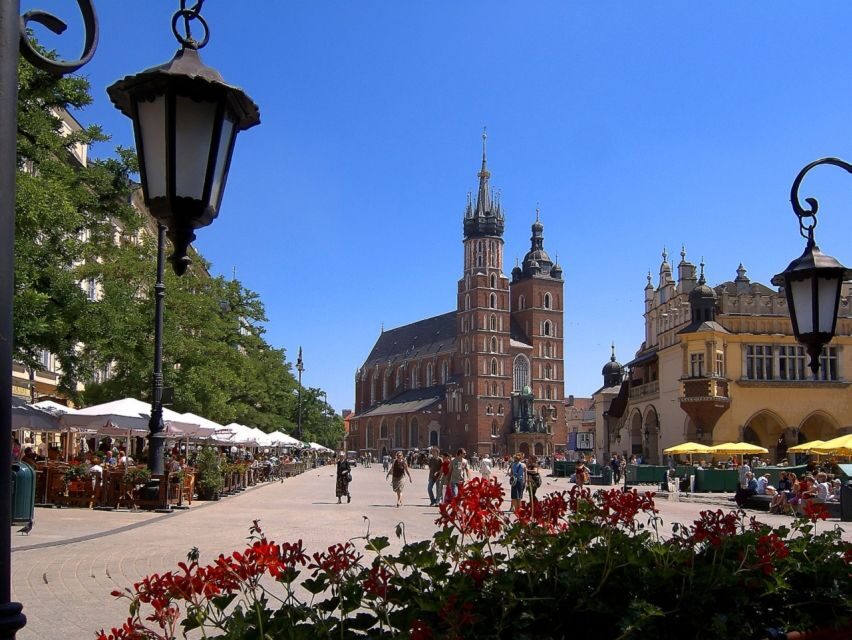
- Florianska Street and the Main Market Square: where Krakow shows off
- Collegium Maius and Jagiellonian University: learning Krakow through its oldest university
- Wawel Hill: royal tombs, catacombs, and the dragon story at the river
- St. Mary’s Basilica: Veit Stoss, the bugle call, and starry vaults
- Sukiennice Cloth Hall: souvenirs with a time machine feel
- Barbican and old defensive walls: the medieval mindset in stone
- Price and value: what $16 gets you (and what it doesn’t)
- Guides and pace: the difference between a walk and a story
- Who should book this tour (and who might want something else)
- Should you book the Krakow Old Town Private Guided Walking Tour?
- FAQ
- Where does the tour meet?
- How long is the tour?
- Is this a private tour?
- Are entrance tickets included?
- What languages are available for the live guide?
- Is the tour wheelchair accessible?
- What is the cancellation policy?
Key highlights worth planning around
- Florian’s Gate start with an easy, recognizable meeting point on Florian Street
- Florianska Street to the Main Market Square route that shows Krakow’s medieval street logic
- Jagiellonian University at Collegium Maius with context for Poland’s oldest university in the region
- Wawel Hill royal tombs and catacombs tied to the legend and the real timeline
- St. Mary’s Basilica details like the high altar by Veit Stoss and starry murals by Jan Matejko
- Barbican fortress and old city defensive walls for a different side of medieval Krakow
Entering Krakow’s Old Town at Florian’s Gate
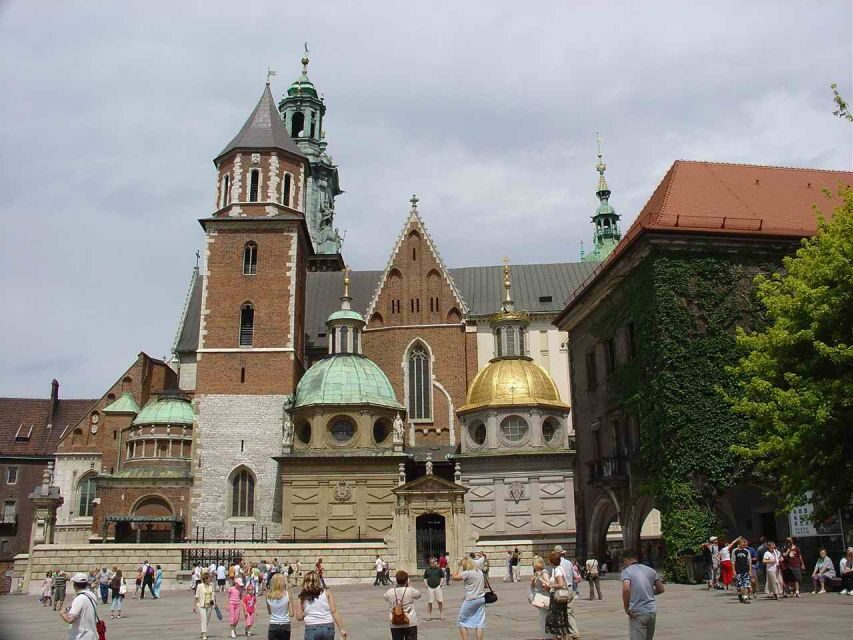
Your tour begins by the Florian’s Gate on Florian Street, and that matters more than it sounds. It’s a true doorway into the medieval layout. From there, you’re not just “seeing famous buildings,” you’re walking the same kind of path locals used when the city was smaller and much more defensive.
This is a private guided walking tour (so no mixing with strangers), and that usually helps with pace and questions. You’ll hear the kinds of details that make a street feel alive: why certain routes matter, how major buildings relate to the city’s center, and what people were likely doing there centuries ago. If you’re the type who likes turning the city into a story you can follow, this format fits.
You’ll also appreciate the multi-language options. Guides cover Spanish, Italian, Portuguese, English, German, Russian, and Polish, which makes it easier to get explanations that land without a lot of translation friction.
You can also read our reviews of more walking tours in Krakow

Florianska Street and the Main Market Square: where Krakow shows off
Florianska Street is famous for a reason. As you walk it toward the Main Market Square, you get a clear sense of how Krakow’s old civic life flowed—processions, meetings, trade, all stitched to the street grid. It’s one of those walks where the “architecture lecture” doesn’t stay abstract because you can see the street’s direction and scale.
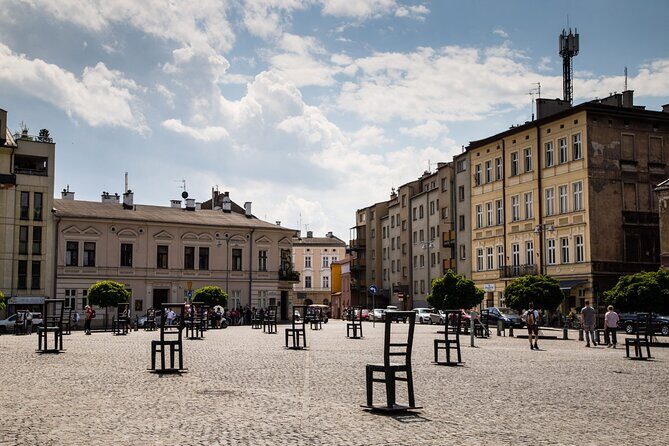
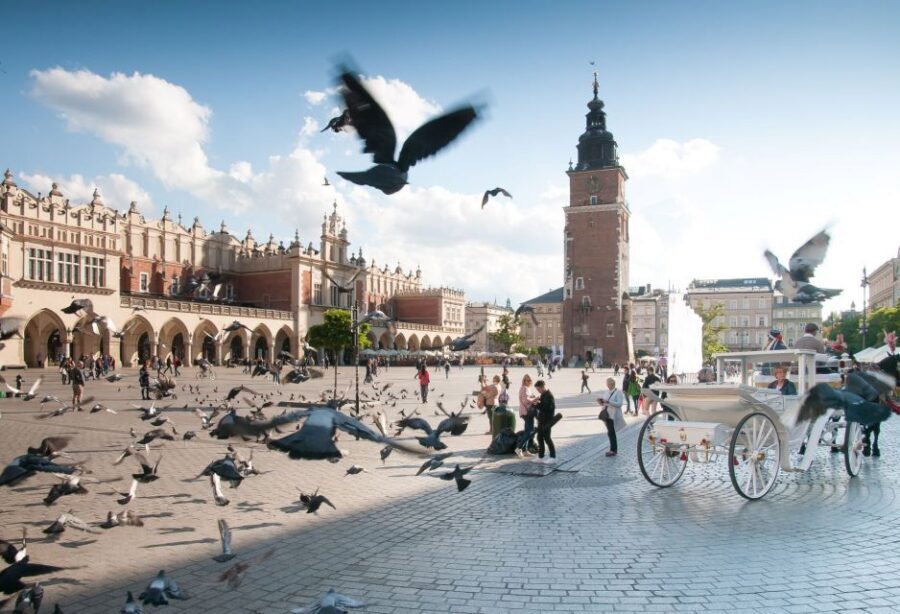
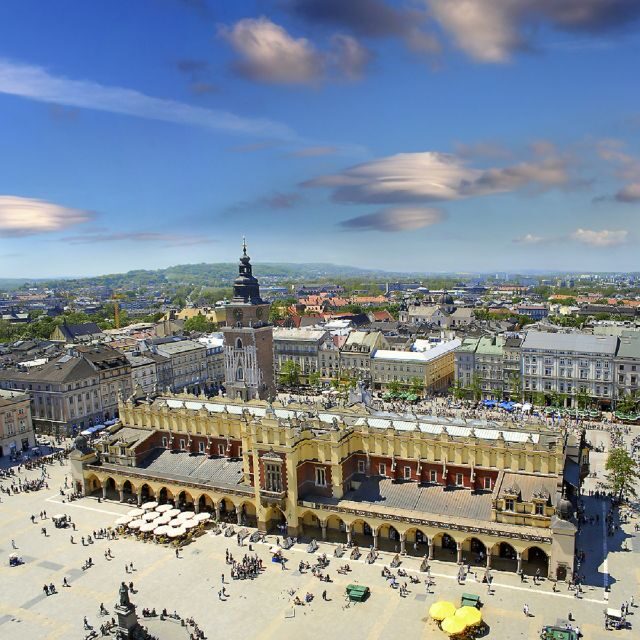
When you hit the Main Market Square, the space does what big squares are supposed to do: it gives you the scale of the city’s public life. This square was the stage for coronations and funeral processions of monarchs, so your guide’s stories help you look at it differently than if you only think of it as a place to eat. You’ll also have time to enjoy the mix of modern shops and restaurants while keeping the medieval role in your head.
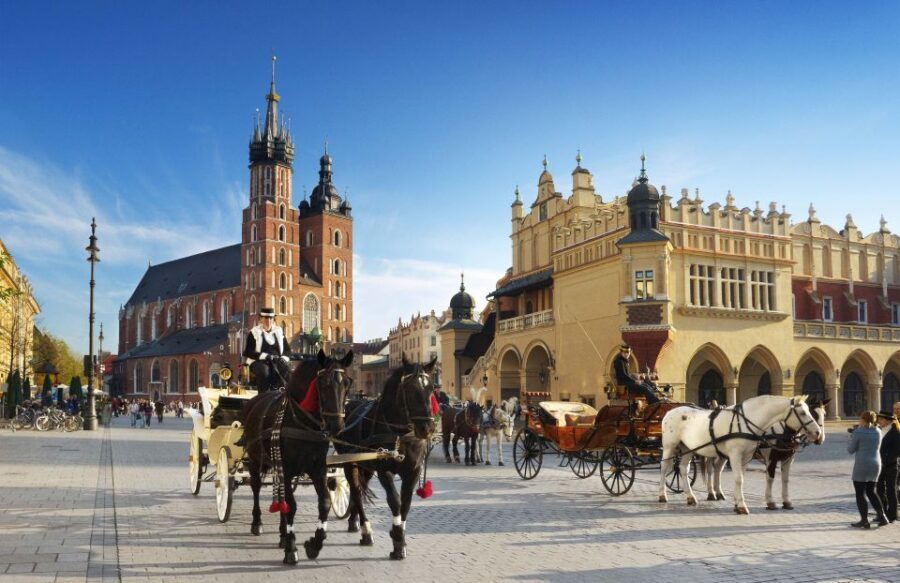
Practical note: this is also your best area for a quick photo moment. The tour includes a stop to take a selfie with Sukiennice, the Cloth Hall symbol of the city and the oldest commercial center. If your phone camera is always at 3% battery, this is a good stretch to pause and charge mentally.
Collegium Maius and Jagiellonian University: learning Krakow through its oldest university

Next you head toward Collegium Maius and the Jagiellonian University area. The tour frames it in a simple, useful way: this is the oldest university in Poland and in this part of Europe. That isn’t just trivia. It changes how you view the surrounding buildings and the city’s long relationship with scholarship and serious civic identity.
Jagiellonian University is also a useful mid-tour reset. After the open space of the Main Market Square and the city’s monuments, the university connection brings you back to people—students, teachers, and the long tradition of learning. Even when you’re not stepping inside every room (and entrances aren’t included), the guide can still help you “read” what you’re looking at: why the university belongs in the old-town story, not off on the side.
Wawel Hill: royal tombs, catacombs, and the dragon story at the river
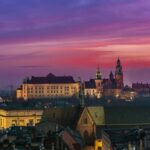
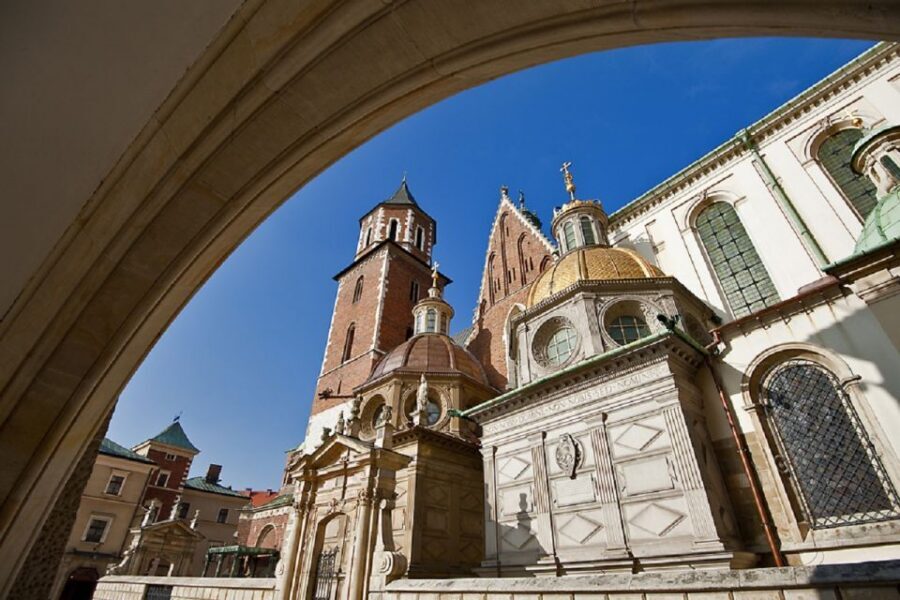
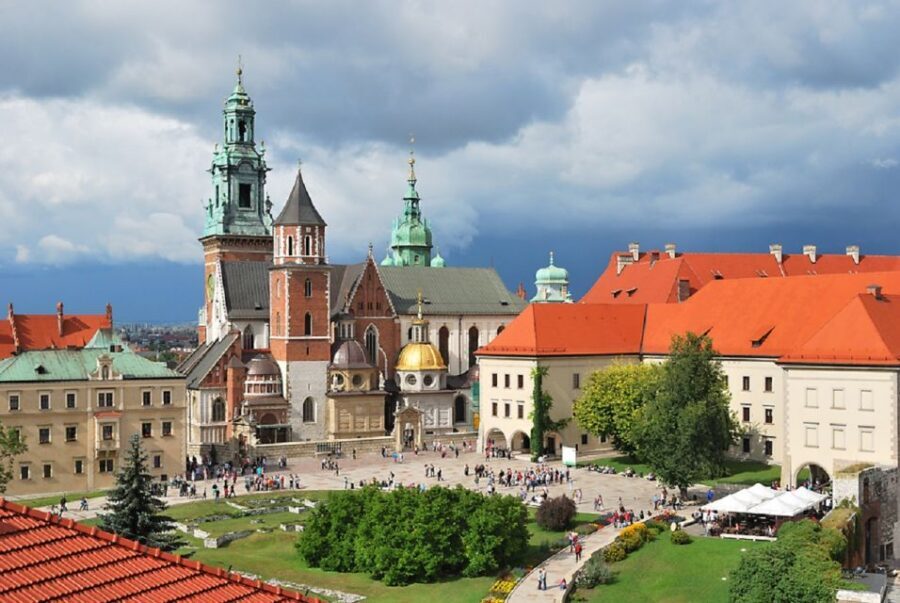
Wawel Hill is where Krakow switches gears from street life to power. The tour takes you to Wawel as an ancient center tied to legend—connected to Krak or Krakus, the mythical founder—and also to the real historical arc: ducal, princely, ecclesiastical, and royal.
Expect the kind of stop where your guide’s pacing matters, because Wawel can overwhelm you if you treat it like a checklist. Here’s what you’ll focus on:
- The castle and cathedral area
- A bell tower
- Catacombs where many Polish monarchs are buried
- The legendary Wawel Dragon statue (about 6 meters tall)
- The nearby cave on the bank of the Vistula tied to the dragon tale
This is also where the private guide shines. Some of the best tours don’t just “name” what’s there; they connect legend to place. The dragon story is one of those Krakow traditions where you can hear the version about cattle offerings and another version involving virgins, and it gives you a better sense of how myths adapt.
One consideration: if you’re sensitive to time spent standing still for viewpoints, this stop can feel weighty. But if you like your sightseeing to have meaning behind it, Wawel is the anchor of the whole half-day.
St. Mary’s Basilica: Veit Stoss, the bugle call, and starry vaults
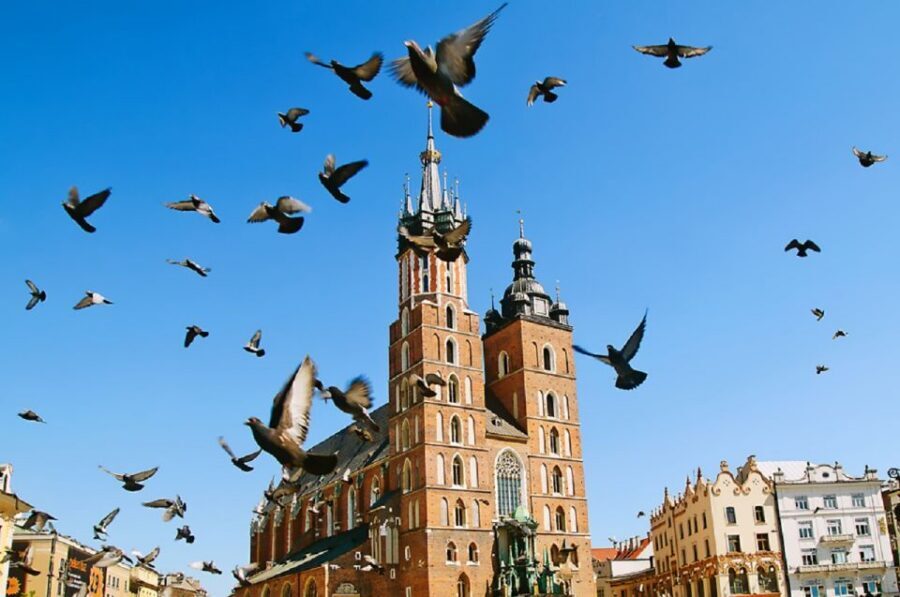
Heading back down into the Old Town brings you to St. Mary’s Basilica, a landmark with enough art and legend to justify its own afternoon. The guide points you toward key features, including:
- The high altar by Veit Stoss (Wit Stwosz)
- A bugle call
- Star-strewn murals by Jan Matejko covering the vaulting
Even if you don’t spend a long time inside, knowing what to look for changes everything. You’ll stop in the right places to see the scale of the interior focus. And if you’re coming to Krakow for “church art that isn’t boring,” this is the stop that usually wins people over.
As for entrances: the tour doesn’t include entrance tickets, so you might face extra costs if you decide to go inside beyond what’s possible during the walk. Still, even a quick, guided orientation can make your later independent visit more satisfying.
You can also read our reviews of more guided tours in Krakow


Sukiennice Cloth Hall: souvenirs with a time machine feel
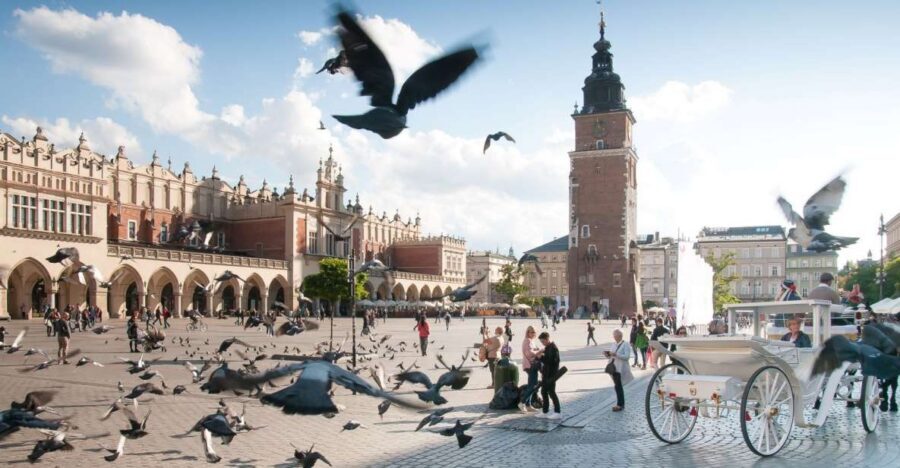
Then it’s back to the heart of trade with Sukiennice (Cloth Hall). This is more than a souvenir stop. The tour frames it as a symbol of the city and the oldest commercial center, which helps you see the stalls as part of a much older tradition rather than just tourist shopping.
You’ll have time to walk through the stalls area and (yes) take that included selfie moment with Sukiennice. If you’re hoping to bring home items that feel tied to place—woodwork, prints, small craft pieces—this is where you’ll find the most relevant mix for Krakow.
Practical tip: set a small budget for impulse buys. This stop is designed to make you linger, and it can be easy to drift from “quick souvenir” into “oops, it’s been 45 minutes.”
Barbican and old defensive walls: the medieval mindset in stone
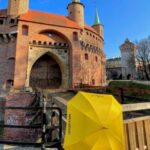
Before your guide part ways with you, you’ll reach the defensive walls and the Barbican fortress. This is one of my favorite “contrast” moments on city walks. Up to now, you’ve been focused on learning, power, and art. The Barbican pulls you back into the practical mindset of the medieval city: protection, control, and the idea that walls weren’t decoration—they were survival.
Even if you don’t go deep into fortification details, a good guide helps you notice how the Barbican sits in relation to the old city’s defenses. You’ll leave with a better sense of why Krakow’s center developed where it did, and how people thought about threats in physical terms.
And then, with the key sights done, you’re free to keep exploring on your own while the stories still sit fresh in your head.
Price and value: what $16 gets you (and what it doesn’t)
At $16 per person for a 4-hour private guided walking tour, the value comes from two places: the time and the interpretation. You’re not paying for transport or a long vehicle ride. You’re paying for a guide to connect places that would otherwise feel like separate “photo spots.”
There’s also a built-in logic to the route: start at Florian’s Gate, move through the city’s civic center, then shift to the university and royal hill, and finish with the defensive structures. That flow helps you remember the city as a whole, instead of as a stack of landmarks.
The main downside is what you’re not getting: entrances aren’t included. If you plan to go inside multiple sites, your total cost may go up. But if your priority is guided orientation—hearing what matters and knowing where to return later—this price is a straightforward bargain.
Guides and pace: the difference between a walk and a story
The reviews back up what you’d hope: the guide can make the half-day fly. People highlight guides like Ranadaa, Agnesz, Enrique, and Jadwiga for being thorough and flexible, with pace that feels right for four hours. One review praised a guide for showing “best places” and telling enough context that even four hours felt short for everything Krakow has. Another noted how a guide handled questions well and even helped with planning another tour by translating and offering advice.
If you’re traveling with kids, friends who ask lots of questions, or simply your own curious brain, private guiding is where this shines. You’re not stuck with a rigid script. You can ask why something looks the way it does, or what a certain legend likely meant to the people who lived there.
Who should book this tour (and who might want something else)
This tour is a great match if:
- You want the Old Town highlights in a single half-day
- You like walking and learning the “why” behind the landmarks
- You want a guide who can connect architecture to life in older centuries
- You’d benefit from a private pace rather than a group shuffle
You might consider a different setup if:
- You plan to spend lots of time inside sites and want entrance fees bundled
- You’d rather travel slowly at your own rhythm with minimal guidance
- Your mobility needs make a multi-stop walking route challenging (even though the tour is wheelchair accessible, it’s still a lot of ground on foot)
Should you book the Krakow Old Town Private Guided Walking Tour?
Yes—if you want a focused, high-impact way to learn Krakow’s core without getting lost in “where is what?” It’s priced for value, it covers the city’s signature sights, and the private format usually means you get clearer answers and a better pace.
If you’re coming for one “big” walking experience before you branch out on your own, this fits perfectly. Just keep entrance tickets in mind, wear comfortable shoes, and be ready for Wawel and St. Mary’s Basilica to turn into your strongest memories of the day.
FAQ
Where does the tour meet?
Meet your guide at Florian’s Gate on Florian Street.
How long is the tour?
The tour runs for 4 hours.
Is this a private tour?
Yes, it’s a private group tour.
Are entrance tickets included?
No. Entrances are not included.
What languages are available for the live guide?
Live tour guides are available in Spanish, Italian, Portuguese, English, German, Russian, and Polish.
Is the tour wheelchair accessible?
Yes, the tour is listed as wheelchair accessible.
What is the cancellation policy?
You can cancel up to 24 hours in advance for a full refund.