REVIEW · KRAKOW
Krakow: Jewish Quarter Kazimierz & Schindler’s Factory Guided Tour
Book on Viator →Operated by excursions.city · Bookable on Viator
One street at a time, Krakow’s past comes into focus. This tour strings together Kazimierz and Schindler’s factory museum with one guide so the story hangs together, not as random stops. I especially like the chance to ask questions in real time while you’re looking at the spaces where events unfolded.
You’ll also get a walk built for context, not just photos—learning how Jewish life shaped this neighborhood before the war and what changed after. The museum visit is designed with narrow, dim rooms that help you understand the pressure people lived under, not just memorize dates.
One consideration: the museum is powerful, and it can feel fast if you prefer to linger over every exhibit. If your priority is slow reading, plan to take breaks afterward on your own.
In This Review
- Key takeaways before you go
- Kazimierz’s streets: where the Jewish Quarter story starts
- Schindler’s Enamel Factory museum: what the guide adds inside
- The pace question: 3.5 hours sounds short for this topic
- Skip-the-line value: what you’re really paying for
- Timing, meeting points, and how not to miss your slot
- Group size: why it matters in narrow rooms
- Who the guide style fits best
- After the factory: use your time wisely
- Should you book this tour?
- FAQ
- How long is the Krakow Kazimierz and Schindler’s Factory guided tour?
- What does the tour cost?
- Is the tour offered in English?
- What’s included in the price?
- Do I need to buy museum tickets separately?
- What do I need to bring for entry to Schindler’s Factory?
- Where does the tour start and end?
- How early should I arrive?
- What’s the maximum group size?
- Is gratuity included?
Key takeaways before you go
- Kazimierz guided walking route gives you the neighborhood context before you hit the museum
- Skip-the-line at Schindler’s Factory saves time so the tour can focus on meaning
- Exhibition focus on daily life during Nazi occupation for Jewish and non-Jewish Krakow residents
- Rooms designed to create claustrophobic pressure so you feel the atmosphere, not just hear it
- Small group size (up to 25) helps, though you’ll still want to stay close to the guide for details
- ID and full names matter because museum entry uses personalized tickets
Kazimierz’s streets: where the Jewish Quarter story starts
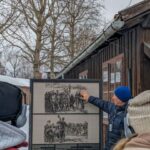
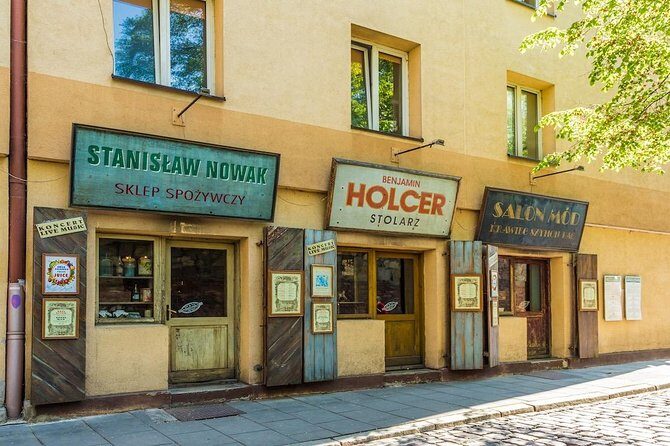
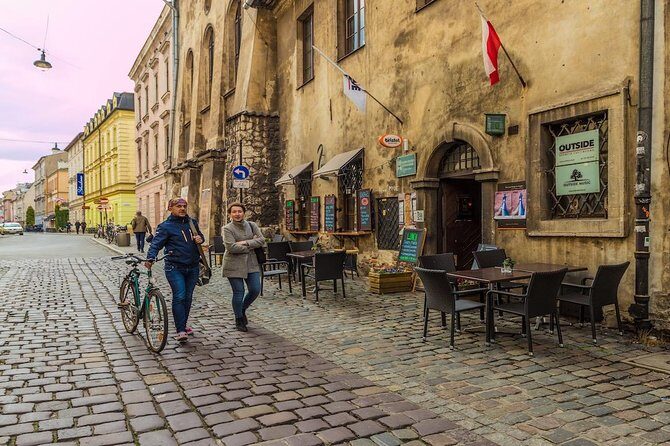
Kazimierz is the kind of place where walking works better than watching. On this tour, you start in the heart of Krakow’s historic Jewish Quarter, where the streets, courtyards, and old buildings are the backdrop for the human stories. Your guide sets the scene: who lived here, what daily life looked like, and how communities built learning, trade, faith, and family routines long before the war.
I like that the walk is timed and guided—about two hours—so you get a real sense of place without feeling like you need an entire day to understand the basics. You’ll move along cobbled lanes and pass synagogues and prayer-house structures that survived to tell a story. Even if you’ve read about Krakow’s wartime years, this start helps you see how much was lost, and how much was reshaped.
There’s also a practical benefit. Kazimierz is easy to wander on your own, but without context the district can turn into a blur of architecture. With a guide, you connect what you’re seeing to people’s lives: rabbis, merchants, families, and the rhythm of everyday community life. That makes the later museum visit hit harder, because you’ve already placed yourself in the correct neighborhood frame.
You can also read our reviews of more guided tours in Krakow
Schindler’s Enamel Factory museum: what the guide adds inside
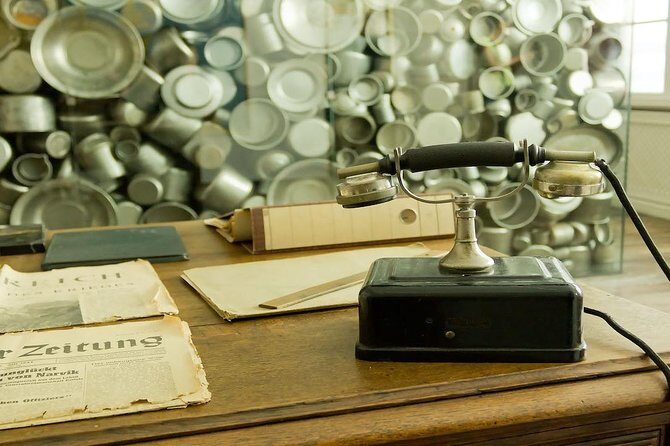
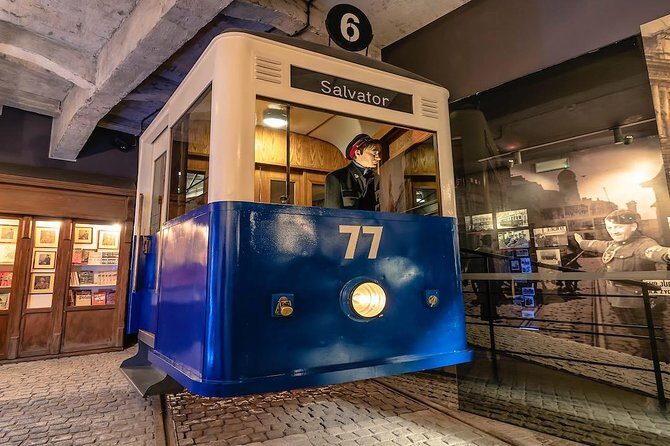
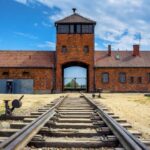
Then you go to one of Krakow’s most visited Holocaust-era sites: Schindler’s Enamel Factory, now a museum. The biggest value here is the guided portion inside the exhibition. This isn’t treated like a simple biography stop. Instead, you’re guided through the exhibition about Krakow under Nazi Occupation from 1939 to 1945, with the emphasis on how occupation changed daily life for Jewish and non-Jewish residents.
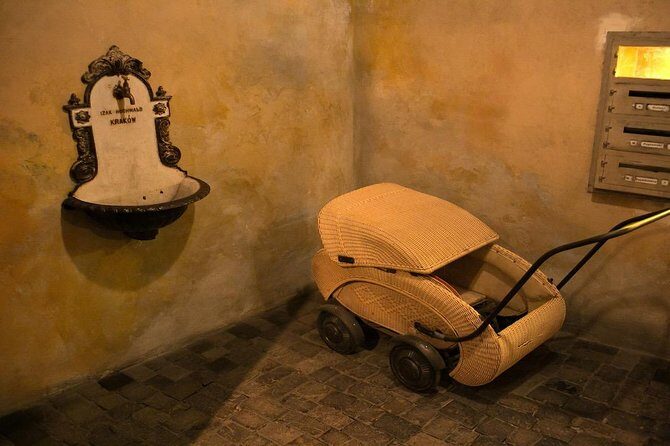
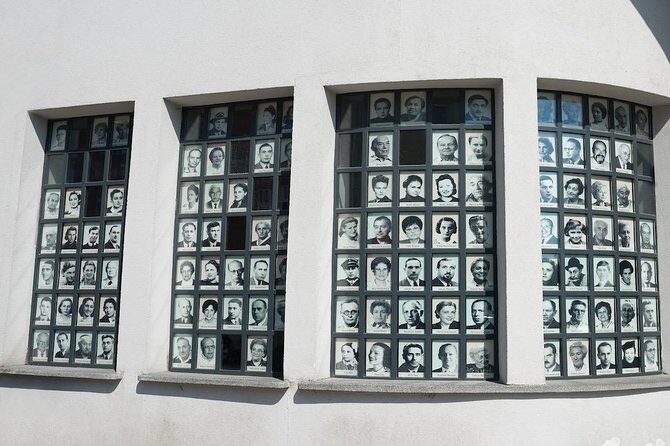
One thing I appreciate: you’re not just hearing about Oskar Schindler as a famous name. The tour uses his connection to the factory to ground the larger picture, while repeatedly pulling you back to the lived experience around him. You get time to ask questions, and your guide can explain what you’re seeing—artifacts, photographs, and the museum’s reconstructed settings—so the details don’t float past unnoticed.
The museum rooms themselves are part of the story. The exhibition uses narrow corridors and darkened spaces built to recreate the feeling of confinement and fear under Nazi rule. That design choice matters. You’ll likely understand faster why visitors often describe the building as emotionally intense—not because it’s trying to shock you, but because it’s designed to shape your movement and attention.
Also, a useful correction to keep in mind: while the factory building once housed Schindler’s production, today it’s a museum without the original machinery. So you’re experiencing history through objects, images, and the exhibition design, not a working industrial site. If you come expecting gears and production lines, you’ll be less surprised knowing the museum is mainly interpretive.
The pace question: 3.5 hours sounds short for this topic
This tour runs about 3 hours 30 minutes, with roughly two hours in Kazimierz and about 1 hour 30 minutes at the museum. That structure is smart for most people. You get enough neighborhood grounding to understand what you’re about to see, and you still leave the museum with the main story clearly organized.
But here’s the real trade-off. The museum contains many exhibits. If you read slowly, or you want to spend time at each display, the pace can feel like it’s moving before you’re ready. Some people find it rushed and wish they could linger longer over certain items. Others feel that the guide time is worth it because the context helps you understand what you’re seeing in less time.
What you can do to improve your experience:
- Stay close to the guide during the sections with pointing or shared explanation, especially in rooms where details are easy to miss from farther back.
- If you want to pause for reading, watch for moments when the group takes a step forward but the guide isn’t actively explaining something specific.
- Don’t count on a museum stop to satisfy a deep reading habit. Treat this as the guided spine, then use your free time afterward to revisit what struck you most.
Skip-the-line value: what you’re really paying for
At about $71.04 per person, you’re not just paying for entry. You’re paying for a licensed local guide, skip-the-line museum admission, and the guided walk through Kazimierz. The museum ticket itself is included, and the factory tour portion is guided, which is where you get the interpretive value.
Skip-the-line sounds like a small perk until you’re at the museum and standing still with a queue. Here, the skip matters because the exhibition is timed into the tour route. When you lose time waiting, you can feel rushed once you enter. So even if you’re happy to stand in line elsewhere, this is one place where reducing waiting time protects your experience.
Also note the practical part of the ticket system. The museum uses personalized tickets, meaning you must provide full names of all participants during reservation and bring a passport or ID for entry. If your booking names don’t match your ID, entry could be denied. That’s not a minor detail. It’s the kind of thing that can ruin a morning if you forget.
Timing, meeting points, and how not to miss your slot
You’ll start at Szeroka 24 in Kraków and finish at Lipowa 4. The tour is offered in English, and it’s near public transportation, which makes it easier to fit into a packed day.
Plan to arrive 10 minutes early. Once the group leaves, latecomers can’t join and tickets can’t be refunded. That’s especially important for this kind of tour because the first part is the neighborhood walk—if you miss it, you lose the context you’d want before the museum.
There’s also a scheduling note for 2026: times are approximate and can change based on Schindler’s Factory Museum scheduling. You can choose a preferred time when booking, but the exact time isn’t guaranteed. If you have tight plans after the tour, give yourself breathing room.

Group size: why it matters in narrow rooms

The group is capped at 25. That’s a good size for a walking and museum pairing: large enough to keep energy, small enough for a guide to manage questions.
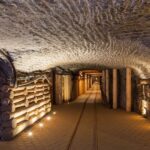
Still, narrow museum corridors and rooms can make distance a problem. One common complaint is that some groups feel too big for the museum portion, and you can end up unable to see what the guide is pointing to. A helpful response is simple: position yourself near the guide when you enter sections where visuals matter. If the group offers headsets, use them fully. Clear listening makes pace feel less rushed, because you don’t miss key points.
Who the guide style fits best
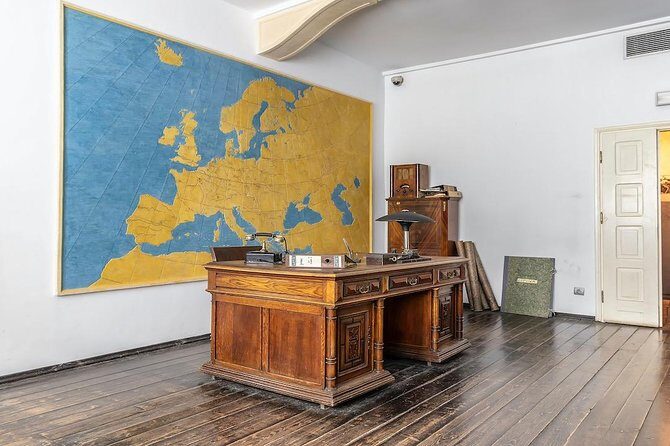
This is the kind of tour that works best when you want understanding, not just a checklist. If you’re the type who likes to ask questions when something confuses you—about Oskar Schindler, about the broader Jewish experience in Krakow, or about how occupation reshaped daily life—this tour rewards you.
It’s also a strong pick if you’re visiting with a general interest in the Holocaust and want the story anchored to specific places: Kazimierz streets first, then Schindler’s factory museum. The two-part flow helps your brain organize what you’re learning.
On the other hand, if you’re a slow reader who likes to spend real time on every sign and artifact, you might feel constrained. For that style, you can still take the guided tour, but treat it as a guide-built overview and then plan extra time afterward to re-read and re-look on your own.
After the factory: use your time wisely
A quick practical tip: there’s a Polish restaurant across from the factory that people rave about for soup. If you want something warm and simple after the emotional intensity of the museum, that’s an easy move. Bonus: staying nearby keeps your momentum and reduces stress about finding food while you’re still in the right part of Krakow.
Also, once you finish the tour, you’ll likely want a little personal processing time. If you can, don’t schedule something demanding right after. Give yourself room to walk, absorb, and choose where to focus next.
Should you book this tour?
Book it if:
- You want context that connects Kazimierz and the factory museum, with time to ask questions.
- You value a guided explanation in the museum’s changing room layout, where images and artifacts are easier to understand with interpretation.
- You prefer not to waste time at the ticket line and you like structured pacing.
Skip or adjust if:
- You hate being rushed through museums and need long, quiet reading time.
- You’re traveling with someone who wants a purely self-guided pace and would resent moving as a group through narrow corridors.
My take: for most first-time visitors who want the story made clear and grounded in real places, this is strong value. The guide-led flow makes the history feel ordered instead of fragmented, and the skip-the-line piece protects your limited time in Krakow.
FAQ
How long is the Krakow Kazimierz and Schindler’s Factory guided tour?
It runs about 3 hours 30 minutes in total.
What does the tour cost?
The price is $71.04 per person.
Is the tour offered in English?
Yes, the tour is offered in English.
What’s included in the price?
You get a licensed local guide, a walking tour of the Kazimierz Jewish Quarter, skip-the-line admission to Schindler’s Factory Museum, and a guided tour inside the factory.
Do I need to buy museum tickets separately?
No. Skip-the-line admission to Schindler’s Factory Museum is included.
What do I need to bring for entry to Schindler’s Factory?
You must bring a passport or ID for museum entry, and you need to provide the full names of all participants when reserving.
Where does the tour start and end?
The start meeting point is Szeroka 24, and the tour ends at Lipowa 4.
How early should I arrive?
Arrive about 10 minutes before the tour begins, because latecomers can’t join once the group departs.
What’s the maximum group size?
The tour has a maximum of 25 travelers.
Is gratuity included?
No. Tips are not included.