REVIEW · KRAKOW
From Krakow: Auschwitz-Birkenau Guided Tour with Pickup
Book on GetYourGuide →Operated by Cracow Tansfer&Tours · Bookable on GetYourGuide
Auschwitz demands planning, not just good intentions. This Krakow-to-Auschwitz-Birkenau trip works because it combines round-trip pickup with guided tours using headsets, so you can follow the story without playing guess-the-next-stop. The one drawback to plan around is timing: departures can start extremely early, and the day includes a significant amount of walking.
I also like that the tour includes admission to the Auschwitz Birkenau museum grounds, which matters because you’re paying for a structured visit, not just a bus ride. You’ll get guided narration in Italian, English, or German, plus headset gear so you can hear the guide clearly even in crowded areas.
Finally, be honest with your group needs. The visit is not recommended for children under 14, and the sites are emotionally heavy, with rules that limit conveniences like eating inside the museum.
In This Review
- Key things to know before you go
- Krakow pickup and the early start reality
- The van ride to Oświęcim: how to use the time
- Auschwitz I: the first guided walk you’ll never forget
- The museum break: small rest, heavy context
- Birkenau (Auschwitz II): why distances and fences matter
- Headsets and tour language: hearing matters
- Rules that affect your comfort (and your ability to enjoy)
- Price and value: what $13 gets you
- Who should book this Auschwitz-Birkenau pickup tour?
- Book it or skip it: my practical take
- FAQ
- How long is the Auschwitz-Birkenau guided tour from Krakow?
- What’s included in the price?
- What languages are available for the guided tour?
- Where are the pickup and drop-off locations in Krakow?
- Can I bring food or drinks into the museum?
- Is the tour suitable for children?
Key things to know before you go
- Hotel pickup from Krakow with options like Pawia 18b and Wielopole 2
- Two guided sections: Auschwitz I (about 100 minutes) and Auschwitz II-Birkenau (about 1.5 hours)
- Headsets to hear the guide clearly in your chosen language
- A timed day of roughly 8–9 hours, including a van ride of about 1.5 hours each way
- Museum rules are strict: no flash photos, no alcohol/drugs, and no eating inside
- If online tickets aren’t available, you may still need to wait in line on site
Krakow pickup and the early start reality
This is the kind of tour where the logistics aren’t a minor detail. The day runs on memorial-site schedules, and your departure from Krakow can be anywhere from about 1:00 a.m. to 1:30 p.m. when booking. You choose a preferred time, but it’s not guaranteed. In exceptional situations it may shift earlier or later.
Why does this matter? Because Auschwitz is popular and ticketing can be slow if reservations aren’t ready. One traveler’s experience is a good warning sign: a booking time that assumed a normal morning start got pushed way earlier so the group could reach the site before long queues formed. That’s exactly the trade-off you’re making with this style of tour—yes, the early hour is tough, but the alternative is often standing around waiting in cold conditions.
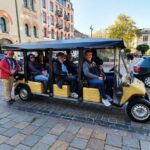
The pickup itself is straightforward: you’re picked up from your hotel or a meeting point you select when booking, using an air-conditioned van. You’ll also want to arrive at the pickup point about 15 minutes before departure, because the van doesn’t pause for late stragglers.
Tip I’d follow: pack the day as if you’ll be leaving very early. Bring something simple to keep your morning calm—like a small snack for outside the museum (since eating isn’t allowed inside the museum grounds), plus a layer for morning cold.
You can also read our reviews of more guided tours in Krakow
The van ride to Oświęcim: how to use the time
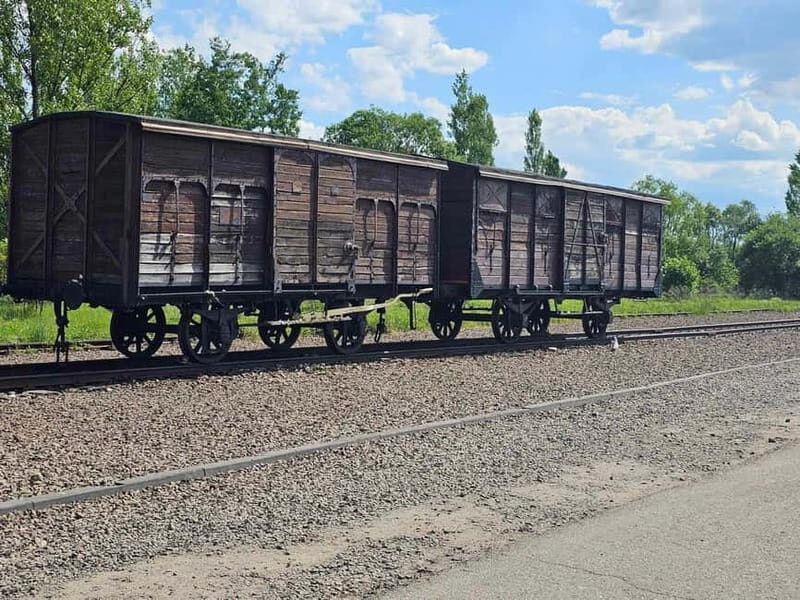
The drive from Krakow to Oświęcim is about 60 kilometers, and the transfer takes roughly 1.5 hours each way. That time isn’t entertainment time. It’s the buffer you’ll need so the visit doesn’t feel rushed.
Because your guide will be the one explaining the history and significance of the site, you’ll get more out of the day if you’re ready to pay attention once you arrive. The van ride is also your chance to settle in for a long day that includes two different camp areas, plus museum viewing.
Also, watch your communication. The company handling the transfer (Cracow Tansfer&Tours) will contact you the day before the tour via WhatsApp, email, or phone to confirm pickup time and details. Do not ignore that message. When departure times can shift, confirmation is your anchor.
If you’re the type who hates uncertainty, this is the one area where you should proactively plan: keep your morning flexible, and don’t schedule something right after your return to Krakow without leaving a safety buffer.
Auschwitz I: the first guided walk you’ll never forget
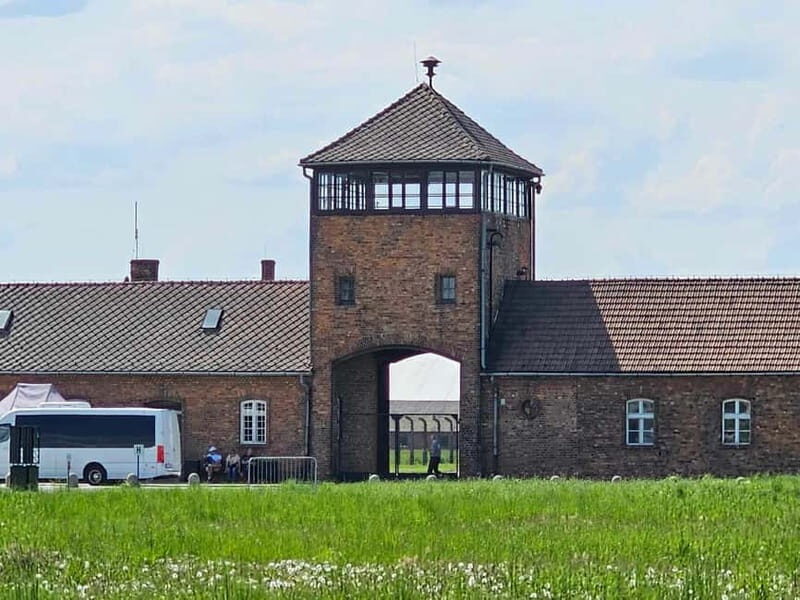
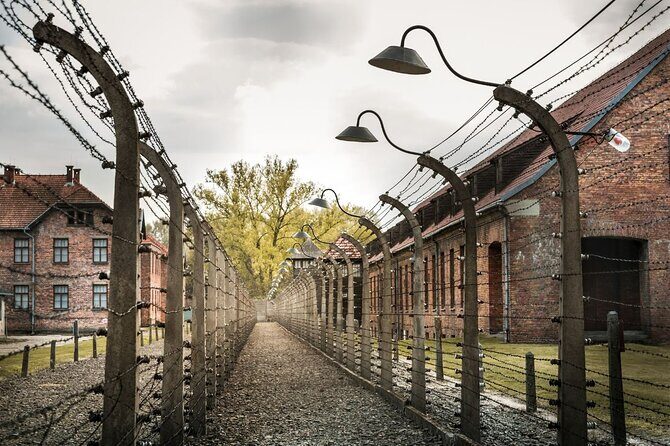
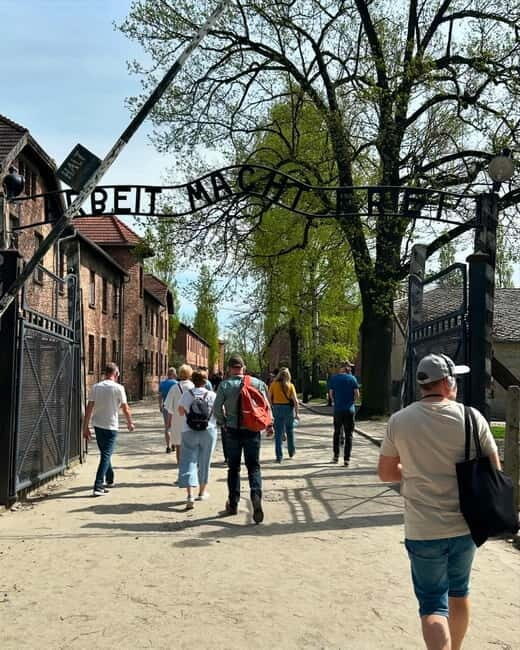
Auschwitz I is where the story becomes specific and difficult to avoid. You’ll go there first with a guided tour lasting about 100 minutes, and the pace is set by staff at the memorial site. That matters: you’re not trying to beat the clock. You’re moving through a space where stopping, looking, and listening is part of how you understand what happened.
What you’ll see fits the purpose of this first area:
- barracks
- watchtowers
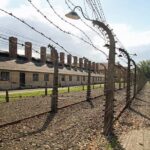
- barbed wire fences
- and the exhibits that explain the camp’s role
This stop can feel like a mix of museum and outdoor memorial. The guided narration helps because Auschwitz isn’t just a place to see structures—it’s a place to understand systems, policies, and human consequences.
Practical consideration: plan on sensory and emotional weight. The rules are strict here, and you’re not allowed flash photography. You can take photos without flash, but think of it as documentation for later reflection, not a social media moment. Also, eating and drinking aren’t permitted inside the museum areas, so your “comfort routine” needs to happen outside.
One more note from real-world logistics: headset use matters most when groups are moving and sounds get chaotic. Keep your headset on and positioned well, and sit/stand close enough that you’re not constantly adjusting your own attention.
The museum break: small rest, heavy context
After Auschwitz I, you’ll have a short break (about 15 minutes) before moving on to Auschwitz II-Birkenau. This is the part where you reset your body, not your emotions.
Don’t treat the break like “time for a full meal.” Food and drinks aren’t allowed inside the museum, and the break is short by design. Use it to:
- go to the bathroom if you can
- hydrate (when/where permitted outside)
- adjust your layers
- steady yourself before the next, larger area
If you’re sensitive to crowds, this is also the moment to take in where you are—because Birkenau covers more ground. Once you start walking there, it becomes harder to pause and regroup.
Birkenau (Auschwitz II): why distances and fences matter
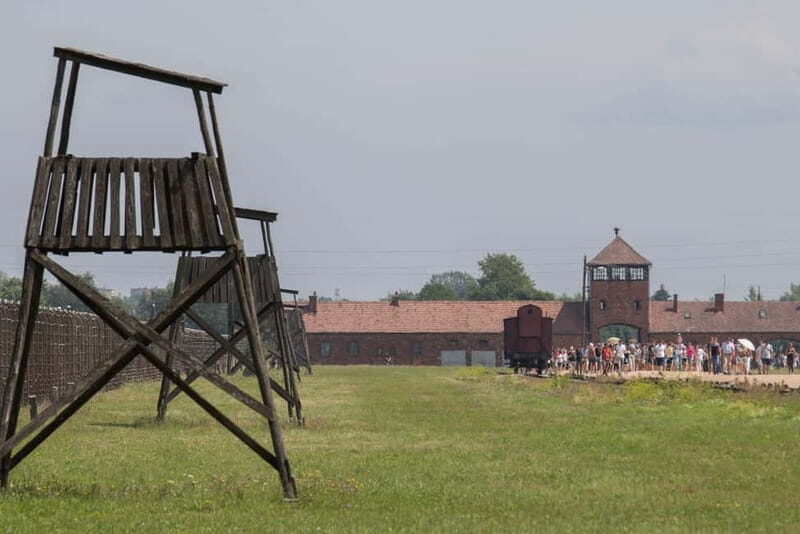
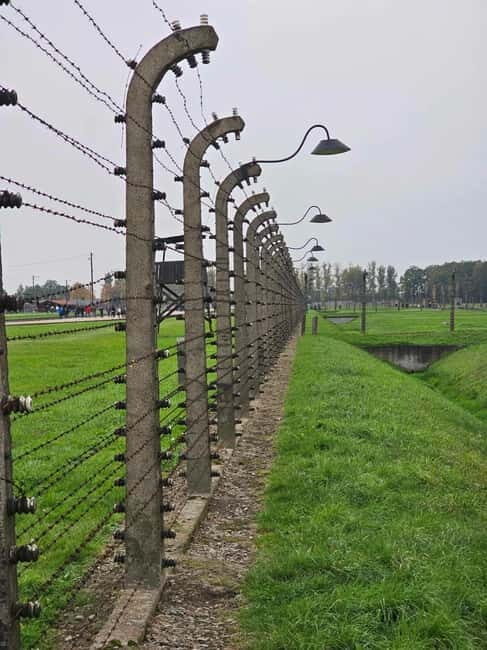
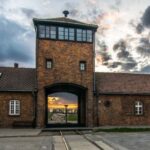
Auschwitz II-Birkenau is the larger, more open area, and that changes how the visit hits you. The guided portion here lasts about 1.5 hours.
This is where you’ll see:
- watchtowers
- the barbed wire fencing and boundaries
- and the grounds that were part of the extermination system
The guide’s job in Birkenau is crucial. Without interpretation, distances can confuse your understanding. With a clear explanation, the space starts making terrible sense—how people were processed, separated, and controlled within the camp’s design.
You’ll also hear about the final phase of Auschwitz in mid-January 1945, including the evacuation and liquidation. That kind of context is why a guided tour is worth it. You’re not just walking past remnants; you’re hearing how the site fits into the timeline of World War II.
A practical reality: this part includes more walking and more exposure to weather. Comfortable walking shoes are not optional advice—they’re basic survival for your feet and for staying present instead of counting minutes.

Headsets and tour language: hearing matters
One of the strongest reasons to choose a guided format here is the audio setup. This tour provides headsets so you can hear the guide clearly, and the tour language is available in Italian, English, or German.
Headsets are especially helpful at Auschwitz because you’re often close to other groups, and the guide can be moving while talking. Still, audio can vary depending on crowd density and how your headset sits. If you’re hard of hearing in general, test your headset early and keep it on.
If your language is English (or any other option), aim to stay near where the guide speaks best. It’s not about being in the front row for status. It’s about making sure you catch the key details.
Rules that affect your comfort (and your ability to enjoy)
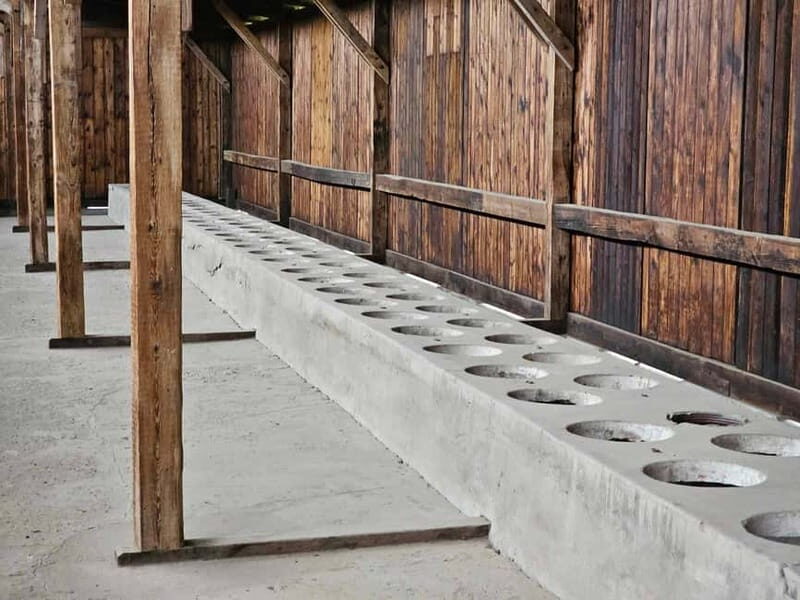
Auschwitz is one of those places where the “rules” are really the experience. They shape what you can do and what you should focus on.
From what’s clearly stated for this tour:
- No flash photography. Photos are allowed, but without flash.
- No alcohol and drugs.
- No eating and drinking inside the museum.
- Personal items like large bags and backpacks are not allowed inside the museum.
This means you should travel light. If you show up with a big backpack, you’ll lose time dealing with restrictions. A simple daypack is usually easier to manage than a bulky bag.
Clothing matters too. You’ll do a significant amount of walking, so wear weather-appropriate clothing and dress for cold or sun depending on the season. Also bring a passport or ID card.
One more tip: because departure times can be shifted, you’ll want to be ready for a long wait if the tour schedule changes on the day. Use your time smart—keep your hands warm, keep water and essentials outside the museum, and avoid depending on quick onsite services.
Price and value: what $13 gets you
At about $13 per person, this tour is priced like a budget-friendly way into one of the world’s most important historical sites. That price is only “cheap” if the value is real—and here, it is.
You’re getting:
- round-trip transportation from Krakow
- an air-conditioned vehicle
- pickup from your hotel or meeting point
- admission to the Auschwitz Birkenau museum
- guided tours in your chosen language
- headsets to hear your guide clearly
Food is not included, and you’ll spend time walking, so you’ll want to plan for small expenses like a snack outside the museum areas. But even with that, you’re paying less than you would for many private or small-group day trips that include admission and guided narration.
There’s also a quality signal in the rating. This experience sits around a 3.8 rating based on 45 reviews, which suggests many people are happy with the logistics and guidance. Still, mixed feedback exists—especially around timing and language clarity—so you should treat it as a structured group tour that prioritizes getting you to the memorial site on time.
Who should book this Auschwitz-Birkenau pickup tour?
This is a strong fit if you want:
- an organized, guided visit with museum entry
- transportation handled for you from Krakow
- a plan that covers both Auschwitz I and Auschwitz II-Birkenau in one day
It’s also a good pick if you’re traveling alone or just don’t want to coordinate tickets and transportation on your own. The pickup drops you into the right rhythm early, which is a big deal for a site with strict rules and heavy demand.
It’s not a great fit if:
- you’re traveling with children under 14 (it’s not recommended)
- you hate very early mornings and schedule changes
- you need frequent long stops for comfort (the pace and duration are controlled by memorial site staff)
If you’re the kind of traveler who prefers total control and DIY flexibility, you might prefer a different approach. But if your main goal is to make sure you hear the history clearly while keeping the day simple, this works.
Book it or skip it: my practical take
I’d book this tour if you value guided context and want someone else handling the Krakow transport and museum admission. The headset setup and guided structure matter more than they sound, because Auschwitz is not a “wander around and hope you get the story” kind of place.
I’d think twice if you’re sensitive to early starts, crowded conditions, or long walking. You also need to accept the emotional weight and the strict rules as part of the experience.
If you decide to go, go prepared: light luggage, comfortable shoes, layers for the weather, and a mindset that this day is about understanding and respect first.
FAQ
How long is the Auschwitz-Birkenau guided tour from Krakow?
The full experience lasts about 8–9 hours, including pickup, round-trip van transfer, guided tours of Auschwitz I and Auschwitz II-Birkenau, and a short break.
What’s included in the price?
You get round-trip transportation from Krakow, pickup from your hotel or meeting point, transport by air-conditioned vehicle, admission to the Auschwitz Birkenau museum, a guided tour in your preferred language, and headsets to hear the guide clearly.
What languages are available for the guided tour?
The live guide is available in Italian, English, and German.
Where are the pickup and drop-off locations in Krakow?
Pickup and drop-off can be arranged at options such as Wielopole 2 and Pawia 18b, with pickup also available from your hotel or meeting point based on what you provide when booking.
Can I bring food or drinks into the museum?
No. Eating and drinking are not permitted inside the museum.
Is the tour suitable for children?
It’s not recommended for children under 14 due to the nature of the site and the way the visit is conducted.