REVIEW · GDANSK
Guided Sightseeing Kayak Tour at Gdansk
Book on Viator →Operated by Around Gdansk | Kayak Tours & Adventures · Bookable on Viator
Kayaking turns Gdańsk into a moving postcard. This guided sightseeing kayak tour gives you the city’s water-level story—past the 15th-century Crane, working shipyards, and the Motława river islands—without needing to figure out routes or tides.
I love two things most: first, the guide-led navigation that keeps you calm (even if it’s your first time in a kayak), and second, the chance to paddle right alongside major sights like the Crane and big vessels, where you simply can’t see that from land.
One consideration: you need to be able to swim, and the tour requires basic English understanding, plus it runs in all weather (so dress for wet wind, not sunshine vibes).
In This Review
- Key Highlights to Expect on the Water
- Why Gdańsk Looks Better from a Kayak
- Meeting at Dokowa 1: Timing, Safety, and English
- Paddling Past The Crane: Medieval Trade Power, Up Close
- SS Sołdek and the Shipyard Loop: Industrial Gdańsk at Water Level
- Granary Island and Olowianka Island: The Motława Route You’ll Actually Feel
- Main City Views Without the Land-Only Bottleneck
- Pace, Fitness, and Comfort Tips That Keep It Fun
- Price and Value: Is $48.85 Worth It?
- Guides Matter: What You Can Learn from Nick, Szymon, Eric, and Eryk
- Who Should Book This Gdańsk Kayak Tour (and Who Might Skip It)
- Should You Book This Tour or Skip It?
- FAQ
- FAQ
- How long is the guided kayak sightseeing tour?
- Is the tour offered in English?
- Do I need to know how to swim?
- What is the weight limit for the kayaking tour?
- Is the tour strenuous?
- What happens if the weather is bad?
- How big is the group?
Key Highlights to Expect on the Water
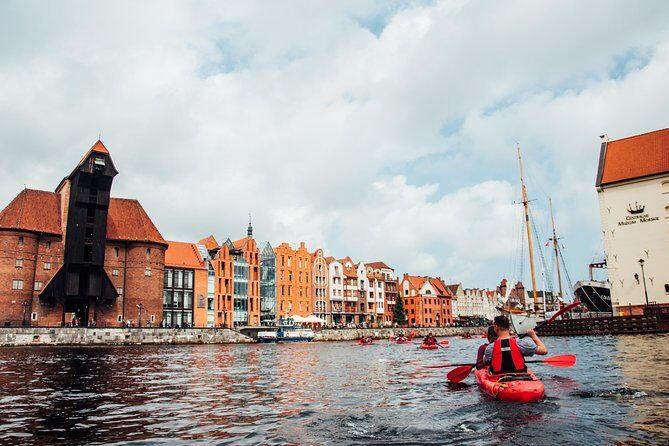
- Paddle past Żuraw (The Crane), a defining Gdańsk symbol tied to medieval trade and ship rigging
- Small-group feel (max 20) with a mandatory safety briefing before you start
- Working shipyard access near ferries and large ships—industrial views at water level
- Motława route around Granary Island and Olowianka Island with lots of canal freedom
- Double kayaks for couples, so you can row together instead of joining a solo seat
Why Gdańsk Looks Better from a Kayak
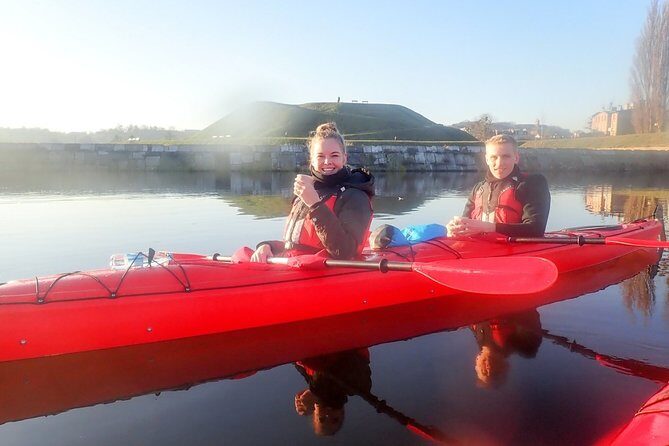
Gdańsk is built on water, but on foot you only get part of the picture. A kayak changes the whole scale: buildings stretch differently, bridges feel closer, and the rhythm of the city becomes rivers and canals.
The route focuses on the Motława river and the islands of Granary Island and Olowianka Island. That’s a big deal because these waterways explain why Gdańsk grew into a major trading port—water wasn’t a side feature. It was the job.
There’s also a practical benefit: staying on calm canals and routes with a guide means you get the views without the usual stress of trying to improvise sightseeing plans. The “don’t get lost” part matters more than it sounds when you’re holding a paddle and learning a new balance.
You can also read our reviews of more guided tours in Gdansk

Meeting at Dokowa 1: Timing, Safety, and English
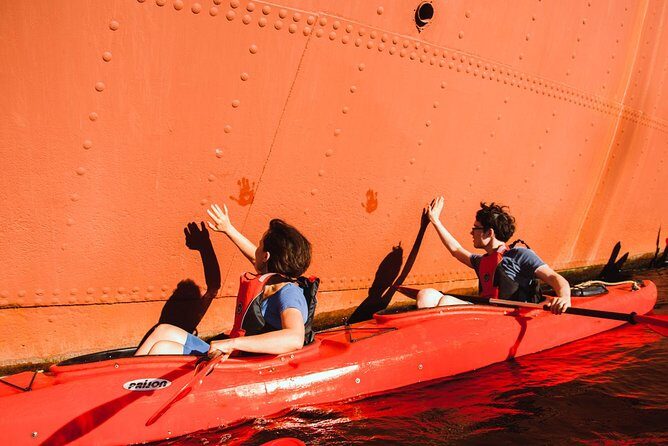
Most tours here start at Dokowa 1, 80-863 Gdańsk, near public transportation. Plan on arriving a few minutes early because there’s a mandatory safety briefing, and late arrivals won’t be admitted. If you’re the type who likes to wander, set a firm meeting-time alarm.
This experience runs with basic English requirements—you’ll want to understand directions and safety instructions. The good news is that the group format keeps things manageable, and the tour is offered in English.
Logistics that help you enjoy the ride:
- You’ll get a mobile ticket.
- The max group size is 20 travelers, which tends to make the whole thing feel more personal.
- Weight limit is 110kg.
- You need to be able to swim.
From the experience, the best moments often start with the first 10 minutes on land. Multiple reviews praised clear instruction and being guided into the kayak confidently, so treat the safety briefing as part of the tour, not a formality.
Paddling Past The Crane: Medieval Trade Power, Up Close
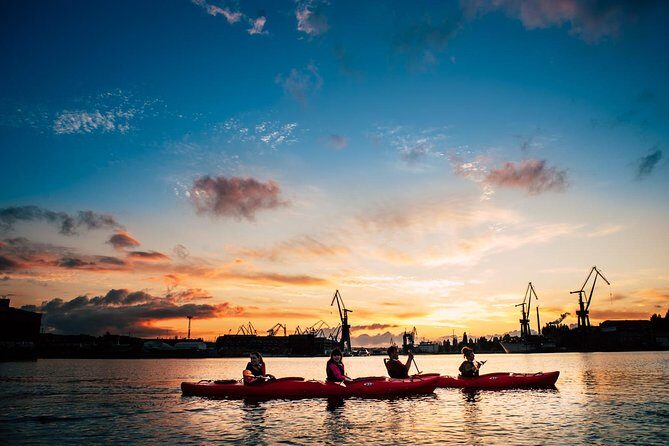
The tour’s first big landmark is The Crane, tied to Gdańsk’s shipping and trading age. This was built in the mid-15th century and worked as part of a huge shoreline gate area. It didn’t just sit there for looks—it helped manage ships and cargo.
Here’s what makes this stop more than a photo op:
- It was used to install and remove ship masts.
- It loaded and unloaded heavy cargo at the quay.
- This human-powered machine could hoist loads up to 2000kg, which was the largest crane in medieval Europe.
From the water, the Crane lands differently. On land, you see the monument. On a kayak, you feel how it relates to the waterfront where goods moved. You can also get angles that don’t happen for pedestrians, especially if other tours are funneling everyone toward the same sidewalks.
If you care about history, you’ll like the way this stop frames the rest of the tour. The guide’s context gives the industrial sights a purpose, not just a setting.
SS Sołdek and the Shipyard Loop: Industrial Gdańsk at Water Level
After the Crane, you’ll pass SS Sołdek, a Polish coal and ore freighter. That detail matters because it turns the canals into a timeline: you’re not just seeing old architecture, you’re moving through the working geography of a port city.
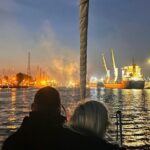
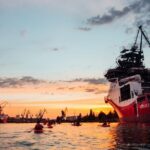
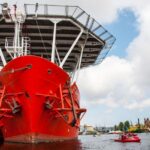
Then comes the part many people remember most: the time near Gdańsk Remontowa Shipyard. This is still a busy, working yard. That means you’re watching ships in different stages of repair or construction, and you can see crews working on large vessels.
Practical upside: you’ll be at the right altitude for industrial reality. Ferries and some land viewpoints can’t always give you the same angle or closeness. Several guided rides specifically got praised for letting people kayak by big ships and yachts, which is a fun contrast to the medieval feel of the Crane.
One thing to keep in mind: shipyard areas can feel more mechanical and busy visually than historic cores. If you’re expecting a quiet nature paddle the whole time, this segment flips the mood toward “port city in action.”
Granary Island and Olowianka Island: The Motława Route You’ll Actually Feel
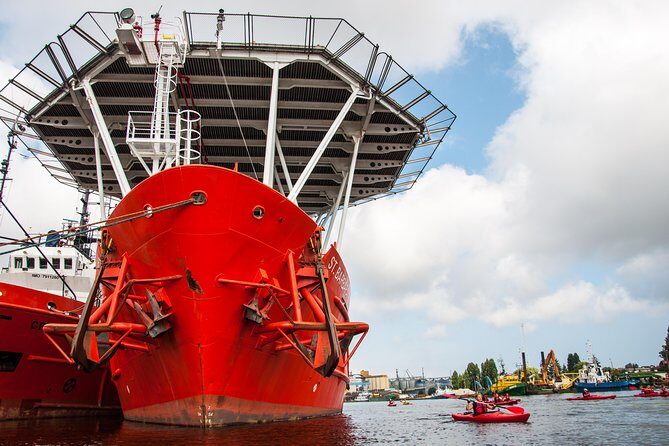
The route then focuses on a kayak loop through the river Motława around two islands: Granary Island and Ołowianka Island. Gdańsk’s geography is unusual—it sits where sea routes meet river routes, including waterways tied to the Vistula region and the Baltic estuary, plus connections from Radunia and Motława rivers.
That matters because the tour is basically teaching you how to read the city by its waterlines. The stop framing emphasizes that daily life historically revolved around water, and it connects those water networks to how Gdańsk developed.
What you’ll feel on the kayak:
- More freedom in the canals than you get on land.
- Better chances to spot small details along shorelines without needing to shove through crowds.
- A more “moving” way to understand the city’s layout—things shift as you paddle, so landmarks don’t stay fixed like they do in a walking route.
If you want a sightseeing plan that doesn’t just repeat the classic Old Town checklist, this island section helps a lot.
A few more Gdansk tours and experiences worth a look
Main City Views Without the Land-Only Bottleneck
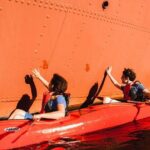
A major selling point is the perspective shift: paddling through canals gives you a different view of the Main City. Certain spots are simply harder to access by foot routes or by boats that follow wider channels.
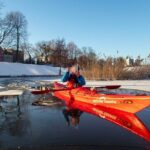
So instead of only seeing what you can reach on land, you’ll see parts of the waterfront and city edge from water level. That changes proportions and gives your photos a more layered feel—water in the foreground, landmarks in the distance, and bridges that look like they’re part of the story rather than scenery.
This also tends to make the tour feel less “tour bus” and more like a guided walk with a paddle. The best reviews consistently highlight small-group dynamics and guides who keep the pace right, so you’re not spending the whole time fighting the equipment or feeling rushed between stops.
Pace, Fitness, and Comfort Tips That Keep It Fun
The duration is around 2 hours 30 minutes. In that time, the goal isn’t a hardcore workout. Reviews often describe it as not too strenuous, and one group noted that people in their late 50s felt fine when the instruction was clear.
Still, you’re on a kayak, so you need to plan for actual effort:
- Expect some paddle work.
- Save energy for the way back, because the return leg still takes effort.
Comfort tips that help in real weather:
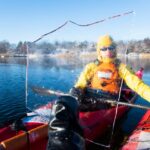
- Dress for the conditions since the tour operates in all weather.
- If it’s sunny, bring sunscreen and sunglasses. One review mentioned how much that helped.
- If you’re worried about wobbling, you’re not the only one. One reviewer admitted being clumsy and uncoordinated in a single kayak and still felt safe by the end.
One small but practical win: lockers and waterproof phone cases are available, which makes it easier to take pictures without stressing over splashes.
For couples, double kayaks can be used. That’s ideal if you’d rather row together than manage a solo kayak while keeping an eye on your partner.
Price and Value: Is $48.85 Worth It?
At $48.85 per person for about 2.5 hours, you’re paying for more than just “being on a boat.” You’re getting:
- Equipment for a guided paddle
- A guide who handles navigation and safety
- Multiple structured sightseeing stops (Crane, SS Sołdek, shipyard, island section, and Main City perspective)
When you compare it to a standard walking tour, the value is in the access. You’re not limited to sidewalks. You’re seeing industrial port edges, shipyard zones, and canal viewpoints that most visitors don’t get.
You’ll also notice it sells quickly. On average, it’s booked about 25 days in advance, which usually means the time slots you want can disappear, especially on good weather days.
Guides Matter: What You Can Learn from Nick, Szymon, Eric, and Eryk
A lot of kayak tours succeed or fail on the guide. Here, the names that show up repeatedly are Nick, Szymon, Eric, and Eryk. The common thread: friendly guidance, good pace control, and lots of usable city context mixed into the ride.
What I’d pay attention to, if you’re booking, is how reviews talk about instruction:
- People appreciated the demo and a safety briefing that actually made sense.
- Guides were described as helpful on the water, including supporting different kayaking ability levels.
- The history explanations were praised as not boring and not overlong—just enough to connect the landmarks.
If you get a guide who can match the group’s comfort level, you’ll enjoy the water part more. And that’s the point: you want to feel safe and then spend your brain on the sights.
Who Should Book This Gdańsk Kayak Tour (and Who Might Skip It)
This tour is a strong fit if you:
- Want a few hours of active sightseeing without the crowds of land-only routes
- Like history but don’t want it read like a lecture
- Enjoy water-based views and want port and shipyard scenery, not just pretty streets
- Prefer a small-group feel (max 20)
You might skip or choose another option if you:
- Can’t swim or aren’t comfortable with water activities
- Don’t understand basic English (directions and safety rely on it)
- Hate weather changes, since it operates in all conditions and you’re expected to dress appropriately
- Plan to drink beforehand; alcohol is off-limits before and during the tour, and smoking/vaping while using equipment is also prohibited
Should You Book This Tour or Skip It?
If you want Gdańsk to feel like a living port city, book it. Kayaking here gives you a balance of adventure and structure: clear instruction, a route with meaningful stops, and a perspective change that’s hard to recreate any other way.
I’d book with confidence if you’re comfortable being outdoors for a couple hours and you’re okay with wet, windy weather potential. It’s also a nice choice for couples thanks to double kayaks. If you’re unsure about your kayaking comfort, the clear safety setup and the small-group size are exactly what you want.
FAQ
FAQ
How long is the guided kayak sightseeing tour?
It lasts about 2 hours 30 minutes.
Is the tour offered in English?
Yes, the tour is offered in English, and everyone needs to understand basic English.
Do I need to know how to swim?
Yes. You need to be able to swim.
What is the weight limit for the kayaking tour?
The weight limit is 110kg.
Is the tour strenuous?
It’s described as not too strenuous by people who joined, and the pace is kept manageable for different ability levels.
What happens if the weather is bad?
The tour operates in all weather conditions. It also requires good weather, and if it’s canceled due to poor weather, you’ll be offered a different date or a full refund.
How big is the group?
The tour has a maximum of 20 travelers.