REVIEW · KRAKOW
Krakow: Jewish Quarter Kazimierz Guided Walking Tour
Book on GetYourGuide →Operated by EXCURSIONS CITY EUROPE · Bookable on GetYourGuide
Kazimierz has a way of making history feel personal. This walking tour in Krakow connects Jewish traditions and daily life before the war to the places that hold memory today. It’s a thoughtful, guided stroll through streets where faith, coexistence, and survival shaped what you see.
I especially like how the route moves beyond big-name monuments. You trace the neighborhood from Szeroka Street through key synagogues and quieter courtyards, with context for what each place meant in everyday community life.
One drawback to plan around: it’s not an easy walk. Expect uneven streets and stair steps, and the tour isn’t suitable for mobility impairments or wheelchair users.
Key moments and why they matter
- Start at the Old Synagogue steps for a clear, history-first orientation
- Szeroka Street shows how religion shaped everyday life, not just ceremonies
- Old Synagogue Museum explains Jewish history and practice in a preserved setting
- Remuh Synagogue and Cemetery bring the meaning of remembrance into real space
- Kupa vs. Tempel Synagogue shows social differences and shifting ideas within the community
- Plac Nowy ties historic layers to what you see in Krakow today
In This Review
- Kazimierz Starts at the Old Synagogue Steps (Szeroka Street, Ready to Walk)
- Szeroka Street: The Neighborhood’s Old Main Street of Jewish Communal Life
- The Old Synagogue Museum: A Preserved Landmark Tied to Practice
- Remuh Synagogue and Cemetery: Why Remembrance Changes How You Walk
- Kupa Synagogue: One Community, Different Layers of Everyday Life
- Tempel Synagogue: Aspirations, Change, and a More Modern Jewish Identity
- Plac Nowy: Where Past and Present Share the Same Streets
- How the Tour Holds Together Faith, Coexistence, and Survival
- Price and Value: What $27 Buys You in Kazimierz
- Who This Walking Tour Is Best For (and Who Should Skip It)
- Should You Book This Kazimierz Jewish Quarter Tour?
- FAQ
- FAQ
- Where do I meet the guide?
- How long is the tour?
- How much does it cost?
- What’s included in the price?
- What languages are available?
- Is alcohol allowed during the tour?
- What happens if I arrive late?
- Is free cancellation available?
Kazimierz Starts at the Old Synagogue Steps (Szeroka Street, Ready to Walk)
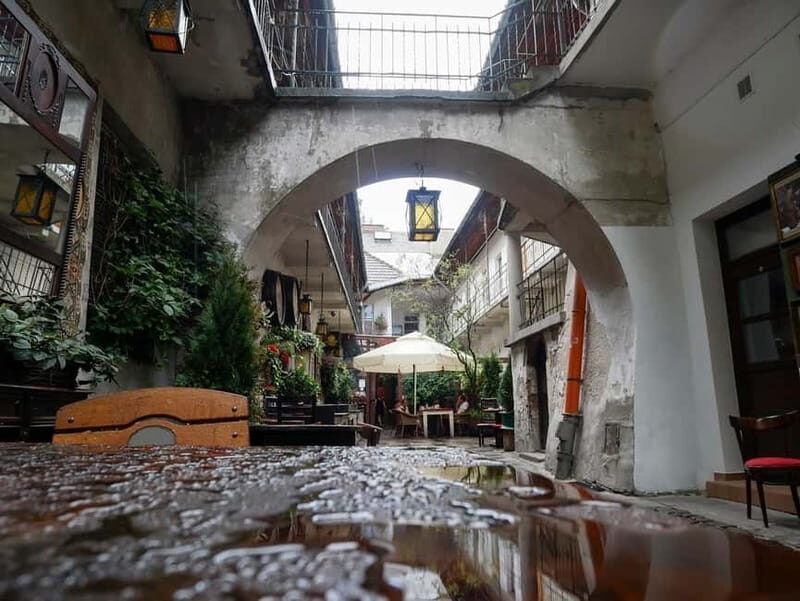
Your tour meets on the steps of the Old Synagogue, where the guide will be holding an excursions.city sign. Plan to arrive at least 10 minutes early, because once the group sets off, joining late isn’t possible.
This is a walking tour that runs about 90 minutes to 2 hours. You’ll move at a human pace through Kazimierz, but you will be on your feet for most of it, so comfortable shoes matter more than people think.
One more practical point: the tour runs in a single chosen language, picked when you book. The available languages include Spanish, English, German, French, Italian, Swedish, Russian, Slovak, and Portuguese, so you can match the route to what you’re most comfortable following.
Szeroka Street: The Neighborhood’s Old Main Street of Jewish Communal Life
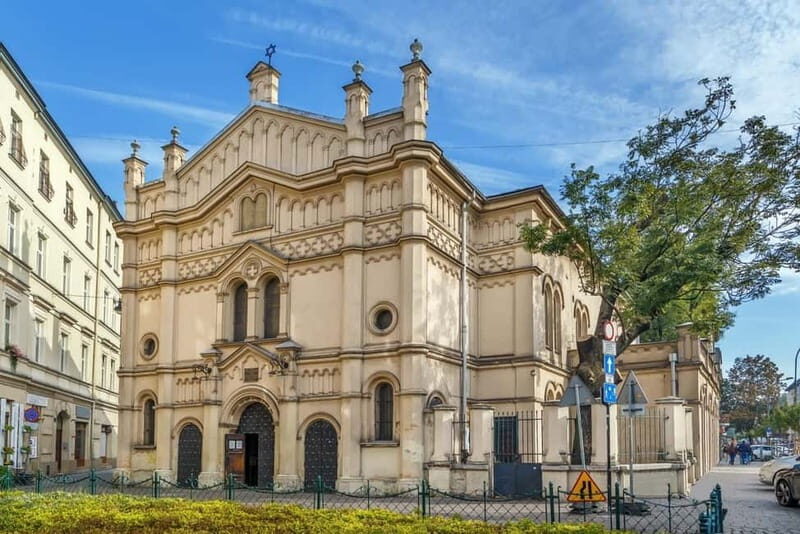
The walk begins on Szeroka Street, a place tied to the older heart of Jewish communal life in Kazimierz. Here, you see how faith wasn’t only something practiced on holidays. It shaped the rhythm of the neighborhood, the architecture around it, and the way people understood community.
I like that the guide’s storytelling keeps it grounded. Instead of turning Kazimierz into a list of sites, you get a sense of how people lived, prayed, and gathered. That’s what makes the later visits to the synagogues feel more meaningful, because you’re not just looking at buildings—you’re learning what they were for.
You’ll also notice the surrounding townhouses and historic streetscapes dating roughly from the 16th to 18th centuries. They help you picture a city block where religious identity and daily routines sat side by side.
You can also read our reviews of more walking tours in Krakow
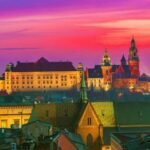

The Old Synagogue Museum: A Preserved Landmark Tied to Practice
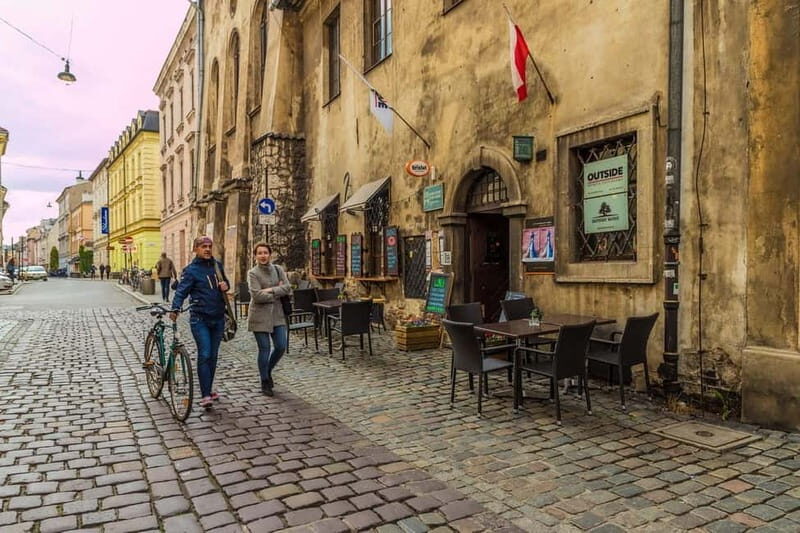
The tour’s first major stop is the Old Synagogue, described as the oldest preserved synagogue in Poland. Today it functions as a museum that documents Jewish history and religious practice, so you’re not only seeing a historic structure—you’re learning in a space designed to carry that story.
This stop works well because it gives you a foundation. If you’re new to the topic, you’ll leave with clearer basics on how worship and community life worked before the war. If you already know some history, it still helps because it organizes what you’ve learned into a timeline and a sense of place.
A museum inside a working memory-space can feel heavy. That’s normal. The value here is that you’re given context instead of stumbling into the experience cold.
Remuh Synagogue and Cemetery: Why Remembrance Changes How You Walk
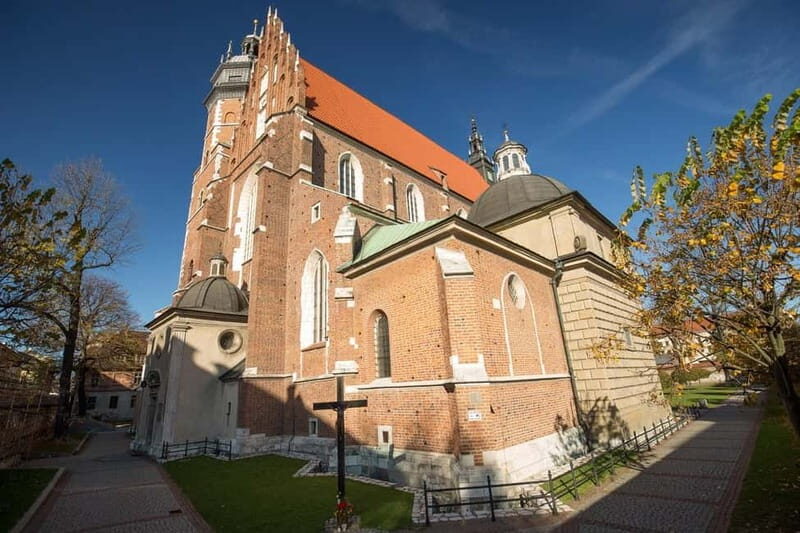
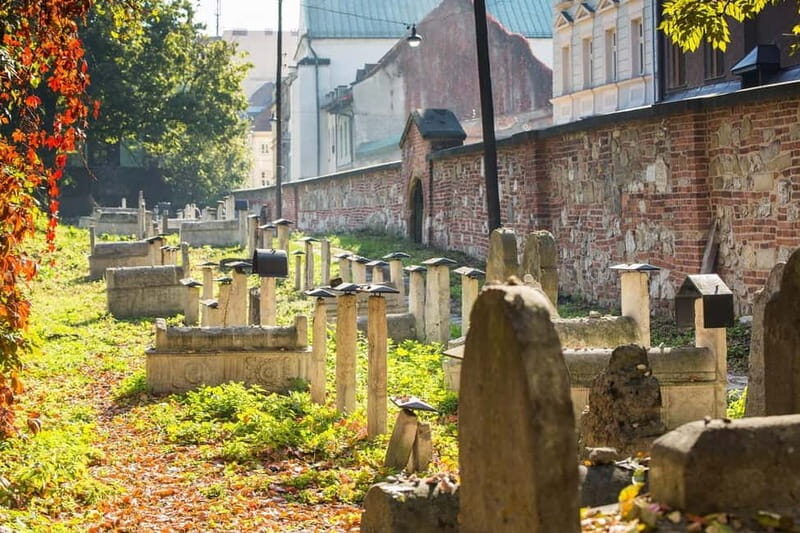
Next comes the Remuh Synagogue and Cemetery, a site with lasting spiritual significance and deep memory. This is the point where Kazimierz stops feeling like “a district” and starts feeling like a set of rooms in someone’s shared past.
I like how this part of the tour is framed around meaning rather than shock. The guide connects the religious importance of the synagogue with what a cemetery represents to the living community. You get a better understanding of why certain names, customs, and spaces continue to matter.
You’ll likely walk more slowly here. Even if your mind is processing facts, your body tends to follow the tone of the place. That’s one reason I’d call this stop essential to the overall experience.
Kupa Synagogue: One Community, Different Layers of Everyday Life
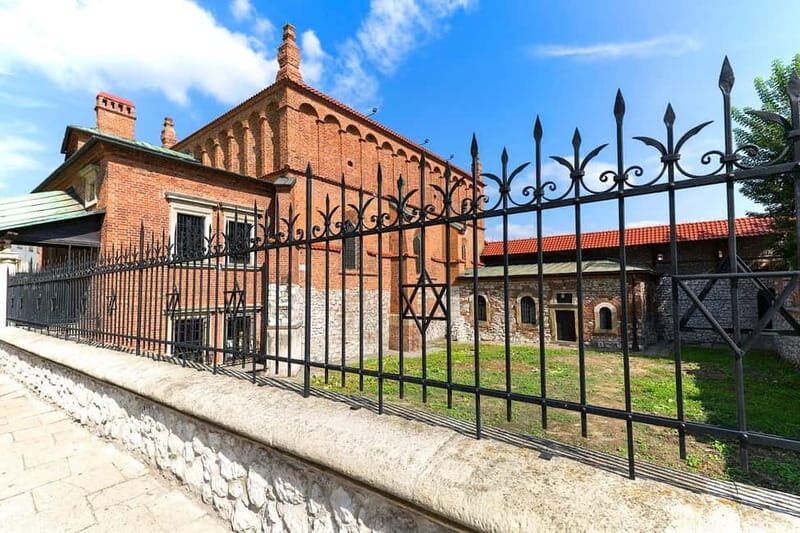
The route also includes the Kupa Synagogue, tied to the poorer members of the community. That detail matters because it complicates the stereotype that a community is one uniform group.
You’re learning that Kazimierz wasn’t just about grand traditions. It also held the everyday reality of economic differences, social support, and how faith looked in different lives. This is a key part of what makes the tour feel human.
In practice, the guide helps you connect the building to the people who would have relied on it. That changes how you see “sites” throughout the walk, because each stop becomes a clue to how community life worked.
Tempel Synagogue: Aspirations, Change, and a More Modern Jewish Identity
Another contrasting stop is the Tempel Synagogue, which reflects aspirations of a more modern, assimilated Jewish society. That’s a big theme, and it’s handled in a way that doesn’t require you to be a historian to follow.
Instead of presenting Kazimierz only as a single story, the tour highlights that Jewish life in Krakow evolved. Ideas about integration, modern education, and community direction were real, and they showed up in places built and used by different groups.
This part of the walk can be a gut-check if you’ve only seen Jewish history through the lens of tragedy. Here, you’re reminded that before that era, there were ambitions, debates, and changing identities—history with motion, not just monuments.
You can also read our reviews of more guided tours in Krakow

Plac Nowy: Where Past and Present Share the Same Streets
The tour also moves through Plac Nowy, an area where layers of history intersect with contemporary life. This is where you get a sense of why Kazimierz feels both old and current at the same time.
I like Plac Nowy because it helps you understand the neighborhood today without turning it into a theme park. The guide’s explanations keep you aware that the modern streets still sit on top of older stories, some celebrated and some painful.
This stop is also where the tour’s theme—faith, coexistence, historical events—starts to feel less abstract. You see how Krakow’s Jewish community left traces that still shape the atmosphere, even when much has changed.
How the Tour Holds Together Faith, Coexistence, and Survival
The best part of this experience is the way the walk ties themes together. Kazimierz is described as a district shaped by memory, loss, and survival, and the route is designed to match that reality.
You learn about Jewish traditions, everyday life, and religious practices before the war. That matters because it gives you something specific to picture: routines, community gatherings, religious meaning in daily spaces. Without that, the later memorial tone can feel like a generic somber visit.
At the same time, the guide helps explain how coexistence—faith alongside other communities—and historical events influenced Krakow’s past. It’s not presented as a single timeline of doom. It’s framed as a complicated human story, where buildings, community choices, and social differences all played a role.
If you’re the kind of traveler who wants to understand what you’re seeing, this is the right style of tour. It’s respectful, grounded, and focused on interpretation rather than speed.
Price and Value: What $27 Buys You in Kazimierz
At about $27 per person for roughly 90 minutes to 2 hours, the value is in the guided context. You’re not paying for transport or a long itinerary of stops across town. You’re paying for interpretation of multiple meaningful places in one compact loop.
The tour includes a licensed, professional local guide and a guided walk of Kazimierz. That’s a big deal in a neighborhood where architecture and symbolism can be easy to miss on your own. A good guide helps you read the street and understand why certain synagogues are distinct.
What’s not included is also worth noting. There are no meals or drinks, and there’s no hotel pickup or drop-off. So you’ll want to plan to grab something before or after on your own, and you should be ready to get to the meeting point.
Also, a private group is available if you want a smaller, calmer experience. That’s useful for families or friends who don’t want to follow the group at someone else’s pace.
Who This Walking Tour Is Best For (and Who Should Skip It)
I’d recommend this tour if you want a serious, respectful introduction to Kazimierz. It’s a strong fit for travelers who like learning through place-based history—synagogues, cemeteries, and community spaces—rather than only reading facts on a phone.
It also suits you if you care about understanding everyday religious life before the war. The emphasis on traditions, everyday life, and practice helps you connect emotionally and intellectually.
Skip it if you have mobility limitations. The tour isn’t suitable for people with mobility impairments or wheelchair users, and the route involves walking and synagogue areas where access may be difficult.
And one more rule to keep in mind: alcohol and drugs are not allowed. It’s a memorial-and-heritage type of setting, so the tone stays appropriate.
Should You Book This Kazimierz Jewish Quarter Tour?
If you’re visiting Krakow and want Kazimierz to make sense, I think this is a smart booking. It’s priced accessibly, it’s the right length, and the route hits the kinds of sites you can’t fully understand without guidance.
Book it if you want:
- Context for what each synagogue and square represents
- A walk that balances faith, memory, and the social realities of the community
- A local guide who can explain the differences between older communal structures and later modern shifts
Don’t book it if you need wheelchair access or a low-walking itinerary. In that case, you’d be better off choosing a different format that better matches your pace and accessibility needs.
FAQ
FAQ
Where do I meet the guide?
Meet your guide on the steps of the Old Synagogue. The guide will hold an excursions.city sign.
How long is the tour?
The tour runs for about 90 minutes to 2 hours.
How much does it cost?
It costs about $27 per person.
What’s included in the price?
The tour includes a licensed, professional local guide and a guided walking tour of the Kazimierz district.
What languages are available?
The live guide is offered in Spanish, English, German, French, Italian, Swedish, Russian, Slovak, and Portuguese.
Is alcohol allowed during the tour?
No. Alcohol and drugs are not allowed.
What happens if I arrive late?
You should arrive at least 10 minutes before the scheduled start. After the group has set off, joining late isn’t possible and refunds aren’t available.
Is free cancellation available?
Yes. You can cancel up to 24 hours in advance for a full refund.