REVIEW · KRAKOW
Kraków in a nutshell – walking tour
Book on GetYourGuide →Operated by ZeeTour · Bookable on GetYourGuide
A great first stop for Krakow’s Old Town. In about 100 minutes, you’ll get a clear route from Florian’s Gate to Wawel Hill, plus stories that explain how Poland and Krakow got shaped. I especially liked the history made human approach and the practical ideas the guide gives for the rest of your day. The main drawback to consider is simple: this is a fast walk, so if you’re hoping for lots of long museum time or slow wandering, you may feel slightly rushed.
This is the kind of tour that helps you stop guessing. With an English-speaking native guide (and yes, Zee is mentioned by name in the feedback), you’ll connect the dots between places like the Cloth Hall, St. Mary’s Basilica, and the Jagiellonian University without needing prior knowledge. It runs rain or shine, so bring your comfortable shoes and expect some outdoor time.
In This Review
- Key Points That Make This Tour Worth It
- Fast Old Town Orientation: Florian Gate to Wawel Hill
- ZeeTour Meeting Point and How the Walk Runs Rain or Shine
- Main Market Square and Cloth Hall: Poland’s Everyday Power
- St. Mary’s Basilica, Czartoryski Museum, and the Barbican Wall Walk
- Florian Gate, Jagiellonian University, and the City’s Thinking Ahead
- Wawel Hill and St. Peter and St. Paul: The Stories You’ll Remember
- Price and Value for a First-Day Krakow Expert
- Should You Book This 100-Minute Walking Tour?
- FAQ
- How long is the Kraków in a nutshell walking tour?
- What does the tour cost?
- Where does the tour start?
- Is the tour in English?
- What places are included on the route?
- Are entrance fees included?
- Is the tour canceled if it rains?
- What should I bring?
- Is the tour wheelchair accessible?
- Is alcohol allowed during the tour?
Key Points That Make This Tour Worth It
- Turn into an Old Town guide in 90–100 minutes, not 3 hours
- Zee’s clear, passionate storytelling focused on Poland, Krakow, and Polish people
- A tight route through the landmarks you’ll hear about no matter what else you do
- Built-in direction for the rest of your trip, including what to eat and see next
- Most sites are covered from the ground up, so you get context before paying entrance fees
- Works for first arrivals, especially if you want a plan before going off on your own
Fast Old Town Orientation: Florian Gate to Wawel Hill
If you’re landing in Krakow and feeling that first-day fog, this walking tour is made for that exact moment. You cover a high-importance loop through the Old Town highlights, so you come away knowing where the action is and what to prioritize later.
The big value is the way the guide ties history to the street level. You don’t just hear dates. You hear how people lived, traded, studied, and defended the city, and why these landmarks matter right where you’re standing. It’s a short sprint with meaning.
One more thing I like: the tour doesn’t put you in a single topic box. You can expect discussion that can touch economics, politics, education, and art, depending on what the group and guide bring up. That makes it feel less like a script and more like a conversation with someone who actually lives there.
You can also read our reviews of more walking tours in Krakow

ZeeTour Meeting Point and How the Walk Runs Rain or Shine
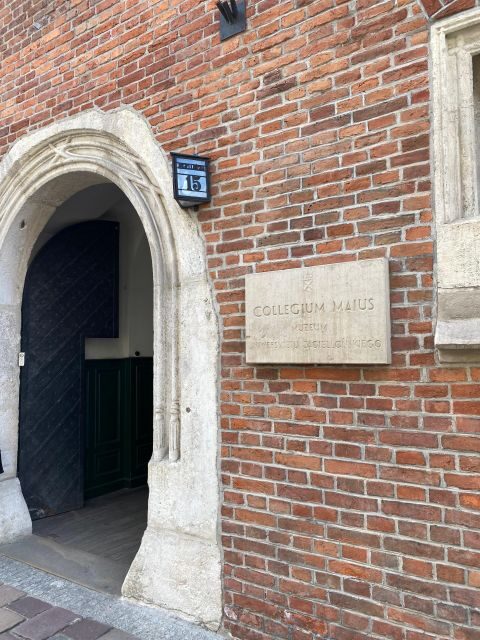
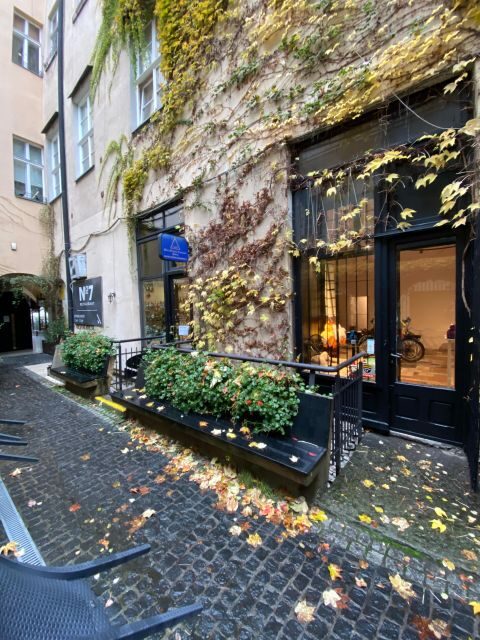
Meet at the ZeeTour office. Look for the building with Restaurant No7, then go inside and check the courtyard. The shop is second on the left.
From there, the experience is straightforward: an English-speaking guide leads you on a guided walk of about 1.5 hours. Expect a steady pace. It’s ideal for orientation, not for lingering.
Because it runs rain or shine, plan accordingly. If the weather turns, being prepared with proper shoes and a small water bottle keeps it comfortable. Entrance fees are not included, so if you want to go inside any paid sites later, you’ll do that on your own schedule using the guide’s recommendations.
Main Market Square and Cloth Hall: Poland’s Everyday Power
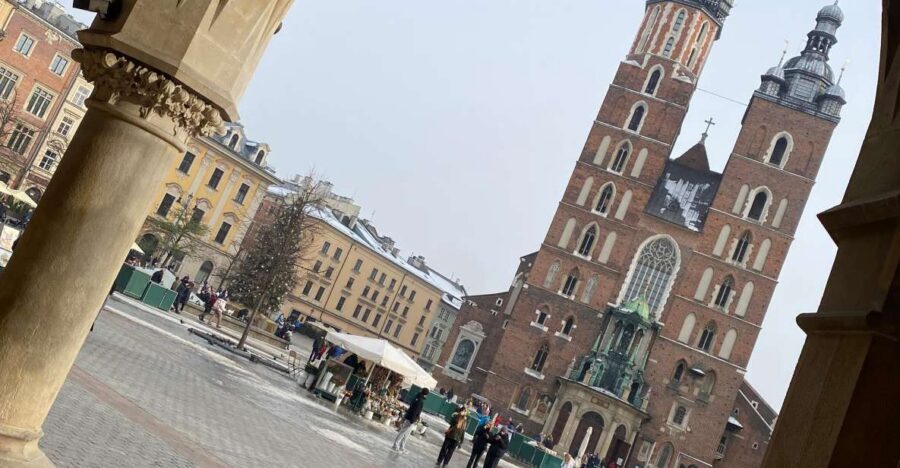
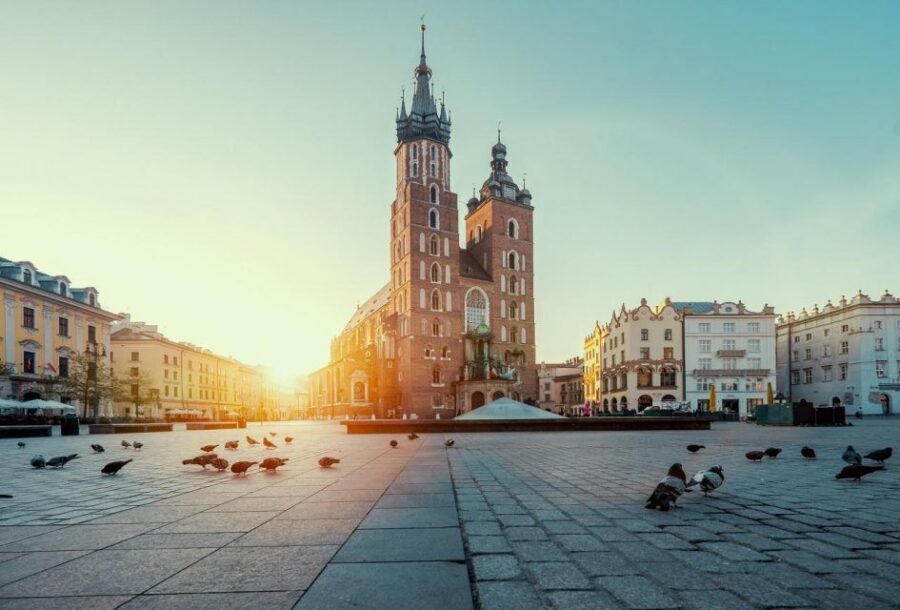
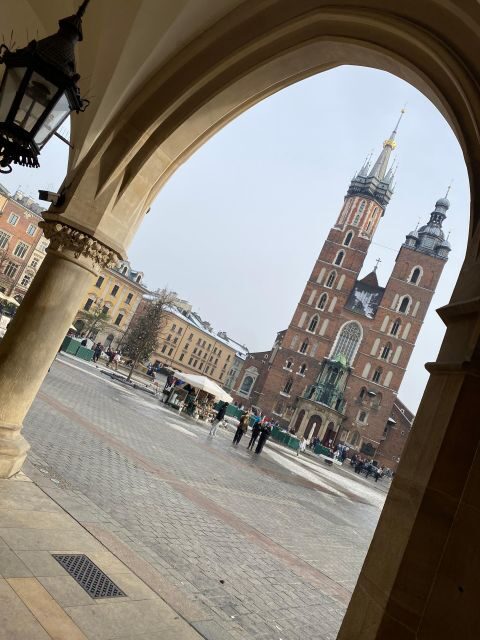
You start where Krakow always starts: the Main Market Square. This isn’t just a pretty plaza for photos. It’s the city’s public stage—where commerce, civic life, and power show up in physical space. The guide’s job here is to help you understand what you’re looking at before you move on.
Right after, you’ll visit the Kraków Cloth Hall. This is one of those places where you can feel the history of trade even if you don’t know the details yet. The Cloth Hall represents a time when the city’s wealth depended on merchants and craft, not just rulers and wars. When you understand that, the building stops being a backdrop and becomes a clue.
Two practical tips for this part:
- Keep your camera ready, but also listen—this is where stories help the rest of the walk click.
- If you’re comparing Krakow to other European old towns, pay attention to what the guide points out about local life and institutions.
A small consideration: because the tour is time-limited, you may get explanation and viewpoints more than long interior time. That’s not a flaw—just know what kind of experience you’re buying.
St. Mary’s Basilica, Czartoryski Museum, and the Barbican Wall Walk
Next up is St. Mary’s Basilica. Even if you’ve seen churches elsewhere, Krakow’s basilica has a special role in local identity. The tour context helps you understand why this building is more than architecture—it’s a landmark people return to because it connects faith with city life.
Then you’ll head to the Czartoryski Museum. The museum stop is valuable because it reminds you that Krakow isn’t only about medieval streets and legends. It also preserves collections tied to Polish cultural memory. You get enough orientation to decide later whether you want extra time inside.
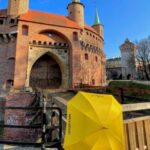
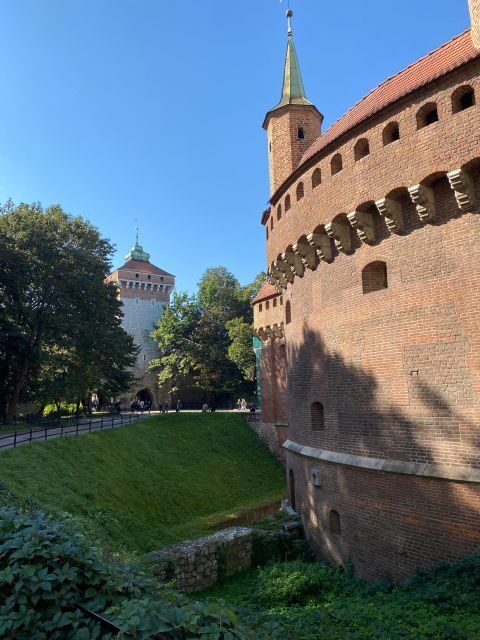
The walk also includes the Kraków Barbican. This is where the tour’s “how the city worked” theme really shows. The Barbican helps explain defense and movement—how Krakow protected itself and how the Old Town’s layout supported that.
If you’re wondering whether the tour is mostly sightseeing or actually educational: this segment is where it becomes educational. You’re seeing defensive architecture, major religious space, and cultural institutions in the same loop.
One practical drawback to consider: museums and churches often have their own rules and lines. Since entrance fees aren’t included, the tour may focus on what you can understand without paying at every stop. Plan to add paid entry later if a specific site grabs you.
Florian Gate, Jagiellonian University, and the City’s Thinking Ahead
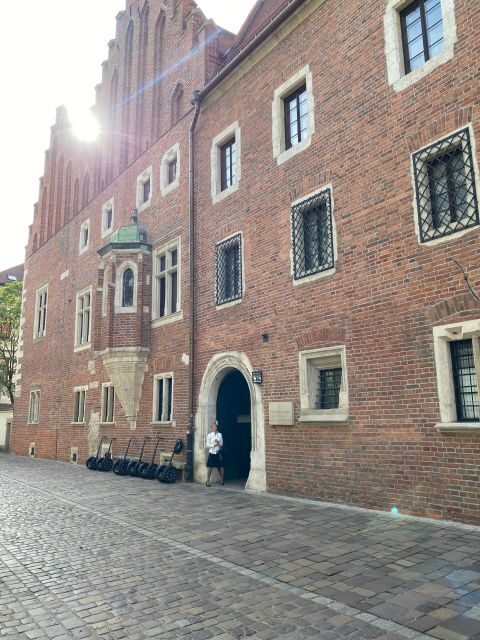
As you move toward the Florian Gate, you’re going from square-and-church Krakow to the idea of city boundaries. Florian’s Gate is a classic Old Town threshold: you’ll understand it better when your guide frames it as part of how Krakow functioned as a defended city.
Then comes Jagiellonian University, one of Krakow’s major academic anchors. This is an important stop because it shifts the story away from walls and markets and toward ideas. Education shapes a city over centuries, and the university is one of the reasons Krakow became more than a trading point. In this section, you’ll likely connect history to what you see today, especially through the guide’s discussion style—clear, local, and grounded.
I like that this isn’t just history for history’s sake. When the guide talks about politics and education along the walk, it helps you notice how institutions influence everything from where people gather to how the city earns its reputation.
What to watch for here: the pace. If you’re the type who enjoys reading every sign and lingering at every overlook, you might want to save your deepest exploration for after the tour. The payoff is that you’ll know exactly where to return.

Wawel Hill and St. Peter and St. Paul: The Stories You’ll Remember
The tour’s ending focus is Wawel Hill. This is the kind of place where the city’s big themes converge—power, identity, and national story—so it works well as a final anchor. By the time you reach Wawel, you’ll have heard enough about Poland and Krakow to make the hill feel like more than a view.
The last stop is the Church of St. Peter and St. Paul. This is a helpful way to end because it adds a final layer of local religious and cultural texture. You leave with a sense of Krakow not just as an Old Town photo set, but as a living place where institutions and beliefs shaped daily life.
The best part of ending here is planning. After you’ve walked this route, you’ll know how to spend your remaining hours more intentionally—where to go next, what to prioritize, and what to skip because you already got the essential context.
One consideration: because this is a short tour, you’ll leave wanting more. That’s usually a good sign. If you hate feeling unfinished, you may prefer a longer, slower route or a tour with more paid-entry time.
Price and Value for a First-Day Krakow Expert
At about $27 per person for roughly 100 minutes, the value comes from what you’re buying: direction plus interpretation. You’re not just paying for someone to walk with you. You’re paying for a guide who can turn landmark shapes into understanding.
Think of it like this:
- If you arrive without a plan, the tour saves you guesswork. You’ll immediately know where the Old Town highlights connect.
- If you already know some history, the guide still adds angles—politics, education, economics, and art—so the stops feel connected rather than random.
It also helps that the tour is led by Krakow natives. That local perspective matters most when you’re deciding how to spend your time after the walk. In the feedback, Zee is praised for being passionate and informative, and for being helpful with other places to see and eat. That kind of “what should I do next” is often the most practical part of any city tour.
Keep in mind: entrance fees are not included. So your effective day cost depends on where you choose to go next. If you’re strategic—using the tour to identify what you truly care about—you’re more likely to spend money where it counts.
Should You Book This 100-Minute Walking Tour?
I’d book this tour if it’s your first day in Krakow and you want to get your bearings fast without spending half the day in transit or research mode. It’s also a strong match if you like storytelling that connects history to real places and you want a guide who can point you toward food and sights after the walk.
Skip it or consider a different option if you want lots of interior time, long museum visits, or a relaxed stroll where you can stop and chat for 30 minutes at one spot. This is a focused, efficient route.
If you’re on the fence, here’s the simple test: if you want to understand Krakow quickly so you can explore confidently later, this is a smart buy. If you prefer to experience each site slowly without context, you’ll probably do better with independent wandering.
FAQ
How long is the Kraków in a nutshell walking tour?
It lasts about 100 minutes, roughly 1.5 hours.
What does the tour cost?
The price is listed as $27 per person.
Where does the tour start?
The meeting is at the ZeeTour office, inside the building where Restaurant No7 is located. Look for the courtyard shop that is second on the left.
Is the tour in English?
Yes. The guide is an English-speaking guide.
What places are included on the route?
The walk covers Main Market Square, Kraków Cloth Hall, St. Mary’s Basilica, Czartoryski Museum, Kraków Barbican, Florian Gate, Jagiellonian University, Wawel Hill, and the Church of St. Peter and St. Paul.
Are entrance fees included?
No. Entrance fees are not included.
Is the tour canceled if it rains?
No. It takes place rain or shine.
What should I bring?
Bring comfortable shoes and water.
Is the tour wheelchair accessible?
Yes, the tour is listed as wheelchair accessible.
Is alcohol allowed during the tour?
No. Alcohol and drugs are not allowed, and party groups are not permitted.
If you want, tell me what time of day you’re arriving in Krakow and what you’re most curious about (food, WWII history, castles, churches, or just great views). I’ll suggest a tight plan for the rest of your day building on this route.