REVIEW · KRAKOW
Kazimierz, Schindler’s Factory & Ghetto Guided Tour
Book on GetYourGuide →Operated by INTERCRAC Ltd. · Bookable on GetYourGuide
Kazimierz tells stories on every corner. On this 5-hour guided walk, you connect the prayer streets of Kraków’s Jewish Quarter with the WWII reality that came after, plus a time-saving visit to Schindler’s Factory. It’s one of those tours where the city layout itself helps you understand the timeline.
I especially like two parts: the stop at the Old Synagogue area, where you see how community life was organized for centuries, and the Schindler’s Factory museum visit, which frames Oskar Schindler’s choices through the exhibition scenes and objects you can actually see. One thing to consider: the group can fill up (max 25), and some museum areas and narrower corridors can feel tight if you’re trying to see everything at once.
If your Kraków plan includes Auschwitz later, this tour gives you useful context first. And yes, it’s emotional—so pick the day you can handle quiet, heavy history.
In This Review
- Key things I like about this Kazimierz and ghetto tour
- Kazimierz and Podgórze: what you’re really seeing
- From Szeroka Street to Plac Nowy: your Kazimierz route in plain terms
- Old Synagogue, Remuh Cemetery, Kupa and Tempel: where faith meets daily life
- Schindler’s Enamel Factory: what the museum visit is doing for you
- Ghetto walls remnants and Ghetto Heroes Square: reading space like history
- Price, timing, and group size: is $81 worth it?
- Who should book this tour, and when it fits best
- Should you book Kazimierz, Schindler’s Factory & Ghetto guided tour?
- FAQ
- How long is the tour?
- Where do I meet the guide?
- What’s included in the price?
- Is food included?
- Which languages are available for the live guide?
- How big is the group?
- Do I need to pick a language at booking?
- Do I need to arrive early?
Key things I like about this Kazimierz and ghetto tour
- Old Synagogue start point puts you right where the story begins, on the steps of the museum
- Kazimierz synagogue walk connects faith, community roles, and daily life street by street
- Remuh and cemetery stop shows religious importance in a way that feels grounded, not abstract
- Schindler’s Factory fast-track entry saves time so you spend more of the tour inside the exhibition
- Ghetto walls remnants and Ghetto Heroes Square give you clear, physical reminders of WWII boundaries and loss
Kazimierz and Podgórze: what you’re really seeing
This tour works because it doesn’t treat history like a separate museum exhibit you pass through. You start in Kazimierz, Kraków’s historic Jewish Quarter, and you walk through places that explain how community life functioned—prayer, study, gathering, and neighborhood identity. Then you move toward Podgórze, where the former ghetto area and its memorials show the forced separation that followed.
I like that the route isn’t only “pretty streets.” Kazimierz includes historic synagogues and cemetery ground, but the guide also ties what you see to how people lived and what changed under Nazi occupation. You get both the everyday rhythm and the hard break in the same day.
The Schindler’s Factory stop is the emotional bridge. It’s not just a biography. The museum visit focuses on Kraków under Nazi Occupation 1939–1945 and shows how Schindler used influence to help Jewish workers survive deportation. You’ll hear the story of Schindlerjuden—more than a thousand people who survived because of his actions.
This is a walking tour, so the city itself becomes your timeline. You’ll feel that as you move between neighborhoods rather than hopping between random stops.
You can also read our reviews of more guided tours in Krakow
From Szeroka Street to Plac Nowy: your Kazimierz route in plain terms
The tour begins right at the Old Synagogue steps on Szeroka Street, with a Kazimierz Guided Tour sign. Getting started here matters because the group’s pace and focus are set immediately. You’re not guessing what to look for. Your guide points out what the buildings and street positions mean.
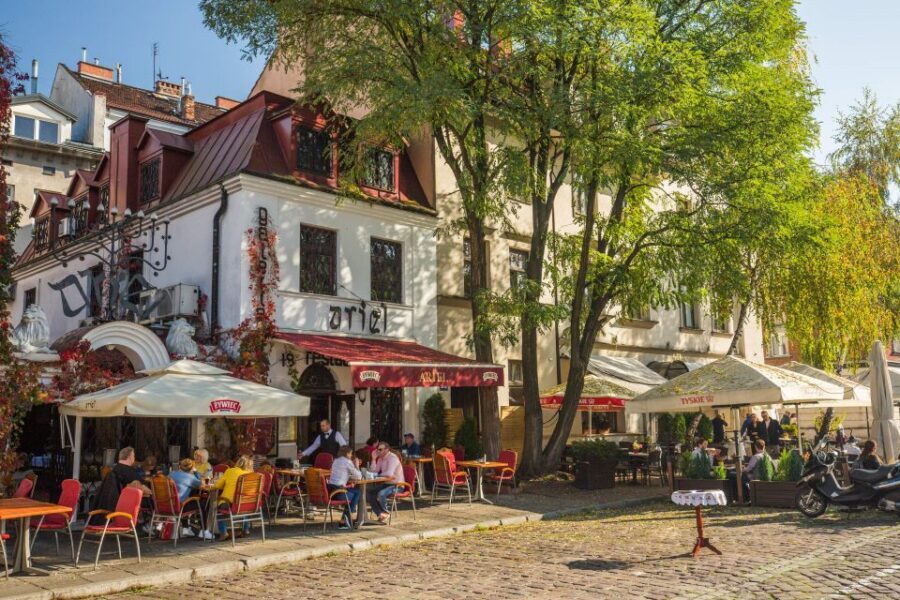
From there, you’ll walk along Szeroka Street, described as the historic heart of Kazimierz, lined with synagogues and townhouses dating to the 16th–18th centuries. This section is where you start noticing contrasts: sacred spaces next to neighborhood life. Even if you’ve only got a day in Kraków, this walk helps you orient fast.
You’ll also pass multiple synagogue sites, including the Remuh Synagogue and Cemetery. Remuh is one of the country’s most important Jewish religious sites, so expect the guide to talk about why that matters to Kraków’s Jewish community—not just dates and architecture.
The Kazimierz portion doesn’t end in solemn silence. The route concludes at Plac Nowy, a square with cafés, markets, and local art. That’s useful. It gives you a sense of what the neighborhood feels like now, instead of leaving you only with WWII imagery.
Practical note: because it’s a walking route with multiple stops, comfy shoes are non-negotiable. This is not the kind of tour where you can comfortably “rest your legs” without falling behind.
Old Synagogue, Remuh Cemetery, Kupa and Tempel: where faith meets daily life
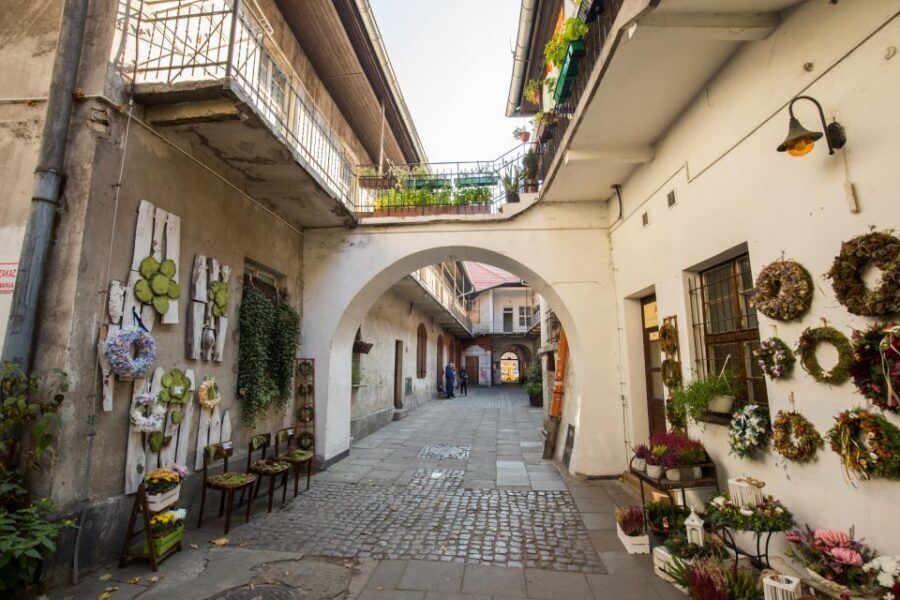
One of the best things about this tour is that it treats each stop as a piece of community function, not just a landmark.
Here’s how the key synagogue-related moments tend to land when you’re on foot with a licensed guide:
- Old Synagogue (meeting-area museum stop): You’ll learn how it’s the oldest preserved synagogue in Poland. It’s used today as a museum of Jewish history, so you’re stepping into a place where memory is kept in a physical way.
- Remuh Synagogue and Cemetery: Cemeteries can feel overwhelming if a guide doesn’t explain what you’re looking at. With this one, you’re given context for why it’s important and how religious life ties into remembrance.
- Kupa Synagogue: This is the stop that often hits differently because it connects the building to social reality. Kupa Synagogue once served the poorest residents, which helps you understand class, access, and community support.
- Tempel Synagogue: This one points forward—your guide will connect it with present-day cultural life since it’s an active center now.
If you like history that explains people, not just events, you’ll enjoy this part. It’s the difference between “learning about” and actually getting a sense of how a neighborhood worked.
Also, small but important: your tour is in a single language per group. Languages offered include French, English, German, Spanish, and Italian. If you’re booking in a language you’re comfortable with, you’ll catch more of the details the guide shares at each site.
And a quick name you may hear: Aneta is one guide name that has been singled out for strong explanations and pacing during the Kazimierz-to-factory flow. If you see the name in your schedule, it’s a promising sign.
Schindler’s Enamel Factory: what the museum visit is doing for you
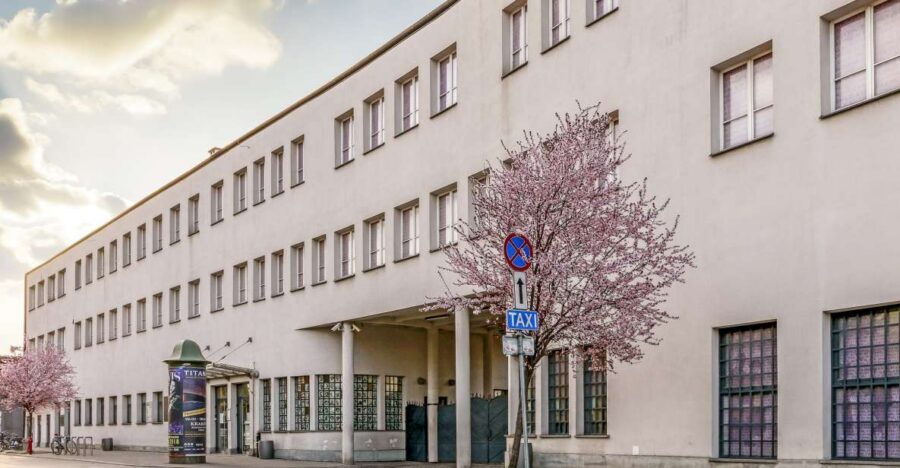
The Schindler’s Factory part isn’t just a ticketed add-on. It’s the point where the tour becomes explicit about WWII and moral choice.
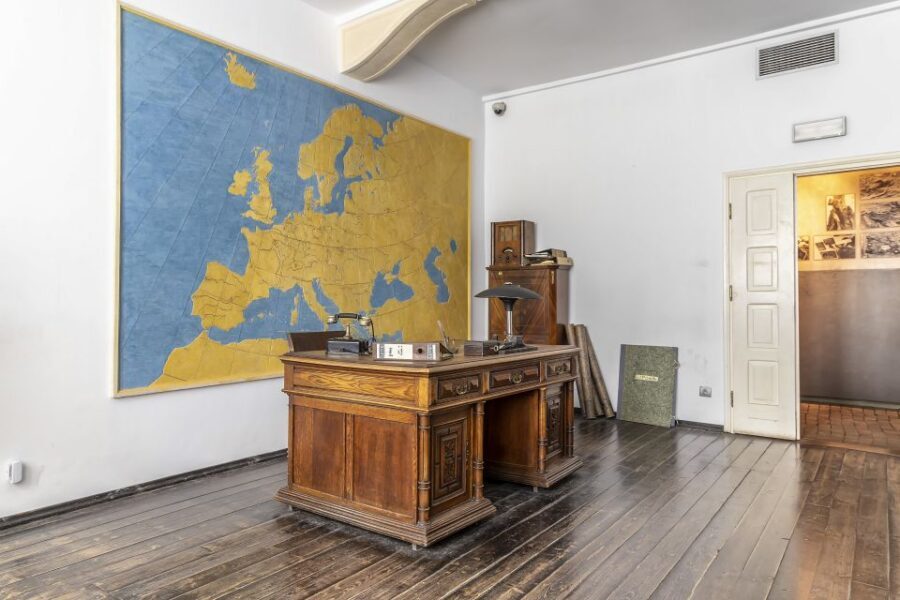
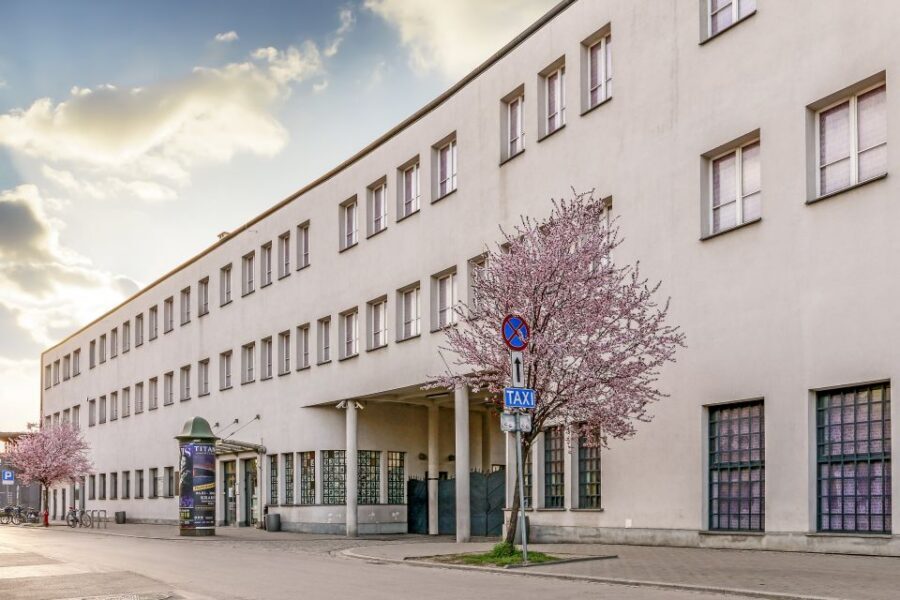
Even though the building originally functioned as Schindler’s factory, it operates now as a museum. That matters because there’s no original production equipment here for you to see. Instead, the exhibition uses photographs, personal objects, and reconstructed street scenes to show fear, uncertainty, and day-to-day struggle under occupation.
Inside, you’ll follow the exhibition Kraków under Nazi Occupation 1939–1945 through the lens of Oskar Schindler. The key story is that he employed Jewish workers and used his position, influence, and resources to protect them from deportation. More than a thousand survived because of these actions—your guide will connect the big story to human stories you can name and picture.
The fast-track admission included in this tour is a smart value move. You’re paying for a guided route, and time matters. In a museum, even a short wait can eat into your attention span. With fast-track entry, you start the exhibition sooner and keep your guide’s narrative momentum.
One more practical angle: museum spaces are where group size can start to matter most. If the group reaches the full limit, you may have trouble seeing displays clearly if you’re stuck at the back. This is where showing up a touch early helps—get settled, then listen.
Ghetto walls remnants and Ghetto Heroes Square: reading space like history
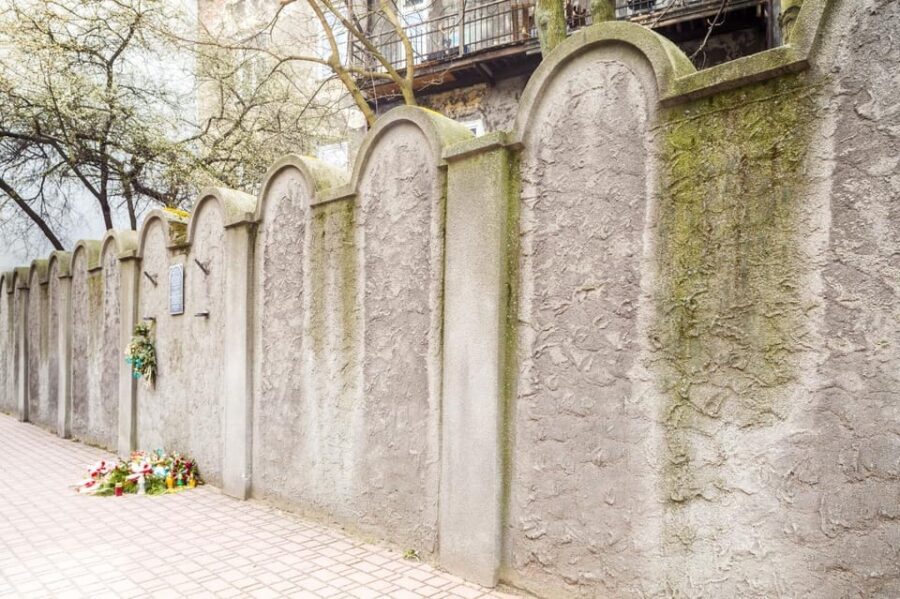
After Schindler’s Factory, you shift from individual rescue efforts back to the system that created mass confinement. This part of the tour takes you through the former Jewish Ghetto area in Podgórze and toward remnants of the ghetto walls.
Seeing fragments of Ghetto Walls in person is different from reading about them. The guide can point out how boundaries physically separated people from the rest of the city. It’s a blunt reminder that confinement wasn’t abstract—it was built.
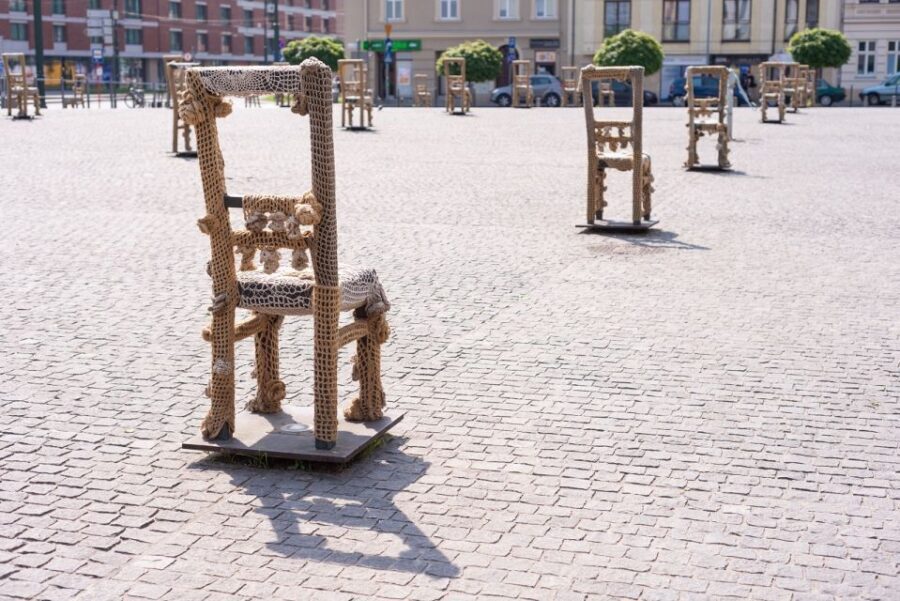
Next comes Ghetto Heroes Square, which serves as a remembrance space for the former ghetto area’s center and deportation-related history. Today, the memorial of empty metal chairs is one of the emotional anchors of the tour. The guide explains the symbolism tied to lives lost, and the square’s stillness makes it land.
This section is where I recommend you slow down mentally. Don’t rush to “finish the tour.” Let the place do its job. You’re being shown where cruelty became routine, and why remembering names and loss matters.
Weather also plays a role here. The tour is walking, and this area can be exposed. If it’s windy or rainy, plan for comfort so you can focus.

Price, timing, and group size: is $81 worth it?
At $81 per person for a 5-hour guided walk, you’re paying for three things: a structured route through two key Kraków areas, a licensed guide who connects sites, and fast-track admission to Schindler’s Factory.
If you were to do this day on your own, you’d still want guidance. The synagogues and the ghetto memorials are not “self-explanatory” at street level. A good guide helps you avoid the common problem of seeing important buildings and missing why they mattered.
So the value is in the narrative. You get Kazimierz life context, then Schindler’s wartime story, then the ghetto boundary reality. That sequencing is practical, too—it reduces guesswork and makes your time feel intentional.
Timing matters as well. The tour is about 5 hours, and museum or site schedules can shift the exact starting time. Also note that group tours run with a maximum group size of 25, and tours run in a single language for the group. If you’re sensitive to tight spaces, pick a tour slot on a day when you’re confident you can tolerate crowded interiors for short stretches.
One more cost reminder: food and drinks are not included. That’s normal for walking tours, but it’s worth planning so you don’t end up hungry at the most serious stops.
Who should book this tour, and when it fits best
Book this if you want WWII and Jewish Kraków context without spending a full day on one institution. This is especially helpful if your Kraków trip includes a later visit connected to Auschwitz—this tour gives background that makes later information easier to process.
It also suits you if you like walking tours that explain real places and real roles: you’ll hear about community life, traditions, and how social differences existed even inside religious settings (like Kupa Synagogue serving the poorest residents). Then you’ll see how occupation and deportation changed everything.
Choose another option if you know you dislike emotional memorial spaces. This tour includes ghetto history and a memorial tied to loss, so it isn’t “light sightseeing.” If you’re having a tough day, you might want to reserve this for a calmer moment.
And if your schedule is tight, the meeting point and start time discipline are key. You should arrive at least 10 minutes early because late arrivals can’t be accommodated and tickets are non-refundable.
Should you book Kazimierz, Schindler’s Factory & Ghetto guided tour?
Yes, if you want one guided day that links Jewish life in Kazimierz to the WWII realities in Podgórze—and you’re happy to walk and think. The combination of Kazimierz synagogue-focused storytelling plus Schindler’s Factory fast-track entry gives you strong value for a single 5-hour block.
I’d especially recommend it when you want context, not just facts. This route helps you understand how Kraków changed under occupation, and why Schindler’s choices mattered. Just go in with the right mindset: comfortable shoes, realistic expectations about tight indoor spaces, and enough mental space for the memorial moments.
FAQ
How long is the tour?
The tour lasts 5 hours.
Where do I meet the guide?
Meet on the steps of the Old Synagogue. The guide will be holding a Kazimierz Guided Tour sign.
What’s included in the price?
You get a guided walking tour through Kazimierz and the former Nazi Jewish Ghetto in Podgórze, plus professional licensed guiding and fast-track admission to Schindler’s Factory.
Is food included?
No. Food and drinks are not included.
Which languages are available for the live guide?
The tour offers French, English, German, Spanish, and Italian.
How big is the group?
Group size is limited to a maximum of 25 participants.
Do I need to pick a language at booking?
Yes. All group tours are conducted in a single language, and you should select your preferred option when booking.
Do I need to arrive early?
Yes. Please arrive at least 10 minutes prior to the tour start time, because late arrivals cannot be accommodated.