REVIEW · WARSAW
From Warsaw: Auschwitz-Birkenau Guided Tour with Fast Train
Book on GetYourGuide →Operated by Time4Poland.com · Bookable on GetYourGuide
Auschwitz is one of those days you never forget. This Warsaw-to-Auschwitz experience uses a smooth fast-train connection plus an organized guided visit, so you spend your energy on the sites, not on logistics. You’ll see Auschwitz I and Auschwitz II-Birkenau with a licensed guide, then return the same day.
What I like most is how easy it is to get from Warsaw to the camp complex without juggling schedules. You also get a live, licensed guide and headsets for the museum explanations, which makes the visit feel more focused even when the content is heavy.
The main consideration is the day itself: it’s long and starts early. Plan for a full stretch on trains and in the sites, and be ready for a brisk pace—especially between sections—so you can’t expect long, quiet wandering time.
In This Review
- Quick hits
- The full Auschwitz-Birkenau timeline from Warsaw (15 hours)
- Door-to-door transport: less stress, more headspace
- Auschwitz Museum I: what the guided structure helps you understand
- Auschwitz II-Birkenau: scale, layout, and why the second site matters
- Audio, pace, and staying comfortable (headsets help, but plan anyway)
- Price and value at $181: what you’re really paying for
- Dress code, ID, and what you must leave behind
- Who should book this Auschwitz fast-train tour (and who should skip it)
- Should you book it?
- FAQ
- How long is the Auschwitz-Birkenau guided tour from Warsaw?
- What’s the price per person?
- Is hotel pickup and drop-off included?
- How do you get from Warsaw to the Kraków area?
- Are entry fees and headsets included?
- Is food included?
- What languages is the live tour guide available in?
- What are the restrictions for what you can bring or wear?
Quick hits
- Hotel pickup + driver support makes getting to the station and back straightforward
- Fast train Warsaw–Kraków (about 2.5 hours) cuts down what would otherwise be a tiring trip
- Licensed guide + headsets helps you follow the story clearly across both museums
- Auschwitz I and Birkenau cover both the museum exhibits and the camp’s preserved layout
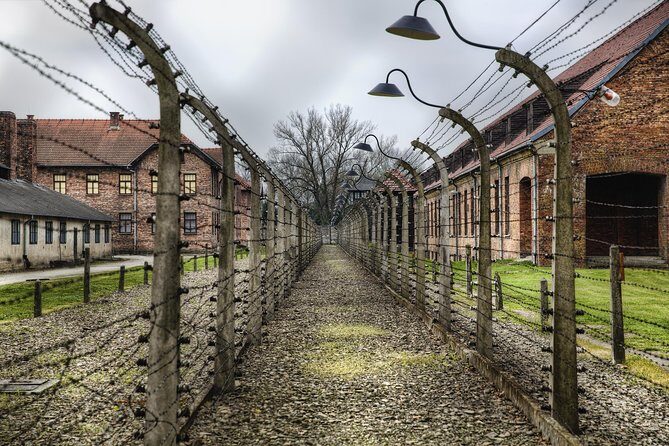
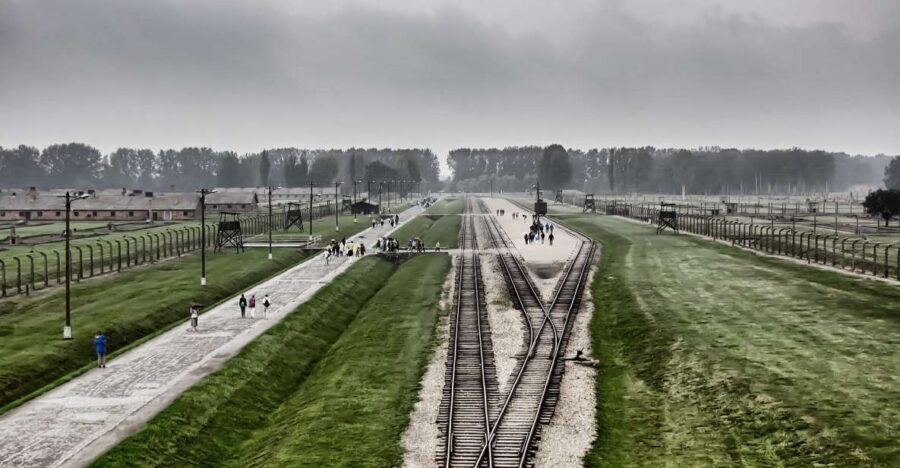
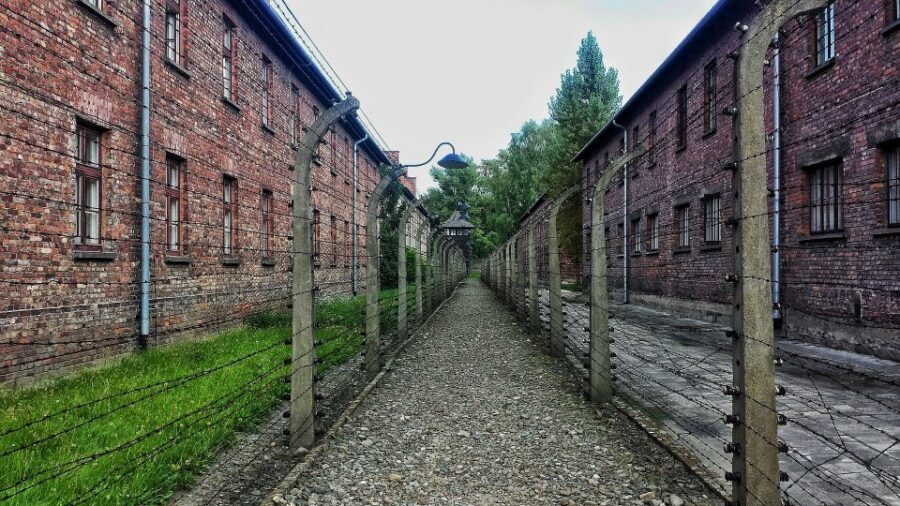
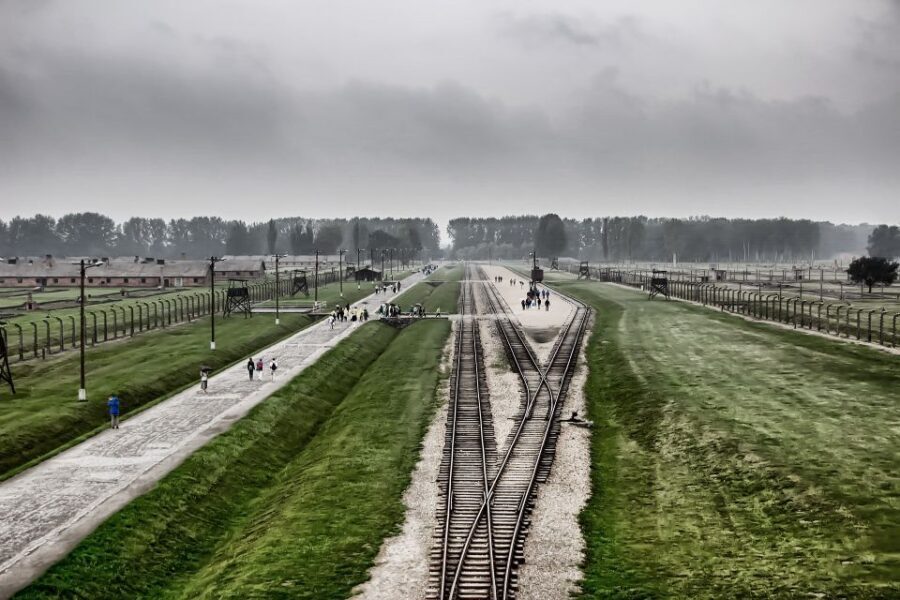
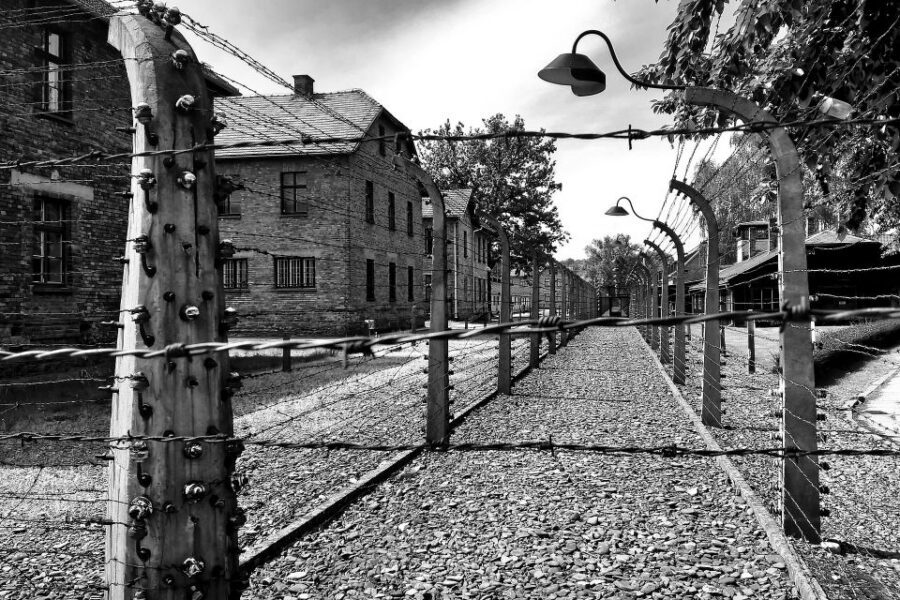
- Original fences, watch towers, roads, and gas chambers are part of what you’ll actually see on-site
- A real break (about 15 minutes) between Auschwitz I and Birkenau helps you reset
The full Auschwitz-Birkenau timeline from Warsaw (15 hours)
This is a one-day Auschwitz-Birkenau tour built around moving you efficiently from Warsaw to the Kraków area and then to the camp. The total duration is listed as about 15 hours, which is the first thing to wrap your head around. You’re trading a normal travel day for one intense day where history takes center stage.
In practice, the day starts with hotel pickup. Your host then helps you get to the station and boards you onto the train. The key time win is the fast train to Kraków in about 2.5 hours, which keeps the morning from turning into a full day of transit.
After that, you meet your driver in Kraków and go by van to Auschwitz. Once at the site, your time is split between Auschwitz Museum I and Auschwitz II-Birkenau, with a short break (around 15 minutes) between them. After the visit, you head back to Kraków, take the train back to Warsaw, and return to your hotel.
One more practical note: train times can vary by actual service. I’d treat the about 2.5 hours estimate as your baseline, but also plan your expectations for the return ride to potentially feel longer, since not every timetable lands exactly the same.
You can also read our reviews of more guided tours in Warsaw

Door-to-door transport: less stress, more headspace
I really appreciate tours like this when the destination is already emotionally demanding. Here, the transport is handled end-to-end, which means you avoid the hardest part of the day: figuring out how to get from Warsaw to Auschwitz on your own.
Included in the price are roundtrip transportation, hotel pickup and drop-off, and a dedicated driver. The driver approach is simple: you’re collected from your accommodation, driven to the station, helped with boarding, then later met in Kraków for the van transfer to the museum complex. On the way back, you return to the same area in Kraków and take the fast train home.
This matters because Auschwitz visits don’t mix well with guesswork. A late start or missed connection can turn an already long day into a rushed one. With this format, you arrive with less stress and more ability to take in the experience at your own pace—within the realities of a group day.
Also, you’re given a skip-the-ticket-line style advantage. That doesn’t sound dramatic, but it can protect your time once you’re already at the site, where queues and scheduling can add up fast.
Auschwitz Museum I: what the guided structure helps you understand
Auschwitz Museum I is where the museum experience tends to hit hardest, because it’s built around documentation, exhibits, and the lived reality of the camp system. In a guided format, the benefit is that the guide can connect the items you’re seeing to the larger story of how the complex worked.
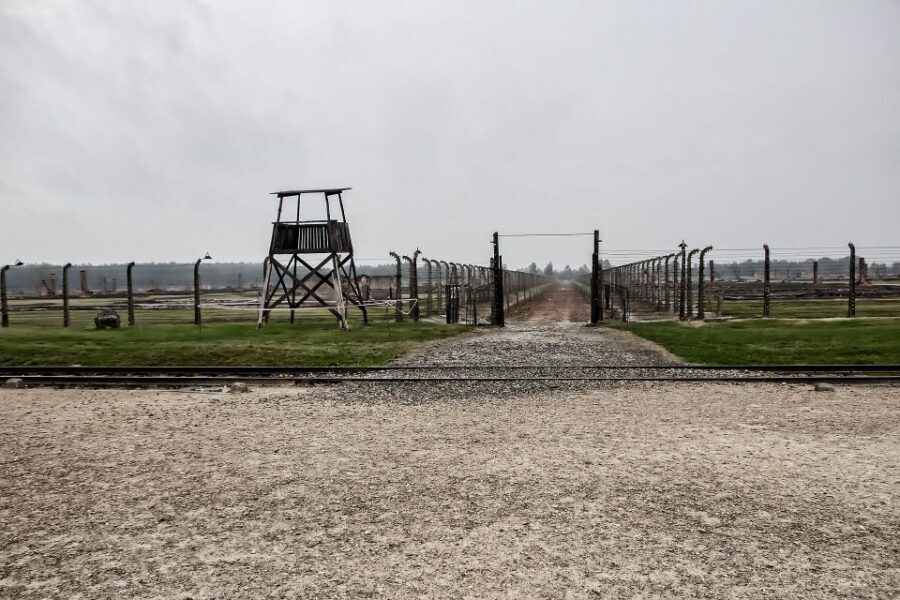
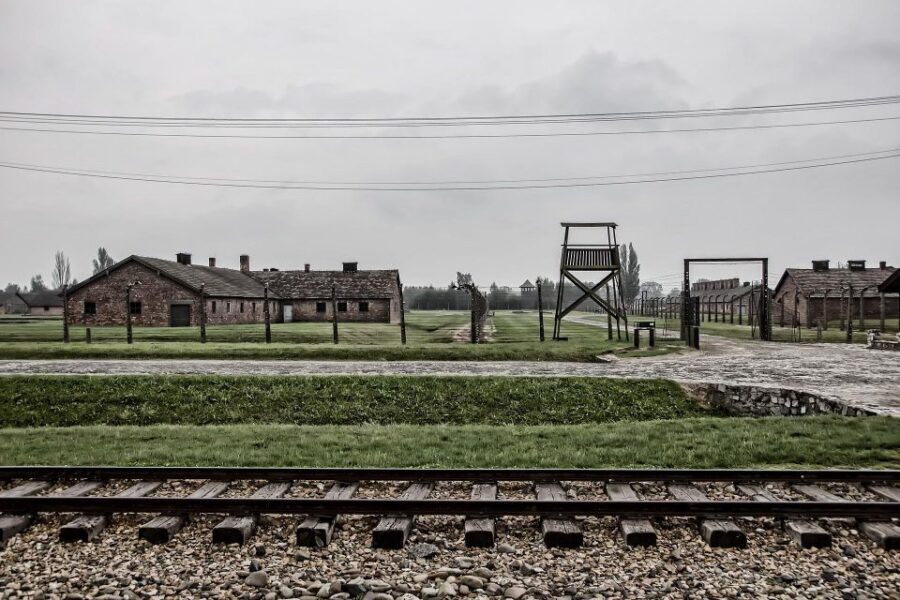
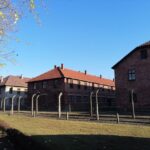
You’ll spend time with a licensed Auschwitz guide who explains the history and role of the camp in the Holocaust. The tour description is clear that you’ll also see meaningful, preserved features—original roads, fences, watch towers, and gas chambers—so this isn’t only a lecture inside an exhibit hall.
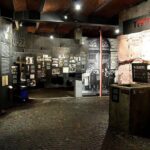
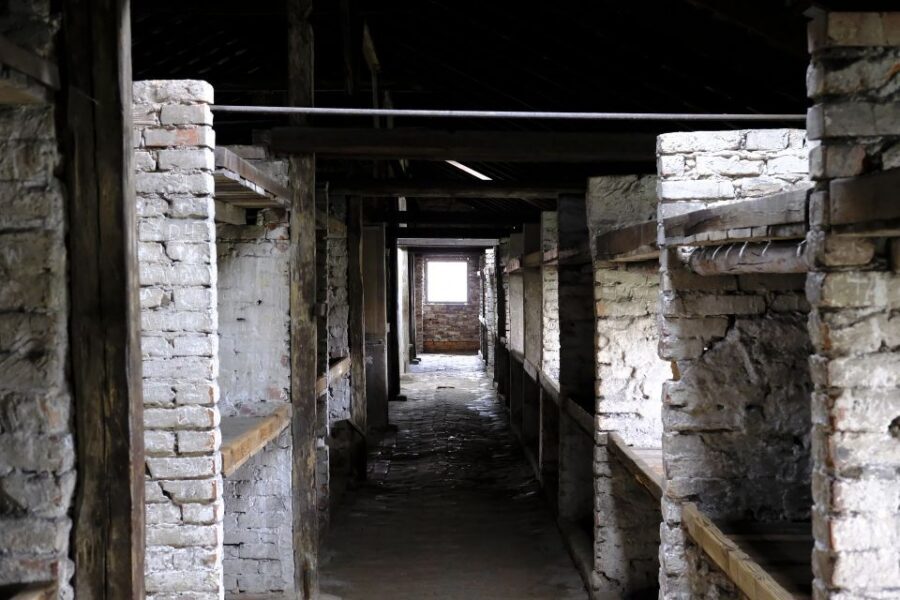
The museum portion also includes time to view somber displays that contain belongings of prisoners. That detail matters for understanding: it puts the story in human-scale objects rather than only general facts. The guide’s job is to keep the information readable and organized so your brain can follow what you’re seeing without getting overwhelmed.
For most people, Museum I sets the tone. If you’re sensitive to intense material, it’s smart to go in with comfortable clothing, a ready mind, and a plan to slow down when you feel yourself rushing. The group structure can feel fast at times, so if you want more time at exhibits, position yourself early and watch for your guide’s cues on where they want you to look first.
Auschwitz II-Birkenau: scale, layout, and why the second site matters
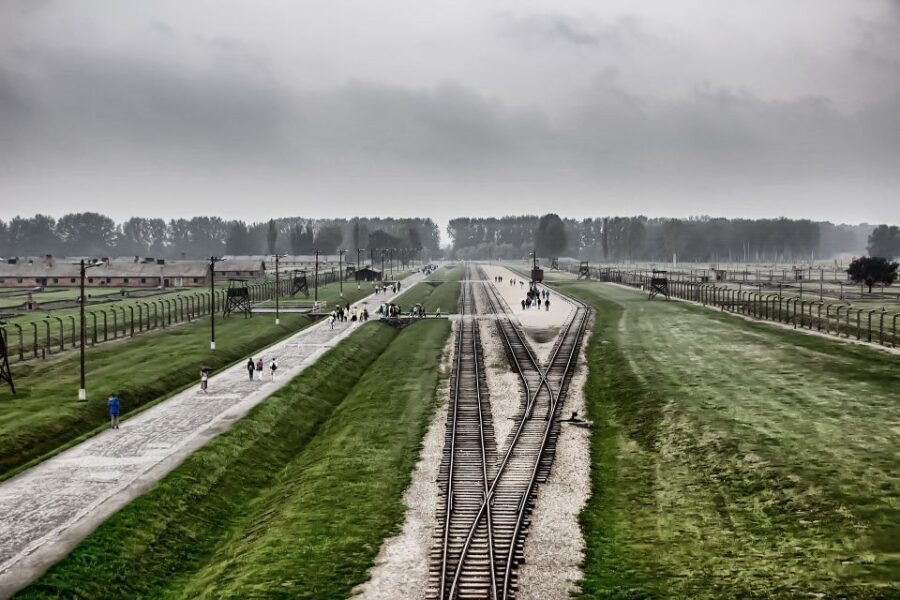
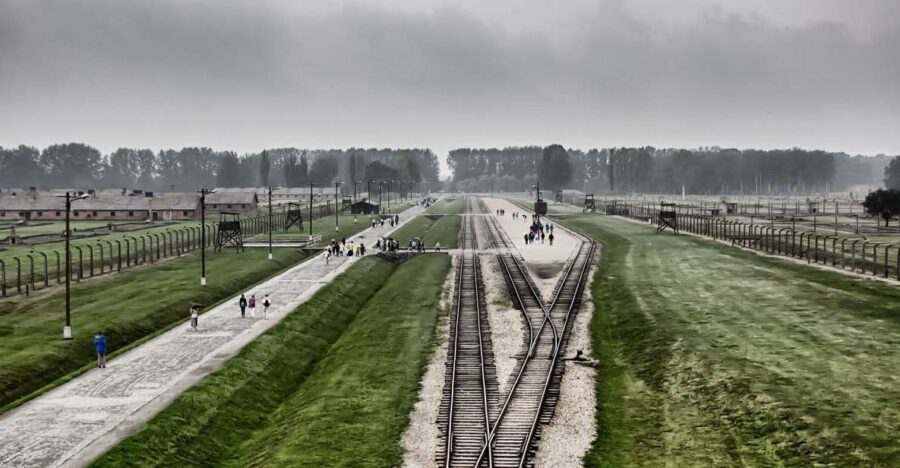
Auschwitz II-Birkenau is the largest sub-camp, and visiting it after Museum I helps you understand the system’s scale. You’ll return to the guided experience after a brief break—about 15 minutes—then head into Birkenau for the second half of the visit.
What I value in this structure is that Birkenau isn’t treated like a quick photo stop. The tour is set up as a continuation of the story you started at Auschwitz Museum I. The key on-site focus is that you’re not just looking at artifacts; you’re seeing a landscape shaped by the camp’s original infrastructure.
The tour information explicitly notes seeing the original fences, watch towers, and roads, plus gas chambers. Those elements make the location itself part of the lesson. It can feel unreal, even when you know the facts, because the physical layout forces your mind to connect history to geography.
Language delivery can also affect how well you can follow explanations in open-air locations. In one case, the guidance audio didn’t always carry clearly in Birkenau, and it made it harder to hear the guide from farther away. If you’re relying on the guide’s English (or any supported language), try to stay close enough to maintain good sound and visibility. It’s a small tactical move that can make the whole second half feel more coherent.
Audio, pace, and staying comfortable (headsets help, but plan anyway)
This tour includes headsets, which is a big plus for clarity in a museum setting where groups can be spread out. In general, headsets keep the explanations intelligible without you craning your neck.
That said, the audio experience can vary with the headsets themselves. If your headset sounds scratchy or distorted, don’t just suffer through it. Politely ask for a replacement or adjustment if your sound is off, because the guide’s narration is doing most of the work in a visit like this.
Pace is another real factor. One person described the rhythm as quite fast, and that matches how day tours usually work when there’s a lot packed into a limited time window. The upside is you don’t waste time. The trade-off is you may not linger as long as you’d like at each section.
So, I recommend planning your comfort in advance:
- Wear comfortable shoes with good grip.
- Dress appropriately for the rules (more on that below).
- Keep your water situation in mind since food and drinks aren’t included, and you can’t bring them into the camp area.


Price and value at $181: what you’re really paying for
At $181 per person, you’re paying for more than just entry tickets. You’re getting a full, organized day that includes:
- Hotel pickup and drop-off
- Roundtrip transportation (including the fast train)
- Tour guide (licensed)
- Driver
- Entry fees
- Headsets
- Skip-the-ticket-line style flow
When you compare that to the cost of cobbling together train tickets, local transport, and a guided experience on your own, the value is easier to see. The biggest practical win is that this tour solves the Warsaw-to-Auschwitz logistics in one shot, which is the time-killer for many visitors. You also get a structured visit to both Museum I and Birkenau, rather than spending your day trying to stitch together timing between two different sections.
The only notable extra is food and drinks, which aren’t included. That affects value in a minor way: you’ll want to plan a simple snack strategy that fits what’s allowed (and remember that some items are restricted on-site).
If you’re short on time in Poland, or you simply don’t want to spend your day figuring out transportation, this package can be a good deal. If you’re traveling very slowly and want maximum personal control over timing, you might feel boxed in by the fixed day schedule.
Dress code, ID, and what you must leave behind
Before you go, read the rules because they’re not optional. You’ll need a passport or ID card.
The tour also lists specific items not allowed, including:
- Shorts
- Sleeveless shirts
- Backpacks
- Luggage or large bags
- Food and drinks
- Alcohol and drugs
That list shapes what you pack more than you might expect. Go light. Wear long enough clothing that fits the site rules. Leave bulky bags at home or at your lodging—this tour doesn’t want you traveling with large carry-ons.
This also means you should think about comfort without extra weight. If you’re prone to carrying everything “just in case,” this is the day to simplify.
Who should book this Auschwitz fast-train tour (and who should skip it)
I’d recommend this tour if you want:
- A guided Auschwitz visit without transportation stress from Warsaw
- A day plan that includes both Auschwitz Museum I and Auschwitz II-Birkenau
- Door-to-door pickup and support getting to the train station
- A structured timeline where someone else handles the coordination
It’s specifically not recommended for children younger than 14. So, if you’re traveling with younger kids, it’s a clear no.
Skip it if you’re the type of traveler who needs long, unstructured time in each section or you get easily rattled by a long day. The schedule is built for efficiency. That’s useful—but it’s still a full day.
One last practical note: the tour offers free cancellation up to 24 hours in advance and a reserve now, pay later option. If your plans in Poland are fluid, that flexibility helps you commit without locking yourself in too early.
Should you book it?
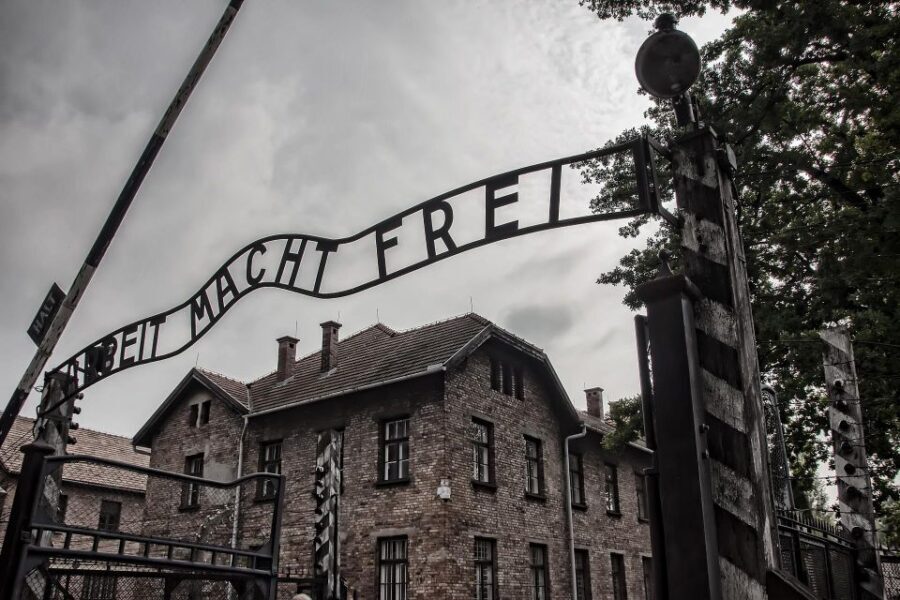
If you’re visiting Auschwitz with limited time and you want a guided experience that handles the hardest logistical part—Warsaw to the camp—this tour is a smart choice. The combination of licensed guidance, headsets, and organized two-part site coverage makes it easier to get real meaning from what you see, instead of treating it like a checklist.
Book it if you can handle a long, early start and you’re okay with a set pace. Don’t book it if you need lots of downtime, extra flexibility to linger, or you’re bringing anyone under 14.
In short: for most adults who want structure and comfort on a heavy day, this is a solid value.
FAQ
How long is the Auschwitz-Birkenau guided tour from Warsaw?
The total duration is listed as 15 hours.
What’s the price per person?
The price is $181 per person.
Is hotel pickup and drop-off included?
Yes. Hotel pickup and drop-off are included, and the driver returns you to the same address.
How do you get from Warsaw to the Kraków area?
You travel by fast train from Warsaw to Kraków in about 2.5 hours, then meet your driver in Kraków for the van transfer to Auschwitz.
Are entry fees and headsets included?
Yes. Entry fees and headsets are included.
Is food included?
No. Food and drinks are not included.
What languages is the live tour guide available in?
The tour guide is available in German, English, and French.
What are the restrictions for what you can bring or wear?
You’ll need passport or ID. Not allowed items include shorts, sleeveless shirts, backpacks, luggage/large bags, food and drinks, and alcohol and drugs.