REVIEW · OSWIECIM
Auschwitz-Birkenau: Guided Tour – Ticket + Transportation
Book on GetYourGuide →Operated by 4Travellers Poland · Bookable on GetYourGuide
Six hours, two sites, no chaos. What makes this trip work is the hotel pickup and the English-speaking driver who handles the hard parts up front, like getting your group to the entrance without wasting time.
I also like that you get a licensed local guide and the right gear to hear them clearly: everyone receives headsets, so you can focus on the information instead of hunting for volume.
One thing to consider: the memorial sites involve a lot of walking, and the museum restricts bags, so bring comfortable shoes and plan for no large backpacks.
In This Review
- Key takeaways before you go
- Getting to Auschwitz from Krakow Without the Headache
- Tickets, ID Checks, and That Airport-Style Security Feeling
- Auschwitz I Tour: The 2-Hour Focus That Sets the Context
- The 15-Minute Transfer Break to Birkenau
- Birkenau: About an Hour Where Scale Does the Talking
- Group Size: Small Van, Larger Museum Groups, Headsets That Work
- Price and Value: Is $117 Worth It?
- What to Pack (and the Bag Rules That Affect Your Day)
- Timing: How the 6 Hours Actually Feel
- Who This Tour Fits Best (and Who Should Rethink It)
- Should You Book This Auschwitz-Birkenau Tour with Transport?
- FAQ
- How long is the Auschwitz-Birkenau guided tour with transportation?
- Where does pickup happen?
- How long is the drive from Kraków to the museum?
- Will tickets be arranged for us?
- Do we need to bring ID?
- Is the tour guided in English?
- Is food included?
- Are large bags or backpacks allowed?
- Is it suitable for children or wheelchair users?
Key takeaways before you go
- Hotel pickup 2 hours early means you’re not rushing at the last minute in Krakow.
- Skip-the-ticket-line handling saves time right where it matters most.
- English driver + licensed local guide keeps logistics and interpretation in one package.
- Headsets for a 30-person tour group helps you follow the story clearly.
- A transfer break between sites gives you a short reset before Birkenau.
Getting to Auschwitz from Krakow Without the Headache
This is a day trip built for people who want things to run on time. Pickup happens about 2 hours before the scheduled start, and the ride from Krakow to Auschwitz takes roughly 1.5 hours each way. That extra early pickup window is useful: it reduces the chance you miss the vehicle if your hotel is hard to find or your plans run late.
I like that the transfer is in a comfortable car or minivan and capped at a maximum of 8 people. Small group transit matters. You spend less time doing waiting-world logistics and more time on the day itself. Also, you’re not trapped in a bus packed with strangers before you even begin the visit.
You’ll also get a professional, English-speaking driver who takes you directly to the entrance. That detail seems minor until you’re standing in a high-stakes place where directions, lines, and time matter. Here, the driver’s job is to get you there smoothly, and then you’re handed off to the local guide for the museum experience.
A few more Oswiecim tours and experiences worth a look


Tickets, ID Checks, and That Airport-Style Security Feeling
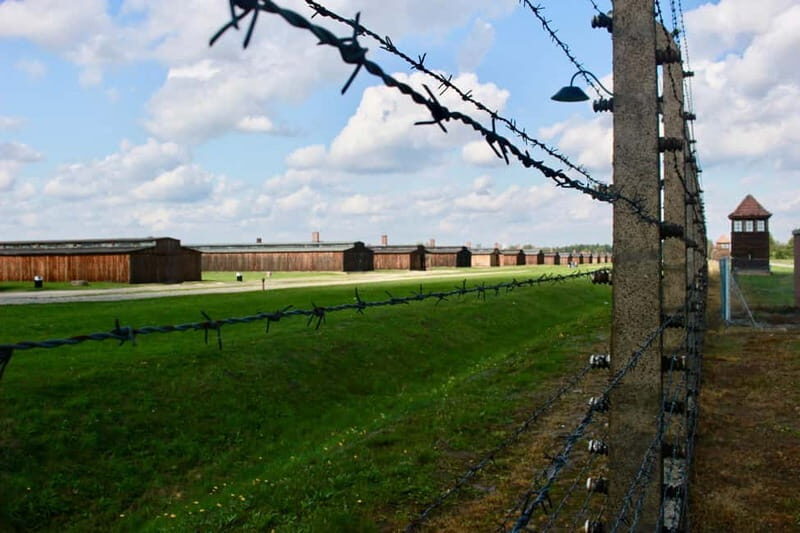
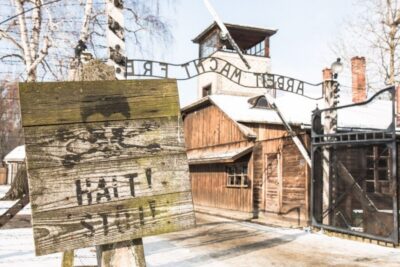
At the entrance, the process is structured. Your driver gives you tickets, then you go through a security check similar to the one at the airport. ID cards are checked too, so don’t treat this like a casual museum entry.
Why this matters: when you arrive expecting chaos, it’s hard to stay mentally present. Having tickets ready and moving through checks in an organized way helps you start the visit without stress. It also reduces the chance of time slippage, which is critical because the day moves on quickly after you enter.
This trip includes entrance tickets and headsets, so you’re not scrambling for add-ons on the spot. That’s a real value point, especially in a place where time in line can balloon.
Auschwitz I Tour: The 2-Hour Focus That Sets the Context
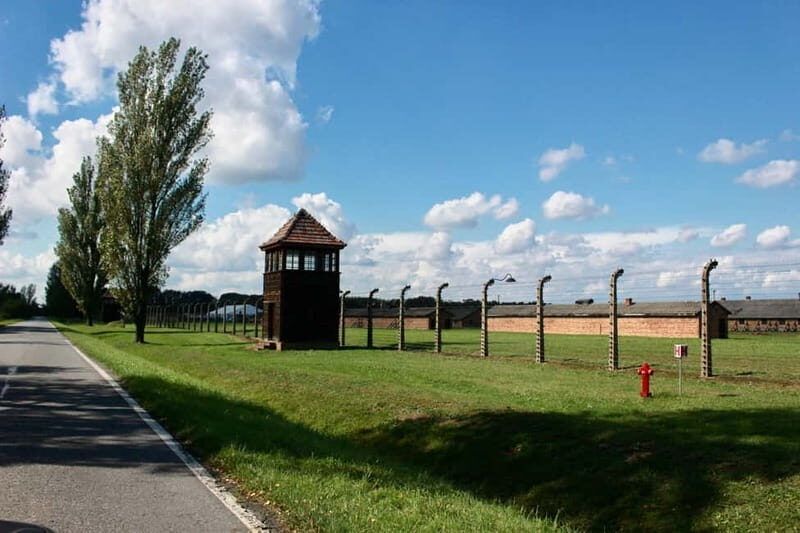
Auschwitz I is where the visit starts, and it typically lasts about 2 hours. This timing is enough to understand what you’re looking at without turning it into an endless shuffle of rooms and exhibits.
A big advantage of going with a guide here is interpretation. The camp can feel like “just buildings and facts” if you walk through without structure. A licensed local guide puts the pieces together so you understand why each area matters and what you’re being asked to remember.
You’ll be in a larger guided group (about 30 people) at this stage, but the trip provides headphones for everyone. That means the guide’s explanations reach you even if you’re not standing in the front row. It’s one of those details that improves the experience immediately, especially in outdoor sections where ambient noise can swallow voices.
Practical note: this portion is also one of the most emotionally intense. The benefit of a guide is not just accuracy—it’s pacing. You’ll be walked through at a human tempo, with time to take in what you see rather than speeding past or getting stuck trying to decode things alone.
The 15-Minute Transfer Break to Birkenau
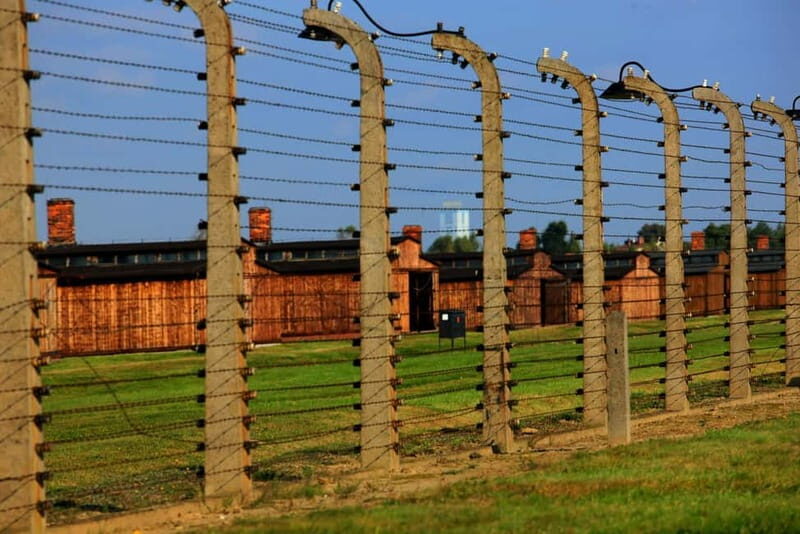
After Auschwitz I, you get a short break (about 15 minutes). The driver takes you to the second part of the museum during that interval.
This break isn’t for sightseeing. It’s for regrouping. The transition between sites is part of the message—Auschwitz I and Auschwitz II-Birkenau are connected, but they feel different. A quick reset helps you move from “understanding the system” to “seeing the scale.”
It also helps with logistics. You’ll likely need a moment to adjust your bag situation, use the restroom if available, and mentally prepare for the next walking-heavy section.
One small caution: 15 minutes is short. Don’t plan on full meal breaks. This day trip does not include food, so if you want snacks, you should have them planned outside the museum’s bag rules.
Birkenau: About an Hour Where Scale Does the Talking
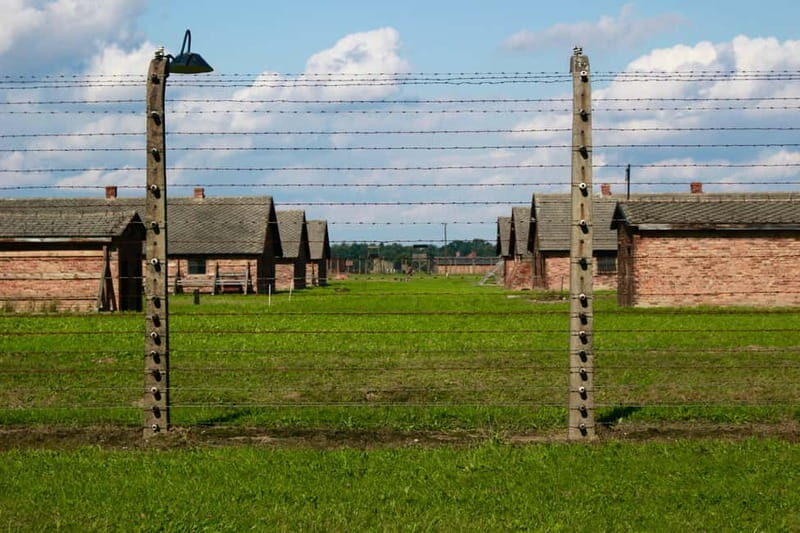
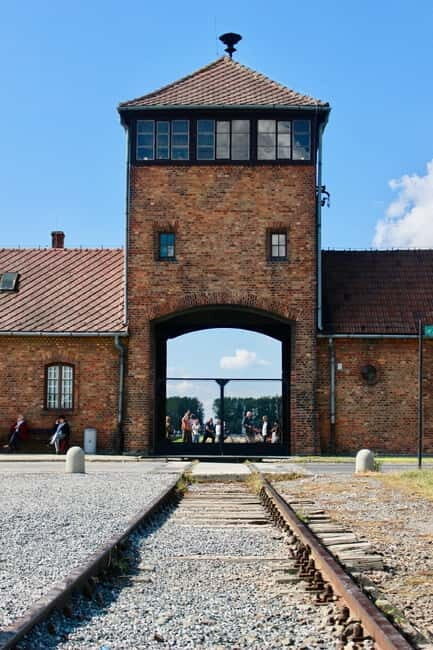
Birkenau is where many people feel the weight of the place more physically. You’ll spend around 1 hour here, guided, after that short transfer.
This time block is intentional. Birkenau’s open areas and layout can be harder to absorb if you rush, but it can also drag if you overstay. About an hour is enough for the main story points and to let the setting land without turning the day into an endurance test.
Headsets still matter here. Even when you’re spread out, the guide can keep the group oriented with clear, consistent narration. That helps you avoid the common problem of standing in the middle of a large area with only scattered signage to guide you.
When you’re there, follow the route you’re given and resist the urge to wander off for extra photos. The visit is meant to be orderly and reflective. Let the guide’s framing shape how you see what’s in front of you.
You can also read our reviews of more guided tours in Oswiecim

Group Size: Small Van, Larger Museum Groups, Headsets That Work
The day has two different group sizes, and that’s a good thing if you like structure.
- Transit group: up to 8 people with an English-speaking driver
- Museum group: about 30 people with a local guide and headsets
This mix is practical. A small van keeps the ride calm. A larger museum group is common for timed entry and guided interpretation, but the headsets make it less frustrating. If you’ve ever been in a museum group where you can’t hear the guide, you’ll appreciate this setup.
Also, the guide is licensed and the tour runs in English. If you’re comfortable in English, you’ll get the full interpretive value without relying on screens or apps.
Price and Value: Is $117 Worth It?
At $117 per person for a 6-hour day, the price can look steep on paper—until you break down what you’re actually paying for.
You’re not just paying for a guide. You’re paying for:
- Hotel pickup and drop-off
- Round-trip transportation between Krakow and the memorial area
- Entrance tickets handled as part of the experience
- Headsets
- A structured schedule that includes time in both Auschwitz I and Auschwitz II-Birkenau
- English-speaking support from the driver and a local licensed guide
That combination is where the value shows. If you tried to assemble this yourself—tickets, timing, transport, and a guided interpretation—you’d likely spend similar money and still risk losing time to line waits and coordination problems.
Is it expensive? Yes. But it’s also a day you’ll remember, and the “skip the ticket line” element is the kind of efficiency you feel immediately, not later. One review also raised an experience-quality point: on one occasion, a microphone issue made the guide harder to hear. It’s not something you can predict, but it’s a reminder to go with a backup mindset: headphones help a lot, but if something technical glitches, your experience can take a hit.
Overall, I’d call this a fair price for a guided, transportation-included day trip—especially if you want a smooth schedule rather than DIY stress.
What to Pack (and the Bag Rules That Affect Your Day)
The memorial sites don’t allow large bags or backpacks. That affects your day more than people expect, because it changes what you can bring and where you can store it.
Here’s what I recommend you do:
- Wear comfortable shoes designed for long walks.
- Bring a small bag for personal items.
- Bring your passport or ID card. A copy is accepted, but plan to have the document you’re comfortable using.
Also, plan for the fact that food and drinks aren’t included. Even if you’re not hungry, you’ll appreciate having water and a small snack strategy ready—within what the bag rules allow.
If you’re the type who likes to carry layers, keep it minimal. You can dress for temperature and then stash only essentials in your permitted bag.
Timing: How the 6 Hours Actually Feel
This is a schedule that moves with purpose. Hotel pickup happens early, the drive takes about 1.5 hours each way, and you’ll spend about 3.5 hours exploring across both sites.
Translated into real-life timing, that means:
- You’ll have decent time on the ground with the guide (not a rushed drive-by).
- You’ll still feel the day moving fast—because you’re combining two major visits plus travel time.
If you’re prone to running late in the morning, set yourself up for success. The earliest pickup is there for a reason.
Who This Tour Fits Best (and Who Should Rethink It)
This tour is a strong fit if you want:
- a guided English interpretation in a structured group
- an organized transport day with minimal logistics
- a schedule that balances Auschwitz I and Birkenau without exhausting you
It’s listed as not suitable for children under 12, which makes sense given the emotional intensity and time spent walking. It’s also marked not suitable for wheelchair users, even though the activity is described as wheelchair accessible. If you or someone in your group needs wheelchair accommodations, you should confirm details directly with the provider before booking to avoid surprises.
Emotionally, this is not a casual outing. Plan to take it seriously. Mentally, it’s heavy; practically, it’s a lot of walking. If that matches your expectations, you’ll get a far better experience.
Should You Book This Auschwitz-Birkenau Tour with Transport?
If your main goal is a smooth, guided, English-first day with tickets handled for you and no time lost to ticket lines, I think this is a smart choice. The organization is the selling point: pickup, driver, ticket distribution, security checks, and guided interpretation with headsets are all included.
I’d especially recommend it if:
- you’re short on time in Krakow
- you don’t want to coordinate transport and entry on your own
- you value hearing a local guide clearly (headsets help a lot)
I’d pause and rethink if:
- you need flexibility around walking or bag restrictions
- you’re hoping for long breaks for food or wandering off-script
Bottom line: for most visitors, this is the kind of structured visit that lets you focus on what matters—without wasting your day managing logistics.
FAQ
How long is the Auschwitz-Birkenau guided tour with transportation?
The total duration is 6 hours.
Where does pickup happen?
Pickup is from Kraków.
How long is the drive from Kraków to the museum?
The route from Kraków to Auschwitz takes about 1.5 hours each way.
Will tickets be arranged for us?
Yes. You will receive the tickets at the entrance, and the tour is designed so you don’t wait in line for tickets.
Do we need to bring ID?
Yes. ID cards are checked, and the tour notes that you should bring your passport or ID card (a copy is accepted).
Is the tour guided in English?
Yes. The live tour guide is English, and you’ll also have headphones for the museum portions.
Is food included?
No. Food and drinks are not included.
Are large bags or backpacks allowed?
No. The museum does not allow large bags or backpacks. It’s recommended to bring a small bag.
Is it suitable for children or wheelchair users?
It is not suitable for children under 12. The information provided also says it is not suitable for wheelchair users, even though wheelchair accessibility is listed—so you should confirm details before booking if this applies to you.