REVIEW · KRAKOW
From Krakow: Auschwitz Birkenau Tour with Transfer
Book on GetYourGuide →Operated by Best Krakow · Bookable on GetYourGuide
This tour fixes the hardest part: getting you from Krakow to the memorials on time. You get roundtrip transport plus museum entry for both Auschwitz I and Auschwitz II-Birkenau, and you navigate with a brochure in your chosen language.
I especially like the balance of structure and freedom. You follow a sensible route (Judenrampe, then Auschwitz I, then Birkenau) at a pace that works for you, and the staff support helps you avoid the awkward start-of-day confusion.
One possible drawback: the schedule is tight, and Birkenau in particular is time-limited. If you want hours and hours to linger, you may feel a little rushed.
In This Review
- Key points I’d put at the top
- From Krakow to the memorial: what this day trip really solves
- The Auschwitz and Birkenau route: why the stop order matters
- 1) Judenrampe: the first “you’re here” moment
- 2) Auschwitz I: the concentration camp side of the story
- 3) Auschwitz II-Birkenau: where the scale hits
- How the self-guided brochure option works (and when to choose it)
- The bus ride, café break, and the rhythm of the day
- Entry tickets and what’s included in the price
- Guides and support: what you can expect in real terms
- Who this is best for (and who should think twice)
- Practical prep: what to bring and how to plan your day
- Should you book this Auschwitz-Birkenau tour from Krakow?
- FAQ
- How long is the Auschwitz Birkenau tour from Krakow?
- Is the tour self-guided or does it include a live guide?
- What’s included in the price?
- Do I need to pay for lunch?
- What should I bring?
- Where do I get picked up in Krakow?
- Is this tour suitable for wheelchairs or mobility impairments?
Key points I’d put at the top
- Air-conditioned shared coach from Krakow, with pickup/drop-off options near central stops
- Printed brochure in your language so you can tour at your own pace (self-guided option)
- Two major sites included: Auschwitz I plus Auschwitz II-Birkenau, with memorial routing built in
- Clear stop breakdown including Judenrampe and short transfer breaks to keep the day manageable
- On-the-ground help throughout the trip, from pickup to drop-off
- Strict site rules matter (no luggage/large bags, and timing is controlled by the visitor service)
From Krakow to the memorial: what this day trip really solves
Auschwitz-Birkenau is emotionally heavy. The last thing you need is travel stress or a half-planned day. This setup is designed to remove the moving parts: you ride in from Krakow by coach, you get to the right entrances, and you spend your limited time inside the memorials—not finding your way around.
What makes this feel practical is that the itinerary follows the memorial’s visitor flow. You don’t just hop from one location to another at random. Instead, you move from Judenrampe to Auschwitz I, then onward to Auschwitz II-Birkenau, with short bus transfers between. That matters because the Auschwitz grounds aren’t a quick stroll, and getting the order right helps you build understanding as you go.
The other big advantage is support. Even in the self-guided format (no live guide), you still have assistance from pickup through drop-off. In real terms, that can mean help with getting admission sorted and having someone available if the start of the day turns chaotic.
A few more Krakow tours and experiences worth a look


The Auschwitz and Birkenau route: why the stop order matters
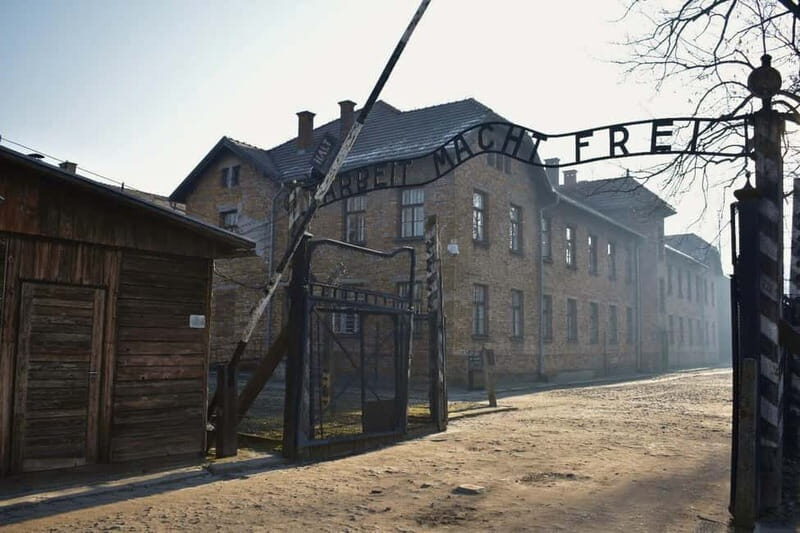
This day is built around three main phases you can mentally track.
1) Judenrampe: the first “you’re here” moment
Judenrampe is your first stop after the short café break. It’s the kind of place where your brain immediately understands this isn’t just history on walls—it’s geography and infrastructure tied directly to deportations.
You’ll have about 45 minutes here on the self-guided format. That’s enough time to read the key points without turning it into a marathon. If you tend to scan slowly, you’ll want to use your time efficiently: pick a couple of sections to read closely, then move on so you don’t burn all your energy before Auschwitz I.
2) Auschwitz I: the concentration camp side of the story
After the brief bus transfer, you’ll reach Auschwitz I for about 1.5 hours. This portion typically gives you the core layout and the places that help you understand how the camp system functioned.
I like that the day gives you more time here than at Birkenau. Auschwitz I often works like a foundation: it sets the baseline for what you’ll recognize later in Birkenau. If you only have one longer block to absorb details, this is the one.
One practical tip: pace yourself in Auschwitz I. Bring your focus, not your phone-stress. You’ll likely see many small, specific items and personal remnants. Slow down enough to take them in, but don’t freeze. The memorial is not a one-stop place—you’re building a bigger picture.
3) Auschwitz II-Birkenau: where the scale hits
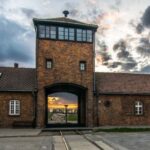
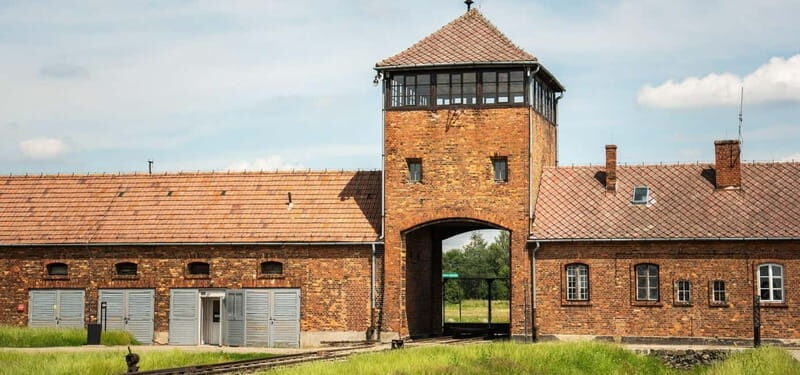
Then it’s on to Auschwitz II-Birkenau, usually for around 40 minutes in the self-guided schedule. Birkenau is vast. Even with a short time window, it can feel like everything is bigger: the space, the rows, the emptiness, the sense of scale.
Because the time is shorter here, you’ll want to decide in advance what you’re going to prioritize visually and emotionally. For many visitors, the most meaningful approach is to pick a couple of areas and really absorb the layout rather than trying to see everything.
If you already know you want extra time in Birkenau, this is the day trip reality check: you’re buying a guided route with transport, not unlimited hours inside the grounds.


How the self-guided brochure option works (and when to choose it)
This experience includes a brochure in your language with the route and details. In the self-guided version, there is no live guide. You follow the printed path and information, and you can choose how you walk and how long you pause.
I actually think this can be a good fit for some people. You can slow down when something specific hits you, and you don’t have to worry about keeping up with a group’s tempo. The memorial is the main event; you should be able to engage on your terms.
That said, the brochure won’t replace human interpretation for everyone. If you want a voice explaining context as you go, choose the option that includes a live guide. Either way, you still get the practical help that keeps the day from derailing.
The bus ride, café break, and the rhythm of the day
This is a long day, typically 7 to 10 hours door-to-door. The coach ride is about 1.5 hours each way, with quick transfers between sites. Plan to treat it like a single block: leave Krakow early, return in the afternoon or evening, and keep your energy steady.
The itinerary also builds a local café break of about 40 minutes. This isn’t just convenience. It’s a chance to reset emotionally and physically before you enter the memorial areas. If you can, use the break to hydrate and use the bathroom before you commit to walking inside the sites.
Comfort matters. The transportation is described as air-conditioned, and recent feedback highlights smooth organization and polite drivers. That helps because you don’t want a rough ride to add stress to an already intense day.
Entry tickets and what’s included in the price
At around $21 per person, this can be a standout value, mainly because it bundles the big-ticket logistics: entry for Auschwitz I and Auschwitz II-Birkenau plus shared roundtrip transport from Krakow.
You also get:
- A brochure in your language with the route
- Assistance throughout the trip (pickup to drop-off)
- Entry tickets for both Auschwitz I and Auschwitz II-Birkenau
- Shared roundtrip coach in an air-conditioned bus
What’s not included:
- Lunch
Here’s the value logic from a practical point of view. If you had to arrange transport on your own and figure out timing plus museum entry, you’d likely spend similar money after tickets, transport, and time costs. Paying for the packaged plan can be worth it because you buy reduced friction—especially important on days when timing is strict.
Still, make sure your expectations match the format. You’re getting a structure that helps you visit efficiently, not a long, slow, private-style experience.
Guides and support: what you can expect in real terms
Even for self-guided visits, you’ll have a tour assistant available during the day. You’ll see references to guide and assistant support that help the group get sorted at pickup points and help with admission details.
In feedback, the names that pop up include guides such as Andrianna, Adriana, and Anges, plus guides Daniel and Simon. The common thread is respectful, friendly guidance and help at the right moments. If you choose a guided option, that kind of human input can matter, because it helps you connect dates and systems to what you see in front of you.
One more thing: the memorial controls the practical pace. The duration you see in the timetable should be treated as approximate because the visitor service can affect flow inside the sites. That’s normal, and it’s part of how the memorial protects an orderly visit.
Who this is best for (and who should think twice)
This fits best if you want:
- A simple, reliable plan from Krakow
- A route that covers the two major sites without you organizing transport and entry separately
- The option to go at your own pace using a brochure
It may be less ideal if you:
- Want extra time in Birkenau beyond the scheduled window
- Need detailed, live interpretation at every step (consider the guided option instead)
- Have mobility needs that prevent long walking, because the tour is not suitable for wheelchair users and people with mobility impairments
Also note the basic rule: no luggage or large bags. If you travel with more than a small day bag, plan for what you’ll carry before you go.
Practical prep: what to bring and how to plan your day
You’ll want:
- A passport or ID card
- A small bag you can bring inside allowed limits
- Comfortable shoes. You’ll be on your feet.
Because the day is timed and intense, I recommend you keep your head clear on the morning: eat something before pickup if you can. You’ll have a café break, but it’s easier to manage the emotional weight when your body isn’t running on empty.
Also remember: pickup times can vary depending on the tour option. The start time isn’t guaranteed and in exceptional cases it can shift earlier or later. If you’ve got evening plans in Krakow, don’t book them tight.
Should you book this Auschwitz-Birkenau tour from Krakow?
Yes—if you want the simplest, most dependable way to visit both Auschwitz I and Birkenau in one day. The value is strong, the transport is comfortable, and the structure takes the stress out of the logistics. The self-guided brochure format also lets you slow down when you need to.
If you’re the type who wants to spend a lot more time in Birkenau than the schedule allows, or if you want heavy live interpretation throughout, consider choosing the guided option (if available in your booking) or look for a tour format with longer site time.
In short: this is a well-shaped day trip for people who want to focus on what matters once you arrive.
FAQ
How long is the Auschwitz Birkenau tour from Krakow?
The duration is listed as 7 to 10 hours, depending on the selected starting time and how the memorial’s visitor service sets the pace.
Is the tour self-guided or does it include a live guide?
You can choose between a self-guided option using a brochure (no live guide) or an option with a professional live guide.
What’s included in the price?
Included: brochure in your language, entry tickets to Auschwitz I and Auschwitz II-Birkenau, assistance throughout the whole trip, and shared roundtrip transportation by air-conditioned bus from Krakow.
Do I need to pay for lunch?
No. Lunch is not included, but there is a local café break during the day.
What should I bring?
Bring a passport or ID card. Also plan on using a bag small enough to meet the rule that luggage or large bags are not allowed.
Where do I get picked up in Krakow?
Pickup is optional and can be at Pawia 18a (Kiss & Ride Lane in front of Mercure Hotel) or Wielopole 2 (Kiss & Ride Lane bus stop). Meeting points can vary by the option you book.
Is this tour suitable for wheelchairs or mobility impairments?
No. It is listed as not suitable for people with mobility impairments and wheelchair users.