REVIEW · WARSAW
Pierogi Class and Liquor Tasting with View on Warsaw
Book on Viator →Operated by Dominik Metelski · Bookable on Viator
A great meal starts with a small kitchen and a big view. This is a hands-on pierogi class that ends with liquor tasting while you watch Warsaw’s skyline.
You’ll love the intimate setup, with time to learn the dough and fillings step by step without feeling rushed. You’ll also like that Dominik keeps it personal, sharing how these dishes fit into Polish life and family traditions.
One thing to consider: this happens in a private home, so if you dislike cooking or prefer a strictly restaurant-style outing, you might feel more “involved” than expected.
In This Review
- Key highlights at a glance
- A small-group pierogi night with a rooftop view
- Where you start: Wahadło 2 and the home-kitchen vibe
- The warm-up: appetizers and a welcome drink
- Building pierogi dough: the part you’ll remember
- Fillings you make: from savory classics to sweet options
- Assembling: one kitchen, one table, lots of laughs
- Eating your work: terrace if the weather cooperates
- The liquor tasting: homemade infused vodka with real character
- Dominik’s teaching style: patience, questions, and recipe takeaways
- Price and value: what $95-ish buys you
- Logistics that matter: timing, transport, and comfort
- Who should book this class (and who should skip it)
- Should you book this Warsaw pierogi-and-liquor night?
- FAQ
- Where is the meeting point?
- How long does the pierogi class last?
- Is the tour in English?
- What foods will we make and eat?
- Is alcohol included, and can I choose something non-alcoholic?
- How many people are in the group?
- Do you get recipes or photos after the class?
- What’s the cancellation policy?
Key highlights at a glance
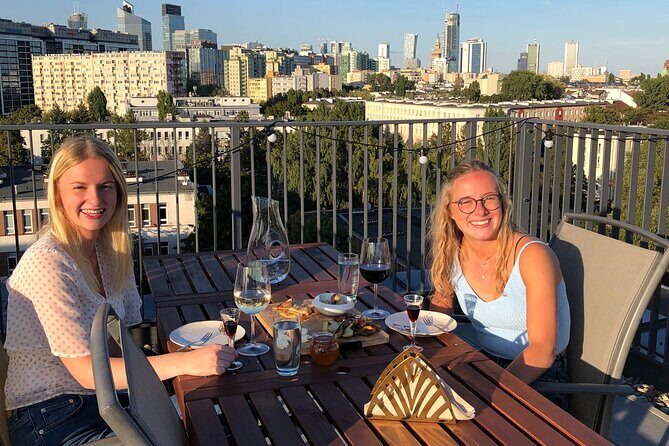
- Rooftop skyline dining with your own pierogi, weather permitting
- Make-from-scratch dough and multiple fillings, not just watch-and-eat
- Liquor tasting paired with your meal, with options for soft drinks too
- Small group size (max 10) for a calmer, more conversational evening
- Take-home support like recipes and photos after the class
A small-group pierogi night with a rooftop view
Warsaw has plenty of good food. This experience is different because it’s not just about eating Polish comfort food. You’re making it with Dominik, in his home kitchen, then eating on a terrace with a skyline view.
The “small group” part matters more than you’d think. With up to 10 people, you can actually ask questions while your dough rests and your fillings are prepped. It also keeps the mood relaxed, like you’re joining a dinner party that happens to include a cooking lesson.
I like that the night doesn’t feel overly scripted. You get a short introduction, a starter and welcome drink, and then the work starts in a calm, organized flow. Even if you’re not a confident cook, the steps are designed so you can follow along.
And yes, the view is a real part of the value. Your pierogi aren’t just food on a plate—they’re the payoff from a hands-on evening, finished while Warsaw spreads out behind you.
You can also read our reviews of more food & drink experiences in Warsaw


Where you start: Wahadło 2 and the home-kitchen vibe
You meet at Wahadło 2 (02-353 Warszawa), and the activity ends back at the same place. That’s helpful because you’re not guessing about schedules or last-mile transport after dinner.
You’ll be near public transportation, so getting there doesn’t have to be a whole project. You also get a mobile ticket, which keeps it simple if you’re traveling light.
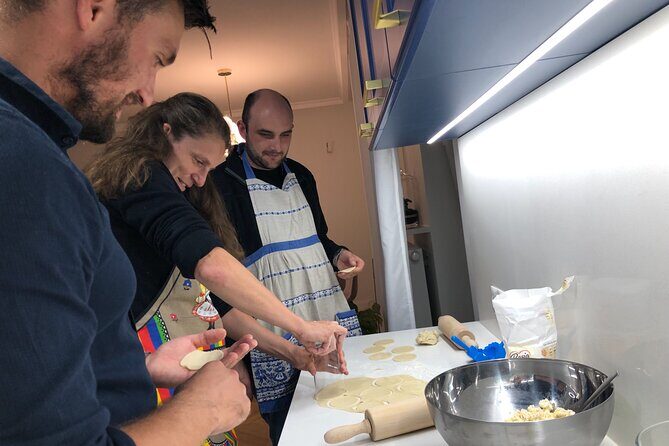
This is not a big group tour with a headset rhythm. Expect to enter a normal apartment setting, move between kitchen and terrace (or indoors if the weather pushes back), and share one table and kitchen space with the group. If you like chatting with strangers, this format helps. If you prefer quiet, you’ll still get the learning you came for, but the social tone is part of the experience.
The warm-up: appetizers and a welcome drink
The evening starts with a short introduction. You’ll start by meeting the group, learning the plan, and getting comfortable before you move into the dough work.
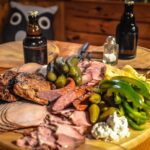
A starter is included—described as a selection of local appetizers—and it’s paired with a welcome drink. The beverage side is flexible: you can choose alcoholic or soft drinks, and the tasting portion later is part of the fun.
What makes this stage valuable is the pacing. You’re not thrown straight into rolling dough. You get a chance to settle in, chat, and ask early questions while the kitchen setup is underway.
If you have dietary needs, this is also a good moment to mention them. The class includes a note to let Dominik know about allergies or a special diet so the menu can be adjusted within what’s offered.
Building pierogi dough: the part you’ll remember
Once the welcome is done, you move into the main action: dough preparation. You’ll learn how to get the dough right, then it rests while the fillings get prepped.
That dough-rest timing isn’t just a technical step—it’s a teaching tool. While dough is resting, you’re not sitting idle. You’re starting on fillings and learning how flavors come together before you actually combine them.
Most cooking classes only give you one task and call it “hands-on.” This one gives you the key work: making and working with dough, then assembling pierogi with multiple fillings. That means you’ll understand the process well enough to try it again at home, not just replicate a single result.
The best part is that the instruction is organized for real people, including non-cooks. Many guests specifically highlight Dominik’s patience and step-by-step guidance, which is exactly what you want when your goal is learning, not just eating.
Fillings you make: from savory classics to sweet options
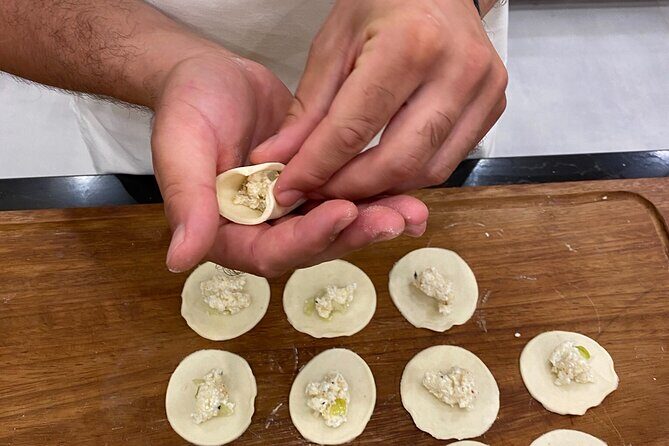
You’ll prepare several fillings, including options such as sauerkraut with mushrooms, mushrooms, meat, potatoes and cheese. There are also fish and cheese pairings like salmon and ricotta, plus a vegetarian option like spinach and feta cheese.
Then there are sweet pierogi options with seasonal fruit, depending on what’s available. That’s a smart way to experience Polish comfort food in full range—savory first, then dessert-style dumplings to close the loop.
The practical value here is variety. When you see how each filling behaves—thicker meat fillings versus softer cheese-based ones—you get a sense of how texture and moisture affect the final dumpling. That’s the kind of lesson you can actually use when you cook later.
Also, having multiple fillings means you’re not stuck with one flavor you might not love. Even if you’re picky, you’ll likely find at least a couple you want to make again.
A few more Warsaw tours and experiences worth a look

Assembling: one kitchen, one table, lots of laughs
Making pierogi is assembly work, and it’s the kind that naturally creates conversation. You’ll combine dough with filling, shape the pierogi, and learn how to do it without panic. The group format—sharing one kitchen and one table—turns it into a team effort.
This is where the class feels most like a “real evening,” not a packaged activity. People chat, compare what they made, and share questions as they go. Several guests mention that the intimate setting makes it easier to talk and take photos, including during the meal stage afterward.
It also helps that the group is small enough for personal attention. With max 10 people, Dominik can move around and check in without the frantic energy you often get with larger classes.
Eating your work: terrace if the weather cooperates
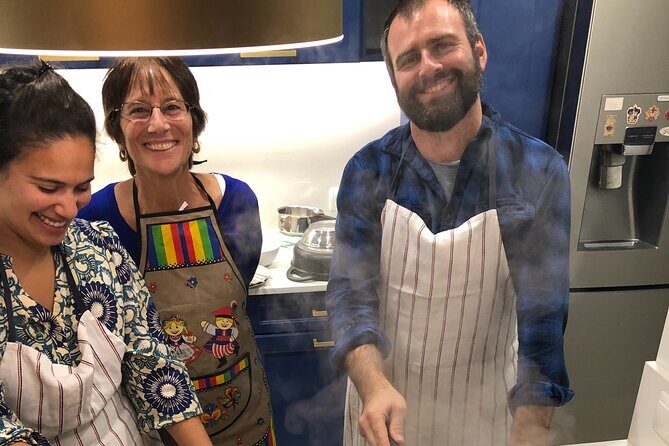
After preparation, comes the part you planned for: eating. Depending on the weather and mood, your meal happens either on the rooftop terrace or inside.
This is a small detail that changes the whole feel. Outside, you get the skyline view while you eat dumplings you made yourself. Inside, you still get the homemade, cozy atmosphere, and the evening stays comfortable if the air turns cool.
The structure is also good for appetite. You get appetizers first, then pierogi, so you’re not starving while waiting for dough or boiling time. And because you’re making multiple batches, there’s a sense of abundance—many guests describe having enough that they couldn’t finish everything.
Expect the meal to be social. You’ll eat, drink, and chat, and you’ll get time to relax after the cooking work.
The liquor tasting: homemade infused vodka with real character
This is the bonus that turns dinner into an event. Alongside the class, there’s a liquor tasting with beverages of your choice, including alcoholic options.
Guests highlight homemade, flavored vodka shots and infused varieties. Some people also mention that Dominik distills flavored vodka and that it can be available for purchase at the end. If that’s the case during your session, you’ll be able to take home bottles—or at least the idea of them.
Here’s how to think about it: the tasting is not just a random add-on. It’s part of the story of Polish dining and hospitality. Polish vodka culture is often misunderstood, and this gives you a more grounded look at how local flavors are created and served.
If you don’t drink, you can still enjoy the evening. The class includes soft drinks as well, and the tasting experience is built into the dinner pacing rather than forcing you to take something you don’t want.
One practical note: plan to pace yourself. You’re cooking, shaping, eating, and then walking out afterward. A small group makes it easy to share glasses and keep things friendly, but you’ll still feel the alcohol if you go heavy on the samples.
Dominik’s teaching style: patience, questions, and recipe takeaways
The biggest repeated praise is how Dominik teaches. He’s described as welcoming, warm, and patient—especially with guests who don’t cook often. That matters, because pierogi folding can look simple until you’re doing it with dough that needs the right feel.
You’ll also get the kind of answers that turn a class into learning. Guests mention asking questions about culture and history, and getting thoughtful replies. So even if your goal is food, you’ll walk away understanding the background behind the dish.
Another detail that adds real value: many guests say he shares pierogi recipes and photos after the class. That turns the experience into something you can repeat. Without that, you’d leave with tasty dumplings and a vague memory. With it, you leave with a plan.
There’s also a nice extra personal touch mentioned by guests: Luna, the cat, sometimes appears during the evening. It’s not the focus, but it fits the home atmosphere and makes the night feel memorable in a simple way.
Price and value: what $95-ish buys you
At about $95.28 per person for roughly 2 hours 30 minutes, you’re paying for more than dinner. You’re paying for ingredients, instruction, multiple fillings, the cooking workspace, and the meal plus tasting.
Here’s why it can be good value for the right traveler:
- You’re learning a skill you can use again, not just sampling food.
- You get variety: several fillings plus sweet options.
- The rooftop view is part of the payoff.
- Small group size supports more attention.
Could you eat pierogi elsewhere for less? Yes. But you won’t get the same combination of hands-on learning and skyline dining. If you like cooking classes, or if you want a Poland experience that feels personal instead of staged, this price starts to make sense fast.
Also, booking it earlier can help. On average it’s booked about 34 days in advance, so if you want a specific time window, plan ahead.
Logistics that matter: timing, transport, and comfort
The experience runs about 2 hours 30 minutes, so it’s a great “evening anchor” activity. You can slot it after a sightseeing day and still have time for a relaxed night out afterward—or just a calm walk with full stomach energy.
You’ll get near public transportation access, which reduces stress. The meeting point is clear, and you return to the same spot at the end, so you’re not figuring out what to do after dinner.
Because it’s a private residence, you’ll want to dress comfortably for kitchen time. You may be standing, leaning, and handling dough. If you plan to take photos, bring your camera or phone, because the terrace view is a highlight and you’ll want shots of both your food and the skyline.
Weather can affect whether you eat on the terrace or indoors. If it’s cold or rainy, indoors is part of the plan, so don’t let a forecast scare you off.
Who should book this class (and who should skip it)
This tour fits best if you want food plus a story plus a small group conversation. I’d especially recommend it if:
- You like interactive activities, not just watching
- You’re curious about Polish food beyond big museum-style meals
- You want a memorable evening that’s not another walking tour
It’s also a good option for couples and small friend groups, since the class is designed for an intimate table-and-kitchen setup. Solo travelers can also fit in well, because you’ll be placed with a small group and the atmosphere is friendly.
If you dislike alcohol entirely, you can still participate since soft drinks are part of the beverage options. Still, the tasting is an event in the schedule, so mentally plan for that if you’re sensitive to alcohol.
If you’re looking for a strictly timed, hands-off experience with no cooking involved, this isn’t that. The point here is hands-on learning.
Should you book this Warsaw pierogi-and-liquor night?
I think you should book it if you want an evening that feels like Polish hospitality, not just tourism calories. The mix of pierogi-making, a rooftop skyline view, and liquor tasting is a rare combo for a price that’s easier to justify when you compare it to a meal plus a paid class.
Skip it if you want a big, guided group with no participation, or if you really don’t want to cook at all. Otherwise, this is one of the more “Warsaw-shaped” nights you can plan—simple, local, and genuinely hands-on.
One last tip before you go: come hungry, and don’t overbook the day. You’ll spend time in the kitchen, then settle into eating and chatting. You’ll enjoy it more when you’re not rushing to sprint to the next stop.
FAQ
Where is the meeting point?
The class meets at Wahadło 2, 02-353 Warszawa, Poland. The experience ends back at the same meeting point.
How long does the pierogi class last?
The experience runs about 2 hours 30 minutes.
Is the tour in English?
Yes. The experience is offered in English.
What foods will we make and eat?
You’ll prepare pierogi dough and multiple fillings, including options like sauerkraut with mushrooms, mushrooms, meat, potatoes and cheese, salmon and ricotta, spinach and feta cheese, plus some sweet options with seasonal fruits. A main course of pierogi and a selection of local appetizers are included.
Is alcohol included, and can I choose something non-alcoholic?
The experience includes beverages of your choice, including alcoholic and soft drinks, and it features a liquor tasting as part of the evening. You can choose soft drinks if you prefer.
How many people are in the group?
The group size is limited to a maximum of 10 travelers.
Do you get recipes or photos after the class?
Yes. After the class, Dominik sends pierogi recipes and photos to guests.
What’s the cancellation policy?
You can cancel for a full refund up to 24 hours before the experience starts. Cancellation less than 24 hours before the start time is not refunded.