REVIEW · KRAKOW
From Krakow: Auschwitz-Birkenau Camp Complex Guided Day Trip
Book on GetYourGuide →Operated by Cracovia Viaggi Local Tours. · Bookable on GetYourGuide
Auschwitz-Birkenau is history you can’t look away from. What makes this day trip especially meaningful is the guided interpretation and the chance to see the everyday belongings prisoners left behind, paired with quiet reflection throughout the memorials. You’ll also get the camp’s story explained in a clear way, including how the complex was set up and what different areas were used for.
I also like the practical flow of the day: pickup from Krakow, a straightforward ride to the camps, and an organized visit that doesn’t leave you guessing where to go next. One potential drawback is that this is a long 7-hour day on your feet, and you’ll need solid, comfortable shoes to keep up, especially if the weather is cold.
In This Review
- Key Highlights to Know Before You Go
- Auschwitz-Birkenau From Krakow: The Value of a Guided, Structured Day
- Pickup From Krakow and the Drive That Sets the Tone
- First Impressions at Auschwitz: The Gate and the Meaning of Everyday Objects
- Auschwitz Block Visit: How the Tour Helps You Read the Space
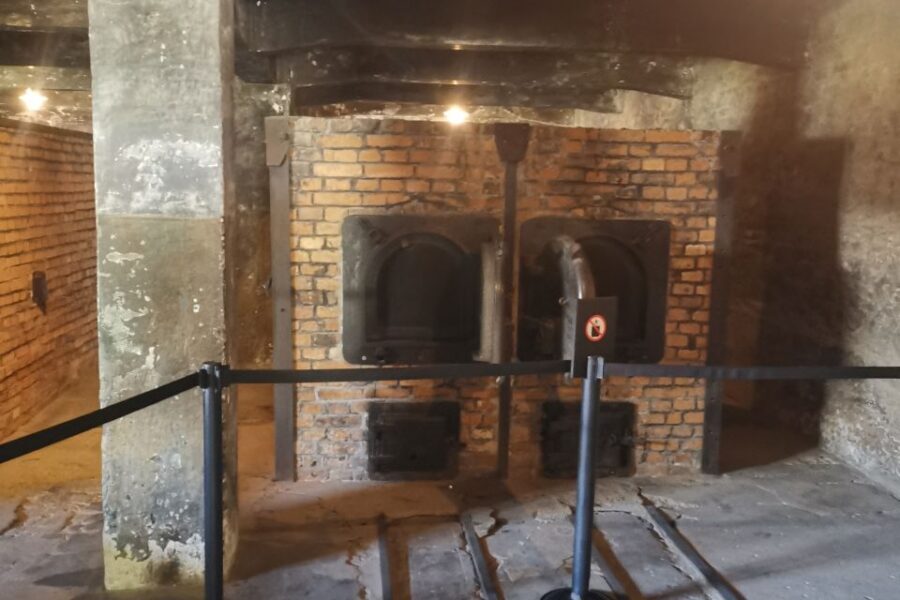
- Crossing Over to Birkenau: Seeing the Gas Chambers and Crematoria
- Monowitz and the Survival Story: Why This Part Matters
- Price and Value: Is $83 a Good Deal for This Kind of Trip?
- Language and Audio: Italian Guidance You Can Follow
- What to Bring (and What Not to Do) for a Smooth Visit
- Who This Tour Fits Best
- Should You Book This Krakow-to-Auschwitz-Birkenau Day Trip?
- FAQ
- How long is the Auschwitz-Birkenau day trip from Krakow?
- What’s included in the price?
- Is food included?
- What language is the guide?
- Is pickup from Krakow included?
- What can’t I bring or do during the visit?
Key Highlights to Know Before You Go
- Italian live guide that explains why each part of the complex was set up the way it was
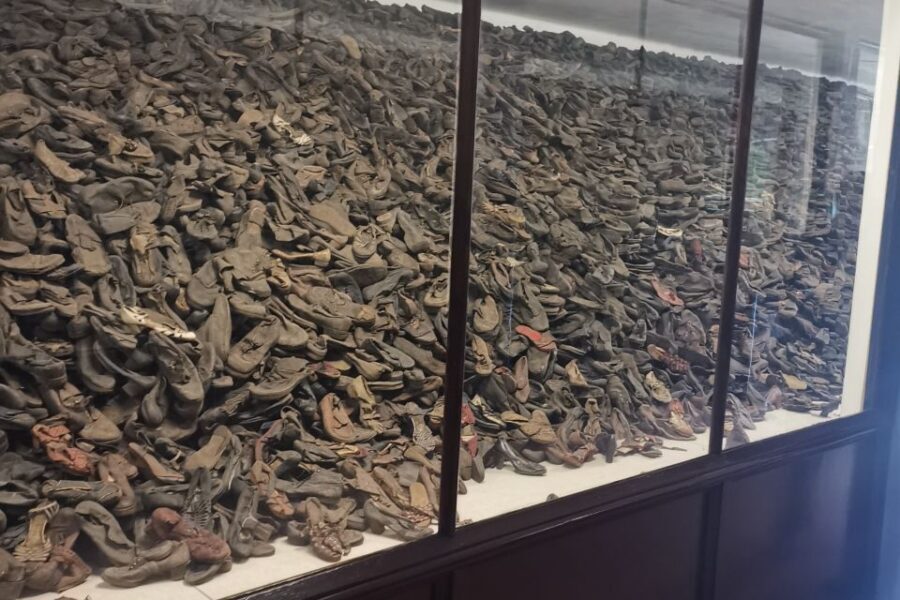
- Auschwitz artifacts up close, including shoes, suitcases, and glasses left behind
- Birkenau’s gas chambers and crematoria are part of the visit, guided with context
- Monowitz survival insights, focused on day-to-day realities rather than only the worst moments
- Strong on-time organization, including clear communication about your bus and meeting point
Auschwitz-Birkenau From Krakow: The Value of a Guided, Structured Day
This isn’t a “wander around and hope for the best” kind of trip. Auschwitz-Birkenau is huge in emotional weight, and without guidance it’s easy to get lost in impressions instead of understanding what you’re seeing. The biggest win here is that you’re not just touring rooms and plaques. You’re getting the story of the camps’ origins and roles, along with an explanation of how the complex was organized.
Your visit starts with the everyday reality of what people carried with them and what they left behind. Then it moves to the specific structures that made the system work, including Birkenau’s gas chambers and crematoria. The tone is deliberately reflective. You’re given time to pause at the memorials built around the complex, so the experience doesn’t feel rushed into mere sightseeing.
The tour also includes Monowitz in a meaningful way. Instead of treating the camps as a single, one-note location, you’ll learn about Monowitz and get insight into how people tried to survive in their day-to-day lives there. That balance—system and survival, destruction and human detail—is what makes the trip feel educational rather than only shocking.
You can also read our reviews of more guided tours in Krakow

Pickup From Krakow and the Drive That Sets the Tone
The day starts with pickup in Krakow. You’ll receive a photo of the vehicle picking you up the day before, and the exact departure time is communicated via WhatsApp by 6:30 pm the previous day. This kind of clear pre-trip messaging matters more than you might think. When you’re going to one of the world’s most serious memorial sites, you want the logistical stress to be zero.
Once you’re on the road, the drive is about 45 kilometers to the former main camp in Auschwitz. The structure of the trip is simple: you travel, you arrive, and you begin with guided explanation. That early context helps you interpret what you’re about to see before your brain locks into raw emotion.
The ride itself is handled with private transportation, and you should expect a comfortable bus transfer. A bonus from the organization side: the trip is described as precise with timing—enough that the group can often enter the first part of the camp visit without standing around in lines.
First Impressions at Auschwitz: The Gate and the Meaning of Everyday Objects
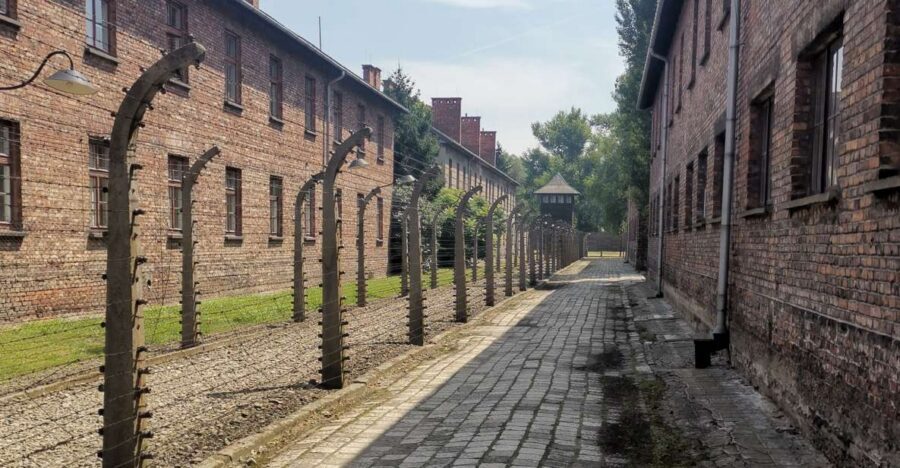
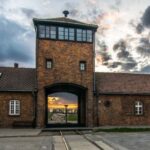
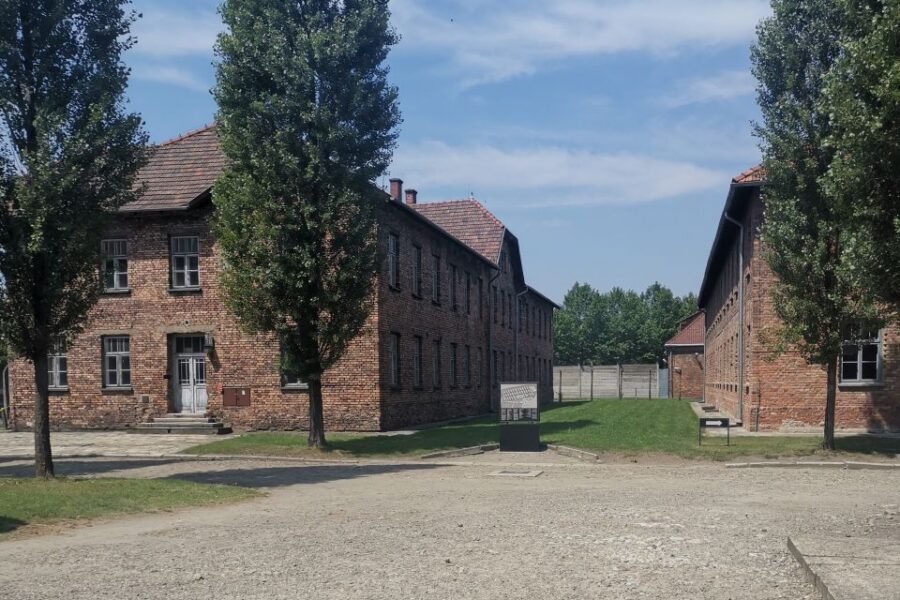
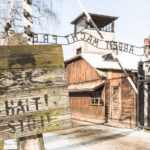
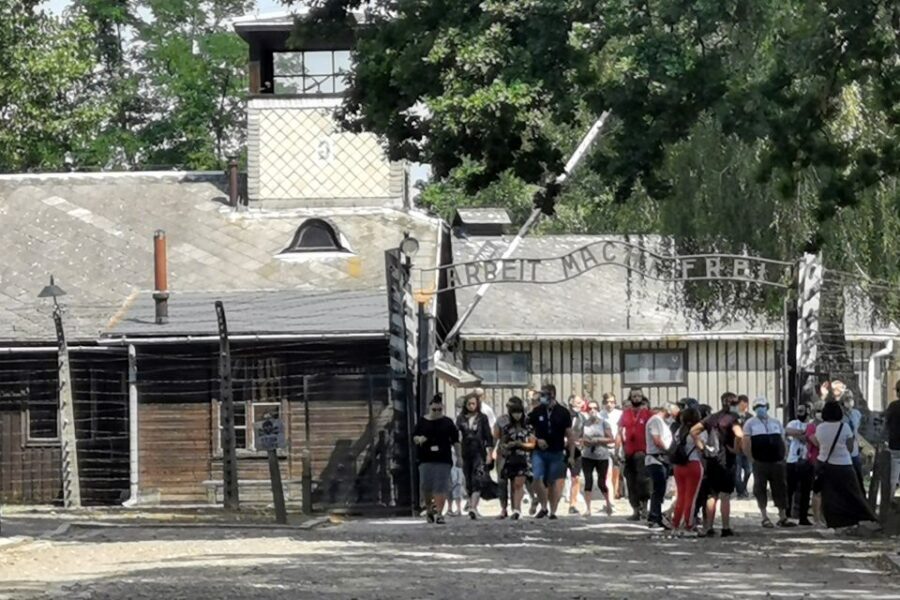
When you reach Auschwitz, one of the first visual details you’ll notice is the gate with Arbeit macht frei. That sign is one of those chilling historical images people recognize from photos, but seeing it in context is a different experience. It’s the kind of moment where you realize the site isn’t just a memorial—it’s a place that was built to operate.
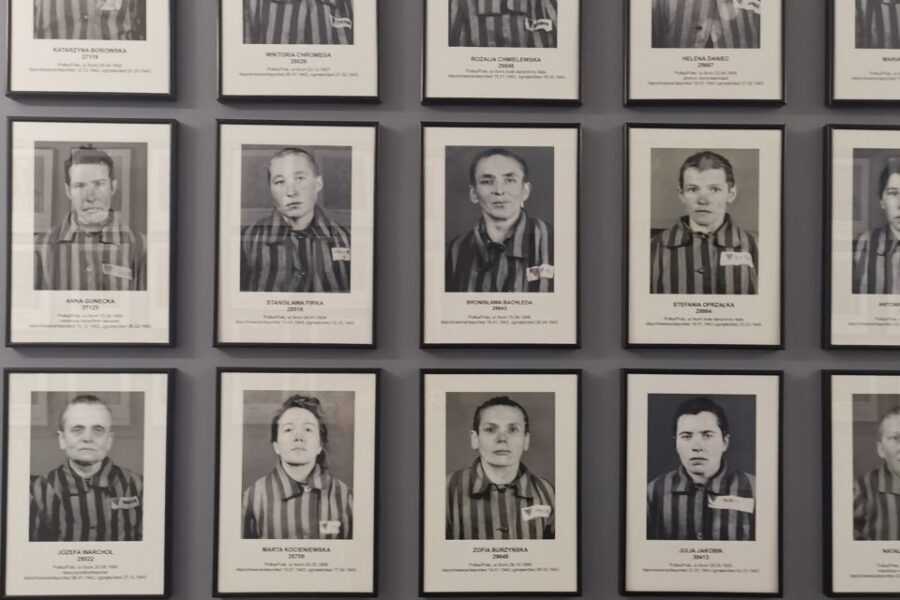
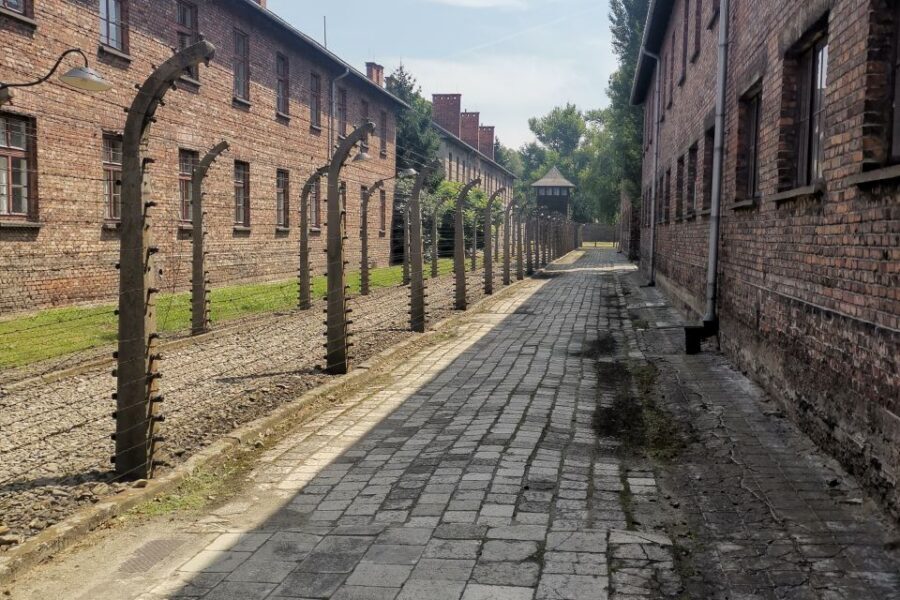
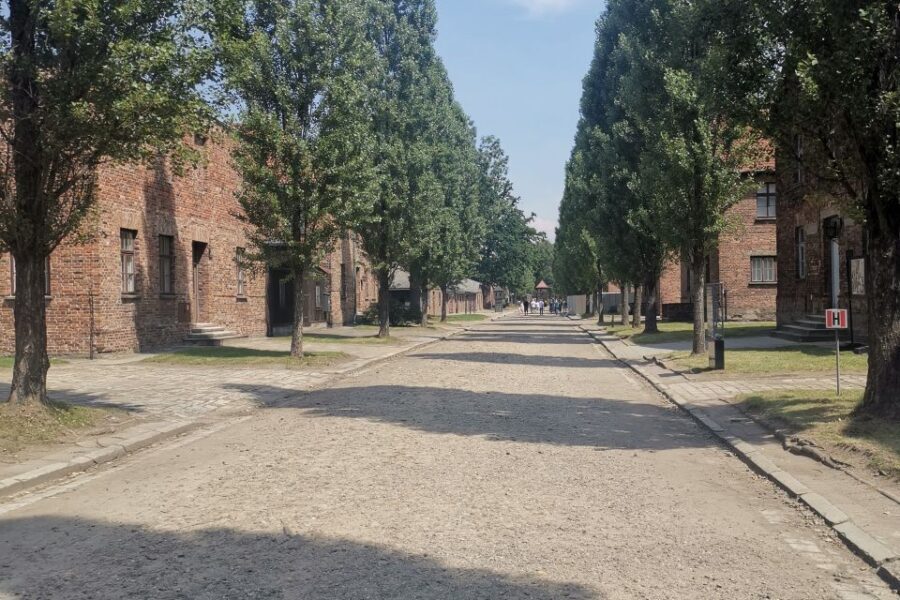
From there, your guided tour moves into the prisoner blocks, which now house artifacts and belongings left behind by prisoners. This is where the experience becomes intensely specific. You’ll see photographs and documents, but also personal items such as shoes, suitcases, and glasses. These aren’t “museum objects” in the usual sense. They are evidence of individual lives and of what was stripped away.
A strong part of the visit is how your guide frames the camp’s former use. You’ll hear discussion of the camp’s earlier role, including its use as barracks for the Polish military. That context helps explain how the complex transitioned into its later function and why the space matters historically, not only morally.
One thing to know going in: the Auschwitz segment can feel visually overwhelming. The artifacts are arranged to be seen, but not to be processed quickly. That’s why guidance is so valuable. You’re not left to interpret the meaning alone.
Auschwitz Block Visit: How the Tour Helps You Read the Space
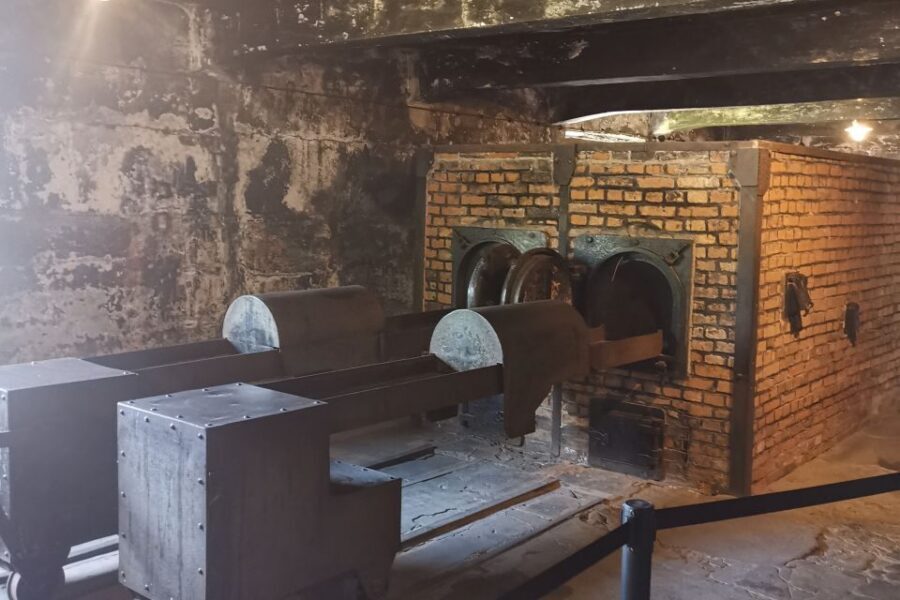
Auschwitz can pull you in two directions at once. One direction is the buildings and materials; the other is the people you’re meant to remember. This is where I like the tour’s pacing: it keeps you anchored with explanations of origins and roles, and then lets you focus on the artifacts and personal effects.
You’ll walk through areas where the prisoner blocks now function like containers of memory. It’s not just “look at this and move on.” You’re given the story of the camps’ setup and purposes, and that makes the artifacts feel connected instead of random.
Also, the experience highlights daily life in a particular way: it doesn’t only talk about the camp system as machinery. It also points toward what survival tried to look like at Monowitz later on. So, by the time you reach Monowitz-related context, Auschwitz doesn’t feel like the end of the story. It feels like one piece of a larger system, built from multiple parts.
Crossing Over to Birkenau: Seeing the Gas Chambers and Crematoria
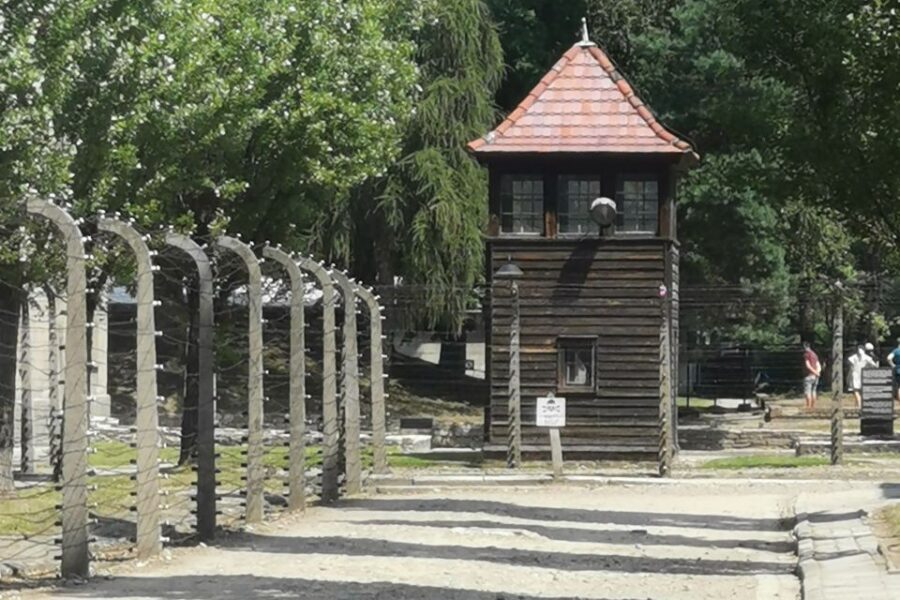
After Auschwitz, you travel a short distance to Birkenau. This shift is important. Birkenau is where the scale of the system becomes even harder to ignore, and your visit includes sites that were central to mass killing: gas chambers and crematoria.
This is not a stop where you want to feel rushed. The best way to approach it is with the guide’s context in your head and a deliberate pace in your feet. Since the tour is guided, you’re not just looking at structures—you’re hearing how the camp complex operated and what those places were used for.
Your visit at Birkenau includes memorials throughout the grounds. You’re encouraged to keep the victims in mind as you move around. That’s more than an emotional note. It’s a practical reminder to slow down and let the memorial layout shape your attention.
And yes, this part can be especially heavy. If you’re someone who needs time to regroup, build that into your walk. The tour’s structure supports reflection rather than forcing you to sprint from one photo spot to another.
A few more Krakow tours and experiences worth a look

Monowitz and the Survival Story: Why This Part Matters
One of the tour’s standout elements is the focus on Monowitz—not just the main camp and Birkenau. You’ll learn insight into how people survived in their day-to-day lives at Monowitz.
That focus changes your understanding. It’s easy to come away thinking of the camps only as a single, uninterrupted horror. The Monowitz segment adds a human dimension tied to routine: what survival attempted to mean, what daily life looked like under impossible conditions, and why the story isn’t complete without understanding the labor and lived experience connected to the complex.
If you care about history that includes people rather than only events, this is the part that tends to stick with you. It’s also the segment that can be hardest to wrap your brain around, because it pushes you to imagine normal-seeming days where “normal” had no place.
Price and Value: Is $83 a Good Deal for This Kind of Trip?
At about $83 per person for a day trip lasting around 7 hours, the price is less about paying for a ride and more about what’s included: entry tickets, private transportation, and a guided tour with on-site assistance.
Here’s how I’d think about value:
- You’re paying for transport out of Krakow and back, plus entry costs that can add up.
- You’re paying for guided interpretation—this matters for Auschwitz-Birkenau, where context determines how much you understand.
- You’re getting on-site assistance, which reduces stress when you’re dealing with complex grounds and strict rules.
What’s not included is food and drinks. That’s common for this type of itinerary, but you should plan for it anyway. If you want a smooth day, you’ll want to eat before you go and then decide what you’ll do for snacks or a meal on your own.
Given what’s included, this feels like a straightforward, no-frills value package—exactly what you want when the goal is education and remembrance, not complicated add-ons.
Language and Audio: Italian Guidance You Can Follow
The live tour guide is Italian, and there’s an optional audio guide in Italian as well. If Italian isn’t your strongest language, check your comfort level with hearing history in Italian first. The guide’s job here is to connect what you see to the reasons it exists, so comprehension really matters.
Even if you don’t catch every detail, the structure of the stops still helps you map the experience: Auschwitz first (with artifacts and the former camp context), then Birkenau (gas chambers and crematoria), with Monowitz survival context woven in.
What to Bring (and What Not to Do) for a Smooth Visit
This kind of day trip runs on rules, and the site has restrictions for good reasons. To keep things simple, bring:
- Your passport or ID card
- Comfortable shoes (you’ll be walking and standing)
Don’t bring:
- Oversize luggage, luggage or large bags
- Pets (assistance dogs are allowed)
- Smoking
- Flash photography
- Alcohol and drugs
These restrictions affect your day-to-day experience. Large bags and flash photography are the two big ones that can slow things down if you show up unprepared. Pack light so you’re not fighting with carry-ons at the entrance.
Also keep in mind that opening hours can change, so if you’re traveling around the schedule, don’t plan your day in Krakow too tightly.
Who This Tour Fits Best
This guided trip is a good match if:
- You want structure and context, not just a self-guided walk through major memorial sites
- You prefer a tour that spends time on reflection, not only “see everything quickly”
- You want to understand how different parts of the complex were used, including Monowitz and everyday survival insights
- You like organized transport where pickup details are clear
It may be less ideal if you need very flexible pacing or if language is a barrier for you. This tour is built around guided explanation and a fixed route through key areas of the complex.
Should You Book This Krakow-to-Auschwitz-Birkenau Day Trip?
I’d book this tour if you want a full, guided day that combines clear camp context with visits to Auschwitz, Birkenau, and Monowitz-related survival insight—while also handling transport and entry for you. The value looks solid for what’s included, and the organization described as precise with communication and punctual pickup is exactly the kind of reliability you want on a heavy itinerary.
Skip it if you already have a strong plan for interpreting the sites on your own in a language you fully understand, or if you’re not comfortable with a long day on your feet at a memorial.
If you want the simplest path to a meaningful experience—one that moves from artifacts to the specific historical sites, with time to reflect—this is a sensible choice.
FAQ
How long is the Auschwitz-Birkenau day trip from Krakow?
The total duration is listed as 7 hours.
What’s included in the price?
The tour includes entry tickets, private transportation, a guided tour, and on-site assistance.
Is food included?
No. Food and drinks are not included.
What language is the guide?
The live tour guide is Italian, and there is an optional audio guide in Italian.
Is pickup from Krakow included?
Yes, pickup in Krakow is included. You’ll receive details about the vehicle the day before, and the departure time is sent via WhatsApp by 6:30 pm the previous day.
What can’t I bring or do during the visit?
Oversize luggage and large bags aren’t allowed. Smoking isn’t allowed, pets aren’t allowed (assistance dogs are allowed), flash photography isn’t allowed, and alcohol and drugs aren’t allowed.