REVIEW · KRAKOW
Krakow: Schindler’s Factory Guided Tour
Book on GetYourGuide →Operated by Poland Tours · Bookable on GetYourGuide
Schindler’s factory tells hard truths. I like how this tour turns a museum visit into Krakow under Nazi occupation, and I really appreciate the practical skip-the-line entry. The possible drawback: the pace can feel tight in a busy group, so you may have to choose between reading every label or staying with the guide’s storyline.
What I love most is the chance to stand where Schindler ran parts of his operation, including the authentic desk still in his office. When the guide is in good form (I’ve seen tours led by people like Barb, who brought serious energy), the tour makes the timeline from 1939 to 1945 feel clear, not just sad.
At $42 per person for about 2 hours, it’s good value if you want context and a guided route, not just a self-guided wander. Do plan ahead: bring your passport or photo ID, and expect strict museum rules around bags and photography.
In This Review
- Key things you’ll notice on this Schindler’s Factory tour
- Entering Oskar Schindler’s Enamel Factory Museum without the hassle
- From September 1939 to 1945: how the tour connects policy to daily life
- The authentic Schindler’s office desk: why this stop hits harder than the photos
- What the 2-hour timing really feels like (and how to handle it)
- Price and value: $42 for skip-the-line + a guide who ties it together
- Museum rules that can derail your day if you ignore them
- Language, guides, and the human factor
- Who should book this Schindler’s Factory tour?
- Should you book Schindler’s Factory guided tour or do it on your own?
- FAQ
- How long is the Schindler’s Factory guided tour?
- What does the tour cost?
- Which languages are available?
- Where do I meet for the tour?
- Do I need to bring ID?
- Can I take photos or record video?
- Is the tour wheelchair accessible?
- Is this tour suitable for children?
Key things you’ll notice on this Schindler’s Factory tour
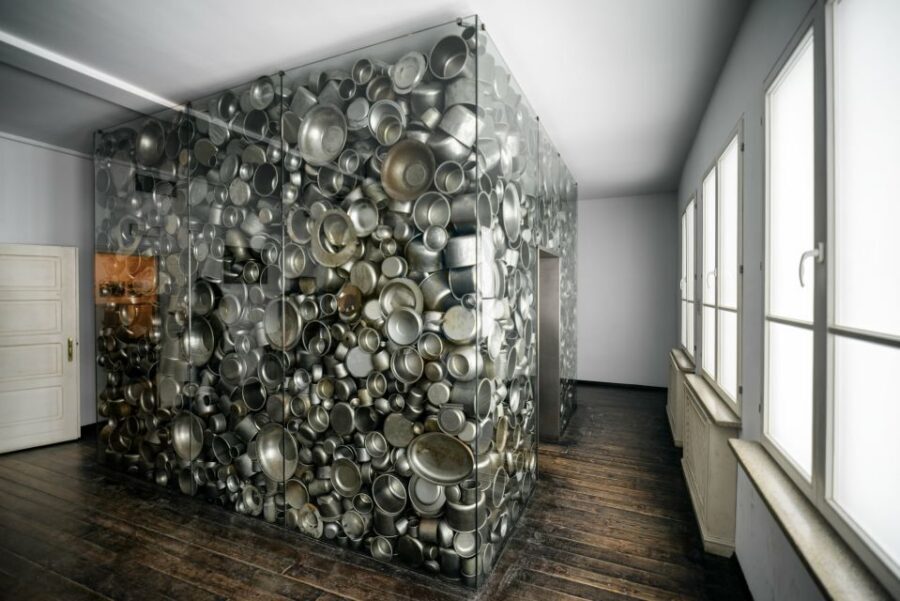
- You meet at the museum entrance outside Oskar Schindler’s Enamel Factory, with a greeter holding a GetYourGuied banner
- The route is designed for a guided pace over about 2 hours, so reading time can be limited
- You’ll learn the Krakow timeline tied to 1937 factory origins, the Sept 1939 invasion, and events through 1945
- A major highlight is Schindler’s office desk, which makes the story feel personal
- The museum’s rules are strict: no flash, no video recording, and keep luggage/large bags out
- The guide experience matters—the best tours feel calm and structured, not rushed
Entering Oskar Schindler’s Enamel Factory Museum without the hassle
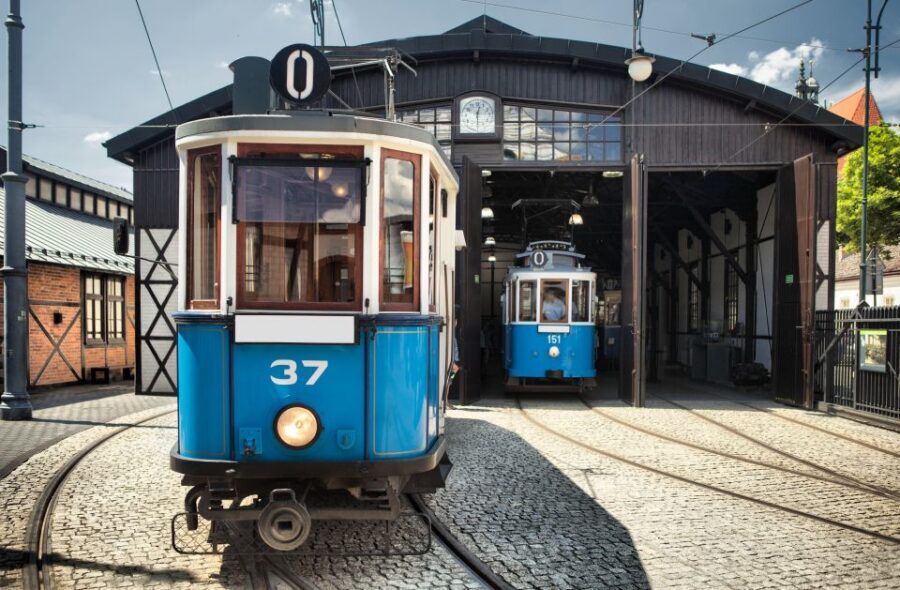
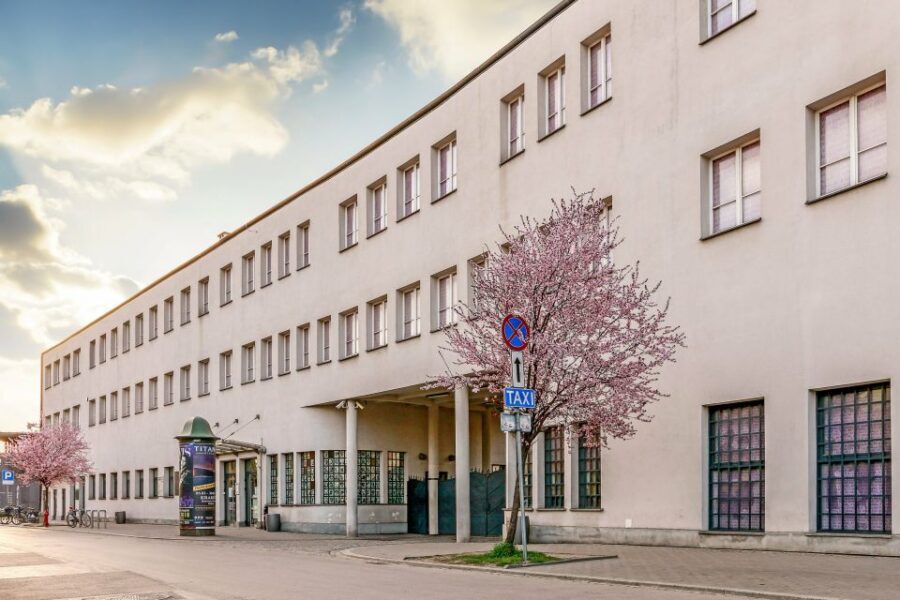
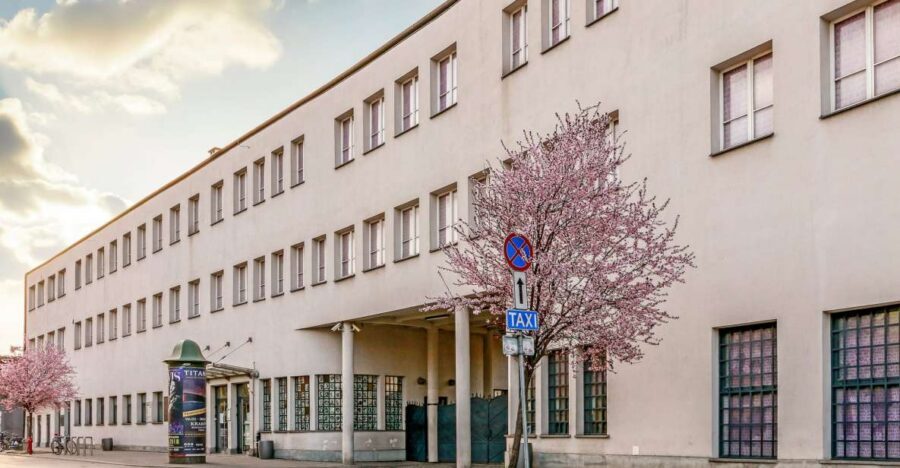
This tour starts right in front of the Oskar Schindler’s Enamel Factory museum. You’ll spot your greeter with a GetYourGuied banner, then line up with the group for the guided entry, rather than wrestling with queues. That alone can save real energy in Krakow, especially in peak season.
The building itself is part of the story. The enamel factory dates back to 1937, and during the Nazi occupation it became a key place connected to Oskar Schindler’s efforts. On this tour, you’re not just seeing rooms—you’re seeing the setting where a wartime system played out, day after day, with lives at stake.
Once you’re inside, you’ll follow a planned sequence with a professional guide. This is one of those places where a short, guided context can do a lot of work. You’ll get help sorting names, dates, and the way Nazi control reshaped everyday life in Krakow.
You can also read our reviews of more guided tours in Krakow

From September 1939 to 1945: how the tour connects policy to daily life
The heart of the experience is the way the tour explains Nazi occupation through daily reality, not just big-picture dates. You’ll hear how World War II history intersected with ordinary Krakow life between 1939 and 1945. The tone is serious, because the subject is serious—but the guide’s job is to keep the story understandable.
A key thread you’ll cover is Schindler’s role in Krakow. After Germany invaded Poland on September 1, 1939, Schindler is believed to have arrived on September 6, shortly after German troops entered the city. Soon after, he took control of the factory, where he employed over 1,000 Jewish people from the Krakow ghetto.
You’ll also learn the wider impact of that work. The tour focuses on how more than 1,200 Jews in Krakow were saved thanks to Schindler’s efforts. Instead of presenting this as one dramatic moment, the tour frames it as something that happened inside a system of oppression—where paperwork, labor, and cruel bureaucracy shaped survival.
One thing I appreciate about this style of tour is the human scale. You’ll hear about individual dramas and victims, and then you’ll see how those personal stories overlap with the machinery of the Nazi regime. It’s not history as a distant lecture. It’s history as lived experience.
The authentic Schindler’s office desk: why this stop hits harder than the photos
There’s one highlight you should plan to slow down for: the authentic desk in Oskar Schindler’s office. Even if you’ve read about Schindler before, standing in the space where his desk remains can land differently than watching a video or browsing pictures.
This is where the tour often feels most “real.” A desk is not a statue; it’s an object of work. And in a place like this, “work” is tangled with coercion, danger, and survival decisions made under impossible pressure. The guide will connect the desk and office setting to the broader story of Schindler’s enamel factory administration.
I also like that the tour isn’t only about Schindler as a symbol. It’s about the factory as a location where the Nazi occupation made life precarious, and where Schindler’s choices intersected with that reality. That’s a different emphasis than many museum tours, and it’s one reason this experience can feel more concrete.
If you’re the type who reads every label and still wants time to ask questions, this is the moment to protect. Don’t rush past it waiting for the next room—this is often the emotional anchor of the whole tour.
What the 2-hour timing really feels like (and how to handle it)
This tour is listed as 2 hours, but in practice you should treat the visit as time-fenced. Some guides keep a steady pace that gives you enough time to look, while others move a bit faster—especially if the group is large. If you’re hoping for extended reading or long pauses in rooms with lots of text, you may feel squeezed.
Here’s how I’d handle it so you still get value:
- Arrive a few minutes early so you’re not stressed at the start.
- Decide ahead of time what matters most to you: the ghetto story, the factory administration, or Schindler’s office details.
- Bring a photo ID and keep your bag light so there’s no scramble with rules.
One practical note: you might find the tour route doesn’t give you time to thoroughly explore every exhibit at a slow museum-walk pace. If you want that, pair this with your own time inside the museum after the tour ends, if the museum layout and your schedule allow it. If you can’t do that, at least come with a couple of questions for your guide, so the guide’s time becomes your “deep reading.”
Group dynamics matter too. Your best-case scenario is a guide who keeps the group organized and the tone clear. If you ever notice your group feeling crowded or your timing feeling rushed, you’ll still get the core story—but you may have to accept that not every label will get your full attention.
Price and value: $42 for skip-the-line + a guide who ties it together
Let’s talk value honestly. $42 for a 2-hour guided tour isn’t bargain-bin pricing, and it’s not meant to be. What you’re buying is guidance through a complicated, emotionally heavy subject—plus skip-the-line entry so you don’t burn time before you even start learning.
For me, the best value element is the guide’s ability to connect what you see to why it mattered. The enamel factory setting, the timeline (1937 origins, September 1939 arrival, years through 1945), and the link to saving more than 1,200 Jews in Krakow are all concepts you’ll grasp faster with a good guide than by piecing it together alone.
Also: this price includes the professional guide and the tour in your chosen language (Spanish or English). It does not include food or drinks. So if you’re doing this as part of a full day in Krakow, plan to eat before or after—no last-minute cafe hunting during the tour window.
If you want a museum experience that stays focused and structured, paying for the guide makes sense here. If you prefer slow browsing with no commentary, you might consider a self-guided approach instead—but then you’ll need to bring your own historical framework.


Museum rules that can derail your day if you ignore them
This museum has clear restrictions, and it’s worth treating them like a checklist. Bring your passport or ID card—and not just yours. The rule is strict: every participant needs a physical ID or passport with photo to enter.
Photography rules are also firm:
- Flash photography is not permitted.
- Video recording isn’t allowed.
And you’ll want to keep your gear simple:
- No luggage or large bags inside.
- Pets aren’t allowed.
- Smoking isn’t allowed.
- Weapons or sharp objects are not allowed.
- Alcohol and drugs are not allowed.
One detail I always remind people about in places like this: don’t bring “maybe useful later” items that trigger restrictions. If it could be considered large luggage, leave it behind. Keep only what you’ll realistically carry for a short guided visit.
Language, guides, and the human factor
The tour is offered with live guides in Spanish and English. That helps a lot if your history vocabulary is stronger in one of those languages, and it also affects how well you can follow the timeline and ask questions.
From experience, the quality of the guide can shape the whole tour. I’ve seen comments on guides bringing serious passion and personal context—like Barb, who stood out for strong delivery and keeping the 2 hours engaging. When that happens, the tour feels organized and emotionally attentive rather than like a rushed slideshow.
Still, keep expectations grounded: you’re listening to a human interpretation, not a robot script. If you care deeply about how different periods and occupations are framed, a guided story can’t perfectly match every visitor’s viewpoint. Your best move is to treat the tour as the start of learning, then use Krakow itself—museums, monuments, and reading time afterward—to round out your understanding.
Who should book this Schindler’s Factory tour?

This is a strong fit if you want:
- A guided explanation of Krakow under Nazi occupation
- A structured narrative that links the factory setting to survival efforts
- The standout moment of seeing Schindler’s office desk in context
It’s also wheelchair accessible, so it can work for mobility needs. That matters because many historic sites have steps and awkward routes, and this one is designed to be accessible enough for a guided visit.
There’s an age limit to note: it’s not suitable for children under 14. If you’re traveling with younger kids, you’ll need a different plan.
Should you book Schindler’s Factory guided tour or do it on your own?
Book it if you want a focused, time-efficient way to understand what you’re seeing—especially the link between the enamel factory, Nazi occupation, and Schindler’s efforts that helped save more than 1,200 Jews in Krakow. The skip-the-line entry is a real quality-of-life upgrade, and a good guide can turn tough material into a coherent story.
Don’t book it if you need slow, unstructured reading time, because the route is paced for a 2-hour guided format. Also, be aware that tickets are non-refundable, so only lock it in when your schedule is solid.
My practical recommendation: bring your photo ID, pack light, and go in with one question you genuinely want answered. Then let the guide do what guides do best—help you connect the dots while you’re standing in the room where those dots mattered.
FAQ
How long is the Schindler’s Factory guided tour?
The tour lasts 2 hours.
What does the tour cost?
It costs $42 per person.
Which languages are available?
Live tour guidance is available in Spanish and English.
Where do I meet for the tour?
Meet in front of the entrance to the Oskar Schindler’s Enamel Factory museum. You’ll see a greeter with a GetYourGuied banner.
Do I need to bring ID?
Yes. You must bring a physical passport or photo ID with you for every participant.
Can I take photos or record video?
Flash photography is not permitted, and video recording is not allowed inside the museum.
Is the tour wheelchair accessible?
Yes, the tour is wheelchair accessible.
Is this tour suitable for children?
No. It is not suitable for children under 14.