REVIEW · KRAKOW
Cracow: Wawel Castle and Cathedral Guided Tour
Book on GetYourGuide →Operated by Krakintour Travel · Bookable on GetYourGuide
Wawel Hill has a way of making the past feel close. In this guided visit, you’ll go from the Royal Castle rooms to the Cathedral where Polish kings were crowned, then up to Sigismund’s Bell for a view (and a sound) you won’t forget. It’s timed well for first-timers who want the key sights without turning the whole day into museum paperwork.
Two things I really like: the guide story-telling. Guides such as Andrew, Andy, or Andrzej (names vary in bookings) keep the history moving with clear explanations and lots of room for questions, so you’re not stuck with a lecture. Second, you get the full Wawel core in one go: castle exhibition, Cathedral ticket, belfry access, and a look at the royal tombs beneath the church.
One drawback to consider: the Cathedral complex and bell tower involve stairs and tight historic spaces. The tour isn’t listed as suitable for wheelchair users or people with claustrophobia, and cathedral access can also be interrupted during big religious/state events.
In This Review
- Key things to know before you go
- Wawel Hill: the shortcut to understanding why this place matters
- The meeting point by the Hašek plaque (and why it matters)
- Royal Castle: you’ll see the rooms that explain monarchy in plain language
- Cathedral Church: where coronations become a real story
- Sigismund’s Belfry: the climb, the bell, and the payoff
- Royal tombs: going from names on stone to the story under your feet
- What the guide style gets right (and why you’ll feel it during the whole walk)
- Timing and pacing: 150 minutes that don’t waste your day
- Price and value: is $55 worth it?
- Dress and rules you should know for the Cathedral complex
- Who this tour suits best
- Should you book Wawel: Wawel Castle and Cathedral Guided Tour?
- FAQ
- How long is the guided tour?
- What’s included in the ticket price?
- Do I get to choose which castle exhibition to visit?
- Is the tour in English?
- Is there a skip-the-line advantage?
- Is the Cathedral and tomb/bell tower access always guaranteed?
- Is it suitable for wheelchair users or people with mobility impairments?
- Are food and drinks included?
Key things to know before you go
- Skip-the-line entry helps you spend more time inside and less time waiting outside
- One permanent exhibition in the castle is included (availability decides which one)
- Sigismund’s Belfry includes access to one of Poland’s largest bells
- Royal tombs are part of the route, letting you connect the coronation story to the people buried below
- Ends back on Wawel Hill, with practical info to help you plan the rest of your Krakow sightseeing
Wawel Hill: the shortcut to understanding why this place matters
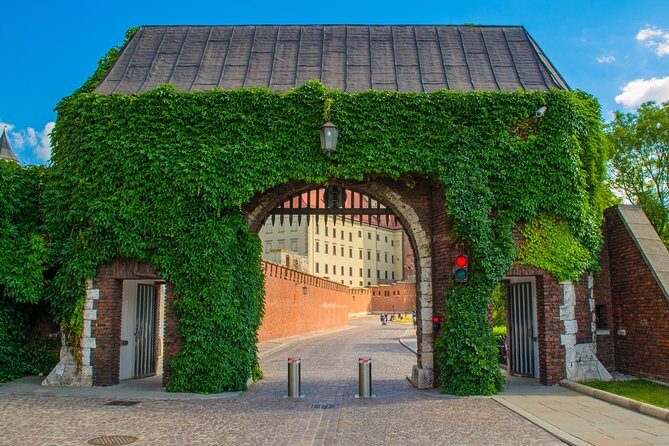
Wawel is one of those locations where the setting explains the story. You start on the hill in the heart of Krakow’s historic center, where the castle and Cathedral Church were established in the early 11th century and became the stage for royal power. Coming with a guide helps because the hill can feel like a bunch of landmarks at first—until someone puts them in order for you.
I like that this tour doesn’t treat Wawel like a checklist. The guide frames it as a single royal landscape: where rulers lived, where ceremonies happened, and where important people were buried. That makes the later stops inside the castle and Cathedral click faster, because you already understand what you’re looking at.
A practical note: you’ll be on your feet for most of the 150-minute experience. Some parts are stairs-heavy, and the bell tower is not designed for slow strolling.
You can also read our reviews of more guided tours in Krakow


The meeting point by the Hašek plaque (and why it matters)
Finding the start matters more than you’d think at Wawel. You meet at Podzamcze 4, then your group comes together near a small square between the ends of Grodzka and Kanonicza streets. The meeting spot is opposite the round bastion under the castle, close to the memorial plaque of the writer Jaroslav Hašek—shown on Google Maps as Pamětní deska Jaroslava Haška.
If you’re arriving from the Old Town, give yourself a little extra buffer. Wawel’s roads twist and the hill can make landmarks confusing when you’re tired or juggling a map on your phone. Getting there early also helps you avoid that stressed scramble right before the first guided segment.
Royal Castle: you’ll see the rooms that explain monarchy in plain language
Inside the Wawel Royal Castle, you’re not just walking through pretty spaces. You’re stepping into permanent exhibitions, and the key detail here is that you get entry to one of them based on what’s available: State Rooms, Royal Private Apartments, or the Crown Treasury.
That “subject to availability” part is worth planning around. If you really care about a specific exhibition type—like treasury vs. rooms—know that you may receive another option depending on day-of access. The good news: the tour still covers the big picture of how the castle functioned as a royal center.
What makes this stop valuable is how the guide connects art, objects, and architecture to the people using them. One of the strongest themes in the experience is that explanations are balanced: you’ll get enough context to understand why items or spaces mattered, without feeling like you’re trapped in a long history lecture. This is especially useful if you’re traveling with time limits or you’d rather learn than memorize.
Cathedral Church: where coronations become a real story
Next comes the Cathedral Church, where Polish kings were crowned and where most of the kings were later buried. This is the heart of why Wawel is more than a medieval complex with nice views.
In the Cathedral, the guide typically does two things well. First, they map out the sequence of what you’re seeing—so you know where you are in the space and why it’s arranged that way. Second, they connect the coronation tradition to the burial tradition below. You start to understand the hill as a complete system: ceremony up top, memory underneath.
Important to know: the Cathedral is still an active place of worship. During major religious, state, or jubilee events—or visits by important guests—access to the Cathedral, royal tombs, or the bell tower can be suspended without advance notice. If that happens, the provider can replace the Cathedral entrance with another visit within the castle complex. It’s rare, but it’s part of traveling with living historic sites.
Sigismund’s Belfry: the climb, the bell, and the payoff
If you only take away one sensory moment from Wawel, make it the belfry. This tour includes access to the Sigismund’s Belfry, home to one of Poland’s biggest and heaviest bells.
The practical side: expect a stair climb. The tour isn’t intended for wheelchair users, and if you struggle with enclosed or stair-heavy spaces, consider that the bell tower is part of the route. But if you’re comfortable with stairs, this is where the experience gets extra memorable. You’re not just seeing a model or a photo; you’re inside the structure tied to the Cathedral’s identity.
The payoff is the combination of scale and context. The guide’s explanations help you understand what a bell meant in daily life and ceremonial life—not only as a sound, but as a marker that people organized their world around.




Royal tombs: going from names on stone to the story under your feet
After the Cathedral visit and bell tower stop, you’ll see the royal tombs, including the crypts under the church. This is one of the more moving parts of the experience because it turns the monarchy story from “ceremony” into “legacy.”
The key value here is interpretation. Tombs can feel like a set of dates if you’re on your own. With a guide, you get a clearer sense of how the burials fit into Wawel’s role across time—why these people ended up here, and how the hill functioned as a symbol of authority.
If you’re the type who likes history that has consequences, not just facts, this section is where the tour earns its keep.
What the guide style gets right (and why you’ll feel it during the whole walk)
A big theme from the experience is the guide’s delivery style. Guides like Andrew/Andy/Andrzej are praised for being warm, prepared, and able to explain history through stories. That matters because Wawel can be dense. You’re dealing with centuries of rulers, artistic styles, and religious significance, all packed into a compact area.
The best guides on this route keep information balanced. You’ll learn a lot, but it stays organized: you’re not overwhelmed, and you can keep your attention. The tone also makes questions feel welcome, which is useful if you’re the curious type who stops mid-walk to ask, wait, why is this built like that?
One extra detail I appreciate: some guides add a small parting touch at the end. It’s not the reason to book, but it reflects that the tour feels cared for rather than rushed.
Timing and pacing: 150 minutes that don’t waste your day
The tour runs about 150 minutes, roughly two and a half hours. That duration is a sweet spot for Wawel. You get the essential stops—castle exhibition, Cathedral, belfry, tombs, plus a wrap-up on the hill—without burning half your day.
The pacing also helps you see Krakow as more than “one major attraction.” The tour finishes back on the hill with practical information to make it easier to plan the rest of your sightseeing. That kind of final orientation is more useful than it sounds, especially if it’s your first time in Krakow.
Price and value: is $55 worth it?
At $55 per person, this is a mid-range priced guided experience. The value comes from what’s bundled in: a professional English guide, ticket access for the Cathedral Church, belfry access, entry to one permanent castle exhibition (State Rooms / Royal Private Apartments / Crown Treasury depending on availability), and the tour’s built-in overview of Wawel Hill.
If you were to buy these pieces separately and add the guidance, you’d likely spend more time and more money. The biggest practical win is that you’re not piecing together tickets while trying to understand the story. You also get skip-the-ticket-line help, which is a real comfort at Wawel when crowds form.
For budget-minded travelers, the best question is simple: do you want a guide who makes Wawel make sense quickly? If yes, this is good value. If you prefer wandering at your own pace and you’re happy doing self-guided reading, you might feel less urgency to pay for the package.
Dress and rules you should know for the Cathedral complex
The Wawel area has clear rules, and they’re the kind that can ruin your day if you show up unprepared. Certain items and clothing are not allowed, including weapons or sharp objects, oversize luggage, strollers, and pets (assistance dogs are allowed). There are also clothing restrictions like no short skirts and no sleeveless shirts, and you’ll want to avoid banned behaviors such as flash photography and indoor vaping.
If you’re traveling in warmer months and plan to wear something light, bring a layer. A light scarf or shawl can help if you end up near areas with strict expectations. Also, keep your bag size reasonable to avoid hassle at entry.
Who this tour suits best
This works especially well if you:
- Want a structured way to see the key Wawel sites in one sitting
- Enjoy storytelling-based history over pure lectures
- Like getting context that helps you navigate religious and royal spaces
- Are visiting for a limited time and don’t want to guess what to prioritize
I’d think twice if you:
- Have mobility limits or need wheelchair-friendly routes (the tour is not listed as suitable for wheelchair users)
- Have claustrophobia, since some sections involve enclosed historic spaces and stair climbs
- Are traveling with a stroller (strollers are not allowed)
There is one nuance worth noting: one person described an exceptionally thoughtful approach with planning an accessible route using a lift. That doesn’t change the tour’s listed limitations, but it’s a sign that the guide may handle real-world constraints carefully. If accessibility matters for you, message the provider ahead of time and ask what’s feasible on your date.
Should you book Wawel: Wawel Castle and Cathedral Guided Tour?
Book it if you want the most meaningful hits of Wawel without spending your day decoding symbols on your own. The guide-led combination of castle rooms/exhibition + coronation Cathedral + Sigismund’s Belfry + royal tombs is a strong use of time for first-timers.
Skip or reconsider if you’re set on full independent pacing, or if stairs and enclosed spaces will be an issue. Also, if your visit lands on a day with important Cathedral events, be prepared that access to certain parts may be suspended and replaced within the complex.
My bottom line: for most people, this tour is a practical way to understand why Wawel is central to Poland’s story, not just why it’s photogenic.
FAQ
How long is the guided tour?
The tour lasts approximately 150 minutes, or about 2.5 hours.
What’s included in the ticket price?
It includes a guided visit of Wawel Castle Hill, ticket access to the Wawel Cathedral Church, access to Sigismund’s Belfry, viewing of the royal tombs, and entry to one permanent castle exhibition (State Rooms, Royal Private Apartments, or Crown Treasury depending on availability), plus a professional English guide.
Do I get to choose which castle exhibition to visit?
You’re guaranteed entry to one permanent exhibition, but which one you visit depends on availability (State Rooms, Royal Private Apartments, or Crown Treasury).
Is the tour in English?
Yes, the live tour guide is English.
Is there a skip-the-line advantage?
Yes. The tour includes skip-the-ticket-line entry.
Is the Cathedral and tomb/bell tower access always guaranteed?
Not always. Because the Cathedral is an active worship site, access to the Cathedral, royal tombs, or the bell tower may be suspended during important religious/state/jubilee events or visits by important guests, and the provider can replace the entrance with another visit within the castle complex.
Is it suitable for wheelchair users or people with mobility impairments?
No. It’s listed as not suitable for people with mobility impairments and wheelchair users.
Are food and drinks included?
No. Food and drinks are not included.