REVIEW · KRAKOW
Cracow: Guided Tour of the Wawel Castle & Cathedral
Book on GetYourGuide →Operated by MyRide · Bookable on GetYourGuide
Wawel packs centuries into two hours. This guided walk through Wawel Castle and Wawel Cathedral is one of the fastest ways to grasp how Poland’s kings and queens shaped the city—and how the art collections tell that story in visual form. You get a live guide, ticket access included, and a clear focus on the Royal spaces rather than wandering randomly.
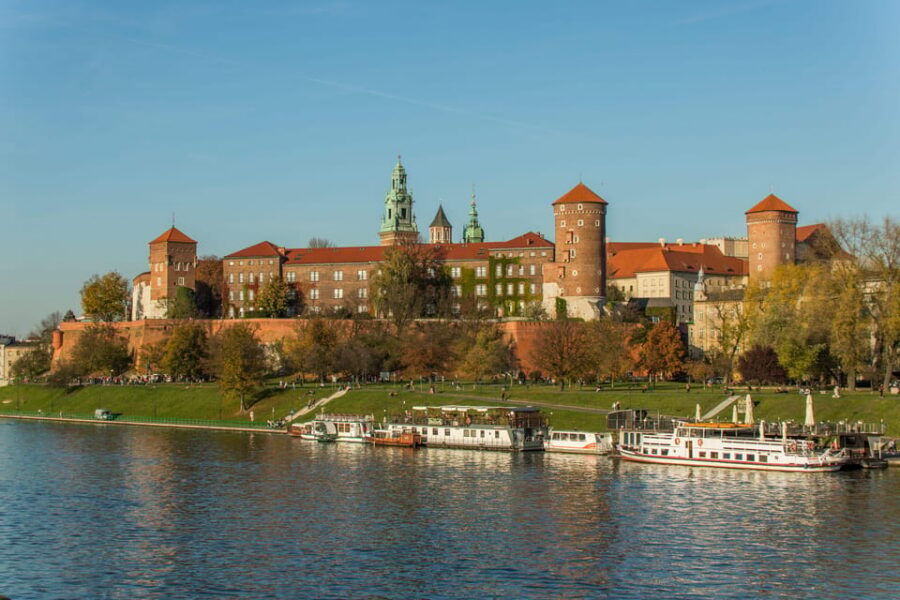
Two things I really like: first, the mix of architecture and “why it mattered.” You’re not just looking at the Gothic cathedral—you’re learning how Polish monarchs used it for coronations. Second, the royal interiors and collections feel specific and human: you’ll see the tapestries of Zygmunt August, plus Renaissance Italian paintings tied to the Lanckoronski collection, and you’ll even get a surprising detour into Eastern art, including a standout tent collection.
One possible drawback to keep in mind: the tour includes entry to one permanent exhibition, and the exact selection can depend on availability. Also, the cathedral is an active place of worship, so access to some parts can be suspended during big events, with the visit adjusted inside the castle complex.
In This Review
- Key takeaways before you go
- Getting oriented at St. Mary Magdalene Square (and why it matters)
- Wawel Cathedral: Gothic grandeur and coronation context
- Inside Wawel Castle: Royal chambers and real court atmosphere
- Permanent exhibitions: what you’ll actually see (and why it can vary)
- The art collections payoff: Lanckoronski paintings and Eastern tents
- How the pace feels in 2 hours (and who will enjoy that)
- The guide experience: clarity, languages, and real expertise
- Skip-the-line access: saving time at a high-demand site
- Price and value: is $58 worth it?
- Should you book this Wawel Castle & Cathedral tour?
- FAQ
- How long is the tour?
- Where do we meet?
- What’s included in the price?
- Do we skip the ticket line?
- What languages are available for the guided tour?
- Can entry to the cathedral be suspended?
- Is there free cancellation or a pay-later option?
Key takeaways before you go
- Zygmunt August tapestries put court life into vivid, wearable detail
- Gothic Wawel Cathedral connects directly to Polish coronations
- Renaissance Italian paintings from the Lanckoronski collection add an art-history payoff
- Eastern art with a major tent collection is a memorable curveball you might not expect
- A live multilingual guide keeps the pace understandable and focused
- Cathedral access can shift during major state or religious events
Getting oriented at St. Mary Magdalene Square (and why it matters)
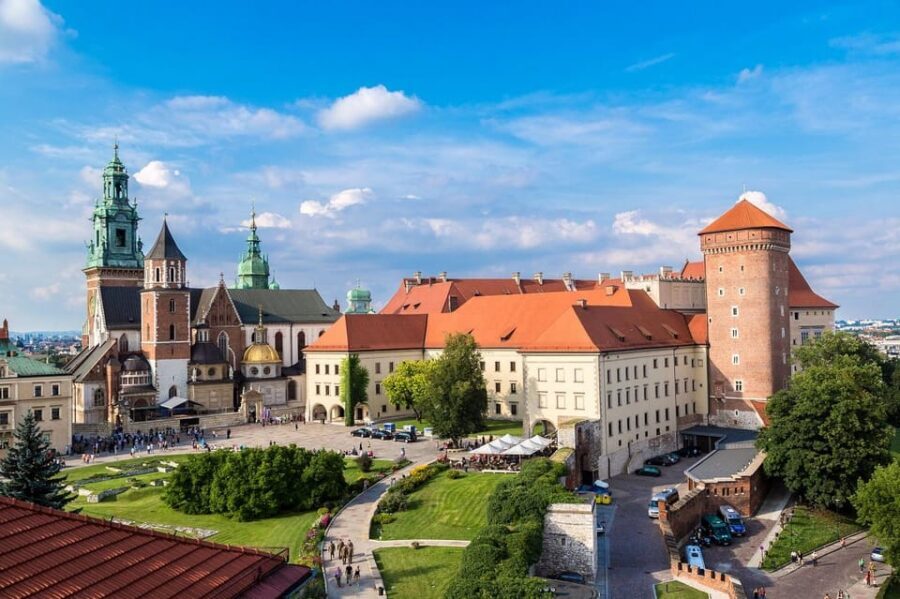
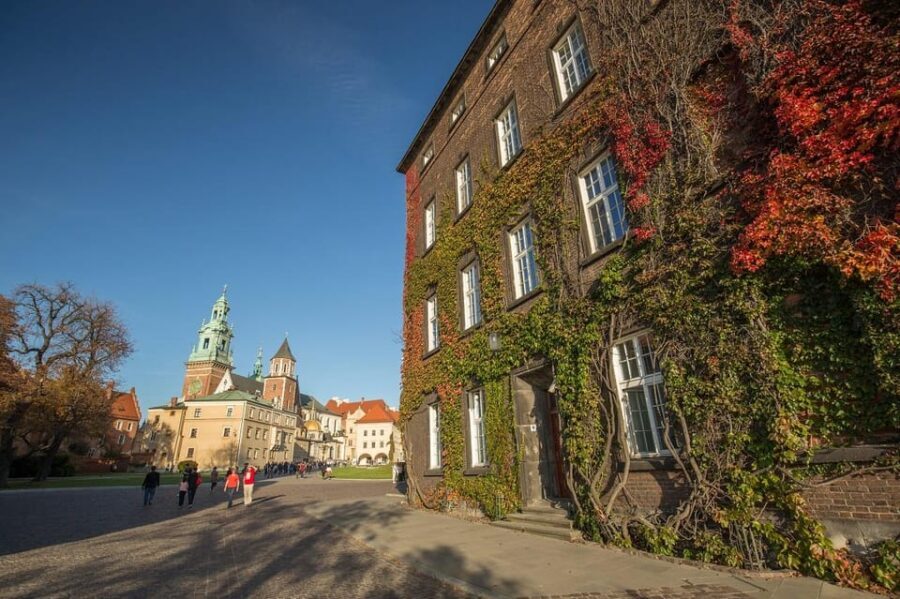
This tour starts at St. Mary Magdalene Square, right by the Piotr Skarga Monument. Your guide will be holding an excursions.city sign, and you’ll want to arrive about 10 minutes early so you’re not rushing into a line that this tour is designed to skip.
Because it’s only 2 hours long, that meeting spot timing matters. I like short tours where you’re constantly moving—less time lost, more time spent in the places that actually do the storytelling.
You can also read our reviews of more guided tours in Krakow


Wawel Cathedral: Gothic grandeur and coronation context
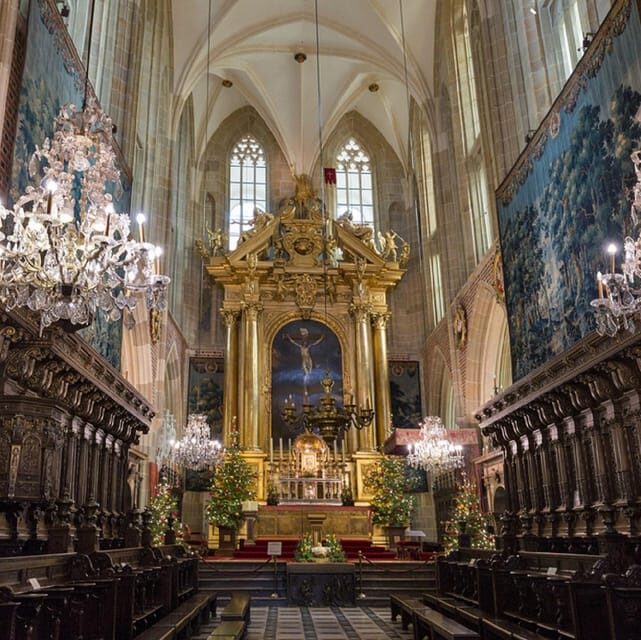
The star stop is the Wawel Cathedral, a Gothic masterpiece that served as a key setting for Polish royal coronations. Even if you’ve seen lots of European churches, this one hits differently because it’s tied to state power, not just worship. Your guide’s job here is to connect the visuals you’re seeing—style, symbolism, and the space itself—to the people who used it.
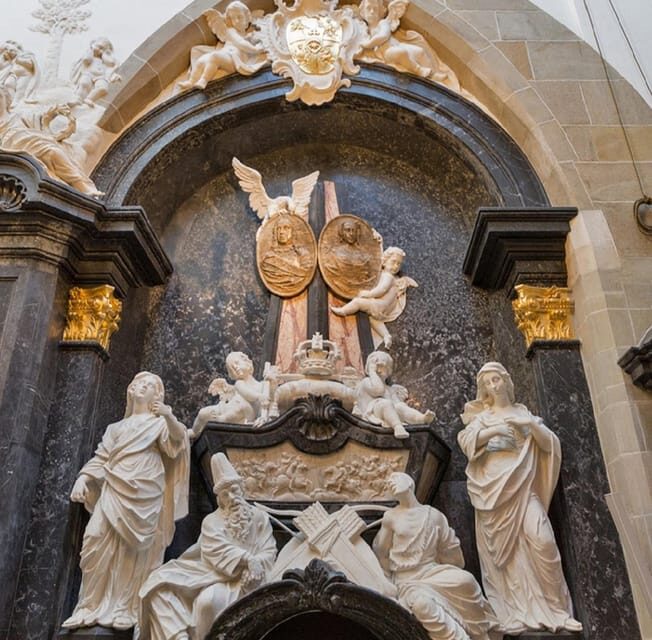
A practical note: the cathedral is still active religious worship. During important religious, state, or jubilee events, admission to the cathedral (and potentially the royal tombs or bell tower) may be suspended without advance explanation. If that happens, the activity provider can replace the cathedral entrance with another visit within the castle complex.
That’s why I call out this point up front: it’s not “the tour didn’t work.” It’s more like the tour adapts to the real-world rhythm of the cathedral. If you’re visiting during a busy season of events, keep a flexible mindset.
Inside Wawel Castle: Royal chambers and real court atmosphere
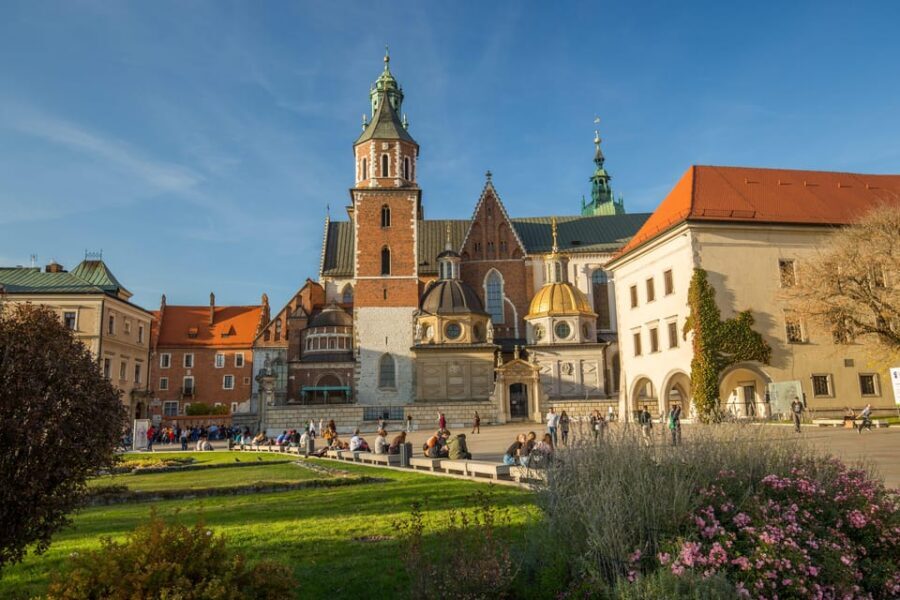
After the cathedral, you shift into the Royal Wawel Castle zone where you’ll be guided through the royal chambers and the museum-style spaces that recreate the opulence of the Renaissance and Baroque periods. This is where the tour becomes more than architecture.
The guide focuses on what you’re looking at—paintings, sculptures, textiles—so you’re not just seeing objects behind glass. The aim is to help you understand how power dressed itself, how taste signaled rank, and how the court presented Poland to the world.
One highlight here is the focus on the tapestries of Zygmunt August. These textiles aren’t just beautiful wall hangings; they’re part of how royal identity was displayed and remembered. Seeing them with context makes a big difference in a short tour like this.
Permanent exhibitions: what you’ll actually see (and why it can vary)
Your ticket includes entry to one permanent exhibition, selected from options such as the State Rooms, Royal Private Apartments, or the Crown Treasury—depending on availability. That “subject to availability” part is worth understanding before you go.
In plain terms: you’re guaranteed access to one permanent exhibition choice plus the cathedral ticket, but you may not see every single room you hoped for—because there are multiple exhibition routes and the operator picks based on what’s available that day. In a 2-hour experience, that’s the trade-off for getting guided, structured access instead of free-roaming.
If you prefer to have a very specific checklist (for example, you absolutely want a certain room type), this tour is still a strong option—but it’s smarter to read the room with flexibility rather than assuming you’ll get every possible highlight.
The art collections payoff: Lanckoronski paintings and Eastern tents
This tour isn’t only about Polish royalty. It also gives you a wider sense of what the Wawel collections hold, including Eastern art. One standout detail is that you’ll see Europe’s largest and most significant collection of tents, which is not the first thing most visitors expect from a royal castle.
That tent collection makes a lot of sense when explained as part of cultural contact. It’s a reminder that royal courts weren’t insulated bubbles; they collected, displayed, and absorbed influences from far outside Europe too. You don’t have to become an art historian to enjoy this part—you just need a guide who explains what you’re looking at, and this tour is built around that.
On the Renaissance side, you’ll also see Italian paintings tied to the Lanckoronski collection. This is the kind of detail that turns a “museum stop” into something you’ll remember later, because it gives the artwork a name and a trail—not just generic labels.




How the pace feels in 2 hours (and who will enjoy that)
A 2-hour guided route is ideal for people who want the essentials without burning a whole day. It’s also a good fit if you’re the type who likes to understand context while you walk, not after you go home with a stack of notes.
You’ll move through key themes—coronations in the cathedral, royal chambers inside the castle, and then art collections that range from tapestries and Italian painting to Eastern works like the tent collection. Done well, that rhythm helps you build a mental map quickly: what Wawel is, who used it, and what they valued.
If you’re someone who likes slow travel—soak-in-the-detail travel—then you might leave wanting more time in certain rooms. That’s normal with any 2-hour tour. The best strategy is to use this as your “big picture” visit, then return later if a specific room type really pulls you in.
The guide experience: clarity, languages, and real expertise
This is a live-guided tour, and the languages listed include German, Italian, French, English, Spanish, and Polish. That wide language coverage matters more than you might think. When you’re in a place like Wawel—with symbol-heavy rooms and layered court history, clarity is everything.
One guide name that stood out in feedback was Joanna Klimek. Her French was noted as excellent, and her knowledge of the castle and cathedral across different dynasties was praised as impressive. That’s the kind of detail that can make a tour feel like it has a spine: you don’t just hear facts, you follow how they connect.
At the same time, a less-perfect experience can happen when the tour doesn’t match what someone expected to see—especially in a compact route where not every room is guaranteed. The simplest way to avoid frustration is to treat this as a curated highlights visit with a rotating exhibition option, not a promise of one exact room list.
Skip-the-line access: saving time at a high-demand site
Wawel is popular. This tour includes skip-the-ticket-line access, which helps a lot when you’re visiting during peak hours. Even a short wait can eat into your time inside, and with a tight 2-hour schedule, minutes matter.
Also, skip-the-line doesn’t just mean convenience. It keeps the tour moving so the guide can do the job you paid for: connecting the dots across multiple spaces without losing momentum.
Price and value: is $58 worth it?
At $58 per person for a 2-hour guided experience, you’re paying for three main things that add up fast: a professional guide, cathedral entry, and entry to one permanent exhibition inside the castle complex. You’re also paying for the “time advantage” of skipping the ticket line.
Food and drinks are not included, so you’ll want to plan a meal before or after. But for what’s included, the value feels more solid than a basic entry ticket because you’re not just buying access—you’re buying interpretation. For many people, that’s what makes Wawel finally click: the story behind the objects.
If you’re visiting Krakow for a short stay, this is a smart use of time. If you have lots of extra hours and you prefer total freedom, you could build a self-guided loop. But in that case, you’ll miss the key connections a good guide makes—especially around coronations, the tapestries, and the unusual tent collection angle.
Should you book this Wawel Castle & Cathedral tour?
Book it if you want a fast, structured look at Krakow’s most important royal site, with a guide who explains what you’re seeing. I’d especially recommend it if you’re interested in the mix of Gothic cathedral significance plus Royal chamber interiors, and if you like tours that give you clear art and history touchpoints (like Zygmunt August tapestries and the Lanckoronski paintings).
Think twice if your trip is built around a very specific set of rooms and you’re the kind of visitor who gets upset when a 2-hour plan can’t include every possible area. The exhibition choice can vary based on availability, and cathedral access can shift during major religious or state events.
If you’re flexible and want the best “big picture” orientation to Wawel in a limited time window, this is a solid pick. And if you fall for one corner of the castle while you’re there, you’ll know exactly where to return next.
FAQ
How long is the tour?
The guided tour lasts 2 hours.
Where do we meet?
Meet your guide at St. Mary Magdalene Square at the Piotr Skarga Monument. The guide will be holding an excursions.city sign, and you should arrive 10 minutes early.
What’s included in the price?
You get a professional guide, a ticket to Wawel Cathedral, and entry to one permanent exhibition within the castle complex (State Rooms, Royal Private Apartments, or Crown Treasury), depending on availability. Food and drinks are not included.
Do we skip the ticket line?
Yes, this experience includes skip-the-ticket-line access.
What languages are available for the guided tour?
The tour is offered in German, Italian, French, English, Spanish, and Polish.
Can entry to the cathedral be suspended?
Yes. The Wawel Cathedral is an active place of worship, and during important religious, state, or jubilee events or visits by important guests, admission to the cathedral (and possibly the royal tombs or bell tower) may be suspended without announcing the reasons. If that happens, the provider may replace the cathedral entrance with another visit within the castle complex.
Is there free cancellation or a pay-later option?
Free cancellation is available up to 24 hours in advance for a full refund. There’s also a reserve now & pay later option, so you can book without paying today.