REVIEW · KRAKOW
Krakow: Oskar Schindler’s Factory Entry and Guided Tour
Book on GetYourGuide →Operated by Poland Active Krakow · Bookable on GetYourGuide
Walking into Schindler’s Enamel Factory in Krakow, you can feel the WWII story taking shape room by room. I like how the tour uses photos, eyewitness accounts, and documentary film to make the Nazi occupation years (1939 to 1945) feel real, not abstract. I also like the practical setup: you skip the ticket line, so your 1.5 hours go toward the parts that matter.
One thing to consider: this is a museum that can get crowded, and some rooms feel tight. If your group is large, you may not be as close to the guide while they explain what you’re looking at, so plan to position yourself well when the tour moves into narrow spaces.
In This Review
- Key moments that make the tour worth your time
- Schindler’s Factory: What you actually step into
- The meeting point in Krakow: Start fast, don’t waste your hour
- Inside the former enamel factory: how the guide builds the story
- Schindler’s office and the Survivor’s Ark: don’t rush these rooms
- Theatrical Krakow recreation and a tram segment
- A typical Jewish apartment and what it teaches
- Plazow camp artifacts: where context turns heavy
- The Hall of Choices: history as an ethical question
- Price and timing: is $45 for 1.5 hours good value?
- Who this tour suits best (and who should plan differently)
- Practical tips so you get the most from the tour
- Should you book Schindler’s Factory with a guide?
- FAQ
- How long is the guided tour?
- Where do I meet the guide?
- Is skip-the-line entry included?
- What languages are available for the guided tour?
- Is there free cancellation?
- What is included in the price?
Key moments that make the tour worth your time
- A guided museum route through the former enamel factory of Oscar Schindler, with a coherent narrative instead of wandering
- Schindler’s preserved office, so you’re not only looking at artifacts but also at the space where decisions were made
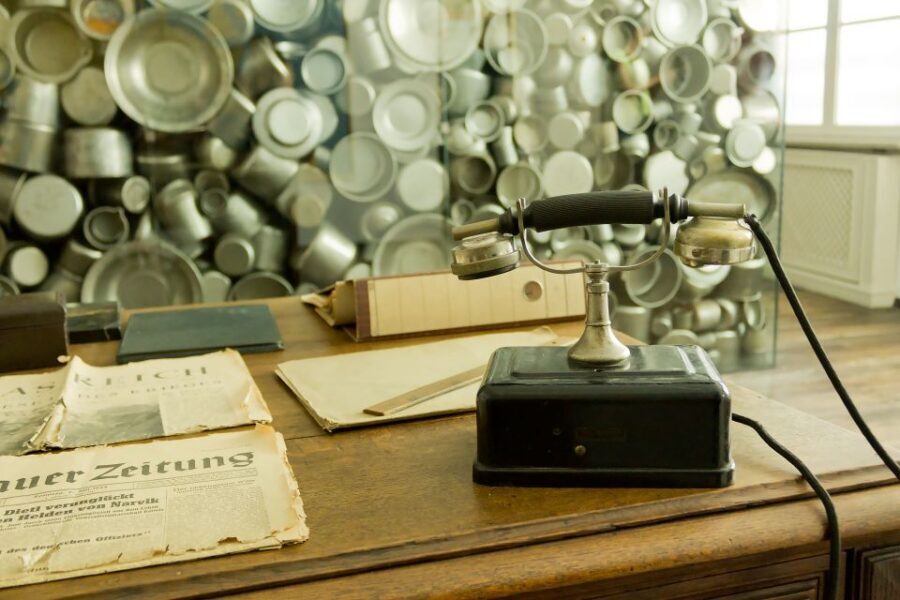
- The Survivor’s Ark, built from thousands of enamel pots like the ones produced in the factory
- Everyday Krakow under occupation, shown through a typical Jewish apartment, photos, and multimedia
- Plazow camp artifacts and a structured look at what life turned into for people on the ground
- The Hall of Choices, a sculptural installation built around the ethical dilemmas people faced during the war
Schindler’s Factory: What you actually step into
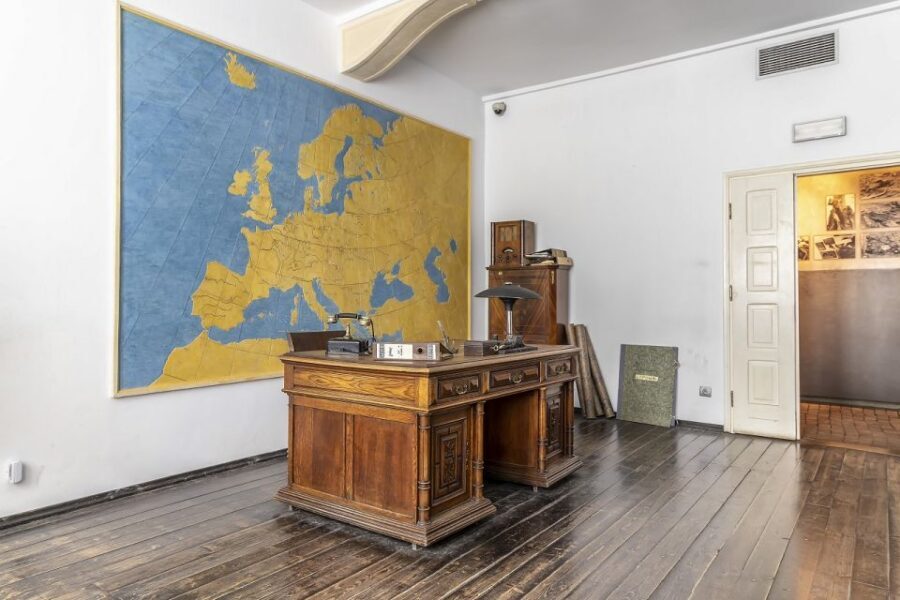
This isn’t a vague WWII lecture. It’s a guided walk through a former enamel factory in Krakow linked to Oscar Schindler, where the museum tells the story of what happened to Polish and Jewish communities under Nazi occupation. The tone is serious, but the tour design helps you track the timeline and understand the human scale of events.
If you know Schindler’s List, you’ll recognize how the museum connects the film’s themes to the real wartime setting. That connection is useful, because it turns a famous story into a place-based one: rooms, objects, and specific kinds of evidence.
The tour is built around interpretation. You’re not just shown displays; you’re guided through what to notice—eyewitness material, documentary photography, and film and multimedia presentations. That matters because wartime history can feel overwhelming fast. A guide helps you hold the details without losing the thread.
You can also read our reviews of more guided tours in Krakow

The meeting point in Krakow: Start fast, don’t waste your hour
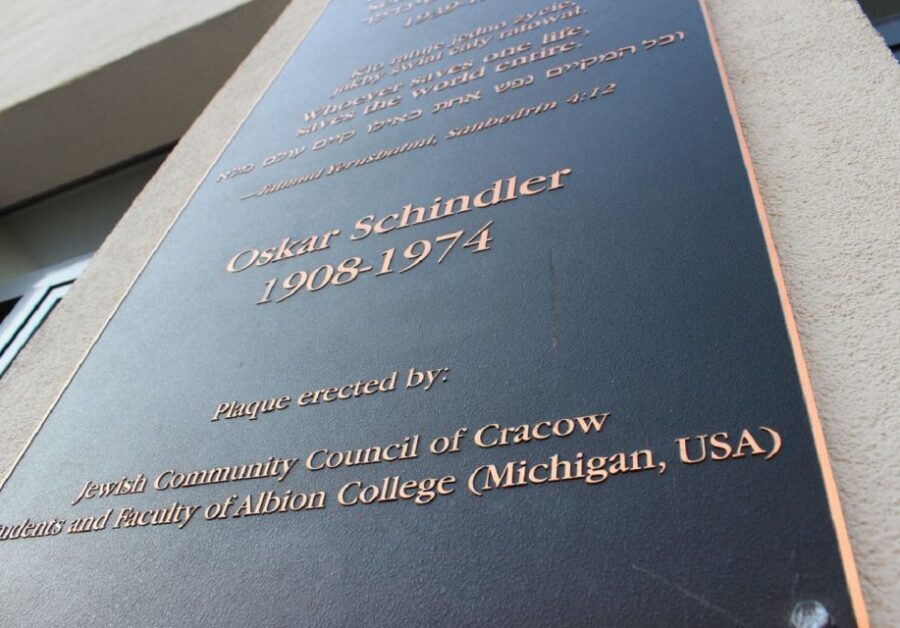
Your tour starts at Lipowa 4, and you meet at the front of the main entrance of the museum. The guide holds an excursions.city sign, and you’ll start from there as part of the group.
Why this matters: with only 1.5 hours, being late cuts into the core experience. I’d show up early enough to find the entrance without rushing your nerves. Once you’re in, the skip-the-line part helps you avoid losing time before the real storytelling begins.
Also, choose your language carefully. Tours run in English, French, German, Italian, Spanish, and Polish. If your history vocabulary is stronger in one of these, pick that one. You’ll follow the details more easily, especially during rooms that require close listening.
Inside the former enamel factory: how the guide builds the story
The main event is a guided visit of Oskar Schindler’s Factory, led by a professional guide. The route centers on the museum’s moving permanent collection—designed as a narrative about daily life in Krakow and how the occupation violently disrupted long-standing Polish-Jewish relations.
A big part of what makes this tour satisfying is that it’s not just factual. It’s structured around evidence and perspective:
- documentary photographs
- eyewitness accounts
- film documentaries
- multimedia presentations
That mix is practical. Photos help you anchor what you’re hearing. Films and multimedia help you understand the broader situation without you having to guess what comes next.
You’ll also go beyond general Holocaust history. The exhibition tells the story of Poles and Jews alongside the Nazi occupiers who reshaped life through terror and control. That balanced framing is important because it keeps the story from becoming only one-sided or only one kind of experience.
Schindler’s office and the Survivor’s Ark: don’t rush these rooms
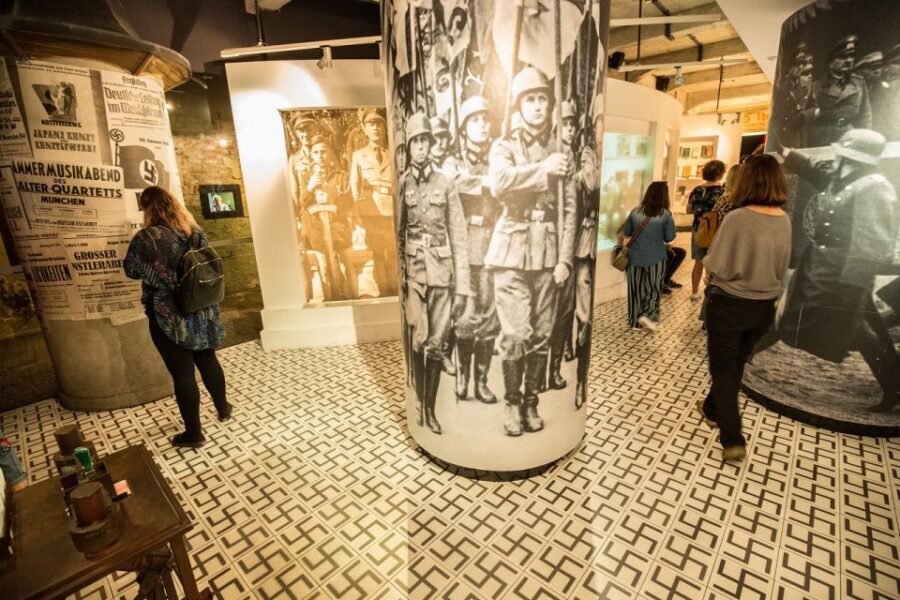
One of the most memorable stops is Schindler’s office, preserved within the museum’s administrative building. Seeing the office as part of the same physical complex you’re touring makes the story feel more specific. You’re not hearing about a person in an abstract way; you’re standing in a space that’s been kept.
Right after that, you’ll see the Survivor’s Ark, made of thousands of enamel pots. These are described as similar to the products produced in the factory. It’s a powerful image because it connects two ideas at once: industrial materials made in ordinary work settings, and the way that same industrial world could become part of survival during catastrophe.
If you tend to read every label, this is where you’ll want to slow down. Even if you don’t, the scale of the enamel pots does the talking. A guide can point out what to notice so you don’t miss the key symbolism.
Theatrical Krakow recreation and a tram segment
The museum doesn’t stay locked in static displays. Part of the tour includes a theatrical recreation of historical city space. Then you board a tram as part of the experience, watching a documentary that portrays everyday city life.
I like this approach because it gives your brain a breather from the heavier museum rooms. You still learn, but the pacing changes. The tram and documentary are also a helpful tool for context: you get a sense of what daily life looked like before the occupation tightened everything down.
One practical note: since you’re moving through different spaces and setups, keep your eyes on the guide. The tour is designed as a sequence, so if you lag behind, it’s easy to lose the storyline.


A typical Jewish apartment and what it teaches
Another stop is a typical Jewish apartment set within the tour experience. The value here is simple: you get a more human-scale view of life—objects, rooms, and the feeling of a lived-in space—rather than only big historical facts.
This kind of room helps you understand what was at stake for families and communities. History becomes less about far-away numbers and more about how people organized daily routines, shared space, and tried to maintain normality under pressure.
If you’re going with someone who only wants the big, dramatic moments, this stop is where you’ll likely find common ground. It grounds the story without turning it into theater for entertainment.
Plazow camp artifacts: where context turns heavy
You’ll also see artifacts from the Plazow camp. This is one of those sections where the tone shifts and the details matter. The guide’s job becomes especially important here, because you need help interpreting what you’re seeing and where it fits into the larger picture.
From a value standpoint, including Plazow-related material is significant. It shows how the story isn’t limited to a single location. It’s connected to broader systems of imprisonment and destruction, and the museum tries to keep those connections clear.
If you’re sensitive to difficult subject matter, give yourself permission to take short pauses. You don’t need to force yourself through every room at the same speed as the group.
The Hall of Choices: history as an ethical question
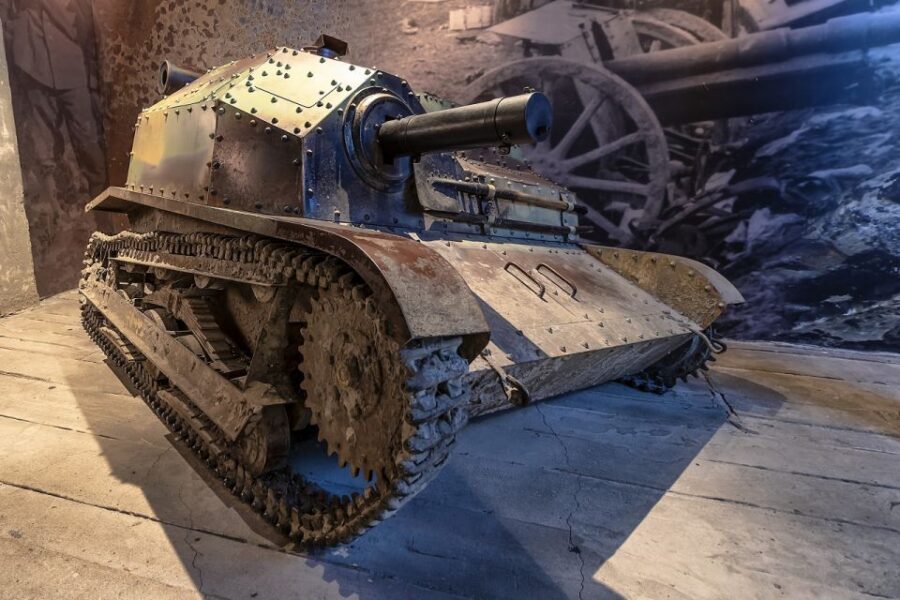
One of the final emotionally intense elements is the Hall of Choices, a sculptural installation. The concept centers on ethical dilemmas people faced during the war.
This part can hit harder than you expect because it moves beyond documenting what happened and asks how people were forced to decide under impossible conditions. A good guide helps you understand the point: choices were often shaped by fear, constraint, and survival pressures, not by easy moral categories.
I appreciate this because it doesn’t pretend everyone had the same options. It also doesn’t let you off the hook mentally. You leave thinking, not just remembering.
Price and timing: is $45 for 1.5 hours good value?
At $45 per person for about 1.5 hours, this tour isn’t a bargain deal, but it’s also not overpriced when you look at what’s included: entrance fees and a professional guide. You’re paying for interpretation and a planned route through a museum that can otherwise feel like too much to process on your own.
The skip-the-line feature is part of that value. With a short time window, every minute matters. If you had to queue, your tour would feel tighter and you’d likely spend less time on the most meaningful sections.
The biggest “value variable” is group size and room crowding. One review noted that the group felt too large and narrow aisles made it harder to follow during explanations. That doesn’t mean the tour is bad. It does mean you should manage expectations: if you want the most detail possible, try to get close to the guide when you enter tight rooms and keep your attention on the spoken guidance.
Who this tour suits best (and who should plan differently)
This experience fits you well if you want:
- a guided narrative through the museum, not a self-guided checklist
- WWII context focused on Krakow during occupation
- the chance to see symbolic exhibits like the Survivor’s Ark and structured installations like the Hall of Choices
It may fit less perfectly if:
- you dislike group pacing and prefer slow, independent wandering
- you get frustrated in crowded indoor spaces
If you love to linger at exhibits, plan extra time before or after your tour window. The guided portion is designed to cover key sections efficiently, and the experience can be more satisfying when you’re not constantly watching the clock.
Practical tips so you get the most from the tour
Here are a few choices that help:
- Wear comfortable shoes. You’re walking through multiple rooms and setups.
- Arrive a few minutes early at Lipowa 4, so you’re not scrambling to find the sign.
- Pick the tour language you understand best. The guide delivers the details verbally, and the museum rooms can require close listening.
- When you reach narrow spaces, move toward the front when possible. Crowd density can make it harder to hear if you’re far away.
- If something hits emotionally (like Plazow artifacts or the Hall of Choices), pause your pace briefly. You’ll understand the story better when you’re not rushing your reaction.
Should you book Schindler’s Factory with a guide?
For most people, I’d say yes—especially if you’re visiting Krakow with limited time and you want the museum’s story explained in a clear, structured way. The combination of skip-the-line entry, professional guiding, and key sections like Schindler’s office, the Survivor’s Ark, the tram documentary segment, and the Hall of Choices makes the 1.5 hours feel purposeful.
Book this tour if you want a guided route through tough history with enough context to keep the timeline and themes straight. If you’re a slow explorer who likes to read everything and wander, consider adding extra time on your own so you’re not forced to choose between the tour and your need to linger.
FAQ
How long is the guided tour?
The duration is about 1.5 hours.
Where do I meet the guide?
Meet at Lipowa 4, at the front of the main entrance of the museum. The guide will be holding an excursions.city sign.
Is skip-the-line entry included?
Yes. The activity includes skip the ticket line.
What languages are available for the guided tour?
The live tour guide is available in English, French, German, Italian, Spanish, and Polish.
Is there free cancellation?
Yes. You can cancel up to 24 hours in advance for a full refund.
What is included in the price?
The price includes entrance fees and a professional guide.