REVIEW · KRAKOW
World War II in Krakow Walking Tour in English
Book on GetYourGuide →Operated by Walkative Tours · Bookable on GetYourGuide
World War II leaves marks in Krakow. This walking tour turns the city streets into a readable story of occupation and resistance, step by step. I especially liked the guide’s clear explanations and the way the tour makes hard details feel human, not just historical facts.
Two standout wins for me: the focus on real locations tied to the Nazi regime, and the thoughtful storytelling that includes both victims and people who resisted. One thing to consider: the subject matter is heavy, and some stops involve grim details and wall inscriptions, so it may feel emotionally intense if you prefer lighter sightseeing.
In This Review
- Key things I’d plan around
- Walking Into WWII Krakow, and Why It Matters
- From the Meeting Point Near Wawel Hill to a City-Scale Timeline
- Katyń Wooden Cross: A Symbol That Expands the Story
- St. Michael’s Prison Cells: Where the Tour Shows the Mechanics of Fear
- Gestapo Headquarters: Understanding How Occupation Worked
- Park Krakowski Bomb Shelters: Fear as Infrastructure
- The Guide Makes the Difference: Big Tomasz and Real Local Storytelling
- Price and Value: Is $26 Worth It?
- Who This WWII Walk Is For (and Who Might Want a Different Tour)
- Should You Book This Tour?
- FAQ
- FAQ
- What is the duration of the World War II in Krakow Walking Tour?
- How much does the tour cost?
- What language is the tour offered in?
- Where is the meeting point?
- Do I need hotel pickup?
- Are snacks included?
- What sites will I visit during the tour?
- Is the tour wheelchair accessible?
- How early should I arrive at the meeting point?
- Is cancellation or changing plans allowed?
Key things I’d plan around
- A narrative, not a lecture: you walk, you pause, you connect the dots between sites.
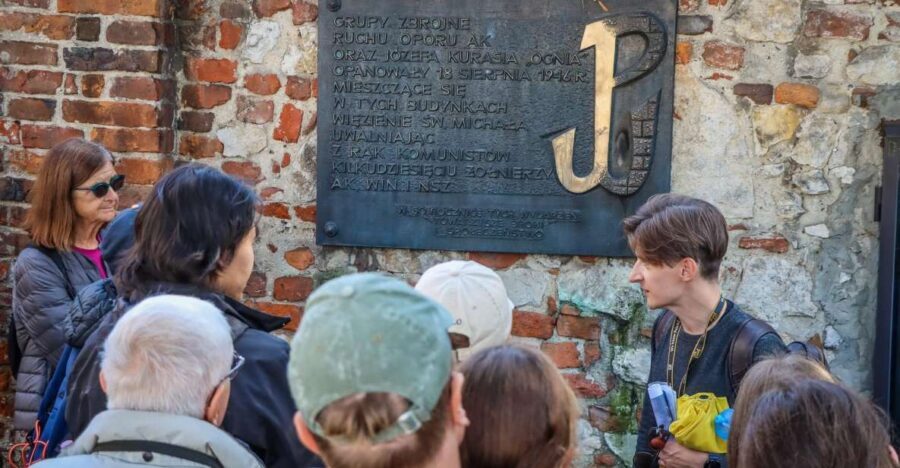
- Nazi-era locations you can actually stand in: St. Michael’s prison and Gestapo headquarters.
- Victims’ inscriptions: you read what people left behind on the walls.
- The Katyń wooden cross: a striking symbol that gives context beyond Krakow alone.
- Bomb shelters in Park Krakowski: you see what fear looked like in everyday life.
Walking Into WWII Krakow, and Why It Matters
Krakow has that postcard charm, but this tour doesn’t ignore what happened on its streets. You see how Nazi occupation reshaped daily life and local power, and you learn how people survived, complied, or fought back. The point isn’t to make you horrified for sport. It’s to show how occupation works when ordinary rules get replaced by fear, surveillance, and punishment.
I like that the tour treats history like a lived experience. You’re not only hearing about big battles or dates. You’re getting the “how” and the “why,” like how control was carried out, and how people tried to respond under brutal constraints. That storytelling style is especially useful if you’ve never studied this period closely.
The guide also keeps the pace practical. With a 150-minute walk, you get enough time to cover key stops without it turning into a marathon. And because it’s in English, you can focus on the meaning instead of translating in your head.
You can also read our reviews of more walking tours in Krakow

From the Meeting Point Near Wawel Hill to a City-Scale Timeline
You meet at the triangle square next to Wawel Hill, at the end of Grodzka street. It’s a smart starting place because it puts you right where many visitors naturally end up later on. If you’re doing other sights that day, you can often arrange it so this tour anchors your WWII context early, before the city imagery takes over.
Plan to arrive about 10 minutes early. That small buffer matters here because the tour is built as a continuous narrative. You’ll want to start with everyone together, with the guide’s opening framing fresh in your mind.
In the first stretch, you’ll start noticing how occupation left traces on walls and streets. Even if you think you’ve “seen enough” architecture already, this tour trains your eye. You learn what details to look for, and how to connect those traces to people’s decisions—sometimes brave, sometimes forced.
Katyń Wooden Cross: A Symbol That Expands the Story
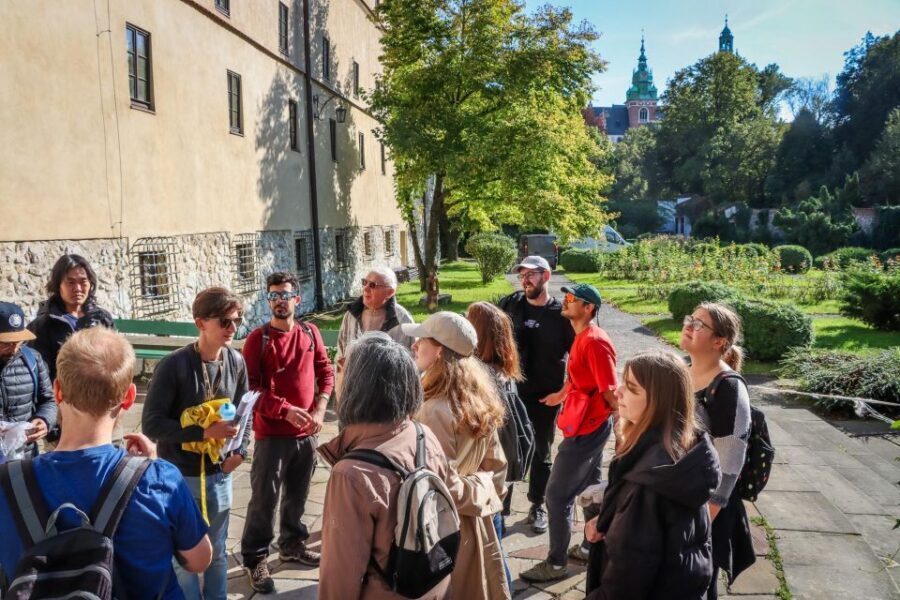
One of the most memorable early stops is the Katyń wooden cross. Even if you don’t know the full background going in, the cross acts like a moral marker. It points you toward a broader part of WWII tragedy, not just local Nazi control.
What I like about this stop is how it reshapes your listening. The cross helps you understand that occupation didn’t only mean shootings and prisons in Krakow. It also meant mass suffering across regions, with victims whose stories echo beyond one city.
You’ll get context that makes later stops hit harder. When you move from symbol to site—like prison and headquarters—you’ll feel the connection between individual lives and larger crimes. This is the kind of “context first” moment that prevents the tour from becoming a series of disconnected grim points.
St. Michael’s Prison Cells: Where the Tour Shows the Mechanics of Fear
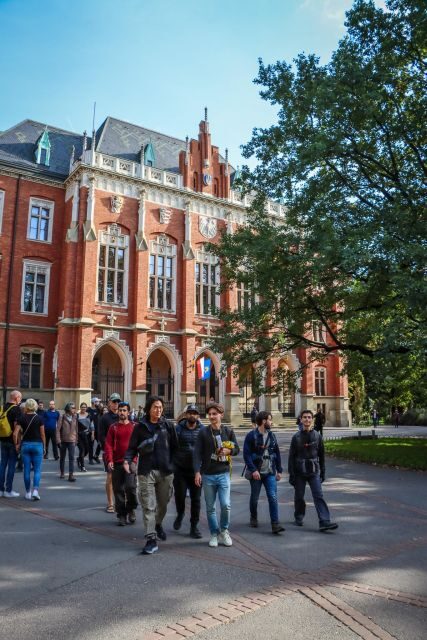
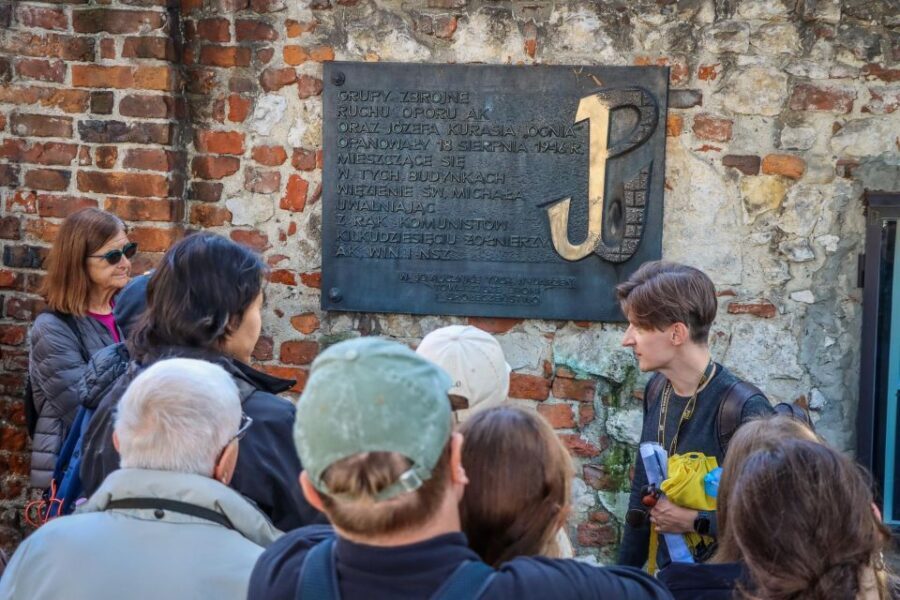
Then you move into one of the hardest parts of the walk: St. Michael’s prison. This isn’t just a building stop. You’re there to see how imprisonment worked, and to hear what made it so terrifying for victims. The guide explains the brutal logic behind the system—how detention was used to break people physically and psychologically.
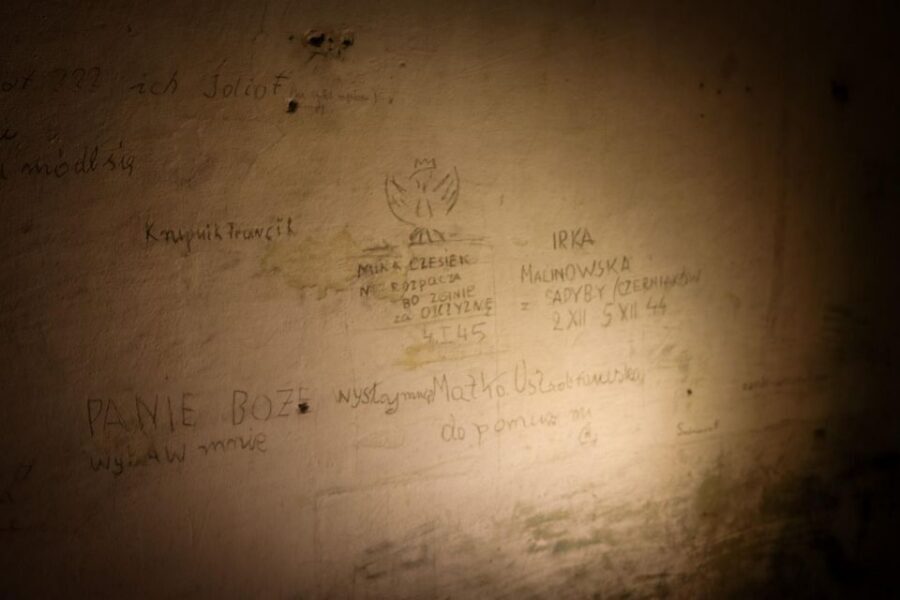
What makes this stop especially valuable is the focus on inscriptions left by victims. Reading those marks on the walls changes the tone immediately. It’s one thing to hear about suffering. It’s another to see evidence that people tried to communicate even when they had almost no power.
A practical note: if you’re the type who gets overwhelmed in enclosed spaces or at intense memorial sites, you may want to go slowly and take short breaks as needed. The tour doesn’t rush you through the emotion, but you should still expect it to be heavy.
Gestapo Headquarters: Understanding How Occupation Worked
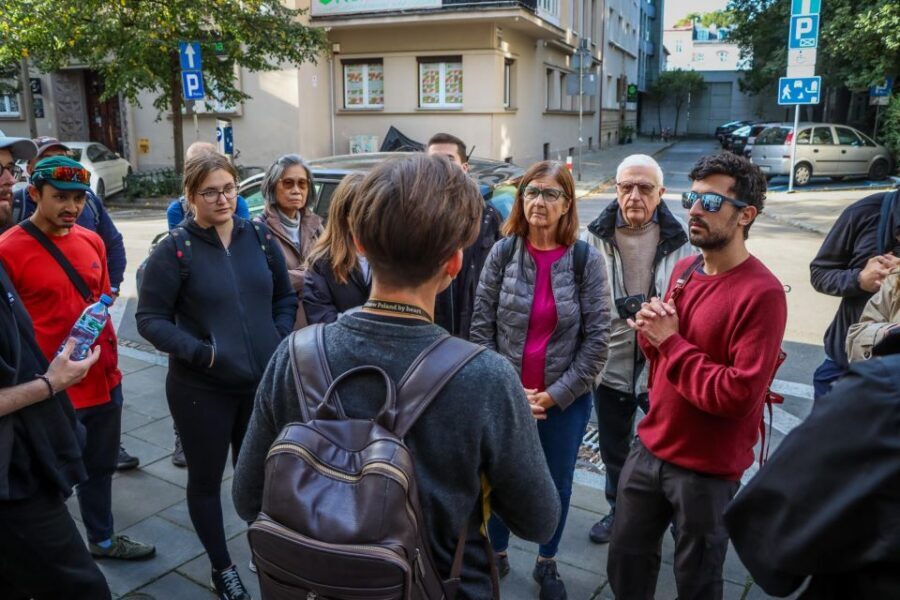
Next comes Gestapo headquarters, and this is where the tour becomes especially “connect-the-dots” practical. You learn what occupation looked like from the inside: monitoring, interrogation, punishment, and the constant pressure that made life feel unsafe even when you were doing ordinary things.
I liked that the guide doesn’t treat the Gestapo as an abstract villain. Instead, you get a sense of how fear was administered and how it shaped everyday choices. When you understand the mechanism, the human stories make more sense. You start to grasp why some people resisted openly, why others tried to survive quietly, and why “small decisions” could become life-altering.
This is also a stop that tends to make you reflect on moral pressure. The tour asks questions without preaching. You’re left thinking about what you’d do under similar threat—an uncomfortable but useful way to turn history into real insight.


Park Krakowski Bomb Shelters: Fear as Infrastructure
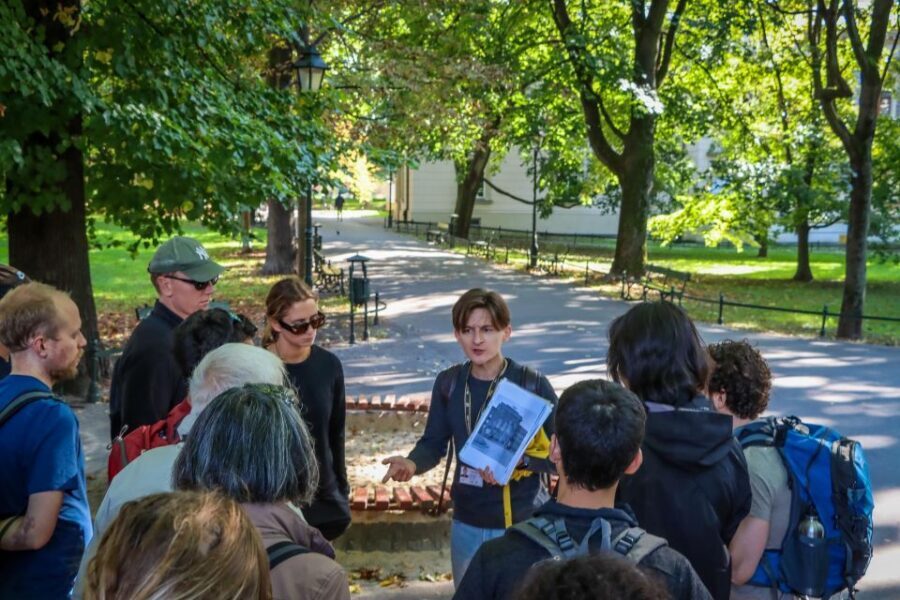
After the harder indoor sites, the tour turns outward with bomb shelters (Park Krakowski). This is a different kind of learning. Instead of focusing only on detention and interrogation, you see how the threat of violence shaped movement, routine, and planning.
Bomb shelters show the war’s reach into normal life. They remind you that danger wasn’t only something that happened out there on battlefronts. In occupied areas, danger became a practical part of staying alive, like an emergency plan you had to live with.
What I appreciate here is how the tour balances the emotional arc. You’ve just seen oppression at its most direct. Now you get a view of survival conditions—how people adjusted, waited, and tried to protect themselves when the sky and streets could turn dangerous.
If you like tours that teach both the dramatic and the mundane sides of WWII, this stop is a great payoff. It’s not just “what happened.” It’s “how people had to live.”
The Guide Makes the Difference: Big Tomasz and Real Local Storytelling
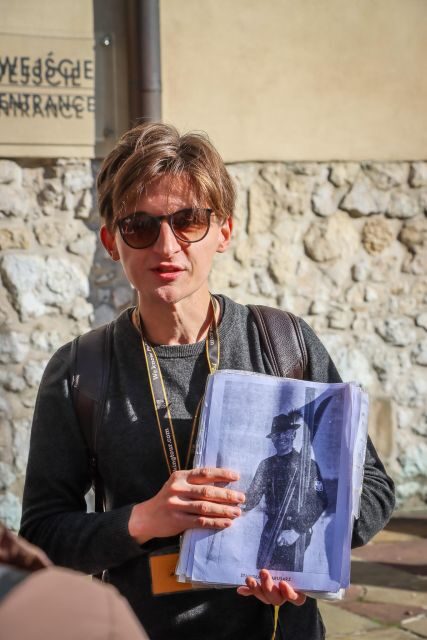
The experience shines because of the guide. The tour’s English guide is described as warm, engaging, and passionate, and in multiple bookings the name Big Tomasz (or Tomasz) comes up. People also mention his excellent local knowledge and even a touch of good humour, which helps the stories land without turning into pure heaviness.
That balance matters. When you’re learning about extreme events, a flat delivery can make everything feel distant. A guide who can explain clearly and keep you oriented helps you absorb more and remember better. It also helps if you’re the kind of traveler who wants to leave with names, locations, and meaning—not just a vague sense that “terrible things happened.”
One useful detail from reviews: even when someone couldn’t finish the full tour due to timing, they still felt they learned a lot. That suggests the tour’s story structure holds up, even if you need to shorten it.
Price and Value: Is $26 Worth It?
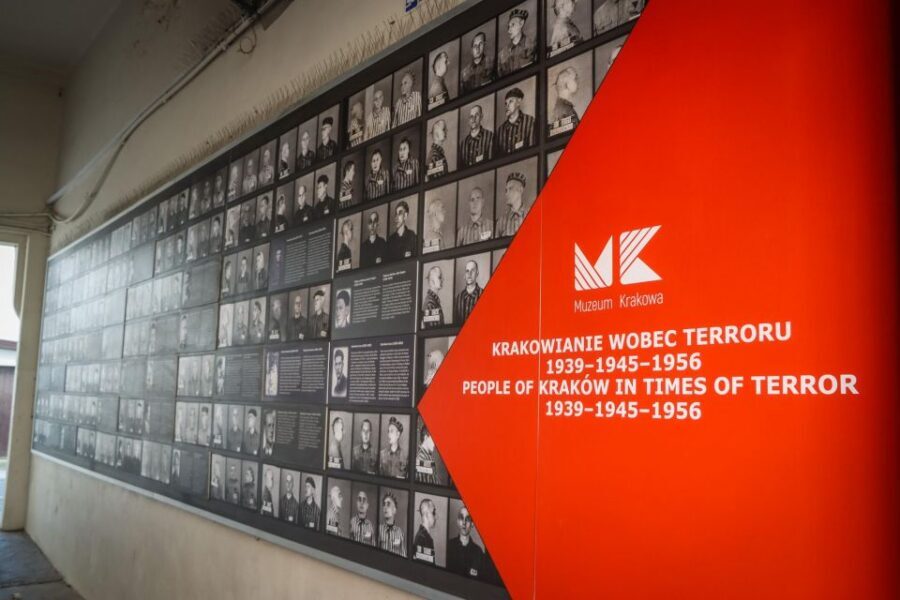
At $26 per person, this tour is priced like a straightforward walking experience, not a premium museum package. For me, the value comes from what you get per minute: an expert local guide plus a carefully constructed narrative that uses multiple WWII-linked sites as teaching points.
If you’re the type who likes to connect history to places you can actually stand in, you’re paying for more than a route. You’re paying for interpretation—what the traces mean, what the inscriptions tell you to look for, and how occupation reshaped a city.
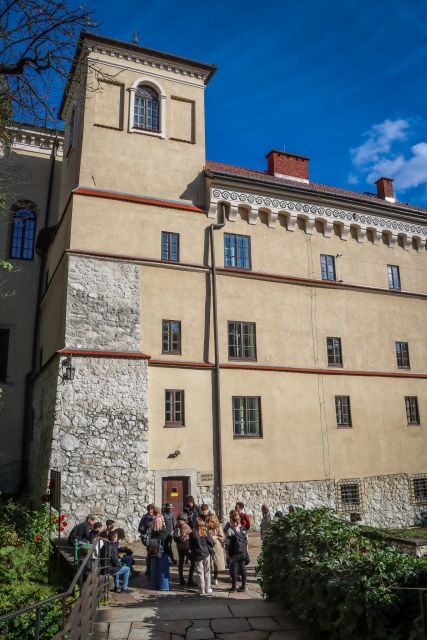
Also, the inclusion of an expert local guide matters more than many travelers realize. This is a topic where context is everything. Without it, St. Michael’s prison or a cross marker can turn into “stop, photo, move on.” With the guide, you’re given the framing to understand what you’re seeing.
Who This WWII Walk Is For (and Who Might Want a Different Tour)
This tour is a strong fit if you:
- want WWII in Krakow grounded in specific places
- like stories that include both victims and resistance
- prefer an English guide over DIY research while walking
It’s also a good pick if you enjoy history that asks uncomfortable questions. The tour is built to confront difficult decisions people faced under extreme threat.
On the flip side, if you’re traveling with a group that prefers light, carefree sightseeing, you might feel the emotional weight more strongly than you expect. It’s not just “dark history” as a theme. It’s a walk through real mechanisms of terror.
Because it’s wheelchair accessible, it can work for travelers who need that level of access. Still, plan for the reality of walking through city areas and spending time at memorial-type sites where some spaces may feel tight.
Should You Book This Tour?
Yes, I think you should book it if you want WWII Krakow to feel real and understandable. The combination of the guide’s storytelling, the major Nazi-era locations, and the inclusion of victim inscriptions makes this more than a standard sights walk. You’ll likely leave with a sharper sense of how occupation transformed the city—and why resistance wasn’t just a headline, but a dangerous choice.
I’d especially recommend it as one of your first “serious context” activities in Krakow, right after you arrive. Getting that background early changes how you read the city the rest of the trip.
FAQ
FAQ
What is the duration of the World War II in Krakow Walking Tour?
The tour lasts 150 minutes.
How much does the tour cost?
The price is $26 per person.
What language is the tour offered in?
The tour is offered in English.
Where is the meeting point?
You meet at the triangle square next to Wawel Hill, at the end of Grodzka street.
Do I need hotel pickup?
No. Hotel pickup and drop-off are not included.
Are snacks included?
No. Snacks are not included.
What sites will I visit during the tour?
The tour includes stops such as the Katyń wooden cross, St. Michael’s prison, Gestapo headquarters, and bomb shelters in Park Krakowski.
Is the tour wheelchair accessible?
Yes, the tour is wheelchair accessible.
How early should I arrive at the meeting point?
Please arrive 10 minutes before the activity starts.
Is cancellation or changing plans allowed?
The tour offers free cancellation up to 24 hours in advance for a full refund, and you can reserve and pay later.