REVIEW · WARSAW
Warsaw Jewish Ghetto: private tour by retro car with hotel pickup
Book on Viator →Operated by Warsaw Behind the Scenes · Bookable on Viator
A retro ride through Warsaw’s hardest streets. This private Jewish Ghetto tour strings together major sites from the Janusz Korczak monument to Umschlagplatz in about three hours, with hotel pickup that gets you out of logistics mode fast.
I also love the way you get both visible remnants and big-picture explanation: surviving wall fragments, the Próżna Street tenements, and the 1941 bridge story near Chłodna. One possible drawback: it’s emotionally heavy, and the 3-hour length can feel intense—especially if you’re sensitive to how wartime context and blame are framed.
In This Review
- Key things to know before you go
- A retro minibus tour with hotel pickup (and real walking time)
- Janusz Korczak to Grzybowski Square: starting with a human choice
- Próżna Street and the ghetto wall fragments: the city’s physical scars
- Chłodna Street’s 1941 bridge story and Muranów’s built-over rubble
- Monuments for uprising heroes, then POLIN’s outside-only moment
- Mila 18 and Umschlagplatz: the final chapter made concrete
- About content and tone: what to expect if you’re sensitive to interpretation
- Price and value: what $168.58 gets you in practice
- Who this tour is best for (and who might want a different format)
- Should you book the Warsaw Jewish Ghetto private tour by retro car?
- FAQ
- How long is the Warsaw Jewish Ghetto private tour by retro car?
- What’s included in the price?
- Is the tour really private?
- Are museum or synagogue entrances included?
- Do the minibuses have air conditioning and seat belts?
- Where does pickup happen?
- What’s the child policy?
- Are service animals allowed?
- What if I need to cancel?
Key things to know before you go
- Hotel/apartment pickup within 3 km of the city center keeps the day smooth
- Retro Communist-era minibus adds atmosphere, even if it’s not modern comfort
- You walk short segments between stops, so you’re not stuck in a vehicle the whole time
- You’ll see major memory sites tied to the Ghetto Uprising, deportations, and resistance
- Some parts of the story can be broad and political, so ask questions if you want a specific focus
- No air conditioning on vintage vehicles means dress for the weather
A retro minibus tour with hotel pickup (and real walking time)
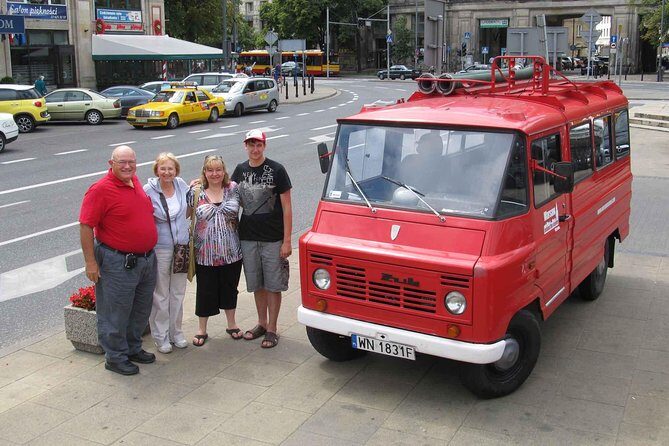
This is a private tour in a classic retro minibus. You get picked up from your hotel or apartment within 3 km of the city center (or you’ll be guided to a nearby meeting point if you’re outside that radius or your place is hard to reach by car). The transport part matters here because pickup and drop-off count inside the total time of the tour.
You’ll ride between locations, then walk in short bursts at each stop. That’s a good setup for a subject like this: you’re not cramming a long stroll into memorial ground, but you’re also not just getting drive-by viewing.
One practical note: these vintage vehicles are heated, but some don’t have air conditioning, and some historic models may not have seat belts. If you’re going in hot or bitter weather, dress accordingly. Comfortable shoes help, because you’ll step in and out multiple times over the 3-hour window.
You can also read our reviews of more private tours in Warsaw
Janusz Korczak to Grzybowski Square: starting with a human choice
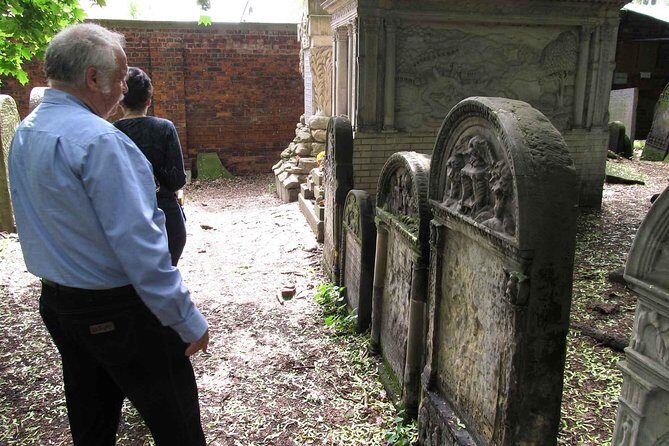
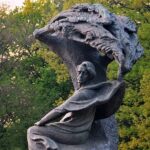
Your day begins at the monument to Janusz Korczak, the Polish-Jewish educator and director of a Warsaw orphanage. The story here is stark and specific: even with chances to escape, Korczak stayed with the children in his care and was deported with them to the Treblinka extermination camp.
I like how starting with one person keeps the tour from becoming a blur of dates and names. It also sets the emotional tone without rushing past context.
From there, you move to Grzybowski Square, an area that used to be part of Jewish Warsaw and now shows the city’s 20th-century shocks layered over one another. This stop is less about one single monument and more about the feeling of place—how a neighborhood can absorb two world wars and totalitarian systems and still preserve faint traces of what was here before.
If you’re the type who likes to understand the city as a living thing, this is a strong opener. If you prefer only highly pointed memorial stops, this “setting the stage” portion might feel slower. Either way, it helps you connect what you’ll see next.
Próżna Street and the ghetto wall fragments: the city’s physical scars
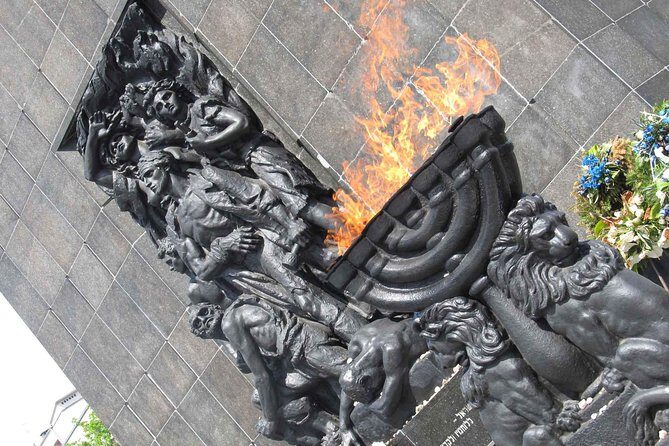
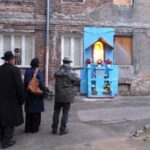
At Próżna Street (Ulica Prozna), you see the only street in Warsaw where pre-war Jewish tenement houses have survived. That survival matters. Everything else in this story was shaped by destruction, erasure, and forced displacement—so seeing intact buildings changes the experience from abstract to concrete.
Practical bonus: this is also tied to the annual Singer’s Warsaw Jewish Culture Festival, so the street isn’t just a memorial space. It’s a place where culture has room to continue.
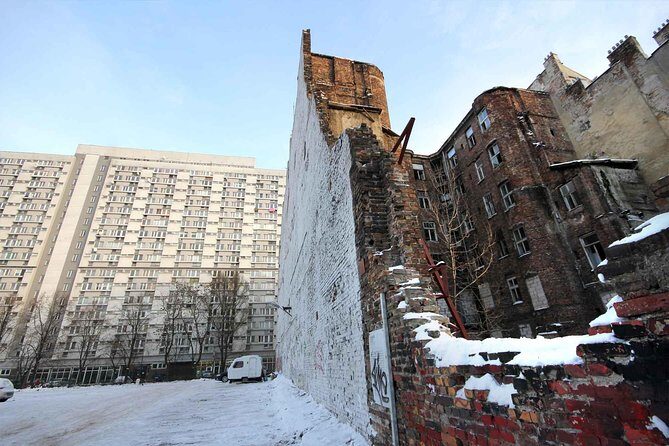
Next comes a fragment of the Warsaw Ghetto wall. The guide leads you to an accessible location where you can actually see how the boundary worked—how the ghetto was sealed off from the rest of the city. In some sections, the wall is hidden between buildings, which makes it feel even more unsettling: the past is literally built into the urban maze around you.
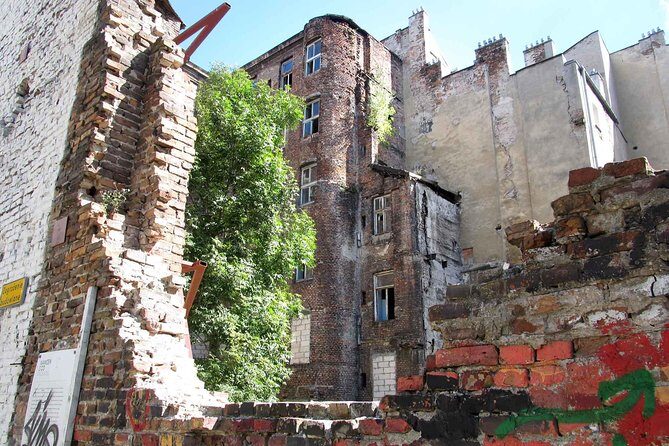
Then you get the “ghost” effect at Kamienica przy Waliców 14. This ruined tenement is often described as the last visible reminder of the ghetto’s presence there. A piece of ghetto wall is preserved nearby, which turns the stop into a visual argument: this wasn’t just history. It left fragments behind.
Why I think these stops work so well: they force your brain to do two jobs at once—notice architecture, and notice meaning. You can’t treat the ghetto as a map concept when a wall seam and battered masonry are right in front of you.
Chłodna Street’s 1941 bridge story and Muranów’s built-over rubble
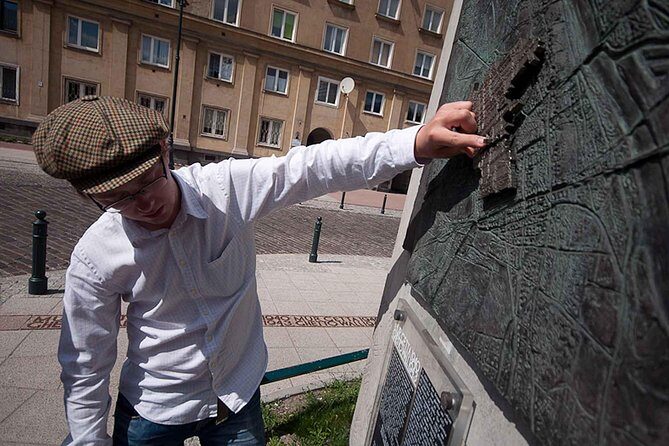
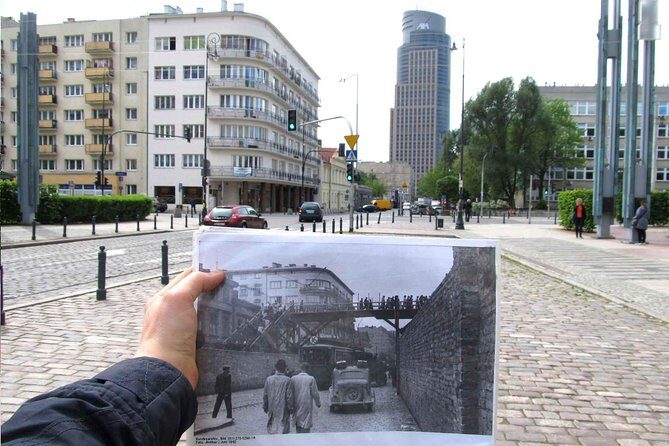
At Chłodna Street, the tour focuses on an unusual detail: the wooden bridge built in 1941 to connect two separated parts of the ghetto. The bridge rose above active street traffic, allowing trams and German vehicles to pass underneath. Your guide uses archival photographs to explain how odd, temporary, and technically “managed” life inside the ghetto could be—down to the engineering used to keep daily operations moving.
This is one of those stops where the facts feel almost unreal. But the whole point is to show how the ghetto was not only a prison line—it was an engineered system.
After that, you head to Muranów, the post-war residential district built directly on the rubble of the destroyed ghetto. It looks like a normal neighborhood from the street. That’s the trick. The guide’s explanations bring back the wartime layers under your feet, so you can understand how modern Warsaw grew from what was left after the war.
If you want an experience that shows how the past survives in plain sight, Muranów is where it clicks. It also makes you think about everything you see in big cities: some neighborhoods are “new” only because people rebuilt over old wounds.
Monuments for uprising heroes, then POLIN’s outside-only moment
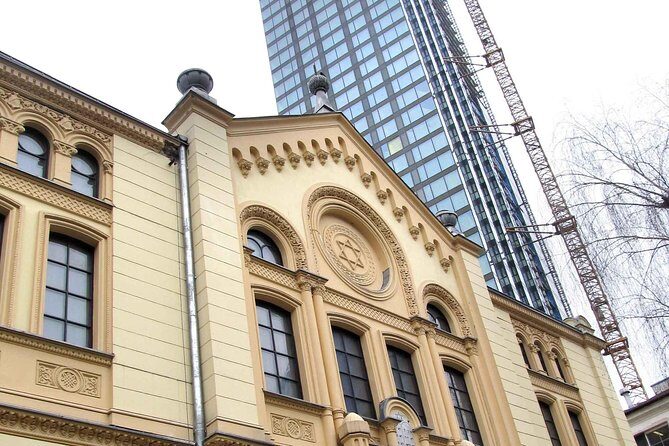
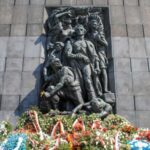
The tour continues to the Monument to Ghetto Heroes, located near the site of the first armed clashes of the 1943 Warsaw Ghetto Uprising. This stop is about remembrance and about the long arc from violence to commemoration. You’re in an area shaped by both conflict and later public memory.
Then you reach POLIN Muzeum Historii Żydow Polskich. Here, you stop outside the museum—entrance isn’t included in the tour price. The museum’s name connects to a legend about Jewish settlement in Poland, which your guide may touch on, depending on timing and your questions.
I like the “outside first” approach. It keeps your tour from turning into a day-long museum marathon. But if you know you want a deeper dive into exhibits, you’ll still have the option to return on your own or add an entry time later.




Mila 18 and Umschlagplatz: the final chapter made concrete
One of the most important stops is the Memorial at Mila 18. This is tied to a bunker used by Jewish resistance fighters during the 1943 uprising. When German forces discovered the bunker, many people inside chose death rather than capture, and the remains are buried beneath the site.
This isn’t the kind of story you forget quickly. Even if you’ve read about the uprising, the physical location pushes the weight closer to you. The guide’s job here is to keep the facts clear without turning the tragedy into a checklist.
The tour ends at Umschlagplatz, the former deportation point where Jews were transported to the Treblinka extermination camp. Today, there’s a memorial at Stawki Street that marks the place of deportations and forces you to consider how systematic the final phase of the ghetto’s destruction was.
If your plan for Warsaw includes a cemetery or synagogue visit, you’ll still want this final sequence intact. Ending at Umschlagplatz gives the day a clean narrative line: from ghetto formation and boundary lines, to uprising resistance, to deportation reality.
About content and tone: what to expect if you’re sensitive to interpretation
This tour covers more than buildings. It also explains wartime context—occupation, resistance, and the roles of different groups around the ghetto. That broad lens can be useful if you want the story situated in the wider facts of Warsaw under Nazi and Soviet occupation.
Still, be aware: some people react strongly to how those broader political details are framed. If you want the focus strictly on Jewish experiences and victims, it’s smart to go in ready to steer the conversation with questions like: Which sources does the guide prioritize? How are collaboration and antisemitism discussed? You’ll get the best experience when the guide knows what kind of clarity you need.
One more thing: a longer, information-dense tour can feel intense in a single sitting. If you’re easily overwhelmed, consider bringing water and taking a breath during transitions—your guide walks with you, so you’re not stuck processing alone.
Price and value: what $168.58 gets you in practice
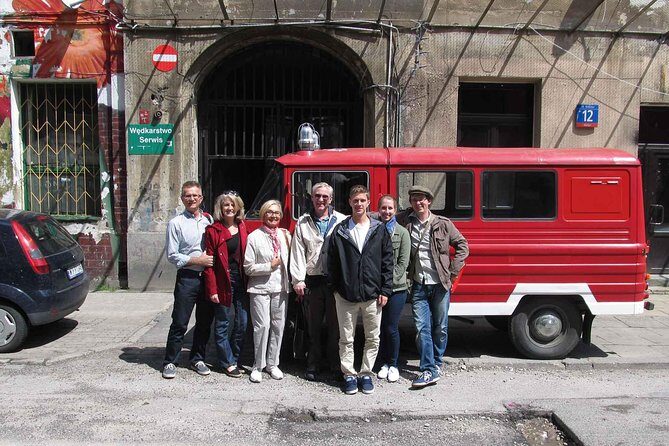
At $168.58 per person for about three hours, you’re paying for more than sightseeing. You’re buying:
- a professional English-speaking local guide
- private transport in a retro minibus
- hotel/apartment pickup and drop-off within a 3 km radius
- a tight route that touches the major memory sites without you having to piece everything together yourself
Is it expensive? It depends on your Warsaw style. If you enjoy planning less and learning more with a guide, the value is solid. If you’re the DIY type, you could build a route using public transit—but you’d likely spend time figuring out routes, finding the right street-level wall fragments, and lining up a coherent narrative in your own head.
The sweet spot is travelers who want structure and interpretation, not just locations. And because this is private, you can ask questions and slow down at the stops that hit hardest.
Who this tour is best for (and who might want a different format)
You’ll probably love this tour if you:
- want a small private-group experience rather than a crowded bus
- like city-walking history with clear stops (wall fragment, tenement, memorials)
- appreciate a guide who can explain both what you’re seeing and why it matters
You might consider another approach if you:
- want a slower, museum-heavy day rather than a compressed 3-hour route
- prefer a very narrow framing that avoids wider wartime political discussion
- have trouble with walking short segments in cold or wet weather (the vehicles can be warm, but you’ll still step outside multiple times)
Should you book the Warsaw Jewish Ghetto private tour by retro car?
Yes—with a caveat. Book it if you want a well-structured route that connects Korczak, surviving streets and wall fragments, the uprising memorial chain, and the deportation site in one coherent morning block. The hotel pickup and retro minibus also make the day feel special without turning it into a gimmick.
The caveat is about emotional intensity and interpretation. Go in expecting a heavy subject, and be ready to ask follow-up questions about how context is explained. If you do that, you’ll get a powerful, memorable Warsaw experience that feels grounded in what’s still visible.
FAQ
How long is the Warsaw Jewish Ghetto private tour by retro car?
It runs about 3 hours.
What’s included in the price?
You get a professional English-speaking local guide, transport by retro communist minibus, and hotel/apartment pickup and drop-off within 3 km of the city center.
Is the tour really private?
Yes. It’s a private tour/activity, with only your group participating.
Are museum or synagogue entrances included?
POLIN Museum entrance is optional and not included. Entrance fees to synagogues and cemeteries are also not included (visits are optional).
Do the minibuses have air conditioning and seat belts?
These are vintage vehicles and some may not have air conditioning. Some vehicles may not have seat belts (which is permitted for historic vehicles). Heating is available for winter.
Where does pickup happen?
Pickup is available from hotels, Airbnb, and apartments within 3 km of the city center. If your place is farther or inaccessible, the operator will suggest a closer, comfortable meeting point.
What’s the child policy?
The tour can be booked for adults and children over 150 cm (4 ft 9 in). For children under 150 cm, you must contact the tour operator in advance to check seat booster availability (mandatory under Polish law).
Are service animals allowed?
Yes, service animals are allowed.
What if I need to cancel?
You can cancel for free up to 24 hours in advance for a full refund. Changes made less than 24 hours before the start time aren’t accepted.