REVIEW · WARSAW
Warsaw: Auschwitz-Birkenau and Krakow Tour by Car
Book on GetYourGuide →Operated by AB Everest Travel · Bookable on GetYourGuide
A long day, but it matters. This Warsaw to Auschwitz-Birkenau and Krakow by car tour pairs a 3.5-hour English-guided visit to the camps with real time to wander Krakow’s UNESCO Old Town. What I like most is the comfort of a round-trip private transfer from Warsaw, and the structured way the visit moves from Auschwitz I to Auschwitz II Birkenau. The main drawback is the full-day timing and walking pace, so plan for tired legs.
Pickup is early, and the exact time can shift depending on your Auschwitz entrance slot. You’ll drive from Warsaw to Oswiecim for your guided camp tour, then head to Krakow for a focused hit list around Main Market Square and Wawel Hill before returning to Warsaw late evening.
In This Review
- Highlights at a Glance: Auschwitz, Birkenau, and UNESCO Krakow
- Leaving Warsaw Early: the real value of a private car transfer
- Auschwitz-Birkenau: how the guided tour is timed and structured
- Auschwitz I to Birkenau II: why both sections matter
- The museum film and evidence time: what to do with your attention
- Drive to Krakow: trading shock for history in measured steps
- Krakow Old Town in 3 hours: a smart walking hit list
- Pace, comfort, and what to expect from the long day
- Price and value: what you’re paying for on a tough logistics day
- Who this tour fits best (and who should look elsewhere)
- Should you book this Warsaw to Auschwitz-Birkenau and Krakow by car tour?
- FAQ
- How early is pickup in Warsaw?
- Is there a guided tour at Auschwitz-Birkenau?
- What time do you get for Krakow?
- Are entrance tickets included?
- Is lunch included?
- What bag size is allowed at the Auschwitz museum?
- What ID do I need to bring?
- Is water provided?
- Is free cancellation available?
Highlights at a Glance: Auschwitz, Birkenau, and UNESCO Krakow
- Hotel pickup and drop-off in Warsaw city center means you start without dealing with buses or meet-up confusion
- Skip-the-ticket-line helps you move faster on a day where minutes matter
- English-speaking driver plus an English-guided group tour at the camps keeps everything readable and organized
- Auschwitz I then Birkenau timing gives you a clear before/after understanding of how the system expanded
- 3 hours in Krakow’s Old Town is enough to see the big landmarks without turning the day into a blur
- Water included, so you can focus on the experience instead of snack math
Leaving Warsaw Early: the real value of a private car transfer
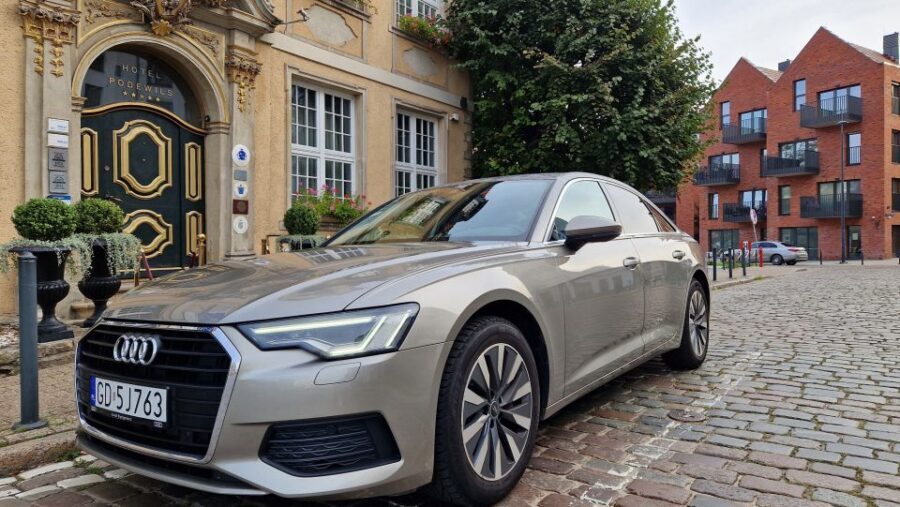
This trip is built around one core idea: reduce friction. Instead of coordinating transport across two cities, you get picked up from your accommodation in Warsaw city center and returned there at night. That sounds simple, but on a 17-hour day it’s a big deal for stress levels.
Pickup time varies. The operator adjusts it based on your Auschwitz-Birkenau entrance tickets, so don’t assume a fixed morning clock. In practice, you should expect an early start from Warsaw, with a drive that can take several hours depending on traffic and your entry slot.
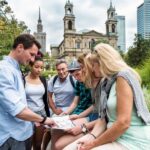
The driver is English-speaking and serves two roles: getting you to places on time and helping you function once you arrive. On past departures, drivers like Mateusz, Maciej, and Kris stood out for being polite, attentive, and practical—especially when passengers needed extra help during a very long day.
One more practical note: your tour day is long enough that small comforts matter. You’re not just commuting; you’re doing a moving, emotional museum visit, then a sightseeing sprint in Krakow. A private car helps you reset between those parts.
You can also read our reviews of more tours and experiences in Warsaw.


Auschwitz-Birkenau: how the guided tour is timed and structured
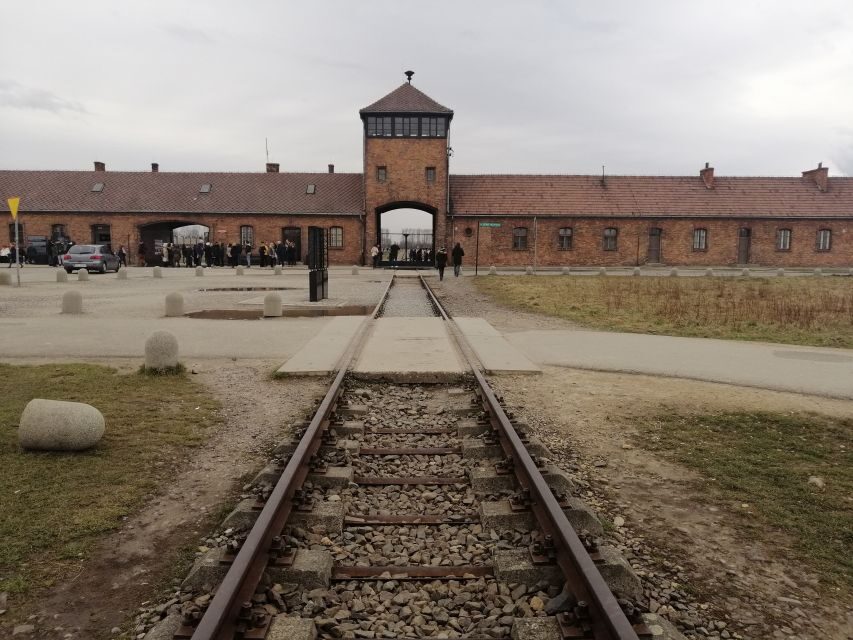
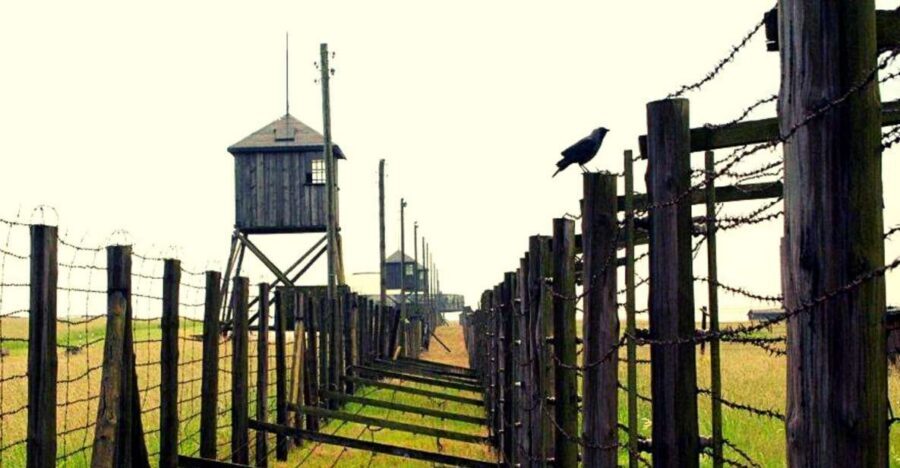
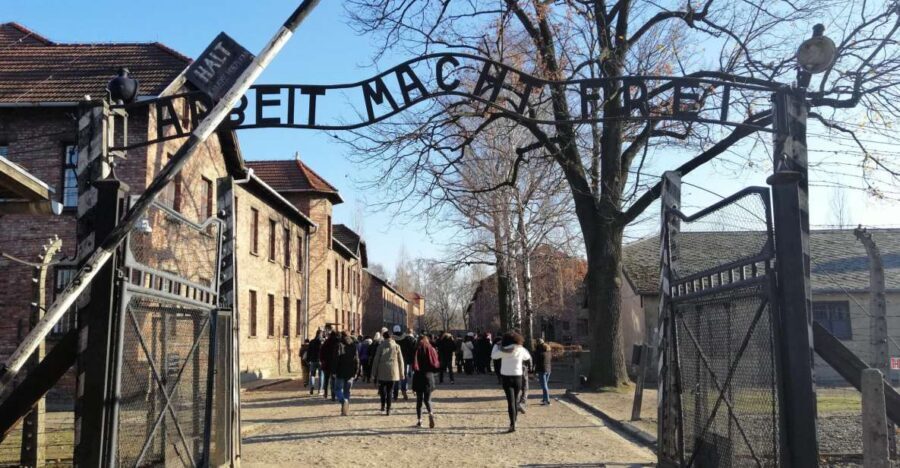
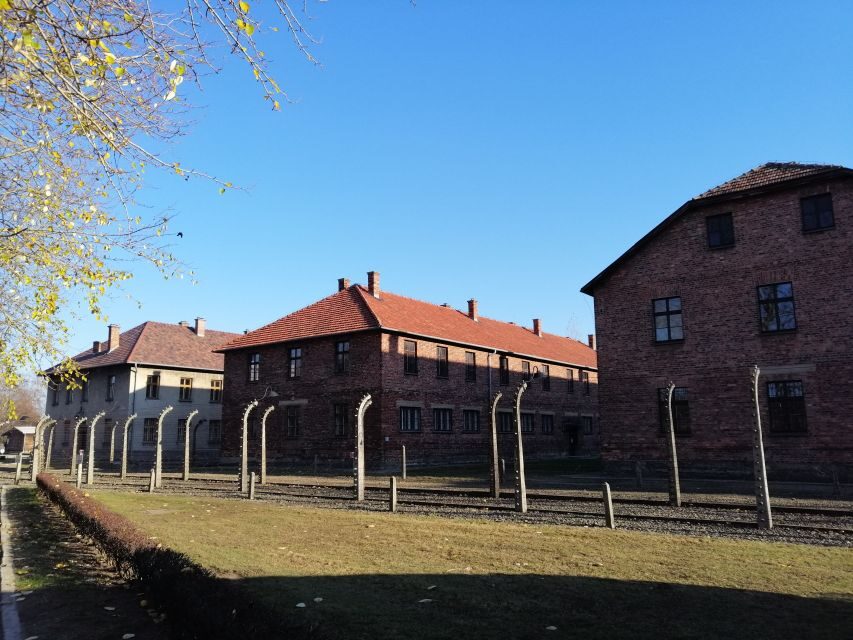
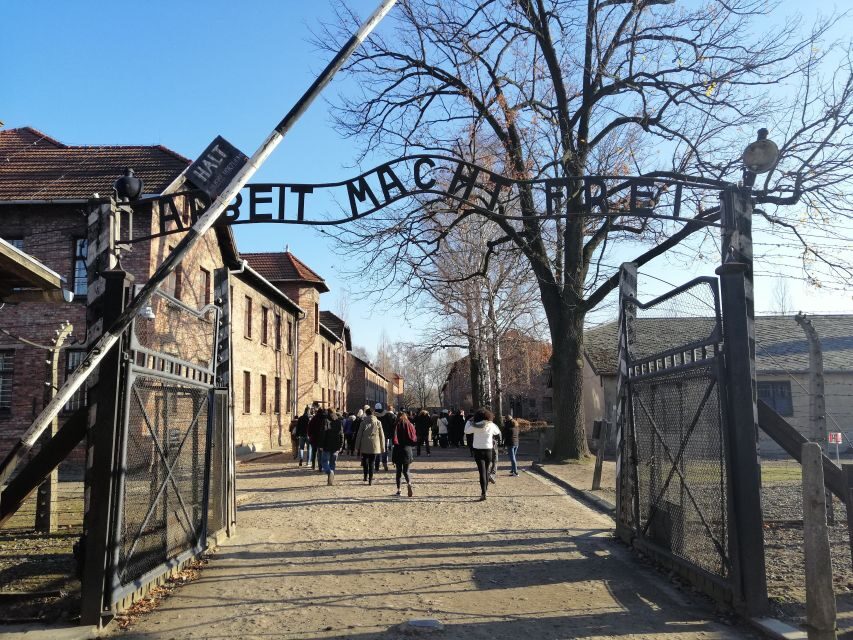
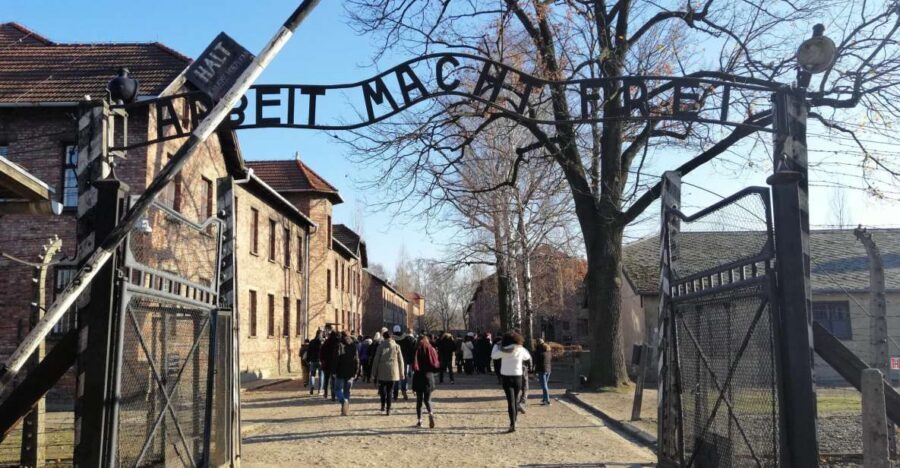
At Auschwitz-Birkenau, the experience starts with a 3.5-hour guided group tour in English. You begin at Auschwitz concentration camp, where you’ll learn how German Nazis established it on the outskirts of the town of Oswiecim in 1940. That first section matters because it gives you the framework for what came next.
After Auschwitz I, the tour transitions to Auschwitz II Birkenau. This is where the scale becomes even harder to absorb. The Germans established Birkenau in 1941, and between 1942 and 1945 about 1.5 million people lived and died there. Roughly 90% were Jews, and others included Poles, Gypsies, Russians, and prisoners from 28 European countries.
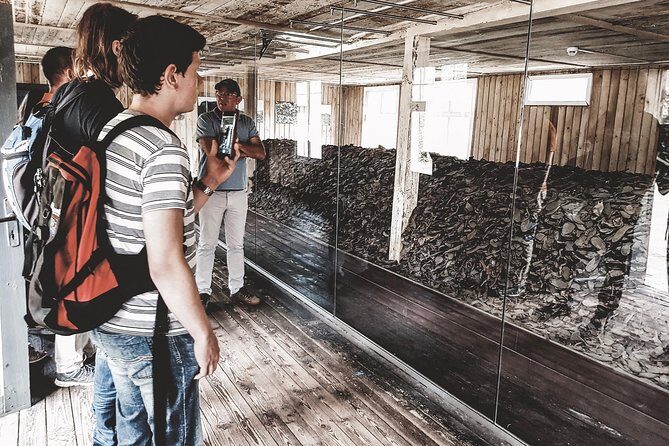
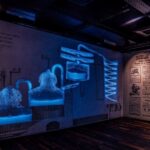
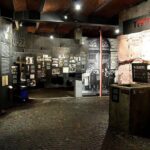
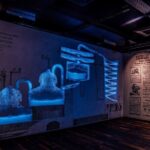
You’ll also get time to browse the museum displays after Auschwitz. This is useful because you can follow the guide’s storyline, then pause to look at evidence and documents without feeling rushed off your feet.
The tour includes an English-speaking museum film shown in various languages. The timing is set so you’re not just reading in silence; you get a guided interpretive thread that many people find helps the information stick. On a day like this, that structure keeps your brain from turning everything into one long blur.
Auschwitz I to Birkenau II: why both sections matter
Auschwitz I and Auschwitz II Birkenau aren’t interchangeable. You’ll feel the difference in purpose, layout, and what each place is teaching you.
Auschwitz I (the original camp area) sets the stage. It helps you understand the system as it began, with Nazi planning unfolding from 1940 onward. That context is important because it stops the story from becoming random horror snapshots. You get the logic behind the tragedy, which is grim but necessary.
Then Birkenau changes the scale fast. The tour’s move from Auschwitz to Birkenau is timed so you’re not dragging between sites with no explanation. You’ll be hearing how the second camp expanded the machinery of persecution, with an enormous number of victims suffering there between 1942 and 1945.
One thing I really like about this format is that it forces a sequence. If you were to visit alone and bounce around, you might miss the cause-and-effect thread. Here, the day is shaped to help you understand how the camp system developed over time.
The museum film and evidence time: what to do with your attention
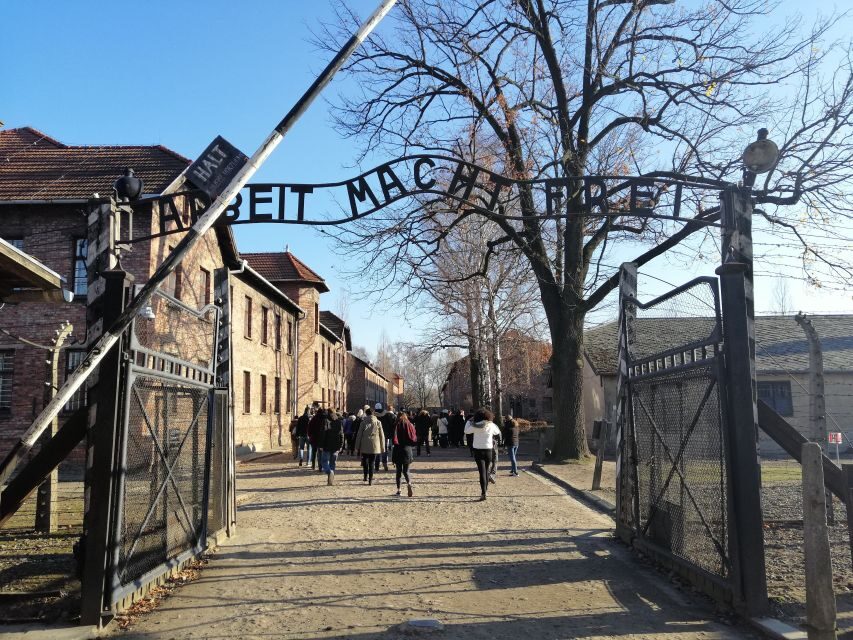
This tour includes time to watch a film made after the liberation of the camp, plus time to browse evidence in the museum. That combination is practical.
When you’re looking at artifacts, documents, and exhibits, you’ll get more out of the visit if you slow down at specific points. Your goal shouldn’t be to read everything. It’s to notice how the evidence pieces connect: dates, transports, names, locations, and the roles of different spaces.
After the guided part, the browsing time is where you decide what you need. If you learn best by seeing documents directly, use that window to linger. If you need a moment to reset emotionally, step away for a few minutes and come back.
The tour is organized, but it still gives you breathing room. That balance—guided structure plus independent viewing—is one of the reasons many people find this kind of day tour worth the money.
Drive to Krakow: trading shock for history in measured steps
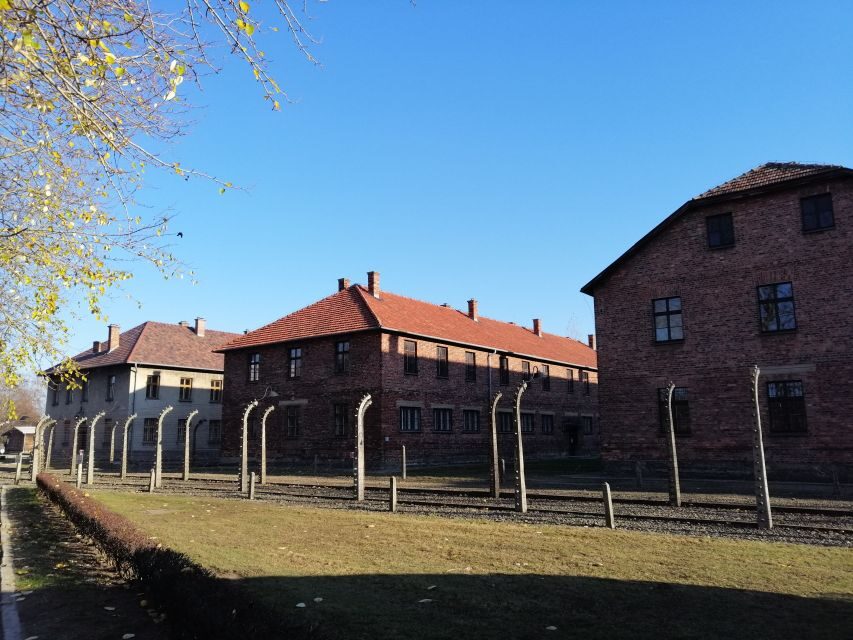
Once the camp visit ends, you head to Krakow for a drive that takes about 1.5 hours. You’ll then get three hours of free time to explore the Old Town.
This portion of the day is a shift in tone, not a distraction. Krakow’s historic center is UNESCO listed, and the big square is a great place to regain your bearings before you’re back on the road.
Most importantly, three hours is enough to do something real without trying to “win” sightseeing. You’ll be able to walk, pause for photos, and still see the main landmarks that give Krakow its reputation.
During the day there’s also time to eat lunch in a restaurant. Food and drinks aren’t included, so you’ll want to budget for at least a basic meal when you reach Krakow.



Krakow Old Town in 3 hours: a smart walking hit list
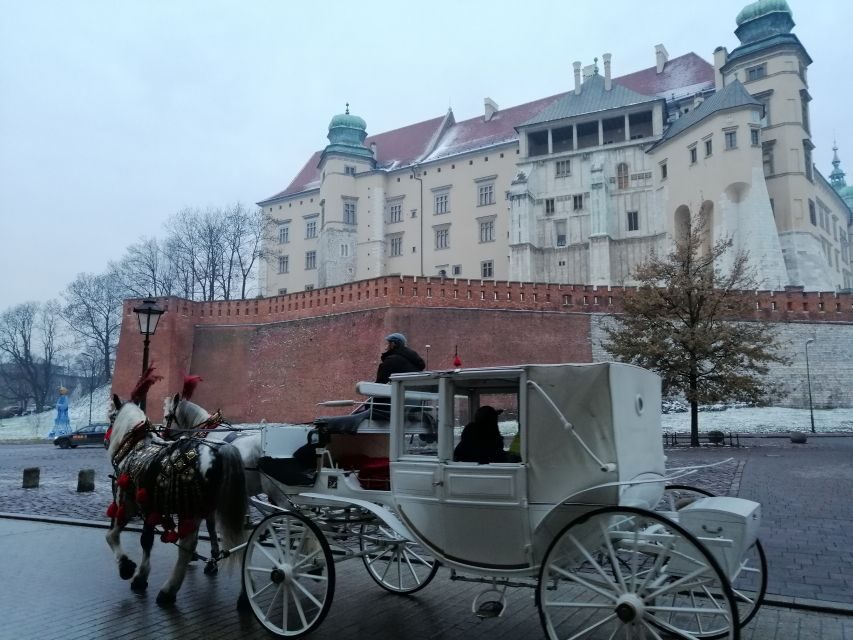
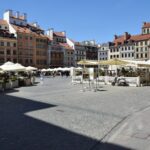
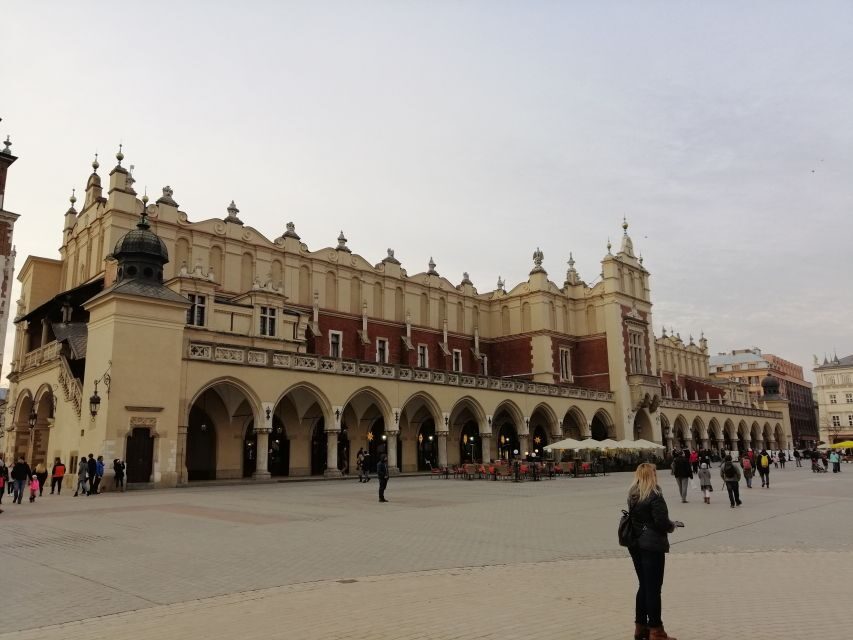
With three hours in Krakow, you’ll likely spend most of your time around Main Market Square, described as the biggest Medieval old town square in Europe. That’s the right starting point because it concentrates the best-known sights in a compact area.
Here are the highlights you can aim for during your free time:
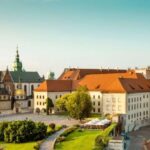
- Wawel Hill, including the Cathedral and the Royal Castle
- Town Hall Tower
- St. Mary’s Basilica
- Krakow Barbican
- Sukiennice, known as the Cloth Hall
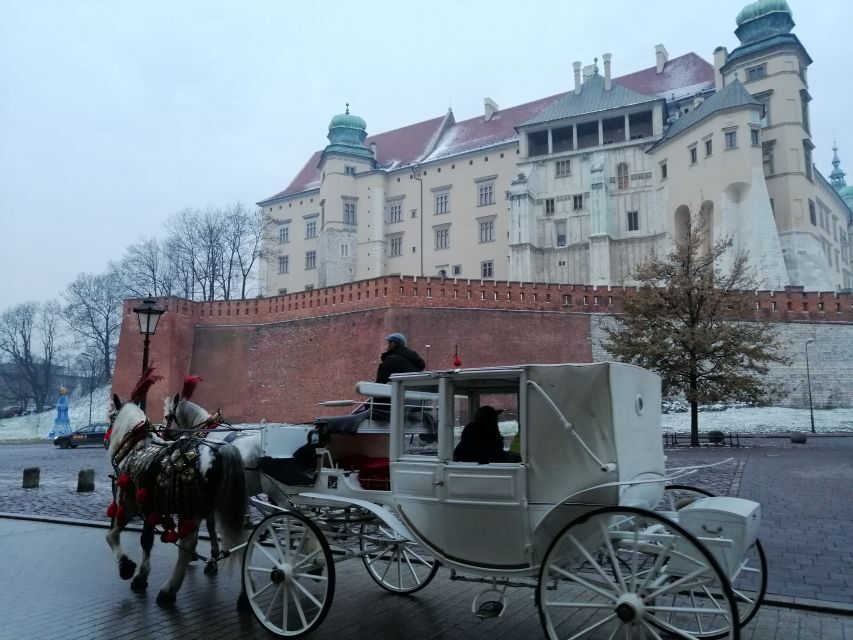
You’ll also notice the atmosphere: a dense cluster of historic buildings, lots of bars, and the classic sight of horse-driven cabs. If you like people-watching, Main Market Square is built for that.
A practical tip: wear comfortable shoes. Krakow is walkable, but you’ll do a lot of steps after a long day at Auschwitz. Aim for the landmarks closest to your route so you don’t waste precious minutes crossing the Old Town in a straight line.
Pace, comfort, and what to expect from the long day
This is a 17-hour experience, so manage expectations. Even with a private car, you’re looking at early pickup, hours on the road, a long guided museum segment, then a sightseeing sprint.
The tour is guided as a group, and the museum areas at Auschwitz involve walking and standing. Comfortable shoes aren’t a suggestion; they’re the difference between enjoying the experience and suffering through it.
You also need to plan around bag rules. The maximum backpack or bag size carried to the museum can’t exceed 30x20x10 cm. Oversize luggage and large bags aren’t allowed. That means you should pack light and keep essentials accessible—especially ID documents and a few water-friendly items.
A couple of real-world notes from past experiences show where the day can vary:
- Some departures report excellent, flexible support from the driver, including help when someone couldn’t complete Birkenau due to a knee problem
- In other cases, people felt the destination guide’s pace or clarity wasn’t ideal, which matters because you’re spending hours with that narration
If you’re sensitive to rushed group pacing, you might want to mentally plan for it. Bring patience, and remember: the day is fixed by museum entry and group timing.
Price and value: what you’re paying for on a tough logistics day
At $321 per person, you’re not just paying for two attractions. You’re paying for transportation, timed entry handling, and the work of connecting two cities in one day.
Here’s what that price includes:
- Hotel pickup and drop-off in Warsaw city center
- Transport with an English-speaking driver
- Entrance tickets
- Guided tour in the museum
- 3 hours free time in Krakow
- Water
What you pay separately for:
- Food and drinks
For many people, this is strong value because the alternative usually means buying separate transport, coordinating meeting points, and dealing with ticket logistics on two different schedules. Here, the structure is handled for you: you get into Auschwitz with ticket access, you get guided time on site, and you get Krakow free time without extra planning.
Also, skip-the-ticket-line is meaningful. At Auschwitz-Birkenau, waiting can eat up your day fast. Cutting that friction helps keep the schedule humane.
Who this tour fits best (and who should look elsewhere)
This tour fits best if you want one organized day that covers both major sights without the hassle of planning transport and timing between cities.
It’s a good match if you:
- want an English-guided Auschwitz visit
- prefer private car pickup instead of public transport transfers
- like the idea of structured time in Krakow, not an all-day wandering free-for-all
- want someone else to handle the drive and the schedule
It may be less ideal if you:
- need very slow pacing and lots of rest during museum walking
- don’t want a very early morning start
- are uncomfortable with strict bag size rules at the museum
If your top priority is maximum calm and minimal movement, you might consider a different format that spreads Auschwitz and Krakow over multiple days. But if your priority is efficiency and you’re okay with a full-day commitment, this combo tour is a practical choice.
Should you book this Warsaw to Auschwitz-Birkenau and Krakow by car tour?
I’d book it if you want a tightly managed day with private transfer from Warsaw, guided time at the camps in English, and real sightseeing time in Krakow’s Old Town. The included tickets, pickup/drop-off, and water remove a lot of the guesswork that usually makes one-day tours stressful.
Before you go, double-check two things. First, pack for the museum bag size limit (30x20x10 cm) and keep your ID ready. Second, be realistic about the day’s pace: it’s long, and Auschwitz walking is not the kind of thing you can power through on flat enthusiasm alone.
If you can handle an early start and you want both Auschwitz-Birkenau and UNESCO Krakow in one shot, this is the kind of tour that makes the logistics disappear and lets you focus on what you came for.
FAQ
How early is pickup in Warsaw?
Pickup is early and the exact time depends on your Auschwitz-Birkenau entrance ticket time, so it may differ from any stated general start time.
Is there a guided tour at Auschwitz-Birkenau?
Yes. You’ll take part in a 3.5-hour guided group tour with an English-speaking guide covering Auschwitz and Auschwitz II Birkenau.
What time do you get for Krakow?
You’ll have about three hours of free time in Krakow to explore the Old Town area around Main Market Square and nearby sights.
Are entrance tickets included?
Yes. Entrance tickets are included, and the tour offers skip-the-ticket-line.
Is lunch included?
Lunch time is included in the schedule, but food and drinks are not included, so you’ll pay for your own meal.
What bag size is allowed at the Auschwitz museum?
The maximum allowed backpack or bag size is 30x20x10 cm.
What ID do I need to bring?
You need a passport or an ID card.
Is water provided?
Yes. Water is included.
Is free cancellation available?
Yes. You can cancel up to 24 hours in advance for a full refund.