REVIEW · GDANSK
Torun – City of Copernicus Private Tour
Book on Viator →Operated by Tours in Gdansk Local Tour Operator · Bookable on Viator
Toruń has a way of pulling you in fast. This private day trip ties medieval street life to Nicolaus Copernicus, with a guided walk through Toruń’s UNESCO World Heritage Old Town and New Town areas that were largely spared by World War II. I especially like the tight focus on Copernicus-linked landmarks and how efficiently the route hits multiple Old Town highlights, including the Leaning Tower. One possible drawback is that it’s still a long day with a packed schedule, so lunch time can feel rushed if you’re craving a proper sit-down meal.
You’ll start in Toruń’s historic core and move on foot through red-brick merchant townscapes, Gothic church spires, and the story layers that make the city matter. The guide led walk is about 3 hours, and that’s plenty for getting your bearings and understanding why this place stands out.
The other thing I like: the tour includes hotel pickup and drop-off from Gdańsk, Sopot, and Gdynia, so you’re not stuck with timing headaches or extra transport planning. Still, you should go in knowing this is “a lot of steps and a lot of seeing” for one day.
In This Review
- Key points to know before you go
- Toruń in one day: how Copernicus turns a city tour into a story
- Getting from Gdańsk to Toruń: pickup, timing, and the reality of a full day
- The first meeting point: Old Town Hall area and why it’s a smart start
- Leaning Tower and medieval walls: the quickest way to get your bearings
- Artus Court, town halls, and the civic power of merchant Toruń
- New Town founded in 1264: Hanseatic connections you can actually see
- The Teutonic Order castle ruins: how 1454 changes the mood of the day
- Copernicus’ birthplace: turning a city walk into a science-themed visit
- St. John Cathedral stop: what’s included and why tickets matter
- Gingerbread and the art of a short free window
- Price and value: what $302.83 really buys you
- Private tour feel: why it matters even when the schedule is fixed
- Who should book this Toruń day trip from the coast?
- Should you book this tour? My practical take
- FAQ
- How long is the Toruń City of Copernicus private tour?
- What time does the tour start, and how do I get picked up?
- Is this a private tour?
- What’s included in the tour price?
- Are food and drinks included?
- Does the tour include time to shop or eat lunch?
- Can children join for free?
Key points to know before you go
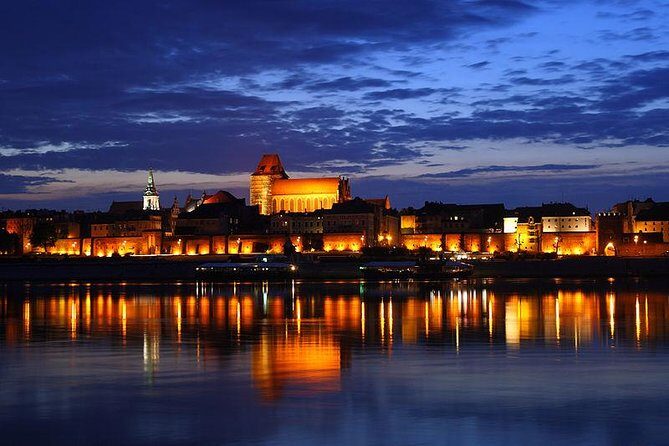
- UNESCO Old Town layout: medieval streets and outstanding buildings, largely intact after World War II
- 3-hour guided walking time: a focused tour length that helps you connect the sights
- Big name landmarks in one route: the Leaning Tower, Artus Court, Town Halls, and more
- Copernicus stops built into the flow: including the house where he was born
- Teutonic Order ruins with a sharp local story: the castle destroyed in 1454
- Private vehicle logistics: pickup from Gdańsk, Sopot, and Gdynia with return drop-off
Toruń in one day: how Copernicus turns a city tour into a story
Toruń is one of those places where “history” doesn’t just mean dates on a plaque. It feels like a living argument for how ideas move through real streets, real buildings, and real people. This tour makes that connection for you, walking you through medieval Toruń while highlighting where Copernicus fits into the bigger picture.
I like the way the day doesn’t scatter into random stops. Instead, the guide keeps the thread: medieval city design, the Hanseatic world of merchant wealth, and then the scientific side of Toruń through Copernicus’ life and work in astronomy. Even if you’re not a trivia person, you’ll still come away with a clear sense of why this city matters.
The tour’s structure also helps. You get a drive from the coast (Gdańsk area) into Toruń, then a concentrated guided walk, then time for your own pace. That’s the practical sweet spot for a day trip: enough guidance to understand what you’re seeing, without being locked into a minute-by-minute march.
You can also read our reviews of more city tours in Gdansk



Getting from Gdańsk to Toruń: pickup, timing, and the reality of a full day
The tour starts at 9:00 am with pickup from your hotel or apartment in Gdańsk, Sopot, or Gdynia. That matters because the hardest part of a day trip to Toruń isn’t the walking—it’s the transportation planning. Having a private vehicle and a set pickup time makes the day feel much more manageable.
Expect the schedule to run like a classic long day. The driving time on each side adds up, and the walk is about 3 hours with admission included. One review mentioned leaving around 9 am and returning around 4 pm, which fits the tour’s “about 8 hours” total duration.
Here’s the consideration: it’s not a slow scenic excursion. It’s structured for seeing multiple Old Town highlights in one go. If you hate rushing at all, you might find the day tighter than you’d like. If you can handle a brisk pace and you’re excited to see a lot, you’ll probably feel like you got your money’s worth.
The first meeting point: Old Town Hall area and why it’s a smart start
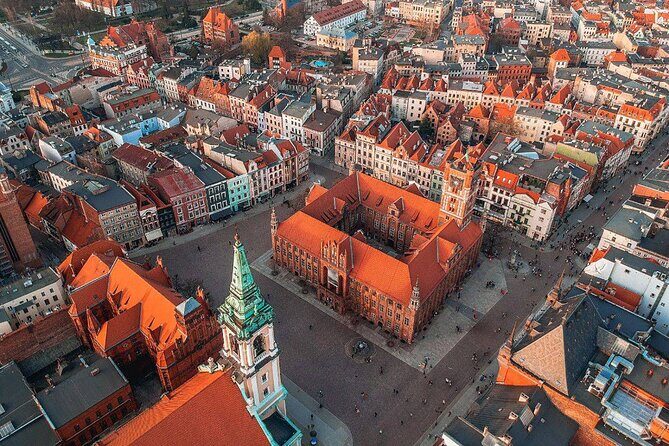
Your walk begins near the historic center, around the Regional Museum in Toruń – Old Town Hall. This is a strong starting point because Old Town Hall sits in the middle of the city’s civic identity. You’re not starting with a single monument and hoping it makes sense—you’re starting with the city itself.
From here, the guide takes you through the UNESCO World Heritage Old Town, described as largely unchanged from the medieval street plan. That’s a huge deal for your experience. When streets stay put, buildings stay in context, and the city feels legible as a whole rather than a set of disconnected stops.
Also, starting in the civic zone sets you up to understand the “why” behind what you’ll see next: the walls, towers, town halls, and the merchant wealth that powered this part of Europe. It’s the kind of orientation that makes later stops click.
Leaning Tower and medieval walls: the quickest way to get your bearings
One of the most recognizable sights is the Leaning Tower, part of the medieval wall system. Walking past it with a guide is much better than seeing it alone, because you’ll learn how it fits into the defensive layout rather than just admiring the tilt.
The medieval walls and tower elements do two things for your day:
- They give you orientation—where you are in the old city’s physical logic
- They frame the rest of the architecture as practical, not just decorative
When the guide places these features into the bigger story, it turns “wow, that’s leaning” into “now I see how the city worked.”
This is one of the reasons I like this tour for first-timers. You’re not trying to figure everything out on your own at the beginning. You’re getting the structure first, so later stops feel clearer.
Artus Court, town halls, and the civic power of merchant Toruń

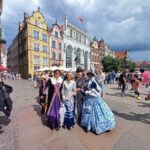
After the wall-and-tower segment, you’ll move through key Old Town highlights such as Town Halls and the Artus Court. These aren’t just photo spots. They represent the social and economic engine of Toruń in the medieval Hanseatic world.
Toruń’s Old Town is famous for its red-brick character and Gothic spires, but the deeper point is how much of the city’s identity was shaped by trade and local governance. In other words, it’s not only about aesthetics—it’s about power, wealth, and community spaces where important decisions and meetings would have mattered.
If you’re the type who likes architecture but also wants context, you’ll enjoy the way these stops get tied together. The guide’s job here isn’t to recite dates; it’s to make the buildings feel like part of a functioning city.
You can also read our reviews of more private tours in Gdansk

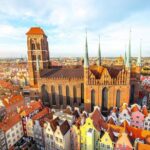

New Town founded in 1264: Hanseatic connections you can actually see
A standout part of the route is the transition to the adjacent New Town, founded in 1264 and later amalgamated into the Hanseatic League 12 years later. That timeline is more than a trivia fact. It helps you understand why the merchant houses look the way they do and why the Gothic influence shows up so strongly.
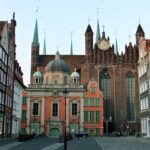
You’ll admire red-brick merchant houses and Gothic church spires, including the late Gothic Church of St. James. Walking these streets with the guide, you’ll start seeing patterns in the architecture. Even without being an architectural expert, you’ll notice how the city’s wealth gets expressed in materials and shapes.
This is one of the places where the private format helps. In a group situation, it’s easy for everyone to get pulled off pace for photos or questions. Here, you’re more likely to get explanations when you need them, and the route stays coherent.
The Teutonic Order castle ruins: how 1454 changes the mood of the day
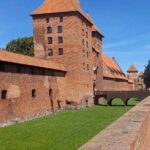
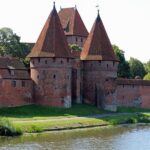
Then the tone shifts. You’ll visit the ruins of the Castle of the Teutonic Order, destroyed by the town’s residents in 1454.
That date gives you a stronger emotional backbone for the rest of the tour. It’s easy to treat ruins as just “old stones.” But when a guide connects them to local resistance and conflict, you start reading the stones as evidence of real events—people choosing a side, and a city forcing change.
Even if you only spend a short time at the ruins, you’ll likely remember them because they break the polite museum-vibe of a standard walking tour. This stop adds friction to the story, which is often what makes history stick.
Copernicus’ birthplace: turning a city walk into a science-themed visit
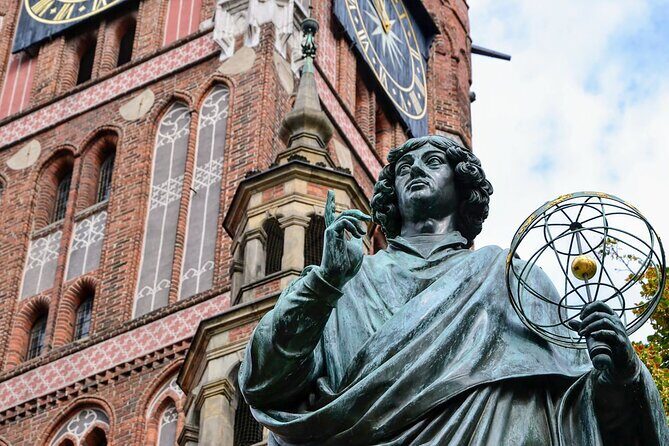
The most important intellectual stop is the house where Nicolaus Copernicus was born. This isn’t presented like a quick name-drop. You’ll learn about his life and his work in astronomy, and the guide connects it back to the Toruń setting you’ve been walking through.
I like this because it gives your brain a new angle. Most people in Poland focus on big political history or wartime stories. Here, you’re getting a reminder that Toruń also feeds into the scientific world—and that ideas can grow in the same city that builds defensive walls and merchant courts.
If you’re traveling with kids or teens, this is often the moment where interest spikes. It gives the day a human character and a clear “why do I care?” hook beyond architecture.
St. John Cathedral stop: what’s included and why tickets matter
The tour includes entrance tickets to St. John Cathedral. Tickets included sounds like a small detail, but it’s actually part of the value equation: you avoid having to find the right line, sort out payment, and worry about timing once you’re already on foot.
Cathedral visits also work well in a walking itinerary because they add a vertical element to the day—spires and interior space—after so many street-level sights. You’ll get a change of pace, and it helps keep the tour from feeling like a single long street crawl.
Gingerbread and the art of a short free window
You’ll get time to sample Toruń’s famous gingerbread during the route. That’s not just a snack—it’s the kind of local tradition that makes a city feel real instead of like a postcard.
Food and drinks are not included, though, so plan to budget for whatever you want to eat. One review raised the point that lunch can feel tight, and another response explained the tour includes time for lunch or shopping as part of the 8-hour flow. Here’s how I’d handle it:
- If you want a quick meal, you’re set
- If you want a sit-down lunch, treat it as a time-management challenge
Bring water if you can. Wear shoes you trust. Toruń’s old streets are made for walking, but your feet will do the bargaining if you try to wing it.
Price and value: what $302.83 really buys you
At $302.83 per person for about 8 hours, this isn’t a bargain-basement day trip. But it can be good value if you care about three things: convenience, expert guidance, and fewer hassles.
Here’s the value breakdown:
- Hotel pickup and drop-off from Gdańsk, Sopot, and Gdynia saves time and stress
- A professional guide gives you context for UNESCO streets and multiple monuments in a single day
- Private transport by vehicle reduces logistics compared with coordinating public options
- Entrance tickets to St. John Cathedral and other included admissions help you avoid extra planning
If you’re traveling as a pair or small group, a private vehicle and guide can feel more reasonable than it first appears. If you’re a solo traveler on a strict budget, you might prefer a cheaper group option. But if you want a clean, guided, one-day circuit, this tour aims right at that goal.
The rating around 4.4 from 5 reviews suggests a generally solid experience, with the main criticism being pacing and lunch time being short for some people.
Private tour feel: why it matters even when the schedule is fixed
This is a private tour, meaning only your group participates. That changes the experience in subtle but important ways:
- You’re less likely to get separated or rushed by a larger crowd
- Questions feel easier to ask when there’s no time pressure to regroup
- The guide can keep the flow aligned with your interests
You’ll also have a guide-led walk for about 3 hours. One review specifically praised a local guide for delivering the full 3-hour tour of her city. Another review highlighted the driver, Mirek Kopec, for being courteous and friendly and for sharing stories and facts during the ride.
That “ride time” part matters more than people think. The drive from the Gdańsk area to Toruń isn’t just dead time—it’s a chance to build context before you step onto the cobbled streets.
Who should book this Toruń day trip from the coast?
I’d point this tour toward travelers who:
- Want a first visit to Toruń and don’t want to piece it together alone
- Like UNESCO sites but also want the story behind the stones
- Enjoy architecture and want it explained, not just photographed
- Are curious about Copernicus and astronomy through a city lens
It may be less ideal for you if you:
- Plan to take your time at every stop and hate tight schedules
- Need a long lunch break to feel comfortable
- Want lots of free wandering time beyond a short window
This tour is built for momentum. If that’s your style, you’ll enjoy it.
Should you book this tour? My practical take
Book it if you want a guided, well-paced way to see the core of Toruń’s Old Town and New Town highlights in one day—plus Copernicus’ birthplace and St. John Cathedral without the hassle of stitching together tickets and directions.
Pass or consider another option if you’re the type who gets irritated by time limits. The day runs long, and while there’s supposed to be time for lunch or shopping, it can still feel rushed if you’re aiming for a relaxed meal.
If you’re going to spend a day in the Toruń area, this private tour is a smart choice for convenience and for connecting the city’s medieval identity to Copernicus in a way that actually makes sense while you’re walking.
FAQ
How long is the Toruń City of Copernicus private tour?
It runs for about 8 hours (approx.), including pickup, driving time, and a guided walking portion.
What time does the tour start, and how do I get picked up?
The start time is 9:00 am. Pickup is from your hotel or apartment in Gdańsk, Sopot, or Gdynia.
Is this a private tour?
Yes. It’s a private tour/activity, and only your group will participate.
What’s included in the tour price?
Included are a professional guide, hotel pickup and drop-off, transport by private vehicle, entrance tickets to St. John Cathedral, and other admissions tied to the guided experience.
Are food and drinks included?
No. Food and drinks are not included.
Does the tour include time to shop or eat lunch?
There is free time included as part of the overall schedule for lunch or shopping, but it can still feel tight depending on what you want to do.
Can children join for free?
Children under 7 are free, as long as you inform the operator when booking.