One hour, and Gdańsk becomes your game board. I like the puzzle-first format that turns monuments into clues, and I also love that the hunt pushes you to actually walk the city instead of just reading plaques. You’ll work with logic and math skills, follow stories and legends, and search for hidden envelopes as you go.
The only real downside is that the game can feel a bit time-pressured, especially if tasks are text-heavy or screens are hard to read. One run had issues with dark device screens and an English-language mismatch for at least one team, so it’s worth choosing a confident meeting time with your group and going in ready to problem-solve.
In This Review
- Key highlights to know before you play
- Puzzle-Driven Gdańsk Sightseeing in About an Hour
- St. Mary’s Church: Where the Hunt Gets Real
- Hidden Envelopes and the “Search + Solve” Combo
- How the Game Works in Teams (and Why That Helps)
- Meeting Point at Podwale Przedmiejskie: Easy Access, Simple Start
- Mobile Ticket, English Play, and Device Reality
- Price and Value: $23.66 for an Active City Walk
- Timing: The Real Reason Puzzles Can Feel Tight
- Small Frustrations to Watch For (and How to Handle Them)
- Who Should Book This Scavenger Hunt in Gdańsk?
- Should You Book It? My Practical Take
- FAQ
- How long is the scavenger hunt in Gdańsk?
- Is the scavenger hunt offered in English?
- Where does the scavenger hunt start?
- Is it a private activity?
- Do I need a printed ticket?
- Are service animals allowed?
- Is there free cancellation?
Key highlights to know before you play
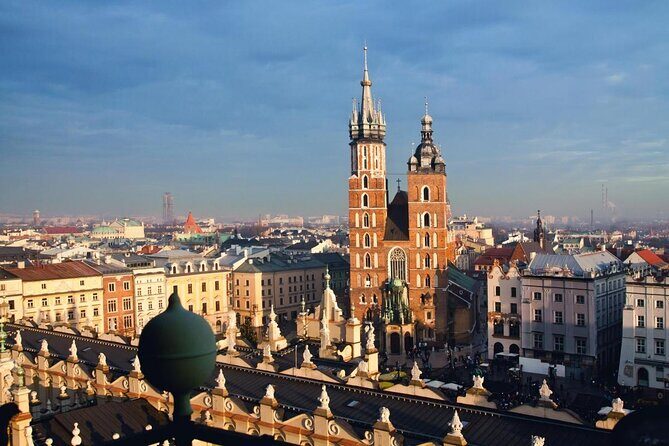
- St. Mary’s Church kicks off the hunt, setting an immediate historic tone.
- Hidden envelopes add real “search mode” energy to classic sightseeing.
- Logic and math puzzles mean you’re not just looking, you’re solving.
- Teams make it social, with groups sometimes split into multiple squads.
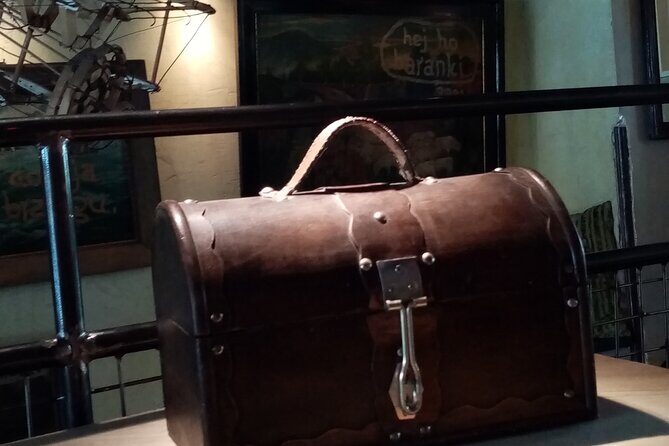
- Treasure at the end gives you a satisfying finish point.
Puzzle-Driven Gdańsk Sightseeing in About an Hour
A scavenger hunt is a smart way to see a city if you get tired of passive tours. This one is built around puzzles tied to Gdańsk monuments and city stories, so you’re moving from clue to clue instead of just standing still. At around 1 hour (some runs reported longer time), it’s a good fit when you want impact without eating your whole day.
I also like that it’s designed as an active experience for small groups. The game is private, so you’re not stuck with strangers who slow the pace or derail focus. That matters when the tasks expect teamwork and a steady rhythm.
The structure nudges you toward real learning, too. You’re not memorizing facts for a test; you’re using hints to uncover what’s going on around you, including legends and little details you’d otherwise skip.
You can also read our reviews of more tours and experiences in Gdansk.



St. Mary’s Church: Where the Hunt Gets Real

St. Mary’s Church is the first stop, which is a strong choice. Starting at a major landmark helps you orient fast, and it gives the game a sense of place right away. You’ll shift from “tour mode” to “mission mode” as soon as the puzzles begin.
What’s especially useful here is that you’re not only hearing about the church area—you’re working through problems that connect to it. That turns the stop into something you solve, not something you just look at. If you enjoy interactive sightseeing, this approach is exactly the kind that sticks in your memory longer than a quick photo.
One practical note: the hunt uses a device-based experience during play. If you’re sensitive to reading small text, you’ll want your group to bring your patience. A prior group noted too-dark screens during the activity, and that kind of issue can slow down puzzle-solving fast.
Hidden Envelopes and the “Search + Solve” Combo
This hunt mixes two types of challenge: city navigation and problem-solving. You’ll look for hidden envelopes around Gdańsk, which adds a playful layer to sightseeing. It also keeps you alert—your eyes are on the surroundings, not on a map app the whole time.
Then comes the brain work. You’ll need a good logical and mathematical head, and that changes the vibe from typical trivia walks. It’s more like a team puzzle than a quiz, which is fun if you enjoy figuring things out together and laughing when you miss something obvious.
The envelope-search part also helps you see the city at street level. You’ll notice corners, transitions between buildings, and the way the historic center flows from one area to the next. Even if you’ve been in Gdańsk before, this style makes you look again, not just pass through.
How the Game Works in Teams (and Why That Helps)
Your group plays privately, and the game can be team-based. One group of six was split into two teams, which is a great format if you want energy without chaos. Teams keep everyone engaged because you’re not waiting around for one person to finish a clue.
If you’re traveling with friends or family, this setup is a plus. People who aren’t the best at puzzles can still contribute by scanning for clues, while others focus on figuring out the logic. It becomes a more balanced kind of group activity than pure walking tours.
Just don’t expect everyone to move at the same speed. Puzzle hunts naturally create moments where one team slows and the other speeds up. If your group is very competitive, you may want to agree on a calm rule beforehand: share answers quickly and don’t hog the device or clue sheet.
Meeting Point at Podwale Przedmiejskie: Easy Access, Simple Start
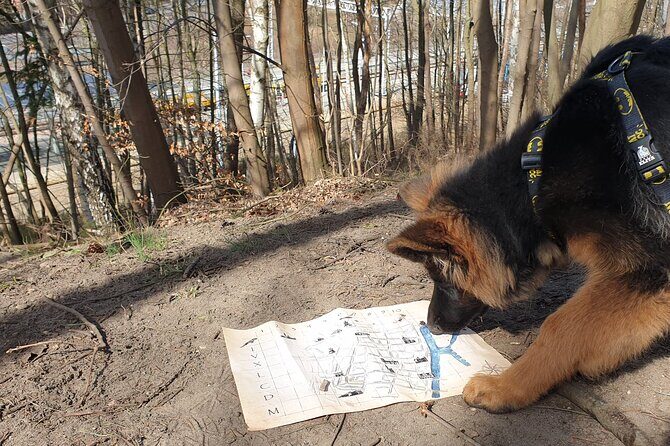
You’ll meet at Plac zabaw z huśtawkami, Podwale Przedmiejskie 26, Gdańsk. That’s handy because it’s a straightforward address in a central area, and the activity is described as being near public transportation. If you’re building this into a busy sightseeing day, that accessibility helps.
The activity ends back at the meeting point, which is convenient. You don’t have to worry about catching a transit connection at the end or tracing your route back. It also makes the hunt feel self-contained, like a timed side quest before you continue your day.
The duration is about an hour, so plan your arrival with a little buffer. If you arrive late, you can end up missing the earlier puzzle rhythm, and that makes the later parts feel tougher.



Mobile Ticket, English Play, and Device Reality
The hunt includes a mobile ticket, and it’s offered in English. That’s a big deal if you’re trying to follow puzzles without constantly translating. Clear language keeps the teamwork flowing and stops the whole group from getting stuck at the same line.
At the same time, devices and text can be a weak link in puzzle experiences. One past run had the iPads’ screens too dark, and another issue showed code sheets in Polish instead of English for one team. These aren’t dealbreakers, but they are reminders to set expectations: you’re playing a puzzle game in an outdoor setting, with tech as part of the mechanism.
If you know your group enjoys puzzles, you’ll probably love the challenge even when the format gets a little fiddly. If you’re traveling with someone who hates reading small text or dislikes tech-based tasks, you might want to watch for these friction points and keep expectations flexible.
Price and Value: $23.66 for an Active City Walk
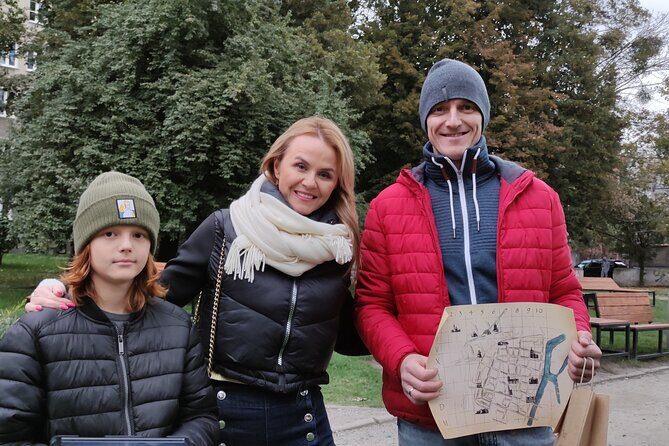
At about $23.66 per person for an experience lasting roughly 1 hour, the value comes from what you’re buying: a guided puzzle narrative plus an end reward. You’re not paying only for “walking around.” You’re paying for content—clues, envelope searches, and a treasure finish—that gives you a reason to keep moving and looking.
It’s also a good price point for a private setup. Public scavenger hunts can feel crowded, but a private format lets you stay focused and keep solving without constant interruptions. Even when the group is split into teams, it stays within your circle.
Think of it as a structured alternative to spending your time bouncing between top sights. Instead of lining up photos, you’re earning your route through clues. That’s the value that makes it feel different from a typical self-guided walk.
Timing: The Real Reason Puzzles Can Feel Tight
Even with a short overall duration, puzzle hunts can feel longer or shorter depending on difficulty and team speed. The official duration is listed as about an hour, and one group reported 100 minutes, so runs may vary.
This matters because puzzle games depend on momentum. If you get stuck early, you can lose time and end up rushing later clues. One review described tasks as difficult and said there wasn’t enough time to complete everything, which is exactly what can happen when a team is reading lots of text and solving slower.
You can protect your enjoyment with one simple mindset: treat it as a collaborative puzzle walk, not a race to finish everything perfectly. If you focus on teamwork and don’t overthink one clue, you’re more likely to hit the treasure ending without stress.
Small Frustrations to Watch For (and How to Handle Them)
This hunt sounds fun, but it’s not a perfect experience in every run. Two issues came up clearly: device readability (screens too dark) and instructions not matching the expected language for one team.
That tells me the strongest practical strategy is to bring backup focus. If the screen is hard to read, your group can still help by scanning surroundings for envelopes and comparing clue steps out loud. If language mismatch happens, you’ll want one person to act as the timekeeper and translator-by-context, so nobody spirals into frustration.
Also watch the “text density” issue. If a clue sheet or assignment is packed with text, it slows the puzzle-solving cycle. The good news is that you’ll be outdoors, moving, and searching—so you’re not stuck at a single spot staring at the problem for too long.
Who Should Book This Scavenger Hunt in Gdańsk?
Book it if you want interactive sightseeing and your group likes puzzles. It’s especially good for friends and mixed-age groups who can collaborate—there’s room for different strengths, like scanning for envelopes and solving logic.
It also fits well as an evening or midday activity when you still want to see landmarks but don’t want another long tour. The walking time is limited, and the meeting/end location loop makes it easy to slot into a day plan.
If your group strongly prefers quiet museum-style visits, this may feel too playful. It’s built for movement and mental effort, and the fun is in the problem-solving rhythm.
Should You Book It? My Practical Take
I’d book this scavenger hunt if you like city games and want a memorable way to see Gdańsk beyond the usual highlights. The combination of St. Mary’s Church, hidden envelopes, logic puzzles, and a treasure ending is a strong formula for people who enjoy hands-on sightseeing.
Skip it or reconsider if your group gets frustrated by tech issues or screen readability problems. If someone in your party hates puzzles, you’ll probably spend the time waiting instead of solving, and that drains the fun.
If you’re on the fence, the best decision rule is simple: can your group laugh through mistakes while working together? If yes, this hunt is likely to feel like a genuinely fun way to spend an hour in Gdańsk.
FAQ
How long is the scavenger hunt in Gdańsk?
The experience is listed at about 1 hour. One group reported 100 minutes on their run, so you may see some variation.
Is the scavenger hunt offered in English?
Yes, the activity is offered in English.
Where does the scavenger hunt start?
The meeting point is Plac zabaw z huśtawkami, Podwale Przedmiejskie 26, Gdańsk, Poland.
Is it a private activity?
Yes. Only your group participates.
Do I need a printed ticket?
No. You’ll receive a mobile ticket.
Are service animals allowed?
Yes, service animals are allowed.
Is there free cancellation?
Yes. You can cancel up to 24 hours in advance for a full refund. If you cancel less than 24 hours before the start time, the amount paid is not refunded.